
Vegetables
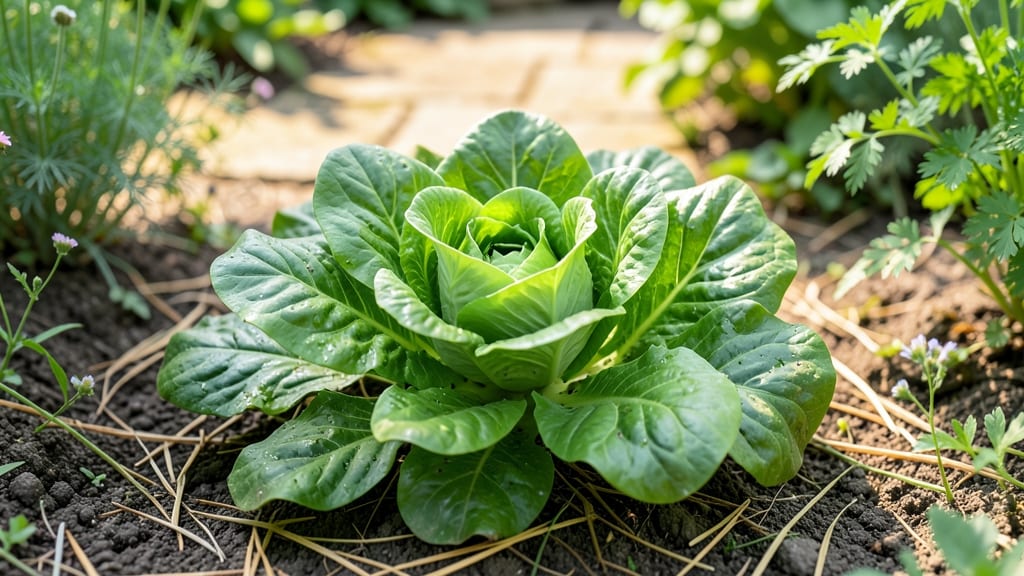
Growing green leaf lettuce is the fastest way to turn a patch of soil into crisp, ready-to-eat salad in just 30 days. 🌱 I’ve grown it in containers, raised beds, and even window boxes—it’s the perfect beginner crop because it thrives with minimal fuss. The secret?
Rich soil, consistent moisture, and a spot where it gets 4-6 hours of sunlight daily, whether that’s morning sun or dappled shade. You’ll need loose, well-draining soil (mix in compost for extra tenderness), seeds or seedlings, and a shallow container or garden bed.
Direct-sow seeds ¼-inch deep, spacing them 6-12 inches apart, or transplant young plants with their roots barely disturbed. Water gently but often—lettuce hates soggy roots but wilts fast if it dries out.
By week 3, you’ll see those signature ruffled leaves forming, and harvest starts when the outer leaves reach 4-6 inches. Snip the largest leaves first, and the plant keeps producing for weeks. The flavor? Sweet, crisp, and impossibly fresh—nothing beats picking it minutes before eating.
Works in spring, fall, or even winter under row covers. Here’s how to keep it thriving all season long.
📚 In This Guide
- What you need
- Instructions
- Tips and common mistakes
- Wrapping up and next steps
What you need
- ● Green leaf lettuce seeds: 1 packet (100-200 seeds, non-GMO or heirloom varieties like Black Seeded Simpson or Buttercrunch for best results).
- ● Seed-starting mix: 1 bag (1-2 quarts) of sterile, peat-free potting soil (e.g., FoxFarm Ocean Forest or Espoma Organic Seed Starter).
- ● Containers: Option 1: Seed trays (1020-cell trays or 2" deep flats).
- ● Option 2: Biodegradable pots (2-3" diameter, like Jiffy Peat Pellets).
- ● Option 3: Repurposed containers (yogurt cups, egg cartons, or shallow pots with drainage holes).
- ● Grow lights or sunny window: A full-spectrum LED grow light (12-16" above seedlings) or a south-facing window with 6+ hours of direct sunlight daily.
- ● Watering can or spray bottle: With a fine mist nozzle for gentle watering.
- ● Plant labels: Small stakes or popsicle sticks to mark varieties.
- ● Drainage tray: To catch excess water and prevent root rot.
- ○ Fertilizer (optional but recommended): Fish emulsion (1-2 tbsp diluted in 1 gallon of water) or
- ● Balanced liquid fertilizer (5-10-5 ratio, diluted to half-strength).
- ● Garden gloves: To protect hands from soil and sharp seeds.
- ● Pruning shears or scissors: For harvesting outer leaves without damaging the plant.
- ● Outdoor space (for transplanting): Well-draining soil (loamy, rich in compost).
- ● Row covers or shade cloth (30-50% shade for hot climates).
- ● Test your soil: Aim for a pH of 6.0-7.0—lettuce thrives in slightly acidic to neutral soil. Use a soil pH test kit if unsure.
- ● Keep it cool: Lettuce hates heat! If temps rise above 75°F (24°C), use shade cloth or grow indoors.
- ● Harvest regularly: Pinch off outer leaves to encourage continuous growth for up to 6 weeks!
Step-by-Step instructions for growing green leaf lettuce
Ready to grow crisp, vibrant green leaf lettuce in just 30 days? Here's my reliable method for lush, ready-to-harvest leaves.
🌱 Step 1: Prepare Your Planting Area
Green leaf lettuce thrives in loose, well-draining soil with a pH between 6.0 and 7.0. Work in 2-3 inches of compost into the top 6 inches of your garden bed or container mix. This ensures your plants get the nutrients they need without becoming waterlogged. I like to rake the surface smooth afterward—uneven soil can cause uneven growth.
Choose a location that gets 4-6 hours of sunlight daily, though lettuce can tolerate partial shade in hot climates. If planting in containers, ensure they have drainage holes—lettuce roots rot quickly in soggy conditions. I use 10-12 inch deep pots for better root development and stability.
🌱 Step 2: Sow Seeds at the Right Depth and Spacing
Sow seeds ¼ inch deep, spacing them 1 inch apart in rows that are 12-18 inches apart. Green leaf lettuce germinates best in soil temperatures between 60-70°F. If your soil is cooler, consider using a seedling heat mat to speed up germination.
After sowing, cover the seeds lightly with soil and mist gently with water until the surface is moist but not saturated. I like to use a fine-mist spray bottle to avoid disturbing the seeds. Keep the soil consistently moist—never soggy—during germination, which typically takes 7-10 days.
☀️ Step 3: Maintain Optimal Moisture and Light
Once seedlings emerge, thin them to 4-6 inches apart to give each plant room to grow. Use sharp scissors to snip unwanted seedlings at soil level—this prevents disturbing the roots of the remaining plants. Lettuce grows best with 1-1.5 inches of water per week, delivered evenly through the soil rather than overhead.
Watch for signs of stress like yellowing leaves or bolting (premature flowering). If your lettuce starts to bolt due to heat, provide afternoon shade with a lightweight row cover or shade cloth. You’ll know your lettuce is thriving when the leaves stay crisp with vibrant green edges and a slightly wrinkled texture.
✂️ Step 4: Harvest for Continuous Growth
Green leaf lettuce is ready to harvest in 30-40 days, but you can start picking outer leaves as soon as they reach 3-4 inches in length. Use a clean, sharp knife to cut just above the base, leaving the inner leaves to keep growing. This method encourages a continuous harvest and prevents the plant from bolting prematurely.
For the crispiest edges, harvest in the morning after the dew has dried but before the heat of the day sets in. Store harvested leaves in a plastic bag with a paper towel in the refrigerator for up to 5-7 days. If your plants start to bolt or yellow, pull them up and compost them—it’s time to replant for another round of fresh greens.
Tips & tricks for perfect green leaf lettuce cultivation
Let me share the secrets I've learned after growing this crisp variety for years—because the difference between store-bought sad lettuce and restaurant-quality greens often comes down to these small details.
Soil Preparation Secret: The 2-3 inches of compost in Step 1 isn't just about nutrients—it's about creating the perfect air-to-soil ratio. I like to mix in a handful of perlite or coarse sand to improve drainage further, especially in heavier clay soils. This prevents waterlogging which can turn your crisp lettuce into mushy disappointment.
Germination Game-Changer: That 7-10 day germination window in Step 2 can feel like an eternity, but here's what nobody tells you—keep those seeds in a clear plastic dome or wrap your container with plastic wrap to create a mini greenhouse effect. This raises humidity around the seeds and can cut your wait time by 2-3 days while preventing mold. Just remember to remove the cover once sprouts appear.
Thinning Technique: When you're thinning seedlings to 4-6 inches apart in Step 3, I've found the best method is to use a pair of clean scissors to snip at soil level rather than pulling. This prevents disturbing the roots of your remaining plants and gives you a smoother bed for watering. The seedlings you remove can actually be composted—just make sure they're free of disease before adding them back to your garden.
Harvesting Hack: The 3-4 inch size recommendation in Step 4 is perfect, but here's my pro tip: harvest every other leaf rather than taking all outer leaves at once. This keeps your plant producing new growth while you enjoy continuous harvests. I find that leaves harvested in the morning have the crispiest edges because they've had all night to recover from any wilting during the day.
Pro Tips for Green Leaf Letuce
- Let me share the secrets I've learned after growing this crisp variety for years—because the difference between store-bought sad lettuce and restaurant-quality greens often comes down to these small details.
- Soil Preparation Secret: The 2-3 inches of compost in Step 1 isn't just about nutrients—it's about creating the perfect air-to-soil ratio.
- This raises humidity around the seeds and can cut your wait time by 2-3 days while preventing mold.
Frequently asked questions
Got questions about growing green leaf lettuce? You’re not alone! Here are answers to the most common queries—from timing to troubleshooting—to help you grow crisp, lush lettuce in just 30 days.
How long does it take for green leaf lettuce to mature?
Green leaf lettuce is a fast grower—typically ready for harvest in 30 to 40 days from seed! For baby leaves, you can start picking outer leaves as early as 21 days. Check the seed packet for exact varieties, as some may mature slightly faster or slower.
Can I grow green leaf lettuce year-round, or is it seasonal?
Green leaf lettuce thrives in cool weather (ideal temps: 45–75°F) and can be grown in early spring, fall, or even winter in mild climates. In hot summers, it bolts (goes to seed) quickly—try growing it under shade cloth or in containers with afternoon shade. Success tip: Succession plant every 2–3 weeks for a continuous harvest!
What’s the best way to harvest green leaf lettuce without killing the plant?
Green leaf lettuce is cut-and-come-again! Use clean scissors or a sharp knife to snip outer leaves just above the soil line. Leave the inner leaves to keep growing. For a full harvest, cut the entire head 1 inch above the base—new growth will sprout from the base in 2–3 weeks if conditions are right.
Why are my green leaf lettuce leaves turning yellow or bitter?
Yellowing leaves often mean overwatering, nutrient deficiency, or heat stress. Bitter taste? Your lettuce is likely bolting (due to heat or long daylight) or needs more shade. Fix it:
- Check soil moisture—lettuce hates soggy roots!
- Add a balanced fertilizer (like 10-10-10) if leaves are pale.
- Move pots or provide afternoon shade in hot weather.
Can I substitute green leaf lettuce in recipes if I can’t find it?
Green leaf lettuce’s mild, slightly peppery flavor works great as a 1:1 swap for:
- Butter lettuce (softer texture, milder taste)
- Romaine (crispier, but similar in salads)
- Spinach (cook it first—spinach gets mushy raw!)
Wrapping up and next steps
Growing green leaf lettuce in just 30 days is a rewarding journey that brings fresh, crisp greens right to your kitchen!
With the right mix of soil, sunlight, and care, you’ll enjoy a harvest that’s bursting with flavor and nutrition. 🌱 Whether you’re a seasoned gardener or a curious beginner, this quick-growing crop is your ticket to homegrown success.
Ready to take the next step? Grab your seeds, roll up your sleeves, and watch your garden transform into a leafy paradise. Happy planting—and soon, happy eating! 🥗✨