
Pruning
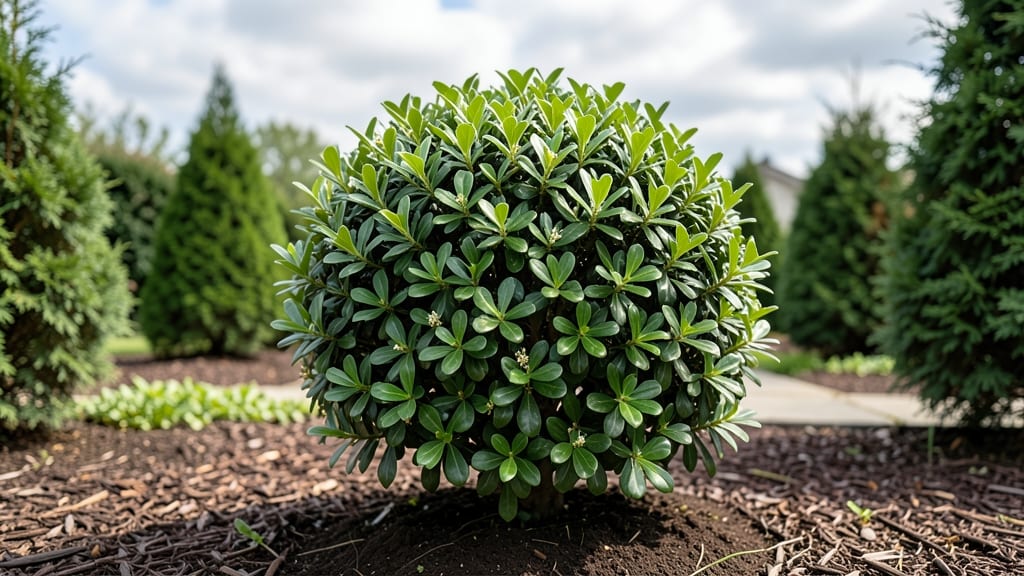
Your heart leaf tree’s lush, year-round foliage starts with smart pruning. ✂️ I’ve learned the hard way that skipping this step means leggy growth and sparse leaves—so I’ve perfected a simple routine that keeps my trees full and healthy all year.
The key? Timing, technique, and knowing where to cut without harming the plant’s structure.
You’ll need sharp pruning shears (dull blades tear bark), a clean cloth for wiping tools, and a clear day to work—cloudy mornings are ideal to avoid stressing the tree. Focus on removing dead branches first, then shape the tree by cutting just above a leaf node at a 45-degree angle.
This encourages new growth in the right places, not just random shoots.
After pruning, your tree will bounce back with fresh, vibrant leaves within 4-6 weeks. The best part? You can prune anytime except late fall—no more worrying about seasonal timing. For indoor varieties like Aucuba japonica, keep it even lighter, just enough to maintain shape and airflow.
Common mistakes? Over-pruning in one session or cutting too close to the trunk. Start small, and watch your heart leaf tree thrive with minimal effort. Whether it’s your outdoor hedge or a potted Ilex crenata, these secrets work for any variety.
📚 In This Guide
- What you need
- Instructions
- Tips and common mistakes
- Wrapping up and next steps
What you need
- ● Pruning shears: Bypass pruners (sharp, 5-7" blades) for clean cuts on small branches. Anvil pruners (for thicker branches, but avoid crushing stems).
- ● Loppers: 8-10" bypass loppers for branches ½–1½ inches thick.
- ● Pruning saw: Curved-tooth handsaw (for branches >1½" thick).
- ● Gloves: Heavy-duty, cut-resistant (heart leaf trees have thorns!).
- ● Disinfectant: 70% isopropyl alcohol or rubbing alcohol to sterilize tools between cuts (prevents disease spread).
- ○ Pruning sealant (optional but helpful): Tree wound dressing (like Tanglefoot Tree Wound Pruning Sealer) for large cuts >½" in diameter.
- ● Ladder or step stool: Sturdy, extendable (reach branches safely—heart leaf trees can grow 10–15 feet tall).
- ● Trash bags or bucket: For collecting clippings (compost or dispose of diseased branches immediately).
- ● Hand pruners: For tiny twigs (1/8–¼" thick).
- ● Pole saw: Extendable saw for high branches (if no ladder is safe).
- ● Safety glasses: Protect your eyes from sawdust or flying debris.
- ● Marking spray: Water-soluble paint to tag branches for removal (useful for large-scale pruning).
- ● Knee pads: For ground-level shaping (if your tree is a shrub form).
Instructions for pruning heart leaf trees
Here's how to keep your heart leaf tree lush and thriving year-round with simple, effective pruning.
✂️ Step 1: Time Your Pruning for Best Results
Prune your heart leaf tree in early spring before new growth begins—that's when it recovers fastest. You can also do light shaping in late winter if needed, but avoid heavy cuts then. I skip summer pruning unless removing dead leaves, as the tree focuses energy on growth rather than healing wounds. For fall, only trim damaged branches to prevent winter stress.
Watch for the tree's natural growth cycle: when you see fresh pale green buds forming along branches, that's your signal to prune. Never cut into active blooms or new leaves—they're the tree's energy reserves. If you miss spring, wait until late summer for minor adjustments, but avoid pruning after mid-August in most climates.
✂️ Step 2: Gather the Right Tools and Safety Gear
Use sharp, clean pruning shears (for branches under ¼ inch thick) and loppers (for ¼ to 1½ inch branches). A pruning saw handles anything thicker. Sterilize your tools with rubbing alcohol between cuts to prevent disease spread. I keep a small spray bottle of alcohol handy for quick clean-ups in the field.
Wear gloves—heart leaf trees have small but sharp thorns that grab easily. A long-sleeve shirt protects against scratches, and safety glasses shield your eyes from falling debris. Work on a dry day; wet branches slip and make cuts harder to control. If your tree is near power lines, call your utility company first—some heart leaf varieties grow tall quickly.
✂️ Step 3: Remove Dead, Diseased, or Crossing Branches First
Start by cutting out dead wood (branches that snap easily or have no green beneath the bark) and diseased branches (mushy spots, black streaks, or oozing sap). Make clean cuts at a 45-degree angle just outside the branch collar—the swollen area where the branch meets the trunk. This ensures the tree seals the wound properly and prevents rot.
Next, remove crossing branches where two limbs rub together. These create wounds that invite pests and disease. If two branches grow too close, cut the smaller one at its base. Never leave stubs—always cut back to the branch collar. I like to step back after each cut to check the tree's natural shape; sometimes removing one branch reveals another that needs attention.
✂️ Step 4: Shape the Tree for Airflow and Light
Thin out the inner canopy to let light reach the center—heart leaf trees grow dense foliage that can block sunlight from lower branches. Aim to remove 20-30% of the smallest branches first, focusing on those growing inward. This prevents a "mushroom shape" where the top stays thick while the bottom goes bare.
Step back often to visualize the tree's silhouette. You want an open, vase-like shape with branches spaced evenly. Avoid cutting more than ¼ of the tree's total foliage in one session—this stresses the plant. If you're unsure, take a photo first, then compare your cuts to the original shape. Prune gradually over 2-3 years for the best long-term results.
⏰ Step 5: Clean Up and Monitor Recovery
After pruning, collect all debris and dispose of it—never leave branches on the ground, as they can harbor pests. Sterilize your tools again with alcohol to prevent cross-contamination. Water the tree deeply to help it recover, especially if you made large cuts. I give mine 1-2 gallons of water at the base, focusing on the root zone.
Watch for new growth in 4-6 weeks—this means the tree is healing well. If you see yellowing leaves or stunted growth, you may have pruned too aggressively. Heart leaf trees are resilient, but they signal stress with dropping leaves or blackened branch tips. In that case, reduce watering slightly and avoid fertilizing until new growth appears.
Tips & tricks for perfect heart leaf tree pruning
A few simple tricks that'll help your heart leaf tree stay healthy and beautiful all year long.
Timing is Everything: I can't stress enough how important it is to prune during those early spring pale green bud stages. This is when your tree is naturally preparing for new growth, so it can recover faster. If you see buds forming but haven't pruned yet, don't wait—those buds are your tree's energy reserves. I've seen trees recover beautifully from spring pruning, but summer cuts often lead to stress and stunted growth. If you miss spring, late summer is your second chance, but only for minor adjustments.
Tool Maintenance Matters: Your pruning shears and loppers should be sharper than a chef's knife—dull tools crush branches instead of making clean cuts. I keep rubbing alcohol in a spray bottle right next to my tools and sterilize between every 3-4 cuts, especially when dealing with diseased branches. This prevents spreading infections. Also, make sure to use the right tool for the job: shears for thin branches, loppers for medium, and a pruning saw for anything thicker than 1½ inches. Using the wrong tool can damage both your tree and your hands.
Visual Cues for Perfect Cuts: When making cuts, look for that swollen area called the branch collar where the branch meets the trunk. That's your target spot—cut just outside it at a 45-degree angle. I like to visualize an upside-down triangle when making my cuts: the base of the triangle is the branch collar, and the point is where I make my cut. This helps prevent leaving stubs, which can trap moisture and lead to rot. And remember, always cut back to the branch collar, never inside it.
Gradual Shaping Wins: The instructions mention aiming for an open, vase-like shape, but I've learned the hard way that you can't rush this. If you remove more than 25% of the foliage in one session, your tree will struggle to recover. Instead, I recommend taking photos before you start, then working in stages over 2-3 years. This gives your tree time to adjust while still achieving that beautiful, balanced silhouette. You'll notice the difference in how quickly new growth appears when you prune gradually.
Pro Tips for Heart Leaf Tree
- A few simple tricks that'll help your heart leaf tree stay healthy and beautiful all year long.
- Timing is Everything: I can't stress enough how important it is to prune during those early spring pale green bud stages.
- Tool Maintenance Matters: Your pruning shears and loppers should be sharper than a chef's knife—dull tools crush branches instead of making clean cuts.
Frequently asked questions
Got questions about keeping your heart leaf tree (Ilex crenata) lush and thriving? Here are some of the most common concerns—plus expert tips to tackle them like a pro!
When is the best time to prune a heart leaf tree?
The ideal time is late winter or early spring (before new growth starts), but you can also prune lightly after flowering (spring) or in early summer. Avoid heavy pruning in fall—it can stimulate tender new growth that might not survive winter. For shaping, light trims year-round work best!
How much can I trim back without harming the tree?
Heart leaf trees are highly resilient—you can safely remove up to 1/3 of the foliage in a single pruning session. For dramatic reshaping, spread cuts over 2-3 years to avoid stress. Never remove more than 1/3 in one go, even if the tree looks overgrown!
Why are my leaves turning brown or yellow after pruning?
Brown/yellow leaves usually mean over-pruning or stress. If it happens right after trimming, you may have cut too aggressively. Water deeply and avoid fertilizing for 4-6 weeks. If the issue persists, check for pests (like spider mites) or fungal diseases—pruning wounds can invite trouble if tools weren’t sterilized!
Can I shape a heart leaf tree into a topiary or hedge?
These trees are perfect for topiary due to their dense, glossy foliage. Use sharp pruning shears for clean cuts and train branches with soft ties if needed. For hedges, prune 2-3 times per year to maintain height. Pro tip: Wear gloves—this tree’s leaves can be sharp!
What should I do if my heart leaf tree has pests or diseases?
Common issues include scale insects, aphids, or powdery mildew. Start by hosing off pests with water, then treat with neem oil or insecticidal soap. For mildew, improve airflow and prune for sunlight exposure. Always sterilize tools with rubbing alcohol between cuts to prevent spreading problems.
Wrapping up and next steps
The heart leaf tree thrives with the right care, and now you’re equipped with the knowledge to keep it lush and healthy year-round! 🌿 From seasonal pruning tips to troubleshooting common issues, this guide ensures your tree stays vibrant and full of life.
Whether you’re a gardening novice or a seasoned pro, a little attention goes a long way.
Ready to put your new skills to the test? Grab your pruners, mark your calendar, and give your heart leaf tree the love it deserves! Your efforts will reward you with stunning foliage and a garden you can be proud of. Happy pruning! ✂️💚