
Planting
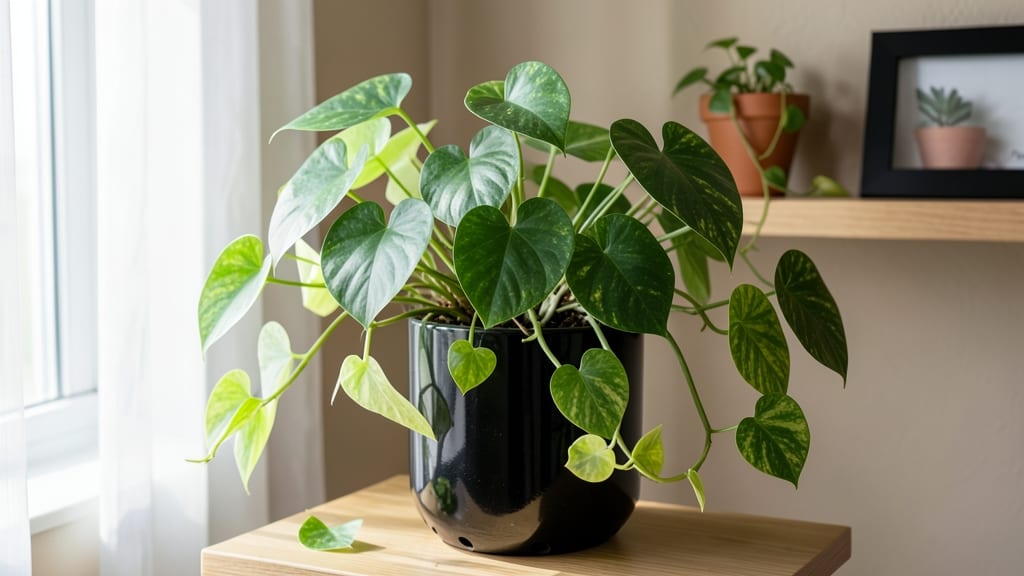
A heart-shaped leaf plant identification can transform any garden or home into a living work of art. 🌿 Whether it's the glossy foliage of a Philodendron or the delicate fronds of a Heuchera, these plants add instant charm to your space.
The challenge? Telling them apart when they all share that signature shape. Start by checking leaf texture—some are waxy and smooth (like Coleus), while others have fuzzy undersides (think of certain ferns). Then look at the edges: jagged, lobed, or perfectly smooth?
A quick glance at the plant's growth habit (trailing, bushy, or upright) narrows it down fast. I’ve seen beginners mix up Heuchera with Hosta, but the key is the leaf’s thickness and the plant’s overall structure. Once you’ve got the ID right, caring for them becomes a breeze.
Heart-leaf plants often thrive in bright, indirect light and well-draining soil, though some—like the Philodendron—adapt to low light surprisingly well. The worst mistake? Overwatering, which turns those pretty leaves yellow faster than you can say "pest problem." Confused between two similar plants?
Snap a photo and compare it side by side with the descriptions. Most heart-leaf plants share care basics, so once you’ve got the ID, you’re already halfway to keeping them happy.
The Real Culprits Behind Leaf Shape
Heart-shaped leaves aren’t always a sign of a specific plant—sometimes, they’re a reaction to your plant’s environment or care routine. Understanding the why behind these changes helps you troubleshoot and keep your greenery thriving. Let’s break down the most common reasons your plant might be sporting unexpected heart-shaped leaves.
Some plants are born with heart-shaped leaves—it’s just their natural design! If you’ve identified your plant as a Heuchera (Coral Bells), Coleus, or Sweet Potato Vine (Ipomoea batatas), those leaves are genetically programmed to resemble hearts, lobes, or scalloped edges.
These shapes are part of the plant’s morphological identity, influenced by: - Species traits: Certain families (like Lamiaceae or Oxalidaceae) have heart-shaped leaves as a standard feature. - Hybridization: Breeders often select for unique leaf shapes, like the deeply lobed leaves of Heuchera ‘Palace Purple’ or the rounded, almost heart-like foliage of Coleus ‘Black Dragon’. - Juvenile vs. mature growth: Young plants may start with smaller, simpler leaves that evolve into more complex (or heart-shaped) forms as they age.
Pro Tip: 💡 If your plant’s leaves are consistently heart-shaped and healthy, celebrate its natural beauty—no intervention needed!
Too much or too little light can warp leaf development, leading to abnormal shapes, curling, or even heart-like distortions. Here’s how it happens:
| Light Issue | Effect on Leaves | How to Fix It |
|---|---|---|
| Excessive sunlight (scorching) | Leaves may develop thickened, cupped, or lobed edges (like a sunburnt heart shape). | Move to bright, indirect light (e.g., east-facing window) or use sheer curtains. |
| Leggy, etiolated growth (too little light) | Leaves grow larger, thinner, and more spaced out, sometimes with irregular lobes or heart-like gaps. | Relocate to a brighter spot or supplement with a grow light (12–16 hours/day). |
| Sudden light changes (e.g., moving indoors after summer) | Leaves may revert to juvenile shapes, including heart-like forms, as the plant adjusts. | Gradually acclimate with dappled shade for 1–2 weeks. |
Warning Sign: 🌡️ If leaves feel leathery, crispy, or pale, light stress is likely the culprit. Adjust before permanent damage occurs!
Water affects cell turgor pressure—when roots struggle to supply moisture, leaves can pucker, distort, or develop uneven edges, mimicking a heart shape. Common scenarios:
- Overwatering: - Symptoms: Leaves may appear swollen at the base with drooping or lobed tips (like a wilting heart). - Why? Root rot disrupts nutrient uptake, causing abnormal growth patterns. - Fix: Let the top 1–2 inches of soil dry out between waterings.
Use a well-draining mix with perlite or orchid bark.
- Underwatering:
- Symptoms: Leaves may curl inward at the edges, creating a heart-like cup shape as they conserve moisture.
- Why? Cells lose turgor, leading to stunted, thickened growth.
- Fix: Water deeply when the top 50% of soil is dry, and use a self-watering pot for consistency.
Pro Tip: ✨ Bottom-watering (placing the pot in a tray of water) helps prevent overwatering while ensuring even moisture distribution.
Plants are sensitive to sudden temperature swings or low humidity, which can trigger stress responses—including distorted leaf growth. Examples:
- Cold Drafts:
- Effect: Leaves near drafty windows or AC vents may develop thickened, heart-shaped edges as a protective measure.
- Fix: Keep plants away from vents and avoid placing them near sliding glass doors in winter.
- High Heat:
- Effect: In dry, hot conditions, leaves may curl or split, creating a lobed, heart-like appearance.
- Fix: Increase humidity with a pebble tray or humidifier, and mist leaves early in the day to prevent fungal issues.
- Humidity Dips:
- Effect: Low humidity (below 40%) can cause leaf edges to crisp or pucker, resembling a dried-out heart shape.
- Fix: Group plants together or use a humidity dome for tropical varieties like Coleus or Sweet Potato Vine.
Warning Sign: 🔥 If leaves feel dry or papery, humidity is likely the issue. Group plants or use a spray bottle for quick relief.
Lack of key nutrients can stunt leaf development, leading to smaller, simpler, or heart-shaped leaves. Common deficiencies:
| Nutrient | Symptoms | Solution |
|---|---|---|
| Nitrogen (N) | Leaves are small, yellowing, and heart-shaped (old leaves first). | Use a balanced fertilizer (10-10-10) or fish emulsion. |
| Magnesium (Mg) | Yellow patches between veins, leaves may cup or distort. | Apply Epsom salt (1 tbsp/gallon of water) monthly. |
| Potassium (K) | Weak stems, curled edges, leaves may develop irregular lobes. | Feed with a banana peel tea or potassium-rich fertilizer. |
Pro Tip: 💪 Test your soil with a DIY kit before fertilizing—overdoing it can cause leaf burn, which looks worse than a deficiency!
Certain pests or diseases feed on leaf tissue, causing uneven growth that can mimic heart-shaped distortions:
- Spider Mites:
- Effect: Their feeding patterns create stippled, lobed, or cupped leaves (like a heart with "bites" taken out).
- Fix: Spray with neem oil or water blast the undersides of leaves.
- Aphids:
- Effect: Curling and puckering of new growth, leading to abnormal shapes.
- Fix: Wipe leaves with soapy water or introduce ladybugs for natural control.
- Fungal Infections (e.g., Powdery Mildew):
- Effect: White, crusty patches can distort leaf edges, making them appear lobed or heart-like.
- Fix: Improve air circulation and spray with baking soda solution (1 tsp/L water).
Pro Tip: 🔍 Inspect leaves daily—early pest detection prevents permanent leaf shape damage!
Quick fixes for heart-leaf plants
If your heart-shaped leaf plants (like philodendrons, coleus, or heartleaf philodendrons) are struggling, don’t panic—most issues have simple solutions! Below are practical fixes tailored to common problems, along with prevention tips to keep your plants thriving. 🌿✨
Cause: Soggy soil, compacted roots, or a lack of airflow. Fix:
- Let the soil dry out between waterings—stick your finger 1–2 inches deep; if damp, wait.
- Repot in well-draining soil (mix potting soil with perlite or orchid bark).
- Check the pot—if it has no drainage holes, transfer to one that does.
- Trim yellow leaves at the base to redirect energy to healthy growth.
💡 Pro Tip: Use a moisture meter or a terra-cotta pot (evaporates excess moisture faster).
Cause: Dry air, inconsistent watering, or harsh sunlight. Fix:
- Water deeply when the top inch of soil feels dry—avoid light sprinkles.
- Group plants together to boost humidity or use a pebble tray with water.
- Mist leaves 2–3 times a week (especially in dry climates).
- Move to indirect light—direct sun burns tender leaves.
✨ Prevention: Place a humidifier nearby or grow near a kitchen sink (steam helps!).
Cause: Stretching toward windows or pale, sparse leaves. Fix:
- Rotate the plant weekly to ensure even light exposure.
- Move to brighter indirect light (east or north-facing windows work well).
- Prune leggy stems to encourage bushier growth—cut just above a leaf node.
- Supplement with grow lights if natural light is limited (12–14 hours/day).
🎯 Quick Fix: Pinch back new growth to prompt denser foliage.
Cause: Dry air, stressed plants, or poor hygiene. Fix:
- Isolate the plant to prevent spreading.
- Wipe leaves with a damp cloth and mild soapy water (neem oil spray works too).
- Spray with insecticidal soap (follow package instructions).
- Introduce beneficial insects like ladybugs for natural control.
🔥 Prevention: Inspect new plants before bringing them home and quarantine for a week.
Cause: Overwatering, poor drainage, or fungal buildup. Fix:
- Remove the plant from the pot and trim black, mushy roots with sterilized scissors.
- Repot in fresh, dry soil with perlite or sand for aeration.
- Water sparingly until roots recover (wait until soil is bone-dry).
- Add fungicide (like hydrogen peroxide 3%) to water if rot persists.
💡 Pro Tip: If the roots are severely damaged, propagate healthy stems in water first.
Cause: Lack of fertilizer or depleted soil. Fix:
- Use a balanced liquid fertilizer (10-10-10 or 20-20-20) every 4–6 weeks in spring/summer.
- Feed lightly in fall/winter—growth slows naturally.
- Avoid over-fertilizing—white crust on soil or leaf burn means too much!
📊 Prevention: Refresh topsoil annually or use slow-release granules.
✅ Water wisely—dry soil > soggy soil. ✅ Monitor light—bright but indirect is ideal. ✅ Prune regularly—trim dead leaves and leggy stems. ✅ Inspect monthly—catch pests early! ✅ Rotate occasionally—even light exposure = balanced growth.
With these fixes, your heart-shaped leaf plants will bounce back in no time. Happy growing! 🌟🌿
Frequently asked questions
What are the most common plants with heart-shaped leaves?
The top 5 plants you’ll encounter with heart-shaped leaves are Philodendron hederaceum (heartleaf philodendron), Coleus varieties, Heuchera (coral bells), Sweet Potato Vine, and Hosta. The key difference? Philodendrons have glossy, waxy leaves, while Heuchera often has textured or hairy foliage.
How do I tell the difference between a Philodendron and a Pothos?
Both have heart-shaped leaves, but Pothos (Epipremnum aureum) grows longer vines with satiny leaves and often has yellow or white variegation. Philodendrons typically have shorter petioles (leaf stems) and more glossy, upright growth. Check the leaf edges too—Pothos leaves are usually smoother.
Why do some heart-leaf plants develop yellow edges?
Yellow edges usually signal overwatering or nutrient burn. If the yellowing starts at the tips, it’s often fluoride sensitivity (common in tap water). For Heuchera, it might indicate low light stress. Always check soil moisture first—heart-leaf plants prefer slightly dry soil between waterings.
Can I grow heart-shaped leaf plants outdoors?
Many can! Heuchera and Hosta thrive outdoors in shaded garden beds, while Sweet Potato Vine loves full sun and makes a great ground cover. Tropical varieties like Philodendron need protected environments—bring them indoors if night temps drop below 50°F. Always acclimate gradually to avoid shock.
What’s the easiest way to propagate heart-leaf plants?
For Philodendron or Pothos, simply snip a 4–6 inch stem with at least 2 leaves and place it in water. Roots appear in 2–3 weeks. Coleus can be propagated by stem cuttings in soil, keeping it lightly moist. Heuchera divides easily—gently separate the crown in spring. Always use sterilized scissors to prevent disease.