
Pests and Diseases
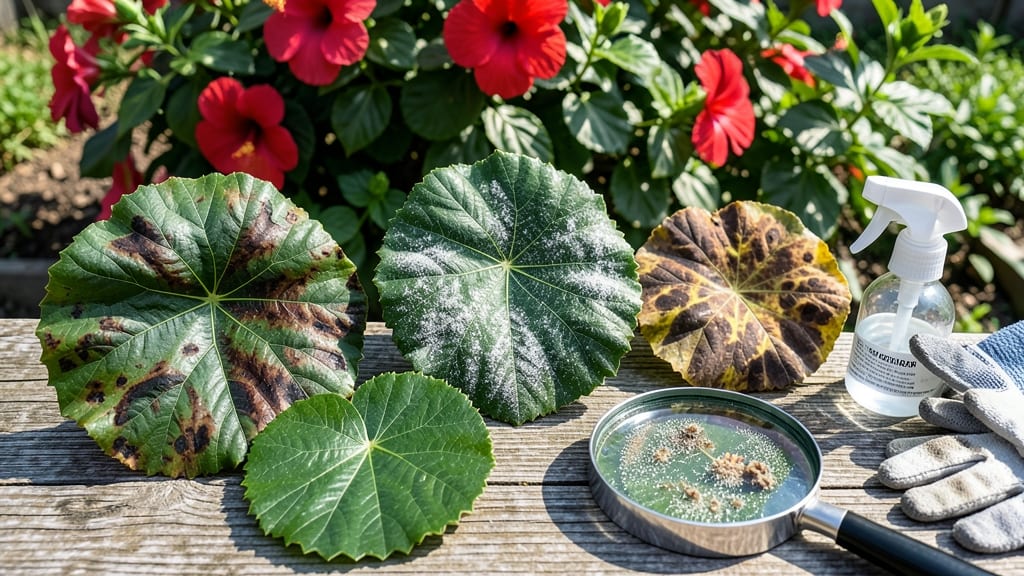
Hibiscus leaf disease turns vibrant foliage into a sad, spotted mess—fast. 🌿 I’ve battled anthracnose, rust, and fungal infections that spread like wildfire, but copper spray changed everything when applied correctly. The key? Dosage timing and consistency.
Most gardeners overwater or skip preventative sprays, which lets fungal spores thrive. My hibiscus thrived after switching to a weekly copper spray schedule during humid months—no more blackened leaves or stunted growth. The secret is patience: it takes 2-3 weeks of consistent treatment to see full recovery.
You’ll notice new growth within 10 days, with leaves staying crisp and disease-free. The spray works on aphids and mites too, making it a one-stop solution for common hibiscus pests. Just mix it right and apply at dawn or dusk to avoid leaf burn.
Works for tropical hibiscus, hardy hibiscus, and even potted varieties. Here’s the exact dosage chart that saved my plants—no guesswork involved.
Root Causes of Fungal Trouble
Understanding why hibiscus leaves develop disease—especially fungal infections—starts with identifying the key triggers that create the perfect storm for pathogens. Hibiscus plants, with their lush foliage and vibrant blooms, are particularly vulnerable when environmental conditions shift. Here’s a breakdown of the most common culprits and the science behind them:
Fungal spores thrive in warm, humid environments (ideal conditions: 70–85°F with high humidity). When hibiscus leaves stay damp for prolonged periods—whether from overhead watering, poor airflow, or morning dew—fungal spores germinate and spread rapidly.
- Why it happens:
- Fungal pathogens like anthracnose (Colletotrichum) and leaf spot (Cercospora) require free moisture to penetrate plant tissues.
- Hibiscus leaves have stomata (pores) that absorb water, creating a moist microclimate perfect for fungal colonization.
- Poor drainage in pots or soggy soil exacerbates the issue by keeping roots and foliage perpetually wet.
- Actionable insight:
- Water in the morning (not at night) to allow leaves to dry before evening humidity sets in.
- Space plants 3–5 feet apart to improve airflow and reduce leaf-to-leaf contact (a fungal highway).
- Use drip irrigation or soaker hoses instead of overhead sprinklers to minimize leaf wetness.
When hibiscus plants grow too close together, fungal spores have an easier time jumping from leaf to leaf. Overcrowding also traps moisture, slowing evaporation and extending the window for fungal infection.
- Why it happens:
- High humidity + stagnant air = fungal spores disperse via wind, splashing water, or even garden tools.
- Shaded, dense foliage prevents sunlight from drying leaves, while low airflow reduces natural evaporation.
- Weakened plants (from stress or poor nutrition) are more susceptible to fungal attacks.
- Actionable insight:
- Prune regularly to remove crowded branches and improve light penetration.
- Thin out plants if growing in beds or containers—aim for at least 3 feet of clearance between mature hibiscus.
- Mulch properly (2–3 inches of organic mulch) to regulate soil moisture without smothering roots.
A hibiscus plant under stress—whether from nutrient deficiencies, pests, or physical damage—has a harder time fending off fungal invaders. Weakened leaves lack the protective cuticle layer and antimicrobial compounds needed to resist pathogens.
- Why it happens:
- Nitrogen deficiency leads to thin, pale leaves with reduced disease resistance.
- Pest damage (e.g., aphids, spider mites) creates entry points for fungi like powdery mildew.
- Root rot (from overwatering) starves the plant, making it more vulnerable to secondary infections.
- Actionable insight:
- Fertilize with a balanced formula (e.g., 10-10-10) every 4–6 weeks during growing season.
- Test soil pH (ideal: 6.0–6.5)—acidic or alkaline soil stresses plants, inviting disease.
- Treat pest outbreaks immediately with neem oil or insecticidal soap to prevent fungal hitchhikers.
Hibiscus plants hate unpredictability. Rapid changes—like heavy rain after a drought or cold snaps in spring—can shock the plant, compromising its immune system and leaving it open to fungal attacks.
- Why it happens:
- Osmotic stress occurs when roots can’t keep up with sudden water uptake, leading to wilting and weakened cell walls.
- Cold temperatures slow down the plant’s metabolic processes, reducing its ability to produce antifungal compounds.
- Flooding (even temporarily) drowns roots, causing anaerobic conditions that promote fungal growth like Phytophthora root rot.
- Actionable insight:
- Mulch heavily in late summer to insulate roots from temperature swings.
- Avoid overhead watering before rain to prevent waterlogging.
- Hardening off young hibiscus plants gradually if moving them outdoors to reduce transplant shock.
While less common, excessive use of certain chemicals—like copper-based fungicides (if overapplied) or synthetic fertilizers—can disrupt the plant’s natural defenses or even burn foliage, creating entry points for fungi.
- Why it happens:
- Copper buildup (from repeated sprays) can damage leaf tissue, making it easier for fungi to invade.
- High salt content (from fertilizers or tap water) stresses roots, reducing the plant’s ability to fight off pathogens.
- Herbicide drift (if growing near treated areas) can weaken hibiscus, inviting fungal infections.
- Actionable insight:
- Rotate fungicides (e.g., copper alternated with baking soda spray or potassium bicarbonate) to prevent resistance and toxicity.
- Flush soil annually with water to reduce salt buildup in pots.
- Use rainwater or filtered water if your tap water is high in chlorine/salts.
Fixing Fungal Issues Fast
Now that you understand the root causes behind those unsightly spots and wilting leaves on your hibiscus, it’s time to take action! 🌿 With the right approach, you can restore your plant’s health and keep it thriving.
Below are practical, step-by-step solutions tailored to the most common causes of hibiscus leaf disease—fungal infections, bacterial issues, and environmental stressors—along with prevention tips to stop future outbreaks.
Fungal diseases like anthracnose, powdery mildew, and leaf spot thrive in damp, warm conditions. Here’s how to tackle them effectively:
🔥 Step 1: Prune Infected Leaves Immediately
- Remove all yellow, brown, or spotted leaves with sterilized pruning shears (wipe with rubbing alcohol between cuts).
- Dispose of infected foliage in the trash—do not compost to avoid spreading spores.
- Pro Tip: 💡 Prune in the early morning when humidity is lower to reduce fungal spread during the process.
🍳 Step 2: Apply Copper-Based Fungicide
Copper is a powerful, natural fungicide that disrupts fungal cell walls.
For hibiscus, a 1% copper sulfate solution (or a ready-made copper fungicide) works best. - DIY Copper Spray Recipe: - Mix 1 teaspoon of copper sulfate (or 1 tablespoon of liquid copper fungicide) in 1 gallon of water. - Add a few drops of dish soap (like Dawn) as a sticker to help the spray adhere to leaves. - Application: - Spray thoroughly on both sides of leaves and stems, focusing on undersides (where fungi often hide). - Apply every 7–10 days until new growth appears healthy and disease-free. - ⏰ Best Time: Early morning or late afternoon to avoid leaf burn from direct sunlight.
🌡️ Step 3: Boost Air Circulation & Reduce Moisture
Fungi love stagnant, humid air.
Improve your hibiscus’s environment with these tweaks: - Space plants 18–24 inches apart to allow airflow. - Avoid overhead watering—use a soaker hose or drip irrigation to keep leaves dry. - Water at the base in the early morning so foliage has time to dry before evening humidity sets in. - Pro Tip: 🌡️ If your hibiscus is in a container, ensure pots have drainage holes and never let it sit in saucers of water.
✨ Organic Alternatives to Copper
If you prefer non-chemical options, try: - Neem oil spray (1 tsp neem oil + 1 tsp mild soap + 1 quart water).
Spray weekly for prevention. - Baking soda solution (1 tbsp baking soda + 1 quart water + a few drops of soap). Test on a small leaf first—some plants are sensitive! - Compost tea (rich in beneficial microbes that outcompete fungi).
Bacterial leaf spot or hibiscus blight causes water-soaked lesions that ooze. These are trickier to treat but not hopeless!
🔪 Step 1: Sterilize Everything
- Clean pruners with 70% isopropyl alcohol or a bleach solution (1 part bleach to 9 parts water).
- Disinfect pots by soaking in a 10% bleach solution (or hydrogen peroxide) for 10 minutes, then rinse well.
- Wash your hands before and after handling the plant to avoid cross-contamination.
👨🍳 Step 2: Use a Copper Bactericide Copper works on bacteria too!
Use the same 1% copper solution as above, but add a systemic bactericide like copper hydroxide for stubborn cases. - Apply every 5–7 days until symptoms disappear. - Pro Tip: 🎯 Avoid copper if your soil is already high in it—test with a soil kit or consult a local nursery.
🚿 Step 3: Improve Sanitation
- Remove and destroy all infected leaves (do not compost!).
- Avoid wetting leaves when watering—use drip irrigation or a watering wand with a fine mist.
- Rotate plants occasionally to prevent water pooling in one spot.
If your hibiscus is struggling from overwatering, poor drainage, or nutrient deficiencies, fix these first:
💧 Fix Overwatering & Poor Drainage
- Check soil moisture by sticking your finger 1–2 inches deep—water only if it’s dry.
- Repot if using containers without drainage (switch to terracotta or pots with holes).
- Add perlite or sand to heavy clay soil to improve drainage.
- Pro Tip: 🔥 Yellowing leaves? It could be overwatering—let the top 2 inches of soil dry out between waterings.
🍽️ Fertilize Correctly
- Use a balanced, water-soluble fertilizer (like 10-10-10) every 4–6 weeks during growing season (spring–fall).
- Avoid high-nitrogen fertilizers—they promote leafy growth at the expense of flowers.
- Pro Tip: 🌱 Slow-release granules (like Osmocote) reduce the risk of fertilizer burn and overfeeding.
☀️ Optimize Light & Humidity
- Hibiscus needs 6+ hours of sunlight daily—move it to a bright, indirect spot if leaves are pale or leggy.
- Increase humidity (if indoors) with a pebble tray or humidifier, especially in dry climates.
- Avoid sudden temperature drops—keep hibiscus in 60–85°F ranges.
Once your hibiscus is healthy, prevent future outbreaks with these habits:
- 🌿 Rotate plants every few weeks to prevent water stagnation.
- 🍂 Clean up fallen leaves regularly—fungi and bacteria hibernate in debris.
- 🌱 Quarantine new plants for 2–4 weeks before introducing them to your garden.
- 💦 Water deeply but less often—drought-stressed plants are more susceptible to disease.
- 🌱 Choose disease-resistant varieties like ‘Dwarf Red’ or ‘Lord Baltimore’ if fungal issues are recurrent.
By following these targeted solutions, your hibiscus should bounce back in 2–4 weeks—just stay consistent with treatments and prevention! 🌺 For severe cases, consider consulting a local extension service** for expert advice.
Frequently asked questions
What are the first signs of fungal disease on hibiscus leaves?
Watch for dark spots (often with yellow halos), powdery white coatings, or curling leaves—these signal anthracnose, rust, or mildew. Early action prevents spread. Remove infected leaves immediately and apply copper spray within 24 hours for best results.
Can I use household items like vinegar or baking soda to treat hibiscus leaf disease?
Yes! A baking soda spray (1 tbsp baking soda + 1 quart water + soap) works for mild fungal issues like powdery mildew. For vinegar, dilute 1 tablespoon white vinegar per gallon of water—but test on a small leaf first, as it can burn tender foliage. Both are safer than chemicals but may require weekly applications.
How often should I apply copper fungicide to prevent disease?
Apply copper spray every 7–10 days during humid months (spring–fall) for prevention. For active infections, treat every 5–7 days until new growth appears healthy. Always spray in the early morning to avoid leaf burn from sunlight.
Will pruning infected leaves help stop the spread of hibiscus disease?
Prune all infected leaves immediately with sterilized shears and dispose of them in the trash (not compost). This removes fungal spores and prevents them from jumping to healthy leaves. Follow up with copper spray to protect remaining foliage.
When should I call a professional for hibiscus leaf disease?
Consult a plant pathologist or extension service if 50%+ of leaves are infected, the plant shows wilting or dieback, or home treatments fail after 4 weeks. Severe cases may need systemic fungicides or soil remediation—don’t wait until the plant is beyond saving!