
Planting
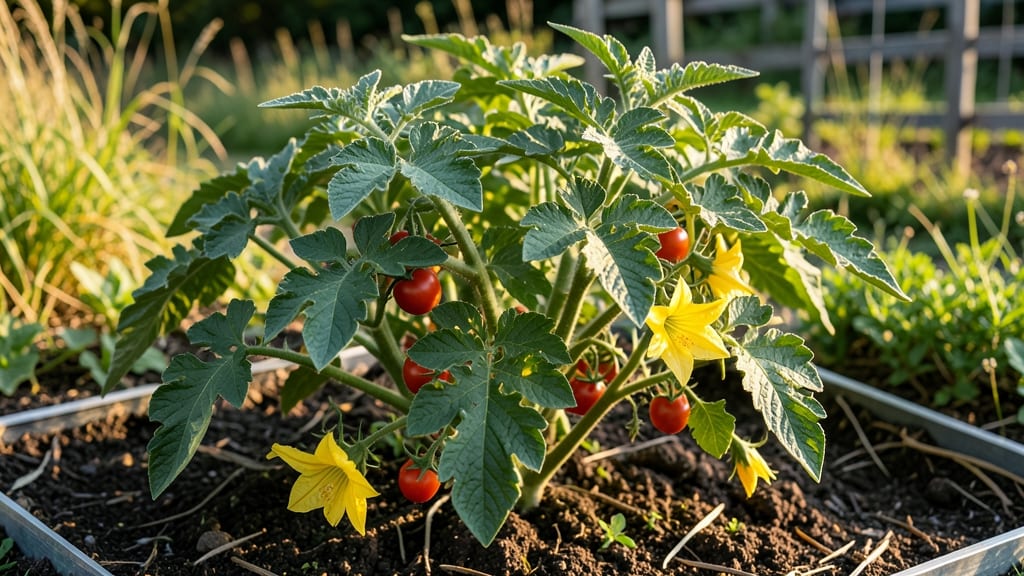
The Hillbilly Potato Leaf tomato isn't just another garden tomato—it's a cold-hardy perennial that thrives where most varieties fail. 🌱 With its striking potato-like leaves and bold, beefsteak-sized fruits, it's the plant that turns heads and fills plates alike.
I fell in love with it after my first harvest: deep red, meaty tomatoes that stayed firm even when overripe, perfect for slicing or sauces.
This variety demands rich, well-draining soil and full sun (6+ hours daily), but it rewards patience with perennial growth—yes, it comes back year after year in zones 3-9.
Spacing plants 3-4 feet apart gives those massive leaves room to spread, while regular watering (1-2 inches per week) keeps roots happy without drowning them. Prune suckers early to focus energy on fruit production, and watch as vines stretch toward the sky.
What makes Hillbilly special? The flavor—sweet with a hint of smokiness—and the foliage, which looks like a cross between a potato plant and a tomato. Harvest when fruits are deep red and heavy, and you'll have tomatoes that taste like summer all season long.
Even in cooler climates, this plant delivers where others quit.
For beginners, start with one plant to master its quirks—it grows fast and needs space. Advanced gardeners can experiment with trellising to save space or let it sprawl for dramatic garden beds. Either way, you're growing a tomato that's as tough as it is delicious. Ready to try it?
📚 In This Guide
- What you need
- Instructions
- Tips and common mistakes
- Wrapping up and next steps
What you need
- ● Seeds or Seedlings: 3–5 Hillbilly Potato Leaf Tomato seeds (or 1–2 seedlings for a smaller patch). Look for heirloom or cold-resistant varieties.
- ● Well-Draining Soil: A mix of 60% topsoil, 30% compost, and 10% perlite/sand (or use raised beds for better drainage).
- ● Sunlight Spot: A location with full sun (6+ hours/day) or partial shade (4–6 hours) in hot climates.
- ● Watering Can or Hose: With a gentle spray nozzle to avoid disturbing roots.
- ● Mulch: Straw, wood chips, or leaves (2–3 inches thick) to retain moisture and regulate soil temp.
- ● Garden Trowel or Transplant Spade: For digging holes (6–8 inches deep for seedlings).
- ● Pruning Shears: Sharp, sterilized shears for trimming foliage or harvesting.
- ○ Support Stakes or Cages (Optional): 4–6 ft tall tomato cages or bamboo stakes if your plant grows tall.
- ● Fertilizer: Balanced organic fertilizer (e.g., 5-5-5 or compost tea) or slow-release granules.
- ○ Row Cover or Frost Blanket (Optional): For early/late seasons in colder zones (USDA Zones 3–10).
- ● 🌡️ Soil Temp Check: Wait until soil is at least 50°F (10°C) before planting seeds outdoors.
- ● ✨ Cold Hardiness Hack: Hillbilly tomatoes thrive in cooler temps—plant in early spring or late summer to avoid heat stress.
- ○ 📊 pH Test (Optional): Aim for a soil pH of 6.0–6.8 for optimal nutrient uptake.
Step-by-step guide to growing Hillbilly potato leaf tomatoes
Here's how to cultivate this striking, cold-tolerant variety with bold foliage that thrives where regular tomatoes fail.
🌱 Step 1: Select the Perfect Planting Location
Choose a spot with full sun exposure (6-8 hours daily) and well-draining soil. Hillbilly potatoes tolerate cooler temperatures than most tomatoes, but they still need warmth to set fruit. I always test my soil's drainage by digging a 12-inch hole, filling it with water, and watching how quickly it drains—if it takes more than an hour, amend with compost or sand.
This variety handles light frosts better than most, but avoid areas where water pools after rain. The dramatic foliage makes it a standout, but soggy roots will rot before you see those striking leaves develop. Amend heavy clay soil with 2-3 inches of compost to improve drainage and fertility. The plants will reward you with lush, potato-like leaves that make them a garden conversation piece.
🌿 Step 2: Plant After Last Frost When Soil Warms
Wait until soil reaches 60°F before planting, even though Hillbilly potatoes handle cooler temps better than most tomatoes. I check soil temperature with a simple thermometer inserted 4 inches deep in the morning. Plant seedlings 18-24 inches apart in rows spaced 3 feet apart to give the sprawling foliage room to develop.
Dig holes twice as wide as the root ball but no deeper. Gently remove the plant from its container, loosen any circling roots with your fingers, and place it in the hole so the top of the root ball sits level with the surrounding soil. The dramatic foliage emerges from a sturdy stem, so don't bury the stem too deeply—this prevents rot while allowing room for the plant's impressive growth habit.
☀️ Step 3: Provide Consistent Moisture and Fertility
Water deeply 1-2 times per week, aiming for 1-1.5 inches of water per week including rainfall. The bold foliage transpires heavily, so let the top 2 inches of soil dry out between waterings—this prevents blossom-end rot while keeping the plant vigorous. I use drip irrigation or soaker hoses to deliver water at the base, keeping leaves dry to prevent disease.
Feed with a balanced 10-10-10 fertilizer every 4-6 weeks starting when flowers appear. The dramatic foliage signals a healthy plant, but don't over-fertilize with nitrogen—this encourages leaf growth at the expense of fruit. You'll see the characteristic potato-like leaves develop within weeks, making this variety instantly recognizable in the garden.
✂️ Step 4: Prune for Airflow and Fruit Production
Remove suckers (side shoots) regularly to improve airflow and direct energy toward fruit production. The Hillbilly's sprawling habit benefits from pruning to maintain an open structure. I pinch off suckers larger than 3 inches and remove any yellow or diseased leaves immediately—the dramatic foliage makes problems obvious, so act quickly.
Support the plants with cages or stakes as they grow, especially if you experience heavy rain or wind. The bold leaves make this variety a garden showstopper, but the weight can cause stems to flop without support. You'll notice clusters of small, flavorful tomatoes forming among the foliage—harvest when they turn deep red for best flavor.
🌿 Step 5: Extend the Season with Cold Protection
This cold-hardy variety handles light frosts better than most tomatoes, but protect young plants with row covers if temperatures dip below 28°F. The dramatic foliage continues growing later into fall, often producing fruit until the first hard frost. I always leave plants in place until the ground freezes, as the roots may survive mild winters in zones 7-10.
In colder climates, dig up tubers after the first frost and store them in a cool, dark place for next year's planting. The Hillbilly's perennial nature means you'll get more dramatic foliage displays each season with minimal effort. With proper care, this variety rewards gardeners with both stunning leaves and productive harvests year after year.
Tips & tricks for perfect Hillbilly potato leaf tomatoes
Took me years to figure out how to coax these showstopping plants into their full glory—here's what actually works.
Soil Test First: That 6-8 hours of full sun is crucial, but drainage is even more important. I learned the hard way that soggy roots mean no dramatic foliage—just rot. Before planting, mix in 2-3 inches of compost if your soil drains slowly. The potato-like leaves won't develop if roots are waterlogged. Think of it as creating a sponge-like environment that holds moisture but drains freely.
Temperature Timing: The 60°F soil temperature threshold is non-negotiable for transplanting. I check mine with a simple soil thermometer at 4 inches deep in the morning—this is when roots are most active. If you rush and plant too early, you'll get stunted growth and weak stems that can't support those bold leaves. Trust me, the wait is worth it for that signature foliage.
Watering Wisdom: Those 1-1.5 inches of water per week should go directly to the base using drip irrigation or soaker hoses. Wet leaves invite disease, and the Hillbilly's dramatic foliage is particularly susceptible. I aim to keep only the top 2 inches of soil slightly dry between waterings—this prevents blossom-end rot while encouraging deep root growth that supports all that leafy drama.
Pruning Pro Tip: When you see suckers larger than 3 inches, pinch them off immediately. I do this every 2 weeks starting when plants hit 18 inches tall. The open structure from pruning improves airflow, which is critical for preventing fungal issues that can ruin those striking potato leaves. Think of it as sculpting the plant's shape while directing energy toward both foliage and fruit production.
Pro Tips for Hillbilly Potato Leaf Tomato Plant
- Took me years to figure out how to coax these showstopping plants into their full glory—here's what actually works.
- Soil Test First: That 6-8 hours of full sun is crucial, but drainage is even more important.
- Temperature Timing: The 60°F soil temperature threshold is non-negotiable for transplanting.
Frequently asked questions
about the hillbilly potato leaf tomato plant—because even the hardiest perennials come with questions! Here are answers to the most common ones:Is the hillbilly potato leaf tomato really cold-hardy?
The Solanum jasminoides (aka hillbilly tomato) is one of the few tomato varieties that can survive light frosts down to 15°F (-9°C) with proper mulching. However, it thrives best in USDA Zones 7-11. In colder zones, grow it in containers and move it indoors or under a hoop house during winter.
How long does it take to produce fruit?
Unlike annual tomatoes, this perennial can take 2-3 years to reach full fruiting potential. Expect small, cherry-sized orange-red tomatoes in late summer to fall once established. Patience pays off—its foliage is stunning even before fruiting!
Can I eat the tomatoes, or are they just for looks?
Yes! The fruit is edible and delicious—sweet, tangy, and slightly tart, perfect for salads or jams. However, the yield is modest compared to commercial varieties. Pro tip: Prune aggressively to boost fruit production and reduce disease risk.
What pests or diseases should I watch for?
Common issues include aphids, whiteflies, and tomato hornworms. For disease prevention, ensure good airflow and avoid overhead watering. If leaves yellow or wilt, check for early blight or root rot—remove affected parts immediately. Neem oil is a great organic remedy!
Can I grow this in containers, or does it need a garden bed?
This tomato does well in 5-gallon+ containers with proper drainage. Use a lightweight potting mix and fertilize regularly. Containers make it easier to protect from frost or move to optimal sunlight. Just ensure the pot is wide enough for its sprawling habit.
What’s the best way to overwinter it?
In colder climates, prune back the plant in late fall, then mulch heavily with straw or leaves. Move container-grown plants to a garage or shed (not freezing temps!). Resume care in spring with fresh soil and fertilizer for a rebound in growth.
Wrapping up and next steps
Growing a hillbilly potato leaf tomato plant is like adding a splash of rustic charm to your garden—it’s cold-hardy, dramatic, and packed with personality! 🌿 Whether you’re drawn to its bold foliage or the promise of homegrown tomatoes, this perennial gem rewards patience with beauty and bounty.
Now that you’re armed with the how-tos, FAQs, and supplies, it’s time to roll up your sleeves and plant with confidence.
Start small—try a single plant in a pot or a corner of your garden—and let your curiosity guide you. Before you know it, you’ll be sharing your harvest (or stunning leaves!) with neighbors, proving that even the hardiest plants thrive with a little love. Happy growing! 🌱