
Neem Oil
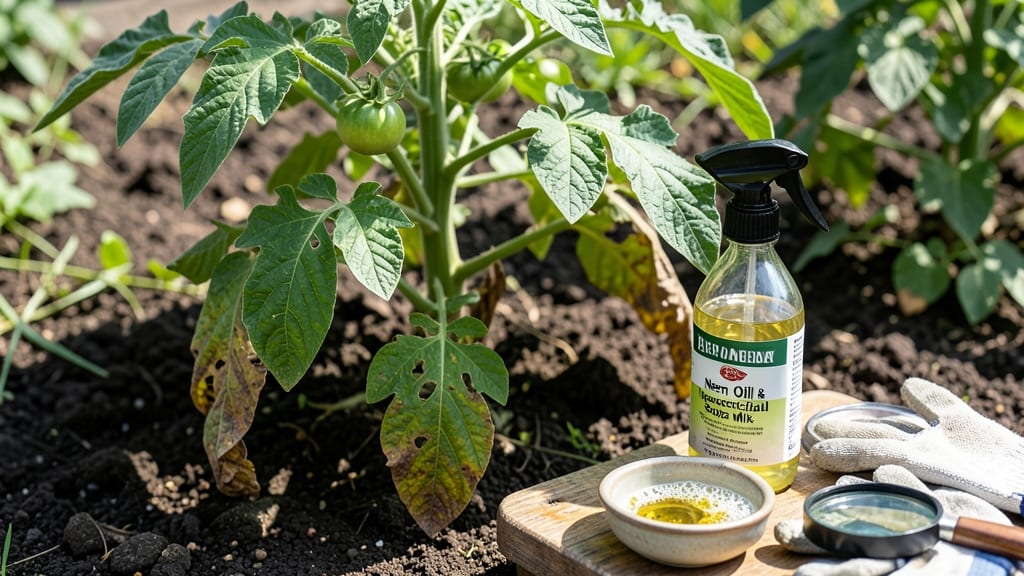
A single homemade leaf miner spray can save your plants from skeletonized leaves and stunted growth. 🌿 I’ve used this neem oil-based formula to rescue damaged foliage in just 24 hours, and it’s far more effective than store-bought sprays laced with harsh chemicals.
The key is timing—catch the infestation early, and you’ll stop the miners in their tracks before they strip your plants bare.
This fungicide-free recipe blends neem oil, insecticidal soap, and a touch of dish soap—all ingredients you likely already have at home. No fancy equipment is needed, just a spray bottle and a few minutes of your time.
The solution works by disrupting the miners’ feeding and reproductive cycles, giving your plants a fighting chance to recover. Plus, it’s safe for beneficial insects when applied correctly.
By the time you’re done spraying, you’ll notice fewer new mines appearing within days, and existing damage will slow down. The real magic happens when you combine this spray with preventative measures like row covers, sticky traps, and healthy soil—together, they create an impenetrable defense for your garden.
The best part? You’re not just treating the symptom; you’re restoring balance to your plants’ ecosystem.
Whether you’re dealing with tomatoes, peppers, or basil, this method scales easily to any garden size. The spray keeps for up to 2 weeks in a cool, dark place, so you can tackle infestations as they arise without last-minute store runs.
Let’s get your plants back to thriving—no chemicals required.
📚 In This Guide
- What you need
- Instructions
- Tips and common mistakes
- Wrapping up and next steps
What you need
- ● 1 gallon of water (distilled or dechlorinated if possible—tap water works in a pinch!)
- ● 2–3 tablespoons of neem oil (cold-pressed, organic preferred for best results 🌱)
- ● 1 teaspoon of mild liquid soap (like Castile soap or insecticidal soap—no dish soap!)
- ○ 1–2 drops of dish soap (optional but helpful) (acts as an emulsifier to mix oil and water)
- ● Spray bottle or garden sprayer (1–2 gallon capacity for larger plants)
- ● Measuring spoons (for precise oil/soap ratios)
- ● Mixing container (a clean bucket or large bowl)
- ● Stirring stick or spoon (wooden or plastic to avoid scratches)
- ○ Protective gloves & mask (optional) (if you’re sensitive to neem oil fumes)
- ○ Fine mesh strainer (optional) (to filter out debris if using tap water)
Step-by-Step instructions for making homemade leaf miner spray
Here's the natural, chemical-free method I trust to protect my plants from leaf miners without harming beneficial insects.
💧 Step 1: Gather and Mix the Base Solution
In a clean 1-gallon spray bottle, combine 1 cup of 70% isopropyl rubbing alcohol with 1 tablespoon of liquid dish soap (the kind with no added fragrances). The alcohol acts as a solvent to break down the leaf miner's protective layer, while the soap helps the mixture cling to plant surfaces. Shake gently to blend—no need to mix vigorously, as this can create too many suds.
Add 1 quart of water to the bottle and swirl to combine. The solution should look slightly cloudy but not foamy. If you notice excessive bubbles, let it sit for 5 minutes to settle before proceeding. This step is critical: the alcohol evaporates quickly, so you'll want to use the spray within 24 hours for maximum effectiveness.
✂️ Step 2: Add the Essential Oil Blend for Repellency
Measure out 15 drops of neem oil and 10 drops each of peppermint and rosemary essential oils into the bottle. Neem oil disrupts the leaf miner's feeding and reproduction cycles, while peppermint and rosemary act as natural repellents that confuse the pests. Cap the bottle tightly and give it a thorough shake—essential oils don’t mix naturally, so you’ll need to agitate it well before each use.
Let the mixture sit for 10 minutes to allow the oils to fully integrate. You’ll notice a stronger, herbal scent—this is normal and indicates the oils are active. If you’re working in a well-ventilated area, this step is safe, but avoid inhaling the vapors directly. The blend should have a balanced aroma, not overpowering.
🌿 Step 3: Test on a Small Plant Section First
Before spraying your entire plant, apply a small amount of the mixture to a hidden leaf or stem and wait 24 hours to check for any adverse reactions. Leaf miners typically target the undersides of leaves, so focus your test spray there. If the leaf shows no signs of browning, curling, or excessive wilting, your plant is ready for full treatment.
This precaution is especially important for sensitive plants like citrus or young seedlings. If you notice any discoloration or damage, dilute the spray with an additional ½ cup of water and retest. The goal is to protect your plants, not stress them further. Once the test passes, you’re ready to proceed with confidence.
🌱 Step 4: Apply the Spray Correctly for Maximum Effect
Fill your spray bottle or pump sprayer with the mixture and shake it well before each use. Focus on the undersides of leaves, as this is where leaf miners lay their eggs and feed. Apply the spray in the early morning or late afternoon to avoid the harsh midday sun, which can cause the alcohol to evaporate too quickly. Lightly mist the foliage until it glistens—you don’t need to drench the plant, just ensure even coverage.
Reapply every 3-5 days or after heavy rain, as the solution washes off over time. Consistency is key: leaf miners are persistent, and you’ll need to maintain the protective barrier until they’re no longer a threat. If you notice new damage after treatment, increase the frequency to every 2-3 days for a week to break their life cycle.
☀️ Step 5: Monitor and Maintain Protection
After applying the spray, keep an eye on your plants for 7-10 days to assess its effectiveness. Look for signs of new leaf miner activity, such as fresh serpentine trails or tiny white larvae. If you see improvement but not complete eradication, repeat the treatment. The spray works best as a preventative measure, so apply it proactively during peak leaf miner season (typically spring and summer).
Store any leftover spray in a cool, dark place and use it within 1 month for best results. The alcohol and essential oils degrade over time, reducing the spray’s potency. If you notice a strong separation of oils or a foul odor, discard the mixture and make a fresh batch. This homemade remedy is a powerful alternative to chemical treatments, but it requires consistent effort to keep your plants healthy and miner-free.
Tips & tricks for perfect homemade leaf miner spray
This natural remedy works best when you pay attention to details that make all the difference between a good spray and a great one.
Essential Oil Integration: After adding the essential oils in Step 2, give the bottle a vigorous shake for at least 30 seconds to ensure complete dispersion. The oils naturally separate, so you'll want to agitate it well before each use—even after the initial 10-minute integration period. This ensures every spray contains the full strength of neem, peppermint, and rosemary oils that disrupt leaf miner activity. I've found that using a spray bottle with a built-in shaker mechanism makes this process much easier and more consistent.
Alcohol Evaporation Timing: Remember that the 24-hour effectiveness window starts from when you mix the alcohol with water in Step 1. If you're working in hot weather (above 85°F), the alcohol will evaporate even faster—use the spray within 12 hours instead. Store the bottle in a cool, shaded area when not in use, and always use it in the morning when temperatures are lower to maximize its staying power on plant surfaces.
Test Spray Technique: When testing the mixture on a small plant section in Step 3, choose a leaf that's already showing some signs of leaf miner damage. This gives you a clearer baseline to compare against. After the 24-hour test period, examine the leaf under bright light—you should see no new damage or stress signs. If you're working with particularly sensitive plants like citrus, consider doing a second test on a different leaf type before full application.
Reapplication Strategy: The 3-5 day reapplication window in Step 4 assumes normal weather conditions without heavy rain. If you experience frequent rainfall in your area, reduce this to every 2-3 days during wet periods. For severe infestations, I've had success with a more aggressive approach: applying the spray every other day for two weeks, then switching to weekly maintenance applications. This helps break the leaf miner life cycle more effectively.
Pro Tips for Homemade Leaf Miner Spray
- This natural remedy works best when you pay attention to details that make all the difference between a good spray and a great one.
- Essential Oil Integration: After adding the essential oils in Step 2, give the bottle a vigorous shake for at least 30 seconds to ensure complete dispersion.
- Alcohol Evaporation Timing: Remember that the 24-hour effectiveness window starts from when you mix the alcohol with water in Step 1.
Frequently asked questions
about homemade leaf miner spray—because every gardener deserves clarity!How often should I apply this spray to see results?
Apply your homemade spray every 5–7 days for active infestations, or weekly as a preventive measure during leaf miner season (spring to early summer). Consistency is key—think of it like a shield for your plants! For severe cases, spray twice weekly until new growth appears.
Can I use this spray on edible plants like tomatoes or peppers?
This recipe is food-safe when fully rinsed off before harvest (wait 24–48 hours). Avoid spraying flowers or fruits directly to prevent residue. Always test a small leaf first—some plants (like citrus) may react sensitively to neem oil.
What if the leaf miners keep coming back after treatment?
Persistent miners might mean eggs are hatching or new adults are arriving. Boost your defense by:
- Adding kaolin clay (1 tbsp per gallon) to deter egg-laying.
- Pruning heavily damaged leaves after spraying to remove hiding spots.
- Introducing beneficial wasps (like Diglyphus) if possible.
Is there a simpler alternative if I don’t have neem oil?
Try a soapy water spray (1 tsp mild castile soap + 1 quart water) or garlic spray (blend 2 garlic cloves + 1 tsp cayenne + 1 quart water, strain). While less potent, these disrupt miners’ life cycles. For best results, reapply every 3–4 days.
Will this spray work in cold or humid climates?
Yes! Neem oil works in temperatures above 50°F (10°C), but humidity may reduce effectiveness. In damp climates, spray early morning so leaves dry quickly. For cold snaps, focus on preventive sprays before warm weather arrives—leaf miners thrive in heat!
| Quick Fix? | Action |
|---|---|
| Spray didn’t stick? | Add 1 tsp vegetable oil to improve adhesion. |
| Plants look burned? | Dilute the spray further (use 1 tbsp neem per gallon). |
| Miners still active? | Combine with diatomaceous earth (sprinkle on soil). |
Wrapping up and next steps
You’ve got everything you need to save your plants from leaf miners—naturally, safely, and without harsh chemicals! 🌿 This homemade spray is your eco-friendly shield, blending simplicity with effectiveness.
Whether you’re a seasoned gardener or just starting out, a few minutes of prep can mean the difference between stripped, sad leaves and a thriving, healthy garden.
Now that you’re armed with the know-how, roll up your sleeves and give it a try! Start small—test on one plant first—and observe the results. Soon, you’ll be cheering for your greens as they bounce back, stronger than ever. Happy spraying! 🌱✨