
Leaf Blower
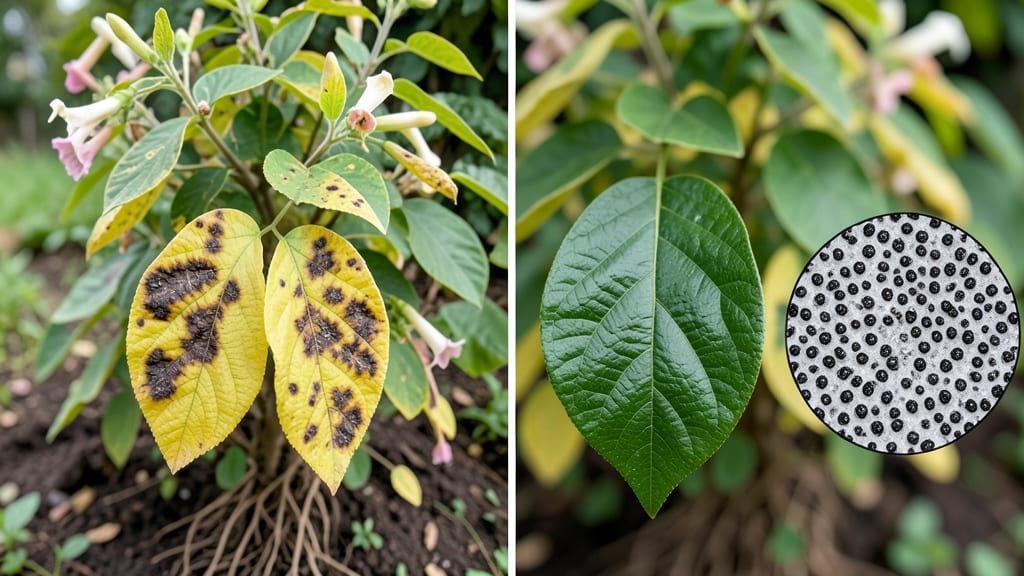
Your honeysuckle vines are screaming for help when the leaf blight takes over, turning those dark, greasy spots into a fungal nightmare. 🌿 I’ve seen this turn lush vines into sad, spotted skeletons—until I discovered the copper spray cure that actually works.
The key isn’t just spraying; it’s timing, technique, and preventing it from coming back stronger next season.
Leaf blight starts as tiny brown spots that grow into larger, oily patches, often with yellow halos. Before you panic, check for wilting or premature leaf drop—those are the red flags.
The fungus thrives in wet, humid conditions, so if your vines are crowded or watered overhead, you’re basically handing it an invitation. Copper spray disrupts the fungus’s life cycle, but you’ve got to hit it early and keep hitting it.
Within 7-10 days of consistent spraying, you’ll see new growth pushing through without those ugly spots. The vines will perk up, leaves will stay vibrant, and you’ll finally breathe easy knowing your honeysuckle isn’t fighting an invisible enemy.
Plus, once you adjust your watering and spacing habits, you’ll keep this problem at bay for good.
This works for all honeysuckle varieties—whether you’re growing the classic golden vines or the fragrant twining types. The secret is consistency, so grab that spray bottle and let’s get those leaves healthy again. No more sad, spotted vines—just lush, happy growth.
Root Causes Of Fungal Leaf Damage
When your honeysuckle’s vibrant green leaves start developing dark, water-soaked spots that eventually turn brown and crispy, a fungal infection—often called leaf blight—is likely to blame. Understanding the why behind this issue is the first step to stopping it in its tracks.
Below, we break down the key culprits, backed by science, so you can take targeted action.
The #1 trigger for honeysuckle leaf blight is excessive moisture, whether from rain, poor drainage, or even overhead watering. Fungi like Alternaria and Septoria thrive in damp environments because:
- Spores germinate faster when leaves stay wet for 12+ hours—ideal conditions for fungal spread.
- Poor air circulation in dense foliage traps moisture, creating a greenhouse effect that fuels spore growth.
- Nighttime dew (especially in warm climates) can be just as damaging as rain if leaves don’t dry by morning.
Actionable fix: Space plants for airflow, water at the base (not overhead), and prune crowded branches to let sunlight and air move freely.
Fungal spores are everywhere—in soil, old plant debris, and even on tools. If your honeysuckle comes into contact with infected material, spores latch onto leaves and colonize when conditions are right. Common sources include:
- Infected plant cuttings or nursery stock carrying dormant spores.
- Compost or mulch from decomposed leaves with hidden fungal pathogens.
- Reused gardening tools (pruners, shears) that transfer spores between plants.
Actionable fix: Sterilize tools with 70% isopropyl alcohol or bleach water (1:10 ratio), and avoid planting near old honeysuckle debris. If repotting, use pasteurized soil or a fungicide-treated mix.
A weakened honeysuckle is like an open invitation for fungi. Stress from nutrient deficiencies, root damage, or environmental shocks (like extreme heat or cold) lowers its defenses. Key stress signals include:
- Yellowing leaves (chlorosis) from iron or nitrogen deficiency, making tissues easier targets.
- Root rot (often from overwatering), which starves the plant and spreads fungal mycelium upward.
- Sudden temperature swings (e.g., frost followed by warm rain), which shock the plant’s immune response.
Actionable fix: Test soil pH (ideal: 6.0–7.0 for honeysuckles) and amend with compost. Apply a balanced fertilizer (10-10-10) in early spring to boost vigor. Mulch with wood chips (not fresh straw) to protect roots.
Honeysuckles planted too closely together create a microclimate where humidity lingers and sunlight can’t penetrate. This slows drying and promotes:
- Slow leaf drying after rain, extending the window for spore germination.
- Weaker, etiolated growth (long, spindly stems) that’s more susceptible to infection.
- Shaded lower leaves, which stay damp longer and develop blight faster than sun-exposed foliage.
Actionable fix: Thin out plants to 3–4 feet apart for optimal airflow. If space is limited, prune to open the canopy and let light reach the base. Avoid tall, dense shrubs near honeysuckles.
When two or more of these factors overlap—like wet leaves + poor airflow + stressed roots—fungal blight spreads exponentially. For example:
- Heavy rain + crowded plants = spores splash onto leaves and can’t dry.
- Overwatering + low sunlight = roots rot, weakening the plant’s ability to fight infection.
Prevent the combo: Monitor weather forecasts and prune proactively before rainy seasons. Use drip irrigation to avoid wetting foliage.
Fixing Fungal Leaf Spots Fast
Fungal leaf spots on honeysuckle can feel like a losing battle, but with the right approach, you can turn things around—and keep your vines thriving.
Below are targeted fixes based on the root causes (overwatering, poor airflow, or fungal spread), along with prevention tips to stop it from coming back. Think of this as your step-by-step rescue plan for healthy, spot-free foliage!
If your honeysuckle is sitting in soggy soil, excess moisture creates the perfect breeding ground for fungal spores. Act fast to dry things out and improve airflow.
🔥 Step 1: Adjust Your Watering Habits - Water deeply but less often—aim for 1–1.5 inches per week (including rain).
Let the top 2–3 inches of soil dry out between waterings. - Water in the morning (not at night) so leaves have time to dry, reducing humidity around the plant. - Avoid overhead watering—use a soaker hose or drip irrigation to keep foliage dry.
👨🍳 Step 2: Improve Soil Drainage
- Amend heavy or compacted soil with compost or perlite to help water drain faster.
- Raise the plant slightly by adding a layer of gravel or sand beneath the root zone if it’s in a container.
- Check for clogged drainage holes in pots—clean them out to prevent waterlogging.
✨ Prevention Tip:
💡 Mulch correctly! Use 2–3 inches of organic mulch (like wood chips) around the base, but keep it 2–3 inches away from the stem to prevent moisture buildup.
If leaf blight is already visible (dark spots with yellow halos), copper fungicide is your best defense. It’s organic, effective, and safe for most plants when used correctly.
🔪 Step 1: Prune Infected Leaves
- Remove and destroy (don’t compost!) all severely spotted leaves to prevent spores from spreading.
- Sterilize pruners with rubbing alcohol between cuts to avoid cross-contamination.
🥘 Step 2: Apply Copper Fungicide
- Choose a ready-to-use copper spray (like Bordeaux mixture or copper sulfate-based products).
- Spray thoroughly on both sides of leaves and the stems, focusing on new growth and undersides (where spores hide).
- Reapply every 7–14 days (or after rain) until new growth is spot-free for 2–3 weeks.
⏰ Step 3: Follow Up with Preventative Sprays
- Apply a preventative spray (like neem oil or potassium bicarbonate) every 2–4 weeks during humid seasons.
- Rotate fungicides if the problem persists—some fungi develop resistance.
🎯 Prevention Tip:
🌡️ Monitor humidity! If your area is prone to high humidity or frequent rain, consider installing a small fan near the plant to improve airflow (even a gentle breeze helps!).
Honeysuckle needs good airflow and sunlight to stay healthy. If it’s too shaded or overgrown, fungal issues will keep coming back.
🔥 Step 1: Thin Out the Foliage
- Prune back overgrown branches to increase airflow between stems.
- Remove dead or crossing branches—these trap moisture and spores.
👨🍳 Step 2: Boost Sunlight Exposure
- Trim nearby trees or structures blocking sunlight (honeysuckle thrives in full sun to partial shade).
- Relocate potted honeysuckle to a sunnier spot if possible.
✨ Prevention Tip:
💡 Plant strategically! If you’re adding new honeysuckle, space plants 3–5 feet apart to reduce humidity buildup in the canopy.
Once you’ve treated the blight, maintain these habits to prevent future outbreaks:
| Do This | Avoid This |
|---|---|
| Water at the base (not leaves) | Overhead watering |
| Prune regularly (remove dead leaves) | Letting debris pile up |
| Use mulch properly (2–3" away from stem) | Over-mulching near the base |
| Fertilize lightly (balanced 10-10-10) | Over-fertilizing (burns roots) |
| Inspect weekly (check undersides of leaves) | Ignoring early signs |
Final Thought: With proper watering, copper sprays, and airflow fixes, your honeysuckle can bounce back stronger than ever. Stay vigilant, and those pesky spots won’t stand a chance! 🌿💪
Frequently asked questions
What do honeysuckle leaf blight spots actually look like?
Start as tiny dark brown or black spots with yellow halos around them. As they spread, these spots merge into larger, greasy-looking patches that can cover entire leaves. Look for undersides of leaves first—spores often appear there before spreading to the topside.
Can I still use my honeysuckle flowers if the leaves have blight?
Yes! The flowers and fruit aren't affected by leaf blight—the fungus only targets foliage. However, severely infected plants may produce fewer blooms due to stress. Remove only the worst leaves to maintain airflow and keep the plant healthy for pollinators.
How often should I spray copper fungicide on honeysuckle?
Apply copper spray every 7-14 days during active growth (spring-fall) or after heavy rain. For prevention, 2-3 weekly sprays during humid seasons work well. Always spray in the early morning so leaves dry quickly—this prevents fungal growth between treatments.
Will my honeysuckle die if I don't treat leaf blight?
Not immediately, but severe cases can weaken the plant enough to cause defoliation and reduced flowering. Chronic infections may eventually kill the plant by starving it of energy and creating entry points for other diseases. Early treatment gives your honeysuckle the best chance to recover fully.
Can I use vinegar or baking soda instead of copper spray?
Baking soda (1 tsp per quart of water + a drop of dish soap) can help as a mild preventative, but it's not as effective as copper for treating active blight. Vinegar is too harsh and will burn leaves. For organic options, try neem oil (2 tsp per gallon) as a supplement to copper treatments.