
Picking
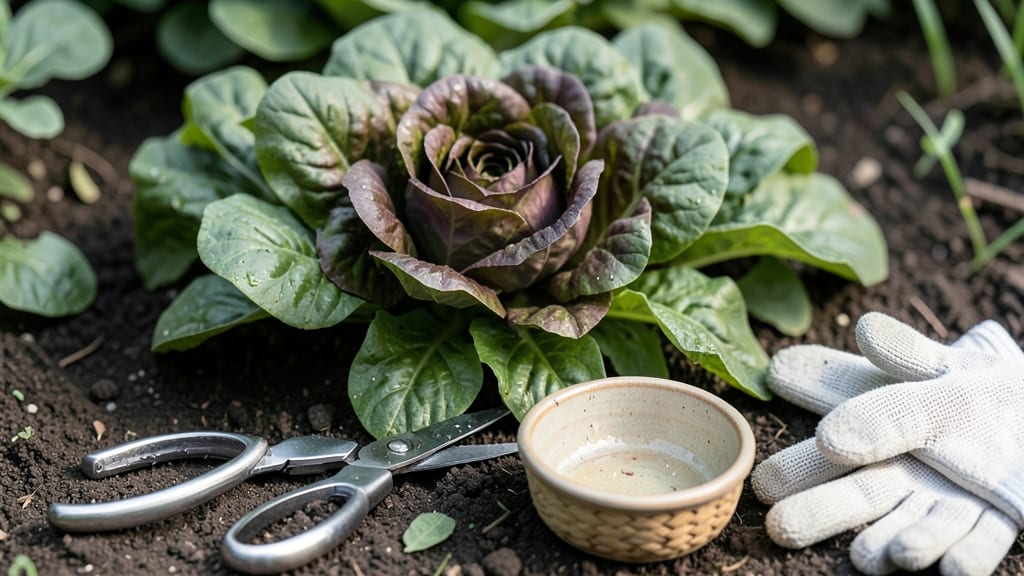
Harvesting leaf lettuce the right way turns a single plant into a continuous salad source all season. 🌿 The cut-and-come-again method lets you pick outer leaves while the center keeps growing—no need to pull the whole plant.
I’ve used this technique for five years, and my lettuce now produces three times what I’d get from once-and-done harvesting.
Timing matters most: harvest when leaves reach 3-4 inches tall, using clean scissors or fingers to snip just above a leaf pair. Avoid cutting more than one-third of the plant at once, or you’ll stunt regrowth.
The best time? Early morning after dew dries but before the sun intensifies—leaves stay crisp and flavorful.
After harvesting, water deeply to encourage new growth and remove any yellowed leaves to redirect energy. Within 7-10 days, fresh leaves will emerge from the center, ready for another harvest. This cycle repeats for weeks, even in heat, if you protect plants from bolting with shade cloth.
Common mistakes? Cutting too close to the base or harvesting in extreme heat. Let the center recover fully between cuts, and you’ll enjoy salad after salad without replanting. Perfect for small spaces or anyone who loves fresh greens year-round.
📚 In This Guide
- What you need
- Instructions
- Tips and common mistakes
- Wrapping up and next steps
What you need
- ● Leaf lettuce plants: Mature plants (about 4–6 inches tall) with at least 3–4 fully developed outer leaves.
- ● Sharp pruning shears or garden scissors: A pair with clean, sterilized blades (e.g., Felco F-2 or similar) to make precise cuts without damaging the plant.
- ● Watering can or hose with a gentle spray nozzle: For hydrating plants before and after harvest to reduce stress.
- ○ Gloves (optional but recommended): Lightweight gardening gloves to protect your hands from dirt and thorns (if using varieties like romaine).
- ● Container or basket: A shallow tray or mesh basket to collect harvested leaves and prevent bruising.
- ● Compost or mulch: To replenish nutrients in the soil post-harvest (e.g., well-aged compost or worm castings).
- ● Fertilizer (balanced or high-nitrogen): A quick dose of liquid fertilizer (e.g., fish emulsion or seaweed extract) to boost regrowth after harvesting.
- ● Shade cloth or row cover: If harvesting in hot weather, use lightweight shade (30–50%) to protect tender leaves from bolting.
- ● Food-safe sanitizer (e.g., diluted bleach or vinegar): To sterilize tools between uses and prevent disease spread.
- ● Harvest journal or calendar: To track growth stages, harvest dates, and plant performance for future reference.
Step-by-Step instructions for continuous leaf lettuce harvests
Here's how to keep your leaf lettuce thriving through multiple harvests—no replanting required.
🌿 Step 1: Wait for Mature Outer Leaves
Harvest only when the outer leaves reach 3-4 inches long—this ensures the plant has stored enough energy to regrow. I check by running my thumb along the leaf edge: if the texture feels crisp but pliable (not rubbery), it's ready. Avoid harvesting when temperatures exceed 80°F, as heat stress weakens regrowth.
Focus on the largest, most mature leaves first. These leaves have already contributed their energy to the plant, so removing them stimulates new growth from the center. I like to harvest every 7-10 days during cool weather, but reduce frequency to every 2 weeks in summer heat.
✂️ Step 2: Cut Leaves at the Right Angle
Use sharp scissors or pruning shears to cut leaves ½ inch above the base at a 45-degree angle. This angled cut prevents water from pooling on the stem, which would rot the plant. I always sanitize my tools with rubbing alcohol between harvests—bacterial contamination can spread through fresh cuts.
Never pull leaves or break them off by hand. The clean cut minimizes damage to the plant's vascular system, so it can redirect nutrients to the inner leaves. If you see yellowing at the cut site after a few days, your cuts may be too low—aim slightly higher next time.
💧 Step 3: Maintain Consistent Moisture After Harvesting
Water deeply within 24 hours of harvesting to replenish moisture lost through the cuts. I water until ½ inch of water drains from the bottom of the pot or soil surface. Lettuce roots are shallow, so they need frequent, even moisture to recover quickly.
Keep the soil consistently damp but never soggy. You'll know moisture is right when the top ½ inch of soil feels cool to touch and holds together when gently squeezed. Overwatering after harvest can drown the remaining leaves, while underwatering stresses the plant into dormancy.
☀️ Step 4: Provide Optimal Light and Fertility
Move your lettuce to bright, indirect light immediately after harvesting. South-facing windows work well, but supplement with a grow light if leaves start looking pale or leggy. I position mine 6-12 inches away depending on intensity—closer for weaker bulbs, farther for high-output LEDs.
Feed with a balanced liquid fertilizer (10-10-10 or 20-20-20) diluted to half-strength every 2-3 weeks after harvesting. The regrowing center needs extra nitrogen to produce tender new leaves. I mix fertilizer with water and apply it to the soil surface, avoiding direct contact with leaves to prevent burn.
🌱 Step 5: Monitor for Regrowth and Repeat
Within 5-7 days, you should see new leaves emerging from the center. These will be smaller at first but will grow rapidly if conditions are right. Watch for two new sets of leaves before harvesting again—this ensures the plant has enough energy reserves.
If regrowth stalls, check for these common issues: too much shade (leaves pale and sparse), nutrient deficiency (yellowing between veins), or pests (tiny holes or chewed edges). A quick adjustment—more light, diluted fertilizer, or neem oil spray—can get things back on track.
Tips & tricks for continuous leaf lettuce harvests
Here's what nobody tells you about keeping your leaf lettuce thriving through multiple harvests without sacrificing quality.
Harvest Timing Strategy: When harvesting every 7-10 days in cool weather, I actually use a simple visual system: I mark the harvest date on my calendar and check for at least two new sets of leaves before cutting again. This ensures the plant always has energy reserves. In summer heat, I extend to 2 weeks between harvests—this longer recovery period helps the plant handle the stress of warmer temperatures while still maintaining growth momentum. The key is watching for those two new leaf sets rather than sticking rigidly to the schedule.
Cutting Technique: The 45-degree angle cut in Step 2 is absolutely critical—it's not just about aesthetics. This angle creates a larger surface area that heals faster, preventing rot from water pooling. I've found that using a small pair of kitchen scissors (cleaned with rubbing alcohol between uses) gives me the most precise cuts. For larger leaves, I'll make two angled cuts to remove the entire leaf while still maintaining that healing angle at the base. The goal is to leave the plant looking like it just had a perfectly manicured haircut, not like it was attacked by a lawnmower.
Post-Harvest Recovery: After harvesting, I always move my lettuce to the brightest spot in my home immediately—usually a south-facing window with supplemental grow light if needed. The 24-hour deep watering is non-negotiable, but I've discovered a little trick: I'll add a handful of compost tea to the water during this first post-harvest watering. This gives the plant a quick nutrient boost to help it recover faster. The compost tea also introduces beneficial microbes that help prevent soil-borne diseases during the regrowth phase.
Light Management: When setting up grow lights for my lettuce, I've learned that distance matters more than most people realize. I position my LED grow lights 6-12 inches away based on their output—closer for weaker bulbs, farther for high-intensity LEDs. The key visual cue is to look for leaves that are dark green and upright rather than pale and stretching. If you notice the leaves starting to lean toward the light, it's time to move them farther away. This prevents that leggy growth that makes lettuce tough and bitter.
Pro Tips for Harvest Leaf Lettuce So It Keeps Growing
- Here's what nobody tells you about keeping your leaf lettuce thriving through multiple harvests without sacrificing quality.
- Harvest Timing Strategy: When harvesting every 7-10 days in cool weather, I actually use a simple visual system: I mark the harvest date on my calendar and check for at least two new sets of leaves before cutting again.
- Cutting Technique: The 45-degree angle cut in Step 2 is absolutely critical—it's not just about aesthetics.
Frequently asked questions
Got questions about keeping your leaf lettuce thriving after harvest? Here are some common ones—and their answers—to help you master the cut-and-come-again method like a pro!
How often should I harvest leaf lettuce for continuous growth?
Harvest leaf lettuce every 2–3 weeks when outer leaves reach 4–6 inches tall. Avoid cutting more than one-third of the plant at a time to prevent stress. Consistency is key—regular harvesting encourages bushier, more productive growth!
Can I harvest leaf lettuce in hot weather without it bolting?
Yes! Use shade cloth (30–50%) during peak sun (10 AM–4 PM) to keep temps below 80°F. Also, opt for heat-tolerant varieties like Romaine or Black Seeded Simpson. Water deeply in the morning to reduce stress and harvest early in the day when leaves are crisp.
What’s the best way to cut leaf lettuce to avoid damaging the plant?
Use clean, sharp scissors or pruning shears to snip leaves just above a leaf node (the bump where new leaves grow). Angle cuts slightly upward to encourage water runoff. Never pull leaves—this uproots the plant and stunts regrowth.
Will leaf lettuce keep growing if I only pick a few leaves at a time?
The cut-and-come-again method works by removing outer leaves first, leaving the inner rosette intact. This triggers the plant to produce more leaves from the center. Just avoid harvesting the same leaves repeatedly—they won’t regrow!
Why is my lettuce turning bitter after harvesting?
Bitter flavors often stem from heat stress, old age, or over-maturity. To fix it:
- Harvest younger, tender leaves (prioritize outer leaves).
- Provide afternoon shade if temps rise above 75°F.
- Try succession planting every 2–3 weeks for fresh, sweet harvests.
Can I grow leaf lettuce in containers and still use the cut-and-come-again method?
Yes! Choose deep containers (8+ inches) with well-draining soil and fertilize lightly after each harvest. Opt for bushier varieties like Buttercrunch to maximize space. Just ensure pots get 1–2 inches of water per week and rotate them occasionally for even sunlight.
Wrapping up and next steps
Harvesting leaf lettuce using the cut-and-come-again method is a game-changer for gardeners—it keeps your plants thriving while giving you a steady supply of fresh greens! 🌱 By following the right techniques, you’ll enjoy continuous harvests without sacrificing growth.
Now that you’re equipped with the know-how, grab those shears and get ready to enjoy homegrown lettuce all season long.
Your next step? Experiment with varieties or try companion planting to boost your lettuce’s productivity even further. Happy harvesting! 🌿