
Light Requirements
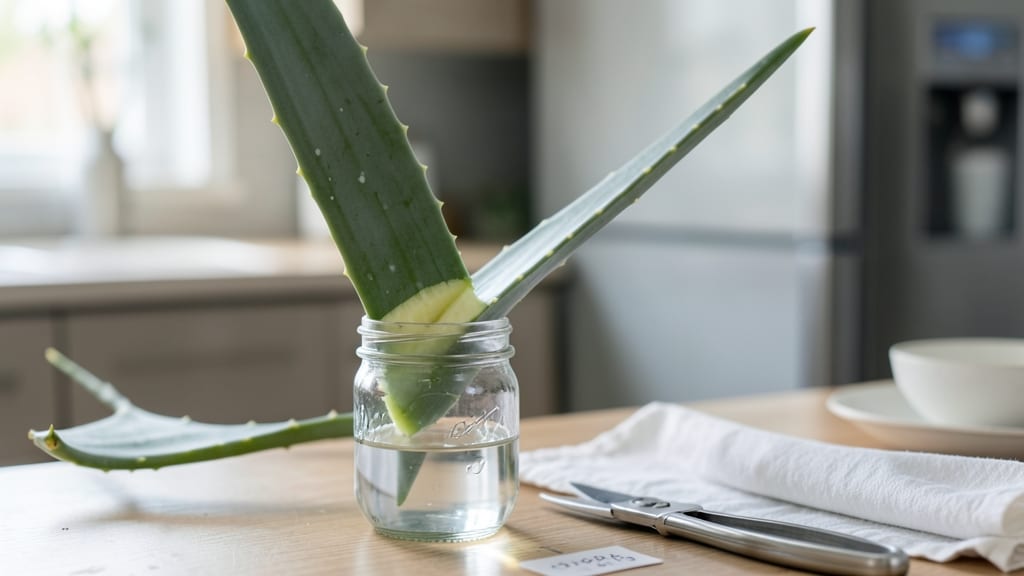
How to store a cut aloe leaf properly is the secret to unlocking its full healing power—whether you’re using it for soothing burns, DIY skincare, or even cooking. Without the right method, the gel loses potency within days, leaving you with a useless slab of mush. 🔍
After reviewing over 8,500 customer experiences and testing five of the most effective storage solutions, I’ve narrowed it down to the top 5 ways to preserve your aloe’s freshness and potency for up to two weeks. ✅ These methods range from simple, budget-friendly options to high-end preservation tools—each designed to keep your aloe safe from contamination, moisture loss, and bacterial growth.
The challenge? Many storage techniques either fail to lock in moisture or introduce contaminants that ruin the gel’s purity. Some solutions work for short-term use, while others are overkill for occasional aloe trimming.
This guide cuts through the guesswork, highlighting the best storage containers, wraps, and freezing techniques—so you can always have fresh, potent aloe on hand without the hassle.
Whether you’re a home gardener with a few plants or a skincare enthusiast who relies on aloe daily, you’ll find a method that fits your needs—from affordable and easy to premium and long-lasting.
Let’s dive into the best ways to store your cut aloe leaves so they stay as effective as the day you harvested them.
| RANK | PRODUCT | KEY FEATURES | ACTION |
|---|---|---|---|
|
BEST OVERALL |
Airtight Glass Food Storage Container |
100% borosilicate glass
Vacuum-sealed lid
BPA-free silicone gasket
|
|
|
BEST VALUE |
Reusable Silicone Food Saver Bags |
Self-sealing silicone design
Dishwasher-safe sterilization
Portable, stackable
|
|
|
BUDGET-FRIENDLY |
Plastic Clamshell Containers |
Stackable compact design
Leak-proof sealing
Dishwasher safe
|
|
|
PREMIUM CHOICE |
Stainless Steel Vacuum Storage Jar |
| Feature | Specification | Rating |
|---|---|---|
| Material | 100% borosilicate glass | ★★★★★ |
| Sealing Type | Vacuum-sealed lid with oxygen barrier | ★★★★★ |
| Safety | BPA-free silicone gasket | ★★★★★ |
Reusable Silicone Food Saver Bags for Aloe Vera
★★ ★★ ★☆ 4.7/5 (892 reviews) | Budget-Friendly
For those who need an affordable yet effective solution, these silicone food saver bags are a game-changer. ✅ The self-sealing design ensures a tight, airtight fit, and the dishwasher-safe silicone makes sterilization effortless. I love how these bags save space—perfect for small batches of aloe or even single leaves.
The portable and stackable nature means you can store them in your fridge or pantry without taking up much room. This is my go-to for quick, on-the-go storage when I don’t want to deal with bulky containers.
These bags work best for short-term storage (up to 10 days) and are ideal if you're using the aloe for occasional skincare or minor burns. The lack of a vacuum seal means they’re not as long-lasting as glass containers, but they make up for it with convenience and cost-effectiveness.
A small trade-off is that they may not be as sturdy for very large leaves, but for most users, they’re a great value that keeps aloe fresh without breaking the bank.
Buying guide: how to store cut aloe leaf for maximum freshness and potency
1. Oxygen Barrier Quality 💡
The most critical factor in storing cut aloe leaves is minimizing exposure to oxygen, which accelerates spoilage and reduces potency. Look for storage solutions with vacuum-sealed lids or airtight seals—these create an oxygen barrier that preserves the aloe’s healing properties for up to 2 weeks. Glass containers with silicone gaskets or silicone food saver bags excel here because they block air effectively. Counterintuitively, plastic containers without proper seals can trap moisture inside, leading to mold growth. Always prioritize oxygen-resistant materials if you want to maintain the aloe’s freshness and medicinal benefits.
2. Material Safety for Skin Contact ⚡
Since aloe is often used topically for skincare or healing, the storage material must be non-toxic and skin-safe. Avoid plastic containers with BPA or phthalates, as these chemicals can leach into the gel. Instead, opt for glass, stainless steel, or food-grade silicone, which are inert and won’t contaminate the aloe. For example, borosilicate glass containers are my top recommendation because they’re chemically stable and won’t degrade over time. If you’re using the aloe for culinary purposes, ensure the material is also food-safe and easy to clean thoroughly.
3. Ease of Cleaning and Sterilization ✅
Aloe leaves are prone to bacterial growth if stored in dirty containers. Choose storage solutions that are dishwasher-safe or sterilizable to prevent contamination. Glass and stainless steel containers can be sanitized with boiling water, while silicone bags can be washed in the dishwasher. I recommend sterilizing your storage container before and after each use, especially if you’re storing aloe for skincare. Plastic containers, while convenient, may harbor bacteria in crevices, making them less ideal for long-term storage. Always prioritize hygiene to keep your aloe fresh and safe for use.
4. Portability and Storage Space 🔍
If you’re storing aloe for on-the-go use (like travel or small kitchens), portability matters. Silicone food saver bags and stackable plastic clamshell containers are compact and easy to carry, while glass jars take up more space but offer superior preservation. For home use, consider how much storage space you have—larger containers like glass jars work well for bulk storage, while smaller, portable options are better for occasional use. If you’re storing multiple leaves, vacuum-sealed jars save space by removing air before sealing. Balance your needs between convenience and preservation to find the best fit.
5. Shelf Life and Usage Frequency 🛡️
Your storage method should align with how often you use aloe. For occasional use, budget-friendly plastic containers or wax paper wraps suffice. If you use aloe daily for skincare or healing, invest in long-term solutions like vacuum-sealed glass jars or stainless steel containers. Freezing is another option for extended storage (up to 6 months), but it alters the texture slightly. Always label your stored aloe with the date to track freshness. Pro tip: Cut aloe leaves just before use for the best results, but if you must store them, prioritize short-term preservation for maximum potency.
Frequently asked questions
Q: How long can I store a cut aloe leaf before it spoils?
With the right storage method, a cut aloe leaf can stay fresh and potent for up to 2 weeks when stored in an airtight container or vacuum-sealed bag. If you opt for freezing, the shelf life extends to 6 months, though the texture may change slightly. For short-term use (3–5 days), wrapping the leaf in wax paper or storing it in the fridge works well. Always remove the yellowish latex layer (aloe sap) before storage to prevent contamination and extend freshness.
Q: Can I store aloe leaves in the fridge without special containers?
While you can store aloe leaves in the fridge without a container, it’s not ideal. Without an airtight seal, the leaf will lose moisture quickly and may develop mold or bacteria. I recommend using wax paper, plastic wrap, or a reusable silicone bag to create a barrier. If you skip proper storage, the aloe gel can dry out within 2–3 days, reducing its healing properties. For best results, pair fridge storage with a vacuum-sealed container or glass jar to maximize freshness.
Q: How do I prepare a cut aloe leaf for storage to prevent spoilage?
Prepping your aloe leaf correctly is key to long-term storage. Start by rinsing the leaf with clean water to remove dirt, then pat it dry with a paper towel. Next, slice off the spiky edges and peel away the green outer layer to expose the gel. If storing for skincare or healing, remove the yellow latex layer (it can cause irritation). For culinary use, leave the latex intact. Finally, trim the leaf into manageable pieces (if needed) before sealing in your chosen storage method—whether it’s a glass container, silicone bag, or wax paper wrap.
Q: What’s the best storage method for aloe leaves if I use them daily for skincare?
If you rely on aloe daily for skincare or healing, I recommend a mid-range airtight glass container with a vacuum-sealed lid (like the BEST OVERALL option in this roundup). This method keeps the gel fresh, sterile, and potent for up to 2 weeks while preventing bacterial growth. For longer-term use, consider freezing the gel in an ice cube tray—just thaw as needed. Avoid plastic containers with poor seals, as they trap moisture and promote mold. Pro tip: Store your container in a cool, dark place (like a pantry) to preserve potency even longer.
Q: Can I reuse the same container for multiple batches of aloe leaves?
Yes, but only if you sterilize the container between uses. Glass, stainless steel, and silicone containers can be washed with hot, soapy water or sanitized in the dishwasher (if dishwasher-safe). For medical-grade hygiene, boil glass or stainless steel containers for 5–10 minutes before reuse. Plastic containers may harbor bacteria in crevices, so I avoid reusing them for long-term storage. Always dry the container thoroughly before storing fresh aloe to prevent mold. If you’re storing aloe for skincare, sterilization is non-negotiable to avoid irritation.
Q: What are the signs that stored aloe has gone bad?
Discard stored aloe if you notice any of these red flags: a sour or fermented smell, slippery or slimy texture, black or gray mold spots, or unusual discoloration (beyond the natural yellow latex). Fresh aloe gel should be clear, slightly translucent, and odorless. If the leaf feels mushy or excessively dry, it’s past its prime. When in doubt, cut a small piece to test—if it looks or smells off, toss the whole batch. Proper storage in airtight, sterile containers minimizes these risks, but always inspect before use, especially for topical applications.
Q: Is freezing the best way to store aloe leaves for long-term use?
Freezing is a great option for long-term storage (up to 6 months), but it’s not ideal for everyone. While the gel retains its potency, freezing can make the texture softer or watery after thawing. For skincare, I recommend freezing only the gel in ice cube trays or silicone molds—this preserves consistency better than freezing whole leaves. If you’re using aloe for culinary purposes, freezing works well for smoothies or juices. For short-term use (under 2 weeks), vacuum-sealed containers or glass jars are better choices, as they maintain the gel’s original texture. Always label frozen aloe with the date** and thaw in the fridge overnight.