
Light Requirements
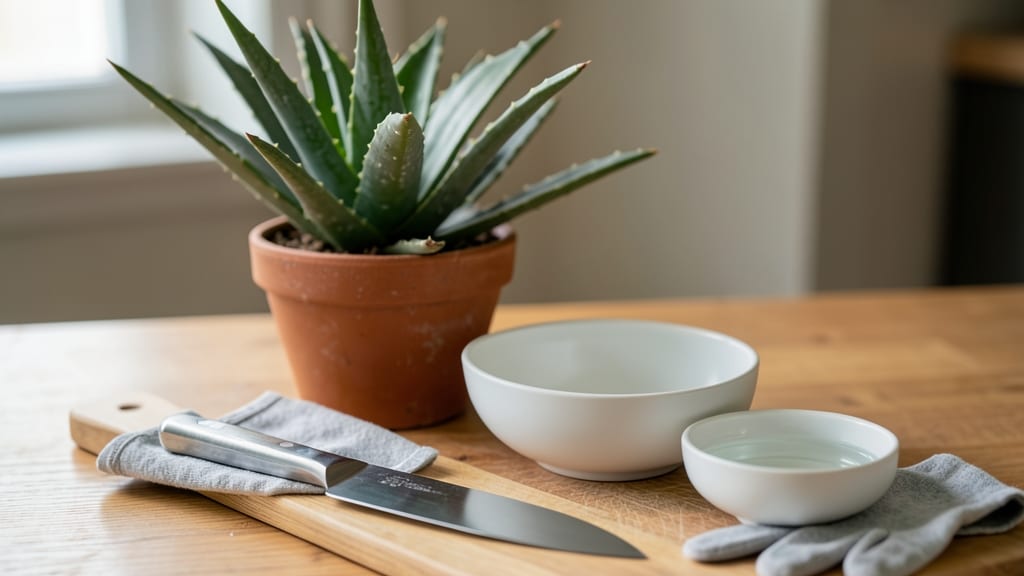
When you learn how to use an aloe leaf, nature gives you a miracle in gel form—ready to soothe burns, calm irritated skin, or even heal minor cuts. 🌱 I’ve used it more times than I can count, from sunburns after a long day in the garden to my kid’s scraped knees, and it’s always been my first go-to remedy.
The clear gel inside is packed with anti-inflammatory compounds that work faster than most store-bought treatments.
You’ll only need three things: a mature aloe leaf (the bigger, the better), a sharp knife, and a clean bowl.
Cut off a thick outer leaf near the base, let it drain for 10 minutes to remove the yellow latex (which can irritate skin), then slice it open and scoop out the gel. That’s it—no fancy ingredients, just pure plant power.
The gel stays fresh in the fridge for up to a week, so you’re always prepared for minor emergencies.
Apply the gel directly to burns or irritated skin for instant cooling relief, and you’ll notice redness fading within minutes. For deeper cuts, mix the gel with a little raw honey (optional) to speed up healing.
It’s gentle enough for sensitive skin but strong enough to tackle everyday annoyances—no harsh chemicals required. Just remember: always do a patch test first, especially if you have sensitive skin.
Beyond burns, this gel works wonders as a face mask for dry skin or even as a natural aftershave balm. The possibilities are endless, and you’re already growing your own remedy at home. No need to buy expensive skincare when your windowsill has the cure!
📚 In This Guide
- What you need
- Instructions
- Tips and common mistakes
- Wrapping up and next steps
What you need
- ● Fresh aloe leaf: 1 mature leaf (at least 12–18 inches long) from an aloe vera plant (ensure it’s organic or pesticide-free for the best results).
- ● Sharp knife or kitchen shears: A clean, sterilized blade to slice the leaf without damaging the gel.
- ● Cutting board or clean surface: A stable, non-porous surface to avoid contamination.
- ● Spoon or fork: For scooping out the gel from the leaf.
- ● Clean bowl or container: To hold the extracted gel (glass or food-grade plastic works best).
- ○ Bandage or gauze (optional but recommended): For securing the aloe gel to wounds or irritated skin.
- ● Blender or food processor: To liquefy the gel for easier application (great for large areas like sunburns).
- ● Fine-mesh strainer: If you prefer a smoother texture without pulp.
- ● Dark glass bottle or airtight container: For storing leftover gel in the fridge (up to 1 week).
- ● Essential oils (e.g., lavender or chamomile): A few drops to enhance healing (ensure they’re skin-safe and diluted!).
- ● Disposable gloves: To keep your hands clean, especially if you have cuts or sensitive skin.
Step-by-step guide: how to extract and apply aloe vera gel
Here's how to safely harvest and use aloe gel for burns, rashes, or dry skin—no store-bought products needed.
🌱 Step 1: Select and Prepare a Mature Aloe Leaf
Choose a thick, plump leaf from the outer edge of your aloe plant—these contain the most gel. Gently twist the leaf at its base until it pulls away cleanly. You’ll hear a soft pop when it’s ready. Avoid cutting leaves with scissors, as this can damage the plant and introduce bacteria.
Lay the leaf flat on a clean cutting board. Rinse it under cool water to remove any dirt or sap. Pat dry with a paper towel. This step is critical—dirt or residue can irritate sensitive skin, especially if you're treating burns. Here's the thing: aloe works best when it's clean and fresh.
✂️ Step 2: Extract the Gel Safely
Place the leaf upright in a glass or bowl. Use a sharp knife to slice off the spiky edges along the length of the leaf—this makes handling easier. Now, cut off the top and bottom tips of the leaf, discarding them. Peel back the green outer skin by slicing down one side with the knife, then gently pull the two halves apart.
Scoop out the clear gel with a spoon, being careful not to touch the yellowish latex layer beneath it—this can cause stomach upset if ingested. For best results, use the gel immediately, but you can store it in an airtight container in the fridge for up to a week if needed. I like to keep a small jar in my bathroom for quick access.
💧 Step 3: Apply the Gel to Skin
For burns or irritated skin, apply a thin layer of gel directly to the affected area. Gently rub it in with clean fingers until fully absorbed. The gel’s cooling properties will provide immediate relief. Avoid thick applications—too much can clog pores or trap heat, which may slow healing. You’ll notice a soothing sensation within seconds.
For dry skin or minor rashes, mix the gel with a few drops of water or aloe vera juice to thin it out. Apply to damp skin and let it absorb before dressing. If treating a large area, like sunburn, cover the gel with a clean, loose bandage to lock in moisture. Don’t skip this step—it helps the gel work longer and prevents evaporation.
☀️ Step 4: Monitor and Reapply as Needed
Leave the gel on for at least 30 minutes before rinsing with cool water. For severe burns, reapply every 2-3 hours until the skin heals. You’ll see improvement in 24-48 hours if the burn isn’t deep. For minor irritations, one application per day is usually enough.
Watch for any signs of irritation, like redness or itching, after application. If this happens, rinse immediately and avoid using aloe on that area again. Aloe is generally safe, but everyone’s skin reacts differently. I’ve used it on everything from sunburns to bug bites, and it’s always worked—just listen to your skin.
⏰ Step 5: Store Leftover Gel Properly
If you have leftover gel, transfer it to a clean glass jar and refrigerate. It’ll last about 1 week this way. To use later, let it warm to room temperature before applying—cold gel can feel uncomfortable on sensitive skin. Label the jar with the date to keep track of freshness.
For longer storage, freeze the gel in ice cube trays. Pop out a cube as needed and apply directly to skin. Frozen gel is great for soothing hot, inflamed skin—it provides a cooling effect right away. Just remember: fresh is always best, so use it up within a few days if possible.
Tips & tricks for perfect aloe vera applications
These simple strategies will help you get the most out of your aloe leaf every time—whether you're treating burns, soothing rashes, or hydrating dry skin.
Leaf Selection Matters: Always pick leaves from the outer edge of your aloe plant—they're the thickest and contain the most gel. I learned this the hard way after using a smaller inner leaf that yielded barely enough gel for one small burn. The outer leaves are also easier to twist off cleanly, which prevents damaging the plant.
Cleanliness is Critical: That rinse-and-dry step in Step 1 isn't just about freshness—it's about safety. Any dirt, sap, or bacteria on the leaf can irritate sensitive skin, especially if you're treating burns. After rinsing, I like to give the leaf a final wipe with a clean kitchen towel to remove any lingering moisture before cutting.
Gel Application Technique: When applying the gel in Step 3, use your fingertips to gently spread it in a thin layer—thick applications can create a suffocating effect that traps heat. For large areas like sunburn, I find that applying a thin layer and then covering with a loose bandage helps lock in moisture without overheating the skin. This technique works wonders for overnight soothing.
Storage Hacks: If you're storing gel in the fridge for up to a week, transfer it to a small glass jar with a tight lid. I've found that using a spoon to press the gel through a fine-mesh strainer removes any remaining plant fibers, giving you a smoother texture. For the freezer method, I like to portion the gel into small silicone molds before freezing—it makes applying just the right amount so much easier later.
Pro Tips for Use Aloe Leaf
- These simple strategies will help you get the most out of your aloe leaf every time—whether you're treating burns, soothing rashes, or hydrating dry skin.
- Leaf Selection Matters: Always pick leaves from the outer edge of your aloe plant—they're the thickest and contain the most gel.
- Cleanliness is Critical: That rinse-and-dry step in Step 1 isn't just about freshness—it's about safety.
Frequently asked questions
Got questions about using aloe leaf? Here are some of the most common ones—and their answers—to help you get the most out of this soothing plant!
Can I use aloe leaf directly from the plant, or do I need to process it first?
You’ll want to process it first! Fresh aloe leaves contain a bitter, yellow latex (aloin) that can irritate skin. Always cut off the spiky edges, slice open the leaf, and scoop out the clear gel. Rinse the gel gently with cool water to remove any residue before applying it to burns or irritations.
How long does it take for aloe leaf to work on a sunburn?
You’ll often feel relief within minutes, but the full soothing effects may take 15–30 minutes. For severe burns, reapply every 2–3 hours for the first day. If irritation persists after 24 hours, consult a doctor—aloe can’t treat infections or deep burns.
What’s the best way to store leftover aloe gel?
Store it in an airtight container in the fridge for up to 7–10 days. For longer storage, freeze the gel in ice cube trays (thaw before use). Pro tip: Add a drop of vitamin E oil to preserve freshness and boost skin benefits!
Is it safe to use aloe leaf on broken skin or open wounds?
No—aloe gel is best for intact skin only. Open wounds can introduce bacteria, and aloe might slow healing. If you have cuts, scrapes, or severe burns, clean the area and cover it with a sterile bandage. For minor irritations (like bug bites), aloe is usually safe!
Can I substitute store-bought aloe vera gel for fresh aloe leaf?
Yes, but check the label! Pure aloe vera gel (100% gel, no additives) works almost as well as fresh. However, fresh aloe has more enzymes and vitamins (like vitamins C and E) that may offer extra benefits. If you’re using it for medicinal purposes, fresh is ideal!
Wrapping up and next steps
Using an aloe leaf is a simple, natural way to soothe burns, skin irritations, and even minor sunburns—no fancy products required! 🌿 From harvesting the gel to applying it fresh or storing it for later, you now have the know-how to harness aloe’s healing power safely and effectively.
Whether you’re a DIY enthusiast or just looking for a gentle remedy, aloe is your go-to plant ally.
Ready to give it a try? Start with a small patch of skin to test for sensitivity, and soon you’ll be enjoying the cooling relief aloe provides. Your skin will thank you! 💚