
Aphids
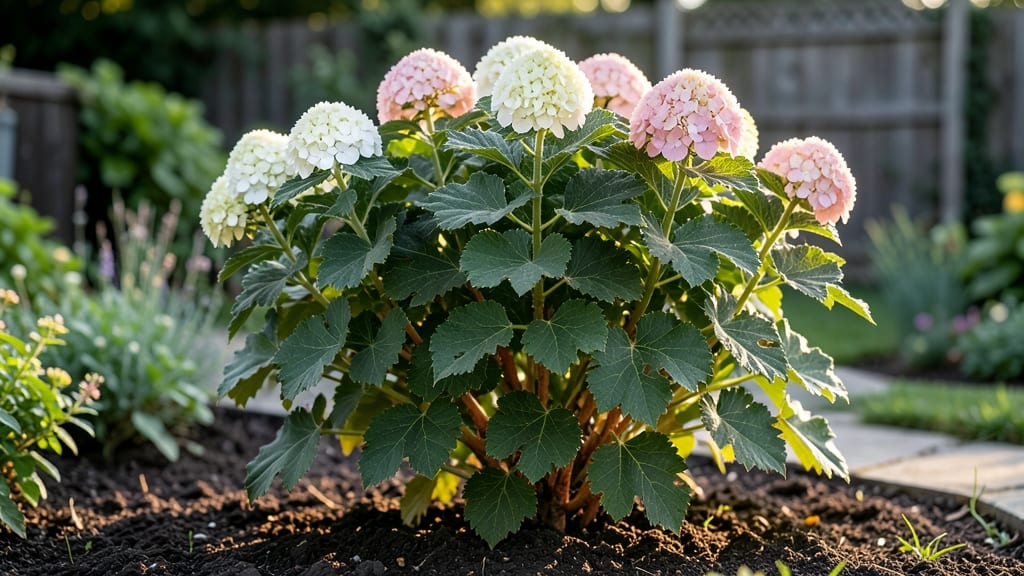
The images of oakleaf hydrangeas steal every season’s show with their bold foliage and dramatic blooms. 🌿 I've seen these plants transform gardens from ordinary to showstopping—spring's lacy flowers, summer's deep green leaves, and fall's fiery reds that last until winter.
The secret lies in how you stage them: as a bold centerpiece, a layered border, or even in containers where their foliage becomes the star.
These hydrangeas thrive in partial shade where others might struggle, making them perfect for tricky spots under trees or along north-facing walls. Pair them with evergreens for winter structure, ferns for lush texture, or ornamental grasses to sway in the breeze.
The foliage alone gives you year-round interest, but the blooms in late spring and summer add that extra wow factor.
What you'll love most is how versatile they are—whether you're going for cottage charm, modern minimalism, or woodland whimsy. A single plant can anchor a garden bed, while clusters create a dramatic hedge.
The key is playing with their natural colors: deep burgundy, chartreuse, or even variegated leaves that glow in sunlight.
For maximum impact, plant them where they'll get morning sun and afternoon shade. Group three together for a fuller look, and don't forget to prune in late winter to encourage fresh growth. These plants don't just survive—they thrive and shine in any garden style.
📚 In This Guide
- What you need
- Instructions
- Tips and common mistakes
- Wrapping up and next steps
What you need
- ● Oakleaf Hydrangea Plants: 1–3 mature plants (depending on desired size; choose Hydrangea quercifolia varieties like 'Snow Queen,' 'Pee Dee,' or 'Amethyst').
- ● Well-Draining Soil: 5–10 bags (50 lbs each) of garden loam mixed with compost (2–3 bags).
- ● Mulch: 3–5 bags of pine bark or shredded leaves (2–3 cubic feet each).
- ● Organic Fertilizer: 1 bag of balanced 10-10-10 or acid-loving plant food (e.g., Miracle-Gro Azalea/Camellia).
- ● Pruning Shears: 1 pair (bypass pruners, sharp and sterilized).
- ● Garden Gloves: 1 pair (nitrile-coated for durability).
- ● Staking: 3–6 bamboo stakes (5–6 ft tall) + soft ties (for young plants).
- ● Decorative Accents: Garden ornaments (e.g., birdhouses, stepping stones) for photo-friendly staging.
- ● Slow-Release Granules: 1 bag of Osmocote (14-14-14) for seasonal feeding.
- ● Spray Bottle: 1 (for misting leaves during image shoots).
- ● Camera/Phone Tripod: 1 (for crisp, angled shots of foliage).
How to capture oakleaf hydrangea's year-round beauty in photos
This is the method I use to photograph oakleaf hydrangeas at every season—so you can show off their foliage drama too.
📸 Step 1: Scout Locations for Seasonal Color Shifts
Oakleaf hydrangeas change color dramatically through the year, so visit your garden at different times to identify the best photo spots. In spring, look for fresh green leaves emerging alongside blooms—this is when the foliage is most vibrant. By summer, the leaves deepen to a rich dark green, and in fall, they burst into fiery reds, oranges, and purples. Even in winter, the exfoliating bark adds texture.
I always shoot near contrasting elements—like a white fence or dark evergreensmorning light softens shadows, while golden hour adds warmth to fall colors. Avoid midday sun, which can wash out the rich hues.
☀️ Step 2: Time Your Shots for Peak Foliage Drama
Each season demands a different approach. In spring, photograph when new leaves are fully unfurled but before they harden—this captures their tender, almost translucent quality. Use a macro lens to highlight the veins and texture of emerging foliage. For summer, focus on the bold, glossy leaves and pair them with blooms for contrast.
Fall is the star moment: shoot when leaves first blush pink or red—this fleeting phase creates the most striking images. In winter, strip away dead blooms to emphasize the peeling bark and skeletal structure. I like to include frost or snow for extra drama, but avoid overcast days when colors appear muted.
🌿 Step 3: Master Lighting for Foliage Depth
Oakleaf hydrangea leaves have incredible texture, so use light to sculpt their three-dimensional quality. Place your subject in dappled shade to create natural highlights and shadows that define each leaf’s shape. If shooting in bright sunlight, position the plant so light hits from the side—not overhead—to avoid flat, washed-out images.
For close-ups, I often use a reflector to bounce light onto shaded areas, ensuring even coverage. In fall, a slight backlight can make leaves glow. Always check your histogram to avoid overexposing the vibrant colors—hydrangea foliage can easily blow out in bright conditions. Underexpose by ½ to 1 stop if needed to preserve detail.
✂️ Step 4: Edit for Seasonal Storytelling
In post-processing, enhance the natural colors without overdoing it. For spring, boost greens and yellows slightly to emphasize freshness, while fall images benefit from warmer tones—think deep reds and oranges. Use a selective color adjustment to make the foliage stand out against the background.
I often apply a subtle vignette to draw focus to the center of the plant, where the most dramatic colors appear. For winter shots, increase contrast to make the textured bark pop against a plain background. Save your edits as separate presets for each season to streamline future workflows.
📅 Step 5: Plan a Year-Round Photo Series
To showcase oakleaf hydrangeas’ full potential, schedule shoots every 4-6 weeks throughout the year. Document the leaf emergence in spring, the summer’s lush growth, the fall color transformation, and the winter’s skeletal beauty. Use the same backdrop or framing for consistency, so viewers can see the plant’s evolution.
I keep a seasonal mood board to track color shifts and lighting conditions. This helps me anticipate the best times to capture each phase. Share your series as a before-and-after slideshow or calendar—it’s a stunning way to highlight this hydrangea’s year-round appeal.
Tips & tricks for capturing oakleaf hydrangea beauty
These little details make all the difference between good shots and showstopping images of oakleaf hydrangeas.
Seasonal Timing is Everything: In Step 1, when you're scouting locations, pay special attention to the exact moment leaves first blush in fall—this fleeting pink phase only lasts a few days! I've missed it twice now, and let me tell you, those photos don't compare. For spring, shoot when leaves are fully unfurled but still have that tender, almost translucent quality. I always check for this by gently touching the leaves—they should feel soft like silk, not stiff like leather.
Lighting Hack for Fall Colors: During Step 3's lighting discussion, remember that fall leaves glow best with a slight backlight—just position yourself so the sun is behind the foliage but not directly hitting your lens. I use a 5-in-1 reflector to bounce that golden light onto shaded areas, creating that magical "lit from within" effect. This works especially well when leaves first turn pink—it makes them appear almost illuminated from within.
Editing Consistency Tip: When you're applying those seasonal edits in Step 4, create separate presets for each season. I keep mine labeled "Spring Fresh," "Summer Lush," "Fall Fiery," and "Winter Texture." This ensures your color grading stays true to the plant's natural progression throughout the year. The key is subtle enhancement—you're not painting the leaves, you're just helping their natural beauty shine through.
Pro Tips for Images Oakleaf Hydrangea
- These little details make all the difference between good shots and showstopping images of oakleaf hydrangeas.
- Seasonal Timing is Everything: In Step 1, when you're scouting locations, pay special attention to the exact moment leaves first blush in fall—this fleeting pink phase only lasts a few days!
- Lighting Hack for Fall Colors: During Step 3's lighting discussion, remember that fall leaves glow best with a slight backlight—just position yourself so the sun is behind the foliage but not directly hitting your lens.
Frequently asked questions
Got questions about oakleaf hydrangeas?
You’re not alone! Here are answers to the most common queries about these stunning year-round stars—from care tips to troubleshooting tricks.
Why do my oakleaf hydrangea leaves turn brown in winter?
Their deep green or burgundy foliage is hardy, but severe cold (below 0°F/-18°C) or dry winds can cause browning. Mulch heavily (3–4 inches) in fall and water deeply before frost to prep roots. Pro tip: If the center stems stay green, the plant’s alive—just give it time to bounce back in spring!
When is the best time to prune oakleaf hydrangeas?
Prune late winter or early spring (before new growth starts) to avoid cutting off next year’s blooms. Never prune in fall—it removes flower buds! Use clean shears to trim dead or crossing branches and shape lightly. For dramatic foliage, avoid heavy pruning—these hydrangeas shine with their leaves, not just flowers!
Can I grow oakleaf hydrangeas in containers?
Yes! Choose a large pot (15+ gallons) with drainage holes and a well-draining potting mix. Move containers to partial shade in summer and full sun in cooler months. Water consistently—containers dry out faster—and fertilize lightly in spring. Dwarf varieties like ‘Little Lime’ are perfect for patios!
How do I get rid of aphids on my oakleaf hydrangea?
Aphids love new growth! Blast them off with a strong spray of water or use an insecticidal soap (like neem oil). For bad infestations, try ladybugs or lacewings—natural predators that’ll clean them up. Prevent future pests by keeping plants healthy with balanced fertilizer and pruning for airflow.
Are there oakleaf hydrangea alternatives for colder climates?
If Zone 5’s winters are too harsh, try ‘Snow Queen’ (white blooms, Zone 4) or ‘Annabelle’ hydrangea (Zone 3–9). For foliage lovers, consider smoke bush (Cotinus) or Japanese maple—both offer stunning color and cold hardiness!
Wrapping up and next steps
The oakleaf hydrangea is a showstopper in any garden, offering year-round drama with its stunning foliage and adaptable charm. Whether you’re drawn to its fiery fall colors, lush green leaves, or delicate blooms, this plant proves that beauty isn’t seasonal—it’s a permanent fixture in your landscape. 🌿
Ready to transform your outdoor space? Start by browsing oakleaf hydrangea images for inspiration, then pick your perfect variety. Next, grab your gardening tools and plant with confidence—your garden’s next masterpiece is just a few steps away!