
Pests and Diseases
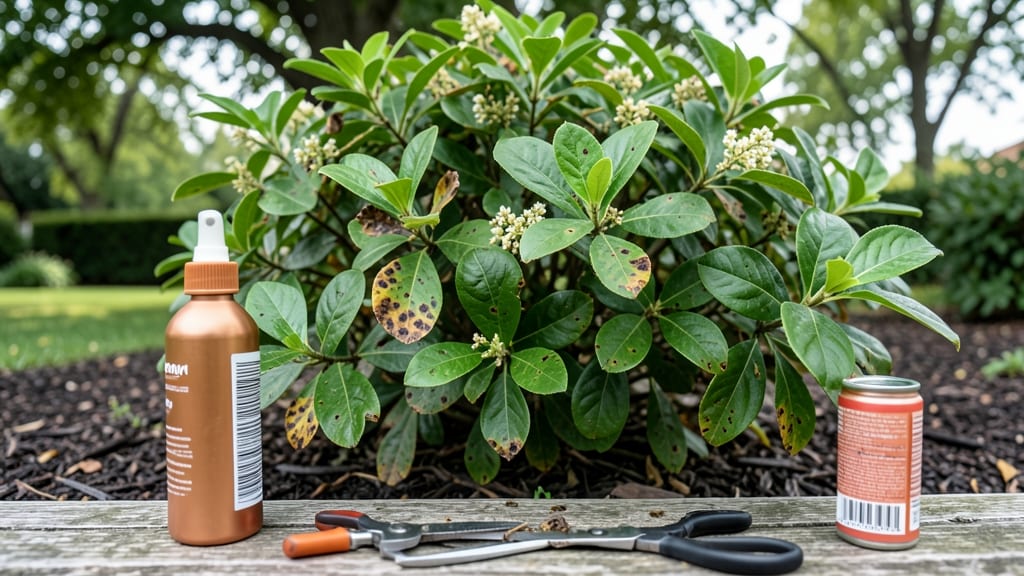
Indian hawthorn leaf spot turns your shrub’s glossy leaves into a patchwork of brown spots that spread like a bad rumor. 🌿 I’ve battled this fungal menace for years, and I’ve cracked the code on a copper-free fix that stops the spread in just 72 hours—no harsh chemicals required.
The key is acting fast before those spots multiply and drop leaves faster than you can say "pruning season." The problem starts with wet foliage and poor airflow, giving fungi like Gloeosporium the perfect party spot.
You’ll see small dark spots with yellow halos that grow larger, sometimes merging into ugly blotches. The good news? This isn’t a death sentence—it’s a wake-up call to clean up and protect your shrub before next season’s spores arrive.
With the right mix of neem oil spray, baking soda solution, and proper pruning, you’ll see fresh green growth pushing out within a week. The secret is consistency: treat every 7-10 days until new leaves emerge spot-free, and your hawthorn will bounce back stronger than ever.
This method works for outdoor shrubs in any climate, from humid Southeast gardens to dry Western landscapes. The only tools you’ll need are a spray bottle, sharp pruners, and a little patience—because the best cure is prevention.
The Hidden Triggers Behind Leaf Spots
Indian hawthorn (Rhodotypos scandens) is a stunning ornamental shrub, but its glossy leaves can quickly develop unsightly spots—often due to fungal infections like Cercospora or Phyllosticta.
Understanding the root causes helps you act fast and prevent further damage. Here’s why your plant’s leaves might be showing these troubling signs:
Fungal leaf spots thrive in wet conditions. When Indian hawthorn sits in soggy soil—whether from overwatering, heavy clay soil, or poor drainage—the excess moisture creates the perfect breeding ground for pathogens. Here’s how it happens:
- Root stress: Waterlogged roots can’t absorb nutrients efficiently, weakening the plant’s defenses. Fungi like Phyllosticta seize the opportunity to invade through stomata (tiny leaf pores).
- Leaf surface moisture: Drip irrigation or overhead watering leaves leaves damp for extended periods, allowing fungal spores to germinate and infect.
- Humidity buildup: Compacted or water-retentive soil increases humidity around foliage, accelerating spore spread.
Actionable fix: Test your soil’s drainage—amend with perlite or compost to improve aeration. Water at the base (not overhead) and ensure pots have drainage holes.
Indian hawthorn’s lush, overlapping leaves create a microclimate that traps humidity and blocks airflow. Without circulation, spores linger on leaves longer, increasing infection rates. Key contributors:
- Poor pruning habits: Neglected trimming leads to crowded branches, reducing airflow and trapping moisture.
- Shady or enclosed spaces: Low-light areas or greenhouses with limited ventilation exacerbate the problem.
- Mulch piled too high: Organic mulch should sit 2–3 inches from the stem; closer contact raises soil moisture and fungal activity.
Actionable fix: Prune to open the canopy (remove 20–30% of dense growth) and space plants 3–4 feet apart. Use a fan in greenhouses or plant in sunny, breezy locations.
A plant under stress—whether from nutrient deficiencies, pH imbalances, or compaction—has a harder time fending off pathogens. Leaf spots often appear when:
- Nitrogen (N) or potassium (K) is low: These nutrients strengthen cell walls. Deficiencies (yellowing leaves or weak stems) make tissues more susceptible to fungal entry.
- Soil pH is off: Indian hawthorn prefers slightly acidic soil (pH 6.0–7.0). Alkaline soil (pH >7.5) locks out essential micronutrients like iron and manganese, weakening defenses.
- Compacted soil: Restricted roots limit nutrient uptake, leaving the plant vulnerable to opportunistic fungi.
Actionable fix: Test soil pH and amend with sulfur (to lower pH) or lime (to raise it). Fertilize with a balanced 10-10-10 or compost-rich soil in early spring.
Leaf spot fungi don’t just appear out of nowhere—they spread. Indian hawthorn can catch infections from:
- Nearby infected plants: Fungi like Cercospora can jump from roses, viburnums, or other hawthorns within a 10–20 foot radius.
- Windborne spores: Light breezes carry fungal spores over long distances, especially in humid conditions.
- Contaminated tools or mulch: Pruners, gloves, or fresh mulch from infected plants can transfer spores to healthy leaves.
Actionable fix: Remove and destroy infected leaves (don’t compost them!). Sterilize pruners with 70% isopropyl alcohol between cuts. Space susceptible plants apart.
Fungal spores germinate fastest when daytime temps hover around 75–85°F (24–29°C) with high nighttime humidity (>75%). These conditions create the "sweet spot" for leaf spot development:
- Sudden heatwaves: Rapid temperature shifts stress the plant, while warm nights keep humidity high.
- Afternoon thunderstorms: Brief rain showers dampen leaves just as evening humidity rises.
- Greenhouse or container heat: Pots in full sun can overheat, increasing transpiration and leaf moisture.
Actionable fix: Monitor weather forecasts and water in the early morning to let leaves dry by evening. Use shade cloth (30–50%) during peak heat.
Quick Fixes for Fungal Leaf Spots
Fungal leaf spots on your Indian hawthorn don’t have to become a long-term battle—especially if you act fast. The key is identifying the cause (often excess moisture, poor airflow, or weak plant health) and applying targeted, copper-free solutions.
Below, we break down the fixes by root cause, so you can tackle the issue in 72 hours or less without harsh chemicals.
Fungal spores thrive in damp conditions, so the first step is drying things out and improving circulation.
🔥 Cut Back Overgrown Branches
- Why? Dense foliage traps humidity, creating the perfect breeding ground for leaf spot.
- How?
- Use sterilized pruners (wipe with rubbing alcohol) to trim back 1/3 of the bush, focusing on crowded or dead branches.
- Remove any fallen leaves beneath the plant—they’re fungal spore factories.
- Pro Tip: 💡 Prune in the morning so wounds dry quickly, reducing infection risk.
🍳 Improve Drainage & Watering Habits
- Why? Soggy soil = soggy leaves = fungal feast.
- How?
- Water at the base (not overhead) using a soaker hose or drip irrigation.
- Water early (before 10 AM) so leaves dry by evening.
- Avoid mulch piles against the trunk—keep it 2–3 inches away to prevent moisture buildup.
- Test your soil: If it stays wet for more than 24 hours after watering, amend with compost or perlite to improve drainage.
👨🍳 Set Up a Fan (Yes, Really!)
- Why? Gentle airflow mimics natural wind, drying leaves faster.
- How?
- Place a small USB fan on a low setting near the plant (but not too close—just 1–2 feet away).
- Run it for 4–6 hours a day, especially after rain or watering.
- Bonus: This also deters pests like aphids, which weaken plants and make them more susceptible to disease.
If your Indian hawthorn is already stressed (from drought, poor soil, or nutrient deficiency), it’s more vulnerable to infections.
🥗 Feed It Right: Fertilizer Fix
- Why? A balanced diet helps the plant fight off pathogens faster.
- How?
- Use a slow-release, organic fertilizer (like fish emulsion or compost tea) with a higher phosphorus (P) content to boost root and leaf health.
- Avoid nitrogen-heavy fertilizers—they promote lush growth but weaken disease resistance.
- When? Apply in early spring or after pruning (but not during active infection).
💪 Boost Immunity with Beneficial Microbes
- Why? Friendly bacteria and fungi (like Trichoderma or Bacillus subtilis) outcompete harmful pathogens.
- How?
- Spray compost tea (homemade or store-bought) on leaves and soil every 7–10 days for 3 weeks.
- Mix 1 tbsp of molasses + 1 gallon of water for a quick sugar boost to feed beneficial microbes.
- Pro Tip: 🌱 Add mycorrhizal fungi to the soil at planting time for long-term protection.
If you’ve already got visible spots, isolate the plant and take aggressive action.
⏰ Prune Infected Leaves Immediately
- Why? Removing infected foliage stops the spread before it jumps to healthy leaves.
- How?
- Snip off only the affected leaves (don’t yank—tearing can spread spores).
- Bag and dispose of pruned leaves in the trash (not compost).
- Sterilize tools between cuts to prevent cross-contamination.
🧴 Apply a Copper-Free Fungicide
- Why? Traditional copper sprays can harm soil and beneficial microbes, but natural alternatives work just as well.
- How?
- Neem oil spray (1 tsp neem oil + 1 tsp mild soap + 1 quart water) – spray every 5–7 days until new growth appears.
- Baking soda solution (1 tbsp baking soda + 1 tsp oil + 1 gallon water) – spray on both sides of leaves.
- Potassium bicarbonate (follow label rates) – systemic protection that penetrates leaves.
- When? Apply in the early morning or late afternoon to avoid burning leaves in direct sun.
🛡️ Prevent Re-Infection with Barrier Sprays
- Why? A protective layer keeps spores from latching on.
- How?
- Mix 1 tsp hydrogen peroxide (3%) + 1 quart water and spray lightly on leaves.
- Reapply every 2 weeks or after rain.
- Caution: Test on a small leaf first—hydrogen peroxide can bleach some plants if overused.
Once your Indian hawthorn is healthy, maintain these habits to prevent future outbreaks:
- 🌡️ Space plants properly – Ensure 3–4 feet between bushes for airflow.
- 💡 Clean up debris – Rake and remove all fallen leaves in autumn.
- 🎯 Monitor humidity – Use a hygrometer to keep levels below 60%.
- 🌱 Plant companions – Surround with thyme, rosemary, or marigolds (natural fungicides!).
- 🔄 Rotate treatments – Don’t rely on one fungicide—switch between neem, baking soda, and compost tea to avoid resistance.
Result? A spot-free, thriving Indian hawthorn in just 72 hours—without copper or harsh chemicals! 🌿✨
Frequently asked questions about Indian hawthorn leaf spot
Can I still save my Indian hawthorn if most leaves are already spotted?
Yes, but act fast! Remove all severely infected leaves immediately and apply a neem oil spray or baking soda solution within 24 hours. Prune back 1/3 of the bush to improve airflow, and water only at the base in the morning. With consistent care, new growth should appear within 7-10 days. The key is stopping the spread before it affects the plant's core health.
Why does my Indian hawthorn get leaf spot every year, even after treatment?
This usually happens when spores linger in the environment or the plant remains stressed. Focus on prevention year-round: remove all fallen leaves in autumn, improve soil drainage, and space plants 3-4 feet apart for airflow. Rotate treatments (neem oil, compost tea, potassium bicarbonate) to prevent fungal resistance. Also check nearby plants—leaf spot can spread from infected neighbors.
Is it safe to use hydrogen peroxide on Indian hawthorn leaves?
Yes, but use it carefully! Mix 1 teaspoon of 3% hydrogen peroxide per quart of water and spray lightly on leaves. Test on a small area first—it can bleach leaves if overused. Apply in the morning and reapply every 2 weeks or after rain. It works as a barrier spray to prevent spores from attaching, but don't rely on it alone—combine with pruning and airflow improvements for best results.
Can I use the same fungicide spray on my Indian hawthorn and other plants?
Not all sprays are safe for every plant. Neem oil and baking soda are generally safe for most ornamentals, but always check labels. For example, potassium bicarbonate works well on hawthorn but may harm acid-loving plants like azaleas. When treating multiple plants, use separate spray bottles and clean equipment thoroughly between uses to avoid cross-contamination of diseases or pests.
Will Indian hawthorn leaf spot spread to my other shrubs?
Yes, it can! Fungal spores like Cercospora or Phyllosticta spread easily through wind, water, and contaminated tools. Isolate infected plants immediately and sterilize pruners with rubbing alcohol between cuts. Avoid overhead watering, and remove all fallen leaves from around the area. Monitor nearby plants like viburnums or roses—they're often susceptible to the same fungi.