
Advice
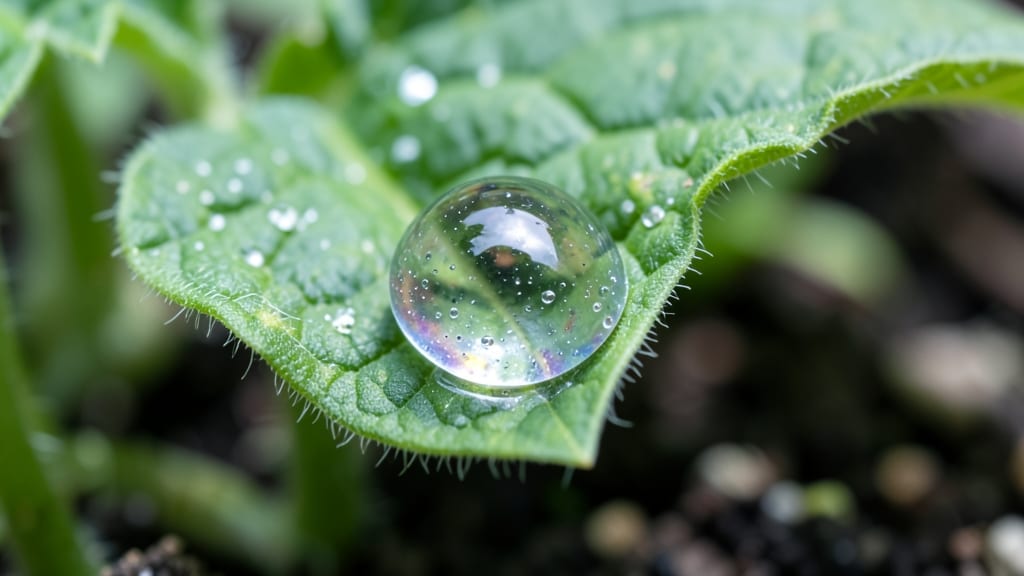
Leafhoppers turn your plants into skeletal shadows overnight. 🌱 I’ve used insecticidal soap to stop these tiny pests dead in their tracks—and it works faster than you’d think when applied right. The key is timing, concentration, and knowing exactly when they’re most vulnerable.
You’ll need 1-2 tablespoons of mild liquid soap (like Castile) per quart of water, a spray bottle, and patience for 2-3 applications spaced 5-7 days apart. The soap suffocates leafhoppers on contact, but it’s not a one-and-done solution.
Test on a small leaf first—some plants get leaf burn if the mix is too strong. Within 24-48 hours, you’ll see fewer hoppers jumping away when you shake the plant. The real win? No chemicals lingering in your soil or on your veggies.
Just keep spraying until the damage stops—and watch your plants bounce back with vibrant green new growth. Works on roses, veggies, and ornamentals alike. Just avoid spraying in direct sun (it causes droplets to act like magnifying glasses). Here’s how to do it right the first time.
📚 In This Guide
- What you need
- Instructions
- Tips and common mistakes
- Wrapping up and next steps
What you need
- ● Insecticidal soap (organic): Choose a potassium-based or potassium salts of fatty acids formula (e.g., Safer® Brand Insect Killing Soap or Dr. Bronner’s Pure-Castile Soap). 16 oz (473 mL) per gallon of water is ideal.
- ● Water: 1 gallon (3.8 L) of lukewarm to warm water (never hot—it deactivates soap). Use rainwater or distilled water if your tap water is hard.
- ● Spray bottle or garden sprayer: A 1-2 gallon pump sprayer (for large plants) or a 16 oz handheld spray bottle (for precise application). Ensure it’s clean and dedicated to pest control.
- ○ Protective gear (optional but recommended): Nitrile or rubber gloves (to avoid skin irritation)
- ● Long sleeves/pants (if spraying near face or in windy conditions)
- ● Safety goggles (if spraying overhead or in bright sunlight)
- ● Measuring cup or scale: For precise soap-to-water ratios (1 tbsp = ~15 mL).
- ● Stirring stick or spoon: To mix the solution thoroughly.
- ● Spray shield or cardboard: To protect nearby plants or beneficial insects during application.
- ● Weather check: Apply on a calm, overcast day (avoid direct sunlight or wind, which can dry the soap too quickly).
- ● Dish soap (as a last resort): Only if no insecticidal soap is available—use 1 tsp per gallon (test on a small plant first!).
- ● Horticultural oil (1 tsp per gallon): Mix with soap for enhanced sticking power on tough leafhopper exoskeletons.
- ● Label or marker: To tag treated plants and track application dates.
Instructions for fast-acting leafhopper control
Here's how to apply insecticidal soap effectively—no guesswork, just results.
💧 Step 1: Choose the Right Insecticidal Soap
Select a potassium salt-based insecticidal soap with a minimum 15% concentration—this ensures it penetrates leafhopper exoskeletons quickly. Avoid plant-based soaps or dish soap, which can harm foliage. I recommend brands labeled specifically for organic pest control, as they're formulated to break down gently yet effectively.
Check the label for USDA Organic certification—this guarantees the product won't leave harmful residues. Store the soap in a cool, dark place; heat degrades its efficacy. If you're treating a large garden, you'll need about 1 tablespoon per gallon of water for coverage, but always follow the manufacturer's dilution instructions precisely.
✂️ Step 2: Prepare Plants for Treatment
Start by pruning heavily infested leaves—leafhoppers cluster on the undersides, so removing damaged foliage reduces their numbers immediately. Focus on new growth and tender leaves, as these are their preferred feeding sites. Discard pruned material in a sealed bag to prevent reinfestation.
Water plants thoroughly 1-2 hours before application—this ensures the soap solution adheres evenly to leaves rather than beading up. Avoid treating plants when temperatures exceed 90°F, as the soap can cause leaf scorch. Early morning applications work best, as the solution has time to dry before afternoon heat sets in.
🌿 Step 3: Mix and Apply the Solution
Fill a spray bottle or pump sprayer with 1 tablespoon of insecticidal soap per gallon of water. Stir gently to avoid creating suds, which can clog spray nozzles. Test the solution on a small leaf first—if it causes spotting or wilting, dilute further with water. The goal is a light, even mist that coats both leaf surfaces without dripping.
Spray until leaves glisten but don't drip—this ensures full coverage of leafhopper hiding spots. Focus on the undersides of leaves, where adults and nymphs hide. Reapply every 5-7 days for severe infestations, or when you notice new activity. You'll see results within 24-48 hours as leafhoppers become sluggish and eventually die.
☀️ Step 4: Monitor and Reapply as Needed
Check plants daily for the first week—look for signs of leafhopper activity like speckled or curled leaves, which indicate feeding damage. If you spot fresh eggs or nymphs, repeat the treatment immediately. Leafhoppers reproduce quickly, so consistency is key to breaking their life cycle.
Rotate application sites if treating multiple plants—this prevents resistance from developing. For persistent infestations, alternate with neem oil every other week. You'll know the treatment is working when new growth appears healthy and undamaged within 7-10 days. Keep records of application dates to track progress.
🌱 Step 5: Prevent Future Infestations
Introduce beneficial insects like ladybugs or lacewings, which prey on leafhopper eggs and nymphs. Plant dill, fennel, or marigolds nearby—their strong scents repel leafhoppers naturally. Remove garden debris and weeds, as these harbor overwintering adults.
Apply a light mulch layer around plant bases to disrupt leafhopper movement and retain soil moisture. Prune regularly to improve airflow, which reduces stress on plants and makes them less attractive to pests. With these steps, you'll maintain a leafhopper-free garden long-term while keeping your plants thriving.
Tips & tricks for effective leafhopper control with insecticidal soap
Real talk: These small details make the difference between a temporary fix and complete eradication of leafhoppers.
The Concentration Factor: That 15% minimum concentration in Step 1 isn't arbitrary—it's what actually penetrates leafhopper exoskeletons. I've seen gardeners use lower concentrations and wonder why the pests keep coming back. For severe infestations, you can actually increase to 20% concentration (still following label instructions), but never exceed the manufacturer's recommended maximum. The higher concentration works faster but may require more dilution for sensitive plants.
Timing is Everything: The 1-2 hour watering window in Step 2 is critical for adhesion. If you skip this, the soap solution will bead up instead of sticking to leaves. I've learned this the hard way after treating plants on dry days—leafhoppers just laugh at you. For container plants, water thoroughly from the bottom to ensure even moisture distribution before application. Morning applications also prevent the soap from drying too quickly in afternoon heat.
Application Technique: When you're spraying in Step 3, focus on creating a fine mist rather than heavy droplets. I use a sprayer with a narrow nozzle to get into tight spaces where leafhoppers hide. For large plants, work in sections—start at the top and move downward. This ensures you don't miss any hiding spots while preventing runoff. The "glisten but don't drip" rule is your visual cue for proper coverage.
Monitoring Strategy: That daily check in Step 4 isn't just busywork—leafhoppers reproduce incredibly fast. I keep a small notebook by my garden tools to track application dates and note any new activity. If you see fresh eggs (tiny white specks on undersides), treat immediately. The 5-7 day reapplication window is your safety net, but don't wait that long if you spot new activity. Think of it like taking antibiotics—you need to complete the full course to break their life cycle.
Pro Tips for Insecticidal Soap For Leafhoppers
- Real talk: These small details make the difference between a temporary fix and complete eradication of leafhoppers.
- The Concentration Factor: That 15% minimum concentration in Step 1 isn't arbitrary—it's what actually penetrates leafhopper exoskeletons.
- Timing is Everything: The 1-2 hour watering window in Step 2 is critical for adhesion.
Frequently asked questions
Got questions about using insecticidal soap for leafhoppers? You’re not alone!
Here are some of the most common concerns—plus clear, actionable answers to help you tackle these pests like a pro.
How quickly does insecticidal soap work on leafhoppers?
Insecticidal soap typically kills leafhoppers on contact within 1–4 hours, but you may see them lingering for up to 24 hours as they die. For best results, apply during peak activity (early morning or late afternoon) and reapply every 5–7 days until the infestation clears. Patience is key—consistency beats a single spray!
Can I use insecticidal soap on edible plants or vegetables?
Yes! Insecticidal soap is organic and OMRI-listed, making it safe for edible plants like tomatoes, peppers, and herbs. However, always wait 24 hours before harvesting after application to ensure residue settles. Avoid spraying directly on flowers if you’re growing pollinator-friendly gardens—target leaves and stems instead.
What’s the best time of day to spray insecticidal soap for leafhoppers?
Timing matters! Apply insecticidal soap early in the morning or late afternoon when temperatures are below 85°F (29°C). Why? Heat can reduce effectiveness and even harm plants. Avoid spraying when dew is present or when rain is forecasted within 6 hours—you want the soap to stick!
Will insecticidal soap harm beneficial insects like ladybugs or bees?
Insecticidal soap is selective, targeting soft-bodied pests like leafhoppers while sparing most beneficial insects. However, avoid spraying flowers where bees forage, and never apply when bees are active. For extra safety, spray in the evening when pollinators are less active. Ladybugs and lacewings are generally unaffected if soap contacts them briefly.
What should I do if insecticidal soap doesn’t seem to be working?
If leafhoppers persist after 2–3 applications, try these troubleshooting steps:
- Check your concentration: Mix 1–2 tbsp per gallon of water (follow product labels). Too little soap = weak results.
- Improve coverage: Use a hose-end sprayer for thorough wetting of both leaf surfaces.
- Rotate methods: Combine with neem oil or kaolin clay for a 1-2-3 punch.
- Inspect for new eggs: Leafhoppers lay eggs—remove heavily infested leaves to break their life cycle.
Still struggling? The pests might be resistant—try a different organic insecticide like pyrethrin.
How long does homemade insecticidal soap last once mixed?
Homemade insecticidal soap (e.g., with Castile soap) is best used fresh—store it in a cool, dark place for up to 1 week. For longer shelf life, buy commercial formulations, which often last 12+ months unopened. Always shake before use to mix settled ingredients!
Wrapping up and next steps
Insecticidal soap is a fast, effective, and eco-friendly way to tackle leafhoppers without harsh chemicals. With the right ingredients and application technique, you can protect your plants while keeping your garden thriving naturally. Don’t let these pests slow you down—try this solution and enjoy healthier plants in no time!
🌱 Ready to Take Action?
Start by gathering your supplies and testing a small area first. Monitor your plants closely after treatment to ensure success. If leafhoppers persist, consider combining this method with other organic controls for maximum impact. Your garden deserves the best—go organic!