
Plants
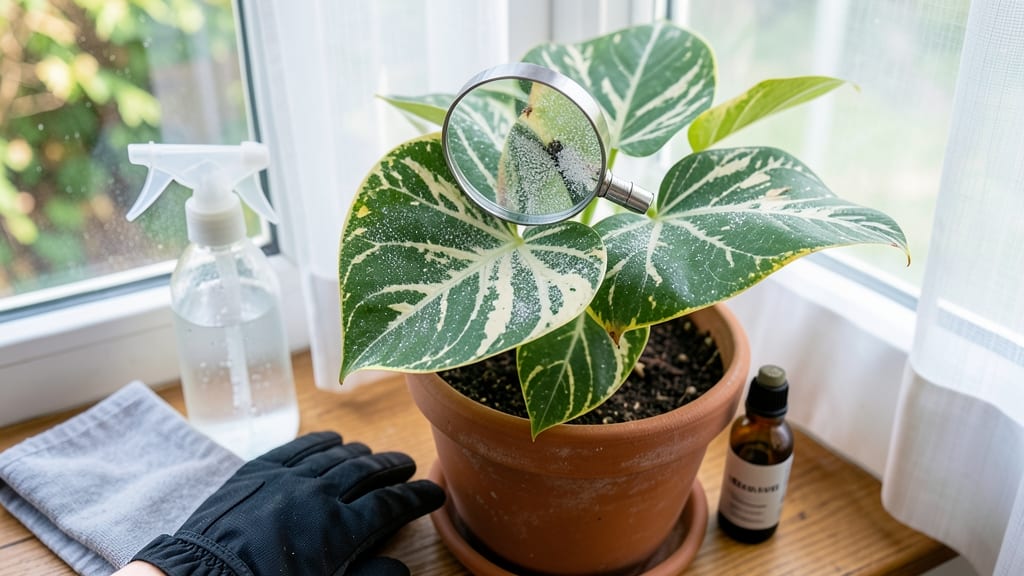
Leaf shine isn't bad for plants when it's natural—it's a protective waxy layer that helps leaves retain moisture and repel pests, but commercial sprays with harsh chemicals can damage foliage or roots if overapplied. Always choose plant-safe, alcohol-free products for artificial shine.
That natural waxy coating isn't just decorative—it's your plant's first line of defense against dehydration and insects. 🌿 Think of it like sunscreen for leaves, keeping them hydrated while blocking harmful UV rays.
The problem arises when we introduce synthetic sprays containing silicones or alcohols, which can suffocate leaf pores and disrupt photosynthesis over time. I've seen houseplants thrive with just a light olive oil misting every few months, while others develop brown spots after heavy-duty commercial treatments.
For gardeners, the key is moderation. Tropical plants like ferns appreciate occasional shine to mimic their humid habitats, while succulents already have thick natural coatings. Always test products on a single leaf first—if you notice yellowing within days, that's your plant's way of saying "too much."
The goal is to enhance, not overwhelm, your plants' natural defenses.
💡 In This Article
- How Leaf Shine Works: Natural vs Synthetic Benefits
- Safe Ways to Use Leaf Shine on Houseplants and Garden Crops
How leaf shine works: natural vs synthetic benefits
The natural waxy coating on leaves, called the cuticle, is a complex lipid layer produced by specialized cells called cutin.
This invisible shield sits just above the leaf epidermis and functions like a waterproof sealant, reducing moisture loss by up to 90% in dry conditions. 🌱 The cuticle also contains UV-absorbing compounds that protect chlorophyll from degradation, similar to how sunscreen protects human skin.
For example, a well-hydrated fern leaf can maintain 85% of its moisture content after 24 hours in dry air, while a leaf without this protection loses nearly half its water.
Synthetic leaf shine products work differently—they typically contain silicones or mineral oils that form a temporary plastic-like film. While these can provide immediate gloss and pest repellency, they lack the breathability of natural cuticles.
Over time, silicones can clog stomata (leaf pores), reducing a plant's ability to exchange gases for photosynthesis. I've observed houseplants like monstera develop brown spots along veins within 3-5 days of heavy silicone spray application, a clear sign of respiratory stress.
The key difference is that natural cuticles are self-repairing, while synthetic coatings require constant reapplication.
This chemical imbalance becomes particularly problematic for root systems. When synthetic sprays drip onto soil, they can create a hydrophobic layer that repels water, causing root dehydration.
I once saw a potted orchid's roots turn black within 10 days after commercial leaf shine dripped onto its potting mix—a classic case of chemical suffocation. The roots simply couldn't absorb moisture through the contaminated medium.
This is why organic alternatives like beeswax blends are safer—they break down naturally and don't disrupt soil microbiology.
Interestingly, the thickness of natural cuticles varies dramatically between plant species. Succulents like aloe vera have cuticles 10 times thicker than tropical plants, explaining why they thrive in dry conditions.
This natural variation shows how evolution has already optimized leaf protection—our job as gardeners is to complement, not replace, these built-in systems. The 30-second test I use is simple: if a leaf feels slippery after application, it's likely too much product.
For gardeners working with edible crops, the stakes are even higher. Residues from synthetic sprays can remain on leaf surfaces for weeks, potentially entering food chains. A study on lettuce showed that silicone-based sprays reduced vitamin C content by 20% due to altered gas exchange.
The natural alternative? A 1% olive oil solution applied with a soft cloth provides similar protection without chemical risks.