
Pruning
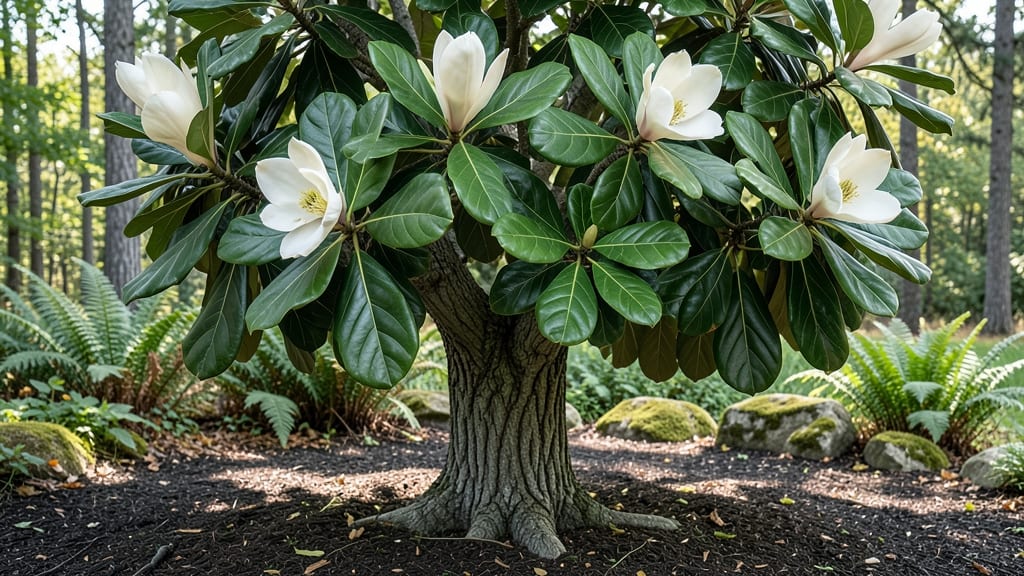
Pruning Japanese bigleaf magnolia transforms it from a wild shrub into a showstopping focal point with glossy leaves the size of dinner plates. 🌿 I’ve pruned these giants for years, and the secret isn’t just cutting—it’s understanding when and why to shape them for year-round drama.
These trees reward patience with dramatic blooms and lush foliage that outshines most neighbors’ gardens.
The key is timing: prune late winter to early spring before new growth starts, but avoid heavy cuts after summer—you’ll sacrifice next year’s flowers. Use sharp bypass pruners to make clean cuts just above outward-facing buds, and never remove more than 25% of the canopy in one season.
My first attempt left a sad, lopsided tree, but now I prune with purpose, and the results are stunning.
You’ll end up with a tree that looks like it belongs in a botanical garden, not your backyard. The leaves stay deep green and leathery year-round, and those occasional cup-shaped blooms in spring become the talk of the neighborhood.
Even in Zones 4-9, this technique keeps them thriving—just adjust pruning intensity for colder climates.
Whether you’re shaping a young tree or cleaning up an overgrown giant, the same principles apply. The payoff? A magnolia that feels like a masterpiece, not just another tree. Let’s get those shears out and make it happen.
📚 In This Guide
- What you need
- Instructions
- Tips and common mistakes
- Wrapping up and next steps
What you need
- ● Pruning shears: Bypass pruners (sharp, 5–8 inches) for small branches.
- ● Loppers: 1–2 pairs (8–12 inches) for thicker branches (½–1½ inches in diameter).
- ● Pruning saw: 1 curved-tooth saw (for branches >1½ inches thick).
- ○ Disinfectant: 70% isopropyl alcohol or a pruning sealant (optional but recommended).
- ● Gloves: Heavy-duty, cut-resistant (e.g., leather or synthetic mesh).
- ● Safety glasses: Protect your eyes from debris.
- ● Ladder or step stool: Extendable (6–10 feet) for high branches.
- ● Trash bags: 2–3 heavy-duty bags for clippings.
- ● Weather check: Prune on a dry, overcast day (avoid frost or extreme heat).
- ● Timing guide: Refer to your local frost dates (late winter/early spring is ideal).
- ○ Optional: Hand pruners (for fine-tuning small cuts).
- ● Pruning paint/sealant (for large cuts >½ inch).
- ● Extension pole saw (for very high branches).
- ● Notebook & pen (to track pruning notes).
Instructions for pruning Japanese bigleaf magnolia
Here's my method for keeping these stunning trees healthy and full year-round—without sacrificing their iconic blooms.
🌿 Step 1: Time Your Pruning for Optimal Growth
Japanese bigleaf magnolias bloom on old wood, so timing matters. The best time to prune is late winter to early spring, just as buds begin to swell but before flowers appear. This gives the tree time to set new growth before summer heat arrives. Avoid pruning after flowering—you'll risk removing next year's blooms.
If you must prune after blooming, wait until August when the tree has finished flowering. Never prune during dormancy in late fall or winter—this stresses the tree and invites disease. Watch for buds swelling along branches; that's your cue to grab the shears.
✂️ Step 2: Remove Dead, Diseased, or Crossing Branches First
Start by eliminating any branches that are dead, diseased, or crossing—these compete for energy and disrupt airflow. Cut back to the branch collar (the swollen area where the branch meets the trunk) using clean, sharp pruners. Make cuts at a 45-degree angle just outside the collar to prevent water from pooling and rotting the wound.
If a branch is larger than ½ inch in diameter, use a pruning saw instead of shears. Sterilize your tools with rubbing alcohol between cuts to prevent spreading fungal spores. You'll know you're doing it right when the cuts look smooth and the tree's structure becomes more open and airy.
☀️ Step 3: Thin the Canopy for Light Penetration
Next, focus on thinning the canopy to improve airflow and sunlight distribution. Select branches that are growing inward or downward and remove one-third of the branch at its point of origin. This encourages upward growth and prevents the tree from becoming too dense. Avoid "heading back" (cutting back to a lateral bud)—this promotes weak, bushy growth in magnolias.
Step back and assess the tree's shape from all angles. You want a balanced silhouette with no heavy clusters of branches on one side. Japanese bigleaf magnolias naturally grow with a rounded form, so aim to maintain that while opening up the center. If you see branches rubbing together, remove the smaller one to prevent future damage.
🌱 Step 4: Shape and Maintain the Tree’s Natural Form
Now it's time to refine the tree's shape. Japanese bigleaf magnolias have a graceful, layered branching habit, so avoid heavy pruning that disrupts their natural form. Focus on light pruning—removing only the necessary branches to maintain balance and airflow. Never remove more than 25% of the tree's foliage in one season; this stresses the tree and reduces flowering.
Pay special attention to the lower branches. While it might be tempting to remove them for a cleaner look, leave them to maintain the tree's character and provide shade for the roots. If a branch is growing too low, prune it back to a higher lateral branch. Use your hand as a guide—if you can't fit it under the branch without touching the trunk, it's too low.
🪴 Step 5: Clean Up and Monitor for Recovery
After pruning, rake up and dispose of all debris to prevent disease. Apply a layer of mulch (2-3 inches deep) around the base of the tree, keeping it 6 inches away from the trunk to prevent rot. Water the tree deeply to help it recover from the stress of pruning. You'll see new growth emerging from the pruned areas within 4-6 weeks, signaling that the tree is healing well.
Monitor the tree closely in the weeks following pruning. If you notice any signs of stress—such as yellowing leaves, wilting, or oozing sap—reduce watering and avoid further pruning until the tree recovers. Japanese bigleaf magnolias are resilient, but they do best when pruned with care and patience. With the right approach, your tree will reward you with lush foliage and stunning blooms for years to come.
Tips & tricks for perfect Japanese bigleaf magnolia pruning
These precision-focused tips will help you maintain your magnolia's health without compromising its breathtaking blooms.
Timing is Everything: The late winter to early spring window is critical because magnolias bloom on old wood—meaning next year's flowers are already formed on this year's branches. I always check for bud swell as my definitive cue, and I've learned that pruning too early can stress the tree while waiting too long risks removing potential blooms. Mark your calendar for February to March in most climates, but adjust for your specific microclimate—late winter is when buds begin to plump up noticeably.
Tool Preparation Matters: Sterilizing your pruners between cuts with rubbing alcohol is non-negotiable—this prevents spreading fungal diseases that can devastate your tree's health. I keep a small bottle of 70% isopropyl alcohol in my tool bag and wipe down blades after every 3-4 cuts, especially when working with diseased branches. Sharp tools also make cleaner cuts that heal faster, so I always check my pruners' edges before starting and sharpen them if needed. A dull blade tears tissue, creating larger wounds that invite infection.
Canopy Thinning Strategy: When removing one-third of inward-growing branches in Step 3, focus on creating an open center that allows sunlight to reach all parts of the canopy. I visualize the tree's natural rounded form and work from the inside out—this prevents creating a "broomstick" effect where branches grow too tightly together. For larger trees, I'll often start from the bottom and work upward to maintain that graceful layered look while improving airflow throughout the entire structure.
Pro Tips for Japanese Bigleaf Magnolia
- These precision-focused tips will help you maintain your magnolia's health without compromising its breathtaking blooms.
- Timing is Everything: The late winter to early spring window is critical because magnolias bloom on old wood—meaning next year's flowers are already formed on this year's branches.
- Tool Preparation Matters: Sterilizing your pruners between cuts with rubbing alcohol is non-negotiable—this prevents spreading fungal diseases that can devastate your tree's health.
Frequently asked questions
When is the best time to prune a Japanese bigleaf magnolia?
The ideal time is late winter or early spring (before buds swell) to avoid stimulating new growth too early. Never prune in fall—it can leave branches vulnerable to frost damage. Light shaping can be done in summer, but avoid heavy cuts during flowering season (late spring) to preserve blooms.
Can I prune a Japanese bigleaf magnolia in summer?
Yes, but keep it minimal! Summer pruning should focus on removing only dead, diseased, or crossing branches to avoid stress. Heavy cuts can trigger weak, water-sprout growth. If you must reshape, do it in late summer—just don’t prune after mid-August in colder zones to prevent winter dieback.
Will pruning reduce next year’s flowers?
Not if done correctly! Pruning after flowering (late spring/early summer) ensures you won’t cut off next year’s blooms. However, avoid over-pruning—these magnolias flower on old wood, so heavy cuts can reduce future blooms. Aim for no more than 20% of the canopy in a single session.
My magnolia’s leaves are yellowing after pruning—what went wrong?
Yellowing leaves often signal over-pruning, stress, or disease. If cuts were too severe, the tree may struggle to support foliage. Check for:
- Clean cuts (use sharp tools to avoid tearing bark).
- No exposed large branches (stub wounds invite pests).
- Proper timing (avoid pruning during drought or extreme heat).
Are there alternatives to pruning for shaping my magnolia?
If pruning feels too risky, try these low-impact methods:
- Selective branch removal—remove only the most obstructive branches instead of reshaping.
- Natural growth training—guide young trees with stakes and ties to encourage desired shapes.
- Thinning out—remove dense inner branches to improve airflow (no heavy cuts needed).
Wrapping up and next steps
The Japanese Bigleaf Magnolia is a stunning addition to any garden, and with the right pruning techniques, you can keep it thriving year-round! 🌿 By following seasonal guidelines—like light shaping in late winter and deadwood removal after blooms—you’ll encourage vibrant growth and breathtaking flowers.
Remember, precision trimming ensures health without stressing the tree.
Ready to give your magnolia the care it deserves? Grab your tools, start small, and enjoy the process—your garden will thank you! For deeper expertise, consider consulting a local arborist or joining a gardening community for shared tips and inspiration. Happy pruning! ✂️🌸