
Trees
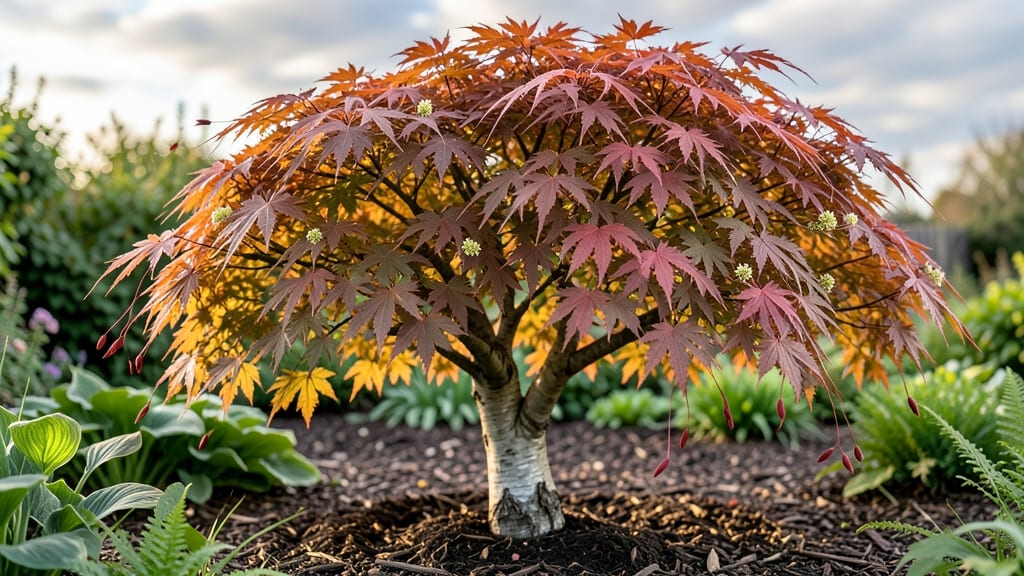
Growing a Japanese maple laceleaf means welcoming a tree that looks like a living watercolor painting. 🌿 Its delicate, fern-like leaves turn fiery red in autumn, and it thrives in zones 5-8 with surprisingly little fuss—once you know the right tricks.
The secret starts with soil: rich, well-draining, and slightly acidic (think mulched garden beds or raised beds with compost). It needs morning sun and afternoon shade to prevent leaf scorch, especially in hot climates.
Water deeply once a week during its first year, then let the soil dry slightly between waterings—overwatering is the quickest way to lose those stunning leaves.
By summer, you’ll see why this tree earns its reputation: vibrant green foliage that sways in the breeze, perfect for small gardens or as a statement piece in larger landscapes.
With proper care, it grows 3-5 feet tall and wide, making it ideal for urban spaces where bigger trees won’t fit. Winter protection is key in colder zones: wrap the trunk with burlap or use a tree guard to shield it from harsh winds.
Pests are rare, but watch for spider mites—spray with water to deter them. This tree rewards patience with decades of beauty, and once established, it’s nearly maintenance-free.
📚 In This Guide
- What you need
- Instructions
- Tips and common mistakes
- Wrapping up and next steps
What you need
- ● Japanese Maple Laceleaf Tree: 1–3-year-old container-grown sapling (best for beginners) OR
- ● Seeds (if propagating from scratch—requires patience!)
- ● Planting Site: Well-draining, slightly acidic soil (pH 5.0–6.5)
- ● Partial shade to full sun (morning sun + afternoon shade ideal)
- ● Protective spot for young trees (avoid harsh winds)
- ● Tools: Trowel or spade (for digging)
- ● Garden gloves (to keep hands clean and protected)
- ● Watering can or hose (with a gentle spray nozzle)
- ● Mulch (2–3 inches of organic material like wood chips or bark)
- ● Soil Amendments: Compost or peat moss (to improve drainage)
- ● Slow-release fertilizer (balanced 10-10-10 or acid-loving plant mix)
- ● Support: Stakes or tree ties (for young, top-heavy trees)
- ● Pest Control: Neem oil or insecticidal soap (for aphids or spider mites)
- ● Decorative Touches: Garden flags or stakes (to mark the planting spot)
- ● Rocks or edging (to define the tree’s space)
Step-by-Step instructions for planting and caring for Japanese maple laceleaf
Here’s how to grow this stunning tree with minimal fuss—just follow these simple steps for a showstopper that thrives with patience.
🌱 Step 1: Choose the Perfect Planting Spot
Japanese maple laceleaf loves dappled shade—think morning sun and afternoon shade—to protect its delicate foliage from harsh rays. A spot with 4-6 hours of indirect light daily works best. Avoid full sun, which can scorch leaves, or deep shade, which weakens growth.
Check the soil first—laceleaf prefers well-draining, slightly acidic soil (pH 5.0-6.5). If your yard has heavy clay, mix in 2-3 inches of compost or organic matter to improve drainage. The tree’s roots are shallow, so avoid areas where water pools after rain.
🪴 Step 2: Dig the Hole and Plant Correctly
Dig a hole twice as wide as the root ball but no deeper—this prevents root suffocation. Gently remove the tree from its container and loosen any circling roots with your fingers. Place it in the hole so the top of the root ball sits level with the ground—burying too deep can cause rot.
Backfill with the native soil, pressing lightly to remove air pockets. Water deeply to settle the soil and eliminate gaps. Mulch around the base with 2-3 inches of organic mulch (like wood chips), keeping it 6 inches away from the trunk to prevent rot.
☀️ Step 3: Water and Protect New Growth
Water deeply once a week for the first month, ensuring the soil stays evenly moist but not soggy. After that, laceleaf is drought-tolerant once established, but young trees need consistent moisture. Check soil moisture by sticking your finger 2 inches down—if it’s dry, water again.
Protect young trees from strong winds, which can damage delicate branches. If planting in a windy area, consider a temporary burlap windbreak for the first growing season. Prune only to remove dead or crossing branches—never shape laceleaf aggressively, as its natural form is its beauty.
✂️ Step 4: Prune and Fertilize for Long-Term Health
Prune laceleaf only in late winter or early spring before new growth begins. Remove dead, diseased, or crossing branches with clean, sharp pruners, cutting just above a bud or branch collar. Avoid heavy pruning—this tree’s charm lies in its natural, airy shape.
Fertilize lightly in early spring with a balanced, slow-release fertilizer (10-10-10). Over-fertilizing leads to weak growth and fewer vibrant leaves. If your soil is poor, a top dressing of compost in spring is enough to keep laceleaf thriving without excess nutrients.
⏰ Step 5: Enjoy and Monitor for Pests/Diseases
Japanese maple laceleaf is generally pest-resistant, but watch for aphids or spider mites on new growth. Spray with water or neem oil if you spot clusters. Fungal diseases like powdery mildew can appear in humid climates—improve airflow by pruning nearby plants and avoid overhead watering.
In colder climates, laceleaf is hardy to USDA Zone 5, but young trees may need winter protection like a burlap wrap or mulch layer to shield roots from freeze-thaw cycles. With minimal care, this tree will reward you with stunning fall color and year-round interest for decades.
Tips & tricks for perfect Japanese maple laceleaf planting
Here's what I've learned from years of growing these stunning trees—these little details make all the difference between a struggling sapling and a thriving showstopper.
Location is Everything: When evaluating that 4-6 hours of indirect light in Step 1, pay special attention to seasonal sun patterns. Morning sun in summer can be intense—look for spots where afternoon shade arrives by late morning. I've seen laceleaf leaves burn when planted too close to east-facing windows where morning sun lasts longer than expected. Test your spot for a week first if possible.
Root Ball Rescue: In Step 2, if you notice circling roots when loosening them, don't just cut them—make small vertical cuts every 1-2 inches around the root ball to encourage outward growth. This mimics natural root development. I've seen trees planted with uncut circling roots struggle for years, while those with this simple treatment thrive immediately. The key is to work gently but thoroughly.
Watering Wisdom: That first month of weekly deep watering in Step 3 is critical, but timing matters just as much as quantity. Water in the early morning so leaves have time to dry before evening. Wet foliage at night invites fungal issues. I've had to replant trees that developed powdery mildew from poor watering habits—don't make my mistake!
Winter Prep: For Zone 5 growers, don't wait until the first frost to protect young trees. Start wrapping trunks with burlap when nighttime temperatures drop below 40°F. I've seen laceleaf branches crack from sudden temperature swings when protection came too late. The extra effort now means vibrant growth next spring.
Pro Tips for Japanese Maple Laceleaf
- Here's what I've learned from years of growing these stunning trees—these little details make all the difference between a struggling sapling and a thriving showstopper.
- Location is Everything: When evaluating that 4-6 hours of indirect light in Step 1, pay special attention to seasonal sun patterns.
- Root Ball Rescue: In Step 2, if you notice circling roots when loosening them, don't just cut them—make small vertical cuts every 1-2 inches around the root ball to encourage outward growth.
Frequently asked questions
Got questions about growing and caring for your Japanese Maple Laceleaf? You’re not alone! Here are some of the most common queries—and their answers—to help you nurture this stunning tree with confidence.
What’s the best time to plant a Japanese Maple Laceleaf?
Plant your laceleaf in early spring or fall when temperatures are mild. This gives roots time to establish before extreme heat or cold. Avoid planting in summer—heat stress can stunt growth. If you must plant in late fall, choose a spot with winter protection (like a windbreak) until spring.
How cold-hardy is this tree, and does it need winter care?
The Japanese Maple Laceleaf thrives in USDA Zones 5–8, but young trees or those in exposed areas may need extra care. Mulch heavily (3–4 inches) around the base in late fall to insulate roots. Avoid heavy snow buildup on branches—gently brush it off to prevent breakage. Pro tip: Water deeply before the ground freezes for added protection!
Can I grow a Japanese Maple Laceleaf in a container? Yes—but with limits!
While possible, laceleaf maples prefer the ground for long-term health. If container-growing, use a large pot (15+ gallons) with well-draining soil and repot every 2–3 years. Place in partial shade and water consistently—containers dry out faster. Expect slower growth and smaller size compared to in-ground trees.
Why are the edges of my laceleaf’s leaves turning brown?
Brown, crispy edges usually signal underwatering, salt buildup, or cold stress. Check soil moisture (top 1–2 inches should be dry but not bone-dry). If you’re in a windy area, mulch more heavily or add a windbreak. For potted trees, flush soil with water monthly to remove salt. Quick fix: Trim affected leaves to encourage new growth!
Are there dwarf varieties of Japanese Maple Laceleaf?
Yes! Look for cultivars like ‘Shishigashira’ (mossy bark) or ‘Seiryu’, which stay under 10 feet tall. These are perfect for small gardens or containers. Just ensure they get morning sun and afternoon shade—they’re just as sensitive to heat as larger varieties.
Wrapping up and next steps
The Japanese Maple Laceleaf is a stunning, low-maintenance tree that brings elegance and resilience to any garden. With its vibrant foliage, cold-hardy nature, and minimal care needs, it’s the perfect choice for both beginners and seasoned gardeners.
Whether you’re planting it in a container or directly in the ground, this beauty will reward you with years of breathtaking color and structure.
Ready to transform your outdoor space? Grab your gloves, pick a sunny spot, and get growing! 🌿 Start by selecting the right variety for your climate, and soon, you’ll be enjoying the serene beauty of your own Japanese Maple Laceleaf. Happy planting! 🌸