
Leaf Blower
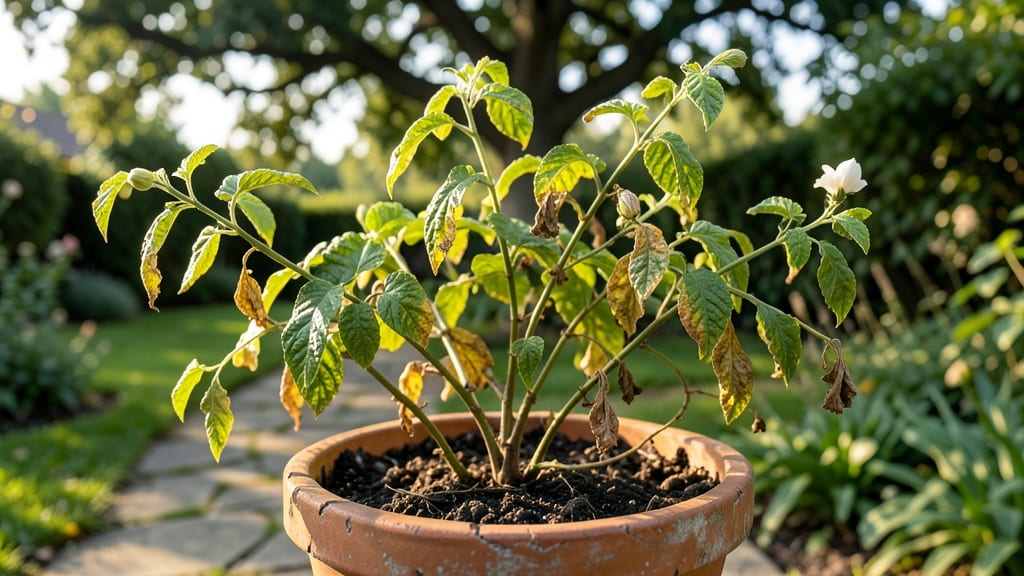
Your jasmine’s curled leaves aren’t just ugly—they’re a fungal SOS. 🌿 Fungal leaf curl turns glossy foliage into crinkled messes, and copper spray is your best shot at stopping it before it spreads.
I’ve battled this exact problem with my star jasmine, and the key is acting fast with the right treatment. The real enemy here is Cercospora or Alternaria fungi, thriving in damp, shady conditions. Those telltale curled, yellow-edged leaves? That’s your plant’s last-ditch effort to protect itself.
Left unchecked, the fungus moves to stems and flowers, and suddenly your fragrant climber becomes a sad, spotty shadow of itself. With copper spray, you’ll see improvement within 10-14 days—new growth stays crisp, and the fungus gets choked out.
Prune affected leaves aggressively (don’t compost them!) and space out spray applications every 7-10 days for full recovery. The secret? Timing—treat at dawn or dusk when humidity is high but leaves are dry. This works for all jasmine varieties, from star jasmine to Confederate.
For stubborn cases, repeat treatments and boost airflow with pruning. When in doubt, a local extension office can confirm the fungus—don’t guess with your plant’s life on the line.
Root Causes Of Leaf Distortion
Understanding why your jasmine leaves develop that unsightly curl is the first step toward treating—and preventing—this frustrating issue. Leaf curl is rarely a single culprit but often a mix of environmental stressors, pests, or microbial invaders.
Let’s break down the primary triggers behind this plant ailment, so you can identify the cause and take targeted action.
Jasmine plants thrive in moderate climates, but when temperatures or humidity levels swing too far outside their comfort zone, leaves react by curling as a protective response. Here’s how it happens:
- Extreme Heat Stress 🔥 When daytime temperatures exceed 90°F (32°C)—especially paired with low humidity—the plant’s stomata (tiny pores) close to conserve water. This causes leaves to pucker and curl to reduce surface area and minimize water loss.
Over time, curled leaves may also yellow or scorch at the edges.
- Poor Air Circulation & High Humidity 🌬️➡️💦 Stagnant, humid air (like in greenhouses or dense foliage) creates the perfect breeding ground for fungal spores.
While humidity alone doesn’t cause curl, it weakens the plant’s defenses, making it more susceptible to infections like Pseudomonas syringae—a bacterium notorious for triggering leaf curl in jasmines.
- Cold Snaps & Temperature Fluctuations ❄️🔄☀️ Jasmine leaves curl when exposed to sudden cold drafts (below 50°F/10°C) or rapid temperature swings. This shock response disrupts cell expansion, leading to distorted, wavy, or curled foliage. Evergreens like jasmine are particularly sensitive to late-season frosts or indoor-outdoor transitions.
While environmental stress sets the stage, pathogens often steal the show. Two key culprits cause jasmine leaf curl:
- Fungal Leaf Spot Diseases 🍄🔍 Fungi like Alternaria or Cercospora thrive in damp conditions and produce toxic metabolites that disrupt leaf cell function. Infected leaves first develop small dark spots, then curl upward as the pathogen spreads.
The copper spray mentioned in this article targets these fungi by disrupting their cell membranes.
- Bacterial Leaf Curl (Pseudomonas syringae) 🦠💥 This bacterium enters through wounded leaves (e.g., from pruning or hail) and releases enzymes that alter cell wall structure, forcing leaves to curl. Unlike fungal spots, bacterial curl often appears greasy or slimy when touched. Overcast, humid weather accelerates its spread.
Tiny invaders can also trigger curling by sucking sap or injecting toxins. Watch for these culprits:
- Spider Mites 🕷️🌿 These microscopic pests pierce leaf cells to feed, causing stippling (tiny white dots) and curl as the plant tries to seal off damage. Heavy infestations lead to bronzing (a reddish-brown hue) on curled leaves.
- Aphids & Scale Insects 🐜🍃 Clusters of aphids or scale secrete honeydew, a sticky residue that attracts sooty mold—a secondary fungus. The physical stress of feeding + fungal growth forces leaves to curl and distort.
- Whiteflies ✈️🌿 While less common on jasmines, whiteflies can transmit viruses (like the Tomato Leaf Curl Virus) that cause crinkling and curling as the plant’s growth hormones are disrupted.
Jasmine leaves curl when their nutrient intake is off-kilter, often due to:
- Over-Fertilization (Especially Nitrogen) 💥🌱 Excess nitrogen promotes rapid, weak growth, but the plant can’t keep up with leaf expansion. Leaves curl at the edges and may develop yellow patches (a sign of "burn" from salt buildup).
- Potassium or Magnesium Deficiency ⚡🍃 Potassium helps regulate water balance—without enough, leaves curl and crisp at the edges (a classic "scorch" symptom). Magnesium (central to chlorophyll) deficiency causes interveinal yellowing between leaf veins, often paired with curling as the plant struggles to photosynthesize.
- Iron Chlorosis (Yellowing Between Veins) 🟡🌿 In alkaline soils (pH >7.0), iron becomes locked away, starving leaves of this crucial nutrient. Jasmines respond by curling and yellowing between veins while keeping green midribs.
Even well-meaning gardeners can trigger curl through mechanical stress:
- Aggressive Pruning ✂️💥 Cutting too much foliage at once shocks the plant, causing new growth to emerge curled or stunted. Always prune no more than 1/3 of the plant in one session.
- Wind or Hail Damage 🌪️⚡ Physical trauma to leaves can disrupt cell structure, leading to uneven curling or tearing. Jasmines in exposed areas may develop windburn curl—a protective response to prevent further damage.
- Transplant Shock 🌱🚛 Moving jasmine (even to a new pot) can cause root stress, which manifests as curled, wilted leaves until the plant re-establishes its root system. Mulch heavily and water deeply to reduce shock.
Quick Fixes for Wrinkled Leaves
When your jasmine plants start showing signs of leaf curl—whether from fungal infections, pests, or environmental stress—acting fast can save their health and beauty. Below, we’ve broken down practical, step-by-step solutions tailored to the root cause, plus prevention tips to keep your plants thriving. No green thumb required!
If leaf curl is caused by fungal spots (like Cercospora or Alternaria), copper-based fungicides are your best defense. These disrupt the fungus’s cell function without harming your plant.
🔥 Step 1: Clear the Debris
Fungi love hiding in dead leaves and mulch. Before spraying, remove all fallen or infected foliage from the base of the plant and surrounding area. Dispose of it in a sealed bag—do not compost!
🍳 Step 2: Mix the Copper Spray
Use a ready-to-use copper fungicide (like copper sulfate or copper hydroxide) or make a homemade version with:
- 1 teaspoon copper sulfate (or 1 tbsp copper fungicide powder)
- 1 quart (32 oz) of water
- 1 drop dish soap (helps it stick)
⚠️ Warning: Wear gloves and avoid spraying on windy days—copper can irritate skin and harm beneficial insects.
👨🍳 Step 3: Apply Thoroughly
Spray the top and bottom of leaves, stems, and soil around the base. Focus on new growth where fungi love to hide. Reapply every 7–14 days until the curl clears (usually 2–4 weeks).
💡 Pro Tip:
For stubborn infections, add 1 tablespoon baking soda to your spray mix. It raises the pH, making the environment less friendly for fungi. Test on a small leaf first—some plants are sensitive!
If mites, aphids, or scale insects are to blame, isolate and eliminate them before they spread.
🔪 Step 1: Knock Off the Pests
Use a strong stream of water to dislodge pests from leaves. Follow up with a neem oil spray (1 tsp neem oil + 1 tsp mild soap + 1 quart water). This suffocates soft-bodied insects without chemicals.
⏰ Step 2: Repeat Weekly
Pests reproduce fast! Reapply neem oil or insecticidal soap every 5–7 days for 3–4 weeks. For severe infestations, use a pyrethrin-based spray (follow label instructions).
🌡️ Prevention Tip:
Encourage ladybugs and lacewings—natural pest predators! Plant marigolds nearby or introduce them with a beneficial insect release from a garden center.
If leaf curl stems from heat, humidity, or poor drainage, tweak your plant’s environment.
💧 Step 1: Water Wisely
Jasmine needs consistent moisture but hates soggy roots. Water deeply 2–3 times per week (more in extreme heat), then let the top 1–2 inches of soil dry out. Use a moisture meter or stick your finger in the soil to check.
🌿 Step 2: Improve Airflow
Prune back overgrown branches to increase airflow around the plant. If growing in containers, ensure pots have drainage holes and elevate them slightly to prevent root rot.
🎯 Long-Term Fix:
Move potted jasmine to a semi-shaded spot (morning sun + afternoon shade) if your climate is scorching. If outdoors, plant in a location with dappled sunlight and mulch with gravel or bark to regulate soil temperature.
Once you’ve treated the issue, lock in your plant’s health with these habits:
- ✅ Sanitize tools with rubbing alcohol after pruning to avoid spreading disease.
- ✅ Rotate fungicides (if needed) to prevent resistance—alternate copper with sulfur or potassium bicarbonate.
- ✅ Fertilize lightly in spring with a balanced, slow-release fertilizer (10-10-10). Too much nitrogen = weak leaves = more pest/fungal targets.
- ✅ Monitor regularly—check undersides of leaves weekly for early signs of curl or pests.
With these targeted fixes, your jasmine should bounce back in weeks, not months**. The key? Act fast, stay consistent, and give your plants the right conditions—they’ll reward you with lush, vibrant foliage (and those gorgeous fragrant blooms)!
Frequently asked questions
Can jasmine leaf curl spread to other plants in my garden?
Yes, fungal leaf curl can spread through water splashes, wind, or contaminated tools. Isolate infected jasmine immediately and sterilize pruners with rubbing alcohol between uses. Remove all fallen leaves from the area—never compost them—to prevent spores from infecting nearby plants.
How do I tell if my jasmine has fungal leaf curl vs. heat stress?
Fungal curl shows dark spots on curled leaves, while heat stress causes uniform puckering with no spots. Check leaf undersides for fungal growth or sticky residue (from pests). Heat-stressed leaves often have crispy edges, while fungal curl spreads unevenly across the plant.
Is copper spray safe for all jasmine varieties?
Yes, copper fungicides are safe for star jasmine, Confederate jasmine, and winter jasmine. However, avoid spraying when temperatures exceed 85°F (29°C)—it can burn leaves. Always test on a small area first, especially for sensitive varieties like Arabian jasmine.
Will pruning help if my jasmine already has curled leaves?
Prune only infected leaves (cut to healthy green tissue) to stop fungal spread. Never prune more than 1/3 of the plant at once. Thin out dense growth to improve airflow—this helps prevent future outbreaks by reducing humidity around leaves.
How often should I check my jasmine for early signs of leaf curl?
Inspect your jasmine weekly during growing season (spring-fall). Focus on new growth and leaf undersides—early signs include tiny yellow spots or uneven curling**. After rain or high humidity, check more frequently since fungi thrive in damp conditions.