
Pests and Diseases
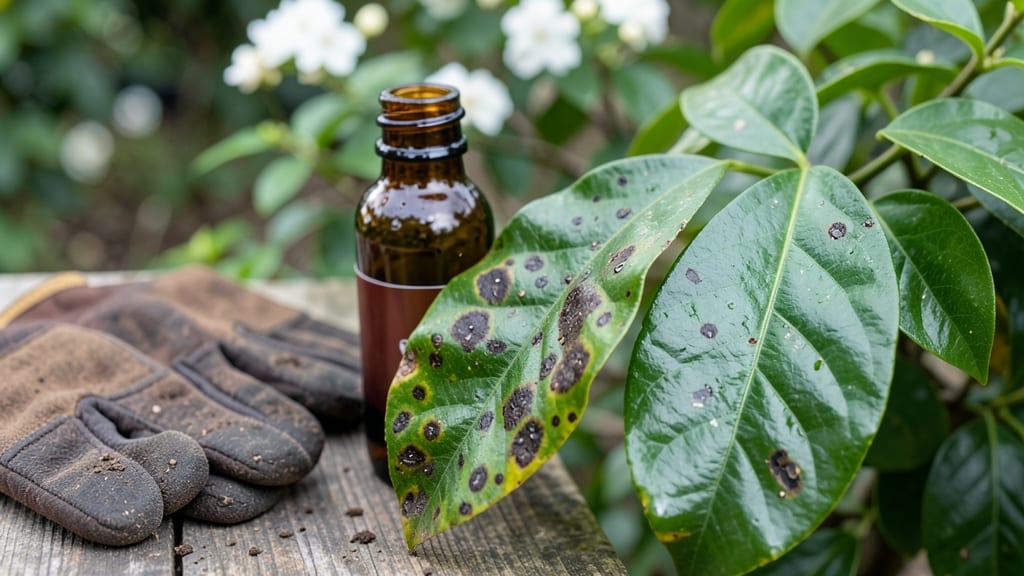
When your jasmine leaves develop those unsightly brown crispy edges, you're dealing with leaf spot—a fungal menace that spreads fast if ignored. 🌿 I've battled this exact problem, watching healthy vines turn into sad, spotted skeletons in just a few weeks.
The good news? Copper fungicide isn't just a cure—it's your secret weapon for stopping the spread and reviving your plant.
Leaf spot thrives in damp, crowded conditions, so proper airflow and pruning are your first line of defense. I learned this the hard way after my jasmine shrub sat waterlogged for a week—within days, those telltale spots appeared.
The key is acting fast: remove infected leaves immediately, space plants properly, and water at the base (never overhead).
Copper fungicide works because it disrupts the fungal spores without harming beneficial insects. After applying it, I noticed new growth within 10 days—thick, glossy leaves free of those ugly brown marks.
The best part? It's safe for pets and kids once dry, so you won't have to worry about toxic residue.
For prevention, I now prune my jasmine every 6 weeks to improve airflow and apply copper fungicide preventatively in spring. This keeps my vines lush and spot-free all season. The crispy edges? Gone for good.
Root Causes Of Leaf Damage
Understanding why your jasmine plants develop those unsightly leaf spots is the first step toward prevention and treatment. Leaf spot diseases—like the one caused by Cercospora or Alternaria—don’t just appear out of nowhere.
They thrive when specific conditions align, often tied to fungal pathogens, environmental stress, or poor plant health. Let’s break down the key triggers behind this common issue, so you can address them head-on.
Fungal spores are everywhere—soil, air, even on tools—but they only cause trouble when conditions favor their growth. Jasmine leaf spot is primarily triggered by two fungal culprits: - ***Cercospora spp.: This fungus loves warm, humid climates and thrives when leaves stay wet for extended periods.
It produces dark, irregular spots with yellow halos, often leading to leaf crinkling or "crispy edges" (a classic sign of fungal stress). - Alternaria spp.***: More aggressive in hot, dry weather, Alternaria creates concentric ring spots (like bullseye patterns) that can merge into large necrotic patches.
Both fungi spread via wind, water splashes, or contaminated pruning tools.
Why it happens: Fungal spores germinate when leaf surfaces remain damp for 6+ hours—think morning dew, overhead watering, or poor air circulation. Once established, they feed on plant tissues, disrupting photosynthesis and weakening the plant.
Jasmine plants (especially star jasmine or Confederate jasmine) are drought-tolerant, but excess moisture creates a perfect breeding ground for leaf spot fungi.
Here’s how it backfires: - Soggy soil: Overwatering keeps roots oxygen-deprived while saturating foliage, giving fungi a 24/7 buffet. - Compacted or clay soil: Poor drainage traps water at the roots, forcing the plant to "sweat" excess moisture through its leaves. - Frequent overhead watering: Wet leaves at night (when humidity is highest) accelerate spore germination.
Actionable red flags:
- Yellowing leaves + mushy stems = root rot + fungal invitation.
- Leaf spots appearing within 24–48 hours of heavy rain? Your plant is struggling to dry out.
A healthy jasmine plant fights off pathogens better. When it’s stressed, its defenses drop, making it vulnerable to leaf spot. Common stressors: - Overcrowded growth: Dense foliage traps humidity and blocks airflow, creating a fungal paradise.
Think of it like a sweaty gym—no one wants to hang out there! - Nitrogen deficiency: Pale, yellowing leaves (chlorosis) signal poor nitrogen, weakening the plant’s cell walls and making them easier targets for fungi. - Potassium or magnesium shortages: These minerals help plants resist disease.
Deficiencies often show as interveinal yellowing or brown leaf edges before spots appear.
Quick check:
- Prune aggressively if branches are touching each other.
- Test your soil—a simple DIY kit can reveal if nitrogen (N), phosphorus (P), or potassium (K) are lacking.
Jasmine leaf spot flares up when temperature and humidity hit the "fungal sweet spot": - Ideal fungal conditions: 75–85°F (24–29°C) with high humidity (70%+).
This is why leaf spot is worse in summer or monsoon seasons. - Sudden temperature swings: Cool nights followed by hot days stress plants, weakening their cuticles (the waxy leaf coating that repels pathogens).
Pro tip: 🌡️ Monitor your local weather—if the forecast calls for "hot and humid," it’s prime time for preventive sprays (like copper fungicide).
Fungal spores hitchhike on pruners, gloves, or even your hands. If you:
- Prune infected leaves without sterilizing tools (70% isopropyl alcohol works).
- Reuse pots or soil from a previously infected plant.
- Move infected clippings to new areas (even compost piles can spread spores).
How to break the cycle:
- Sanitize tools before and after pruning.
- Avoid "top-dressing" soil with fresh mulch if old mulch had spots.
- Disinfect hands with soap or rubbing alcohol when handling plants.
Once fungi take hold, they don’t just sit there—they multiply and spread via: 1. Windborne spores: A single infected leaf can release thousands of spores in a day.
- Splashing water: Rain or irrigation can fling spores onto healthy leaves.
- Insect activity: Sap-sucking pests (like aphids) create wounds where fungi can invade.
Breaking the chain:
- Remove infected leaves immediately (don’t compost them—bag and trash them).
- Space plants 3–4 feet apart to improve airflow.
- Water at the base (early morning) to keep foliage dry.
Leaf spot doesn’t happen in a vacuum—it’s the result of fungi + perfect conditions. By addressing moisture, stress, and sanitation, you can starve the problem before it starts. Next up: How to treat it (spoiler: copper fungicide is your secret weapon!).
Fixing Fungal Foliage Fiascos
Fungal leaf spots on your jasmine plants can feel like a losing battle—until you know the right moves. The good news? Most cases respond well to targeted action, whether you’re dealing with overwatering woes, poor airflow, or late-season stress.
Below, we’ve mapped the most common causes to practical fixes, plus prevention tips to keep your jasmine thriving.
Fix: Adjust your watering habits and improve soil health.
- 🔥 Step 1: Let the Soil Dry Out Water only when the top 1–2 inches of soil feel dry to the touch. Stick your finger in—if it’s damp, wait. Overwatering is the #1 culprit for fungal growth.
- 🍳 Step 2: Amend the Soil Mix in perlite, coarse sand, or compost to improve drainage. A 50/50 blend of potting mix and perlite works wonders for container jasmines.
- 👨🍳 Step 3: Elevate Containers If using pots, add feet or saucers to prevent water pooling. Ensure pots have drainage holes—no exceptions!
💡 Pro Tip: Mulch with gravel or bark (not organic mulch) to keep moisture levels stable.
Fix: Boost circulation and reduce humidity traps.
- 🔥 Step 1: Prune for Airflow Trim back dense foliage to allow sunlight and air to circulate. Aim for a 50% open canopy—think "airy" over "bushy."
- 🍳 Step 2: Space Plants Properly Keep jasmines at least 2–3 feet apart (or in containers with gaps between). If growing near walls/fences, prop up trellises to lift vines.
- 🌡️ Step 3: Reduce Nighttime Humidity Avoid watering in the evening—fungi love damp leaves overnight. If humidity is extreme (e.g., tropical climates), use a fan on low speed near plants.
✨ Prevention Hack: Install a soil moisture sensor to avoid guesswork.
Fix: Stop the spread with copper-based treatments and sanitation.
- 🔥 Step 1: Prune Infected Leaves Remove and destroy (don’t compost!) leaves with dark spots or crispy edges. Use sterilized pruners (wipe with rubbing alcohol between cuts).
- 👨🍳 Step 2: Apply Copper Fungicide Spray copper hydroxide or copper sulfate (e.g., Bonide Copper Fungicide) every 7–10 days for 3–4 weeks. Follow label rates—too much can harm plants.
- DIY Option: Mix 1 tsp baking soda + 1 quart water + a few drops of dish soap (test on a small leaf first).
- 🔪 Step 3: Clean Up Debris Rake and dispose of fallen leaves around the base of plants. Fungi hibernate in organic matter!
🎯 Critical Tip: Apply fungicide in the morning so leaves dry quickly—wet foliage = fungal buffet.
Fix: Strengthen jasmine’s defenses before winter.
- 🔥 Step 1: Feed with Fungicide-Friendly Fertilizer Switch to a low-nitrogen, high-phosphorus fertilizer (e.g., 5-10-10) to promote root health. Avoid high-nitrogen fertilizers—they encourage lush (but weak) growth.
- 🍳 Step 2: Mulch Strategically Apply 2–3 inches of inorganic mulch (gravel, rubber chips) to insulate roots and reduce soil splash (which spreads spores).
- 🌡️ Step 3: Winterize Wisely If in a cold climate, cover young plants with frost cloth in late fall. Avoid plastic—it traps moisture and worsens fungal risk.
💡 Bonus: Neem oil (1 tsp/gallon water) can be a preventative spray in early spring to toughen leaves.
If 50%+ of leaves are affected:
- Isolate the plant immediately to prevent spread.
- Trim back to healthy green growth (even if it’s sparse).
- Re-pot in fresh, sterile soil if root rot is suspected.
- Monitor for 2 weeks—if no improvement, consult a local cooperative extension service for soil testing.
🌟 Final Reminder: Consistency is key! Fungal issues often return if you stop treatments mid-cycle. Stick with your plan for at least 4 weeks, then taper off as new growth appears. Your jasmine’s crispy edges will thank you!
Frequently asked questions
What do jasmine leaf spots look like?
Jasmine leaf spots typically appear as dark brown or black irregular patches with yellow halos around the edges. In advanced cases, you’ll see crispy or dried leaf edges and sometimes concentric rings. These spots often start small but can merge into larger necrotic areas if untreated. Compare your leaves to healthy ones—the contrast is usually obvious.
Can I still use my jasmine leaves for tea if they have spots?
No, you should avoid using spotted leaves for tea. Fungal spores can contaminate the leaves, and the crispy edges indicate damaged tissue. Even if the spots don’t make you sick, the flavor will be compromised. Always harvest leaves from healthy, disease-free plants for the best taste and safety.
How often should I apply copper fungicide to prevent leaf spot?
For prevention, apply copper fungicide every 7–10 days during high-risk periods (spring and summer). If your jasmine is already infected, use it every 5–7 days for 3–4 weeks to fully eliminate the fungus. Always follow the product label instructions and apply in the morning so leaves dry quickly.
Will pruning alone fix jasmine leaf spot?
Pruning helps by removing infected leaves, but it’s only part of the solution. You must also improve airflow, adjust watering habits, and apply fungicide to fully eliminate the problem. Think of pruning as the first step—it buys you time, but consistent treatment is what wins the battle against leaf spot.
Can I use household vinegar as a fungicide for jasmine?
While vinegar can act as a mild fungicide, it’s not recommended for jasmine leaf spot. Household vinegar is too acidic and can burn plant leaves. If you want a DIY alternative, try a baking soda solution (1 tsp baking soda + 1 quart water + a few drops of dish soap), but always test it on a small leaf first to check for sensitivity.