
Flowers
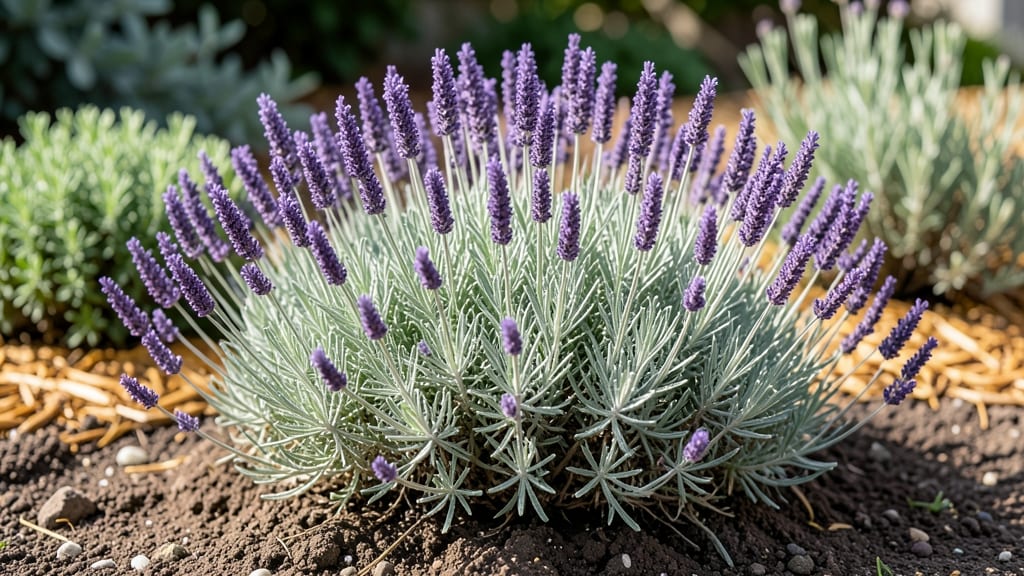
Growing lace leaf lavender means waking up to a garden that smells like a French countryside morning. 🌿 This delicate lavender variety—with its silvery foliage and tiny lacy leaves—thrives in USDA zones 5-9 and rewards patience with fragrant blooms that last all summer.
The secret lies in well-draining soil, full sun, and a light touch when it comes to water. Most people overwater, turning their lavender into a sad, leggy mess. I learned this the hard way after my first attempt drowned the roots.
Instead, plant in sandy, gritty soil and water only when the top inch feels dry. A south-facing slope or raised bed helps prevent soggy soil, and mulch with gravel to keep moisture at bay. By late summer, you'll be harvesting stems for dried arrangements or sachets that smell like sunshine.
The foliage stays fragrant even after blooms fade, and with proper pruning, these plants live for decades—I’ve seen mine push through snow every winter. Just avoid heavy pruning until after flowering. Works beautifully in borders, containers, or as a low hedge.
Here’s how to get started without the common pitfalls!
📚 In This Guide
- What you need
- Instructions
- Tips and common mistakes
- Wrapping up and next steps
What you need
- ● Lace leaf lavender plants: 3–5 nursery-grown plants (check for healthy, lacy foliage and sturdy stems).
- ● Well-draining soil: A mix of 50% potting soil and 50% perlite or coarse sand (or use pre-mixed Mediterranean soil blend).
- ● Containers (if potted): 12–16" diameter pots with drainage holes (terracotta or fabric grow bags work best).
- ● Sunlight access: A spot with full sun (6+ hours daily)—lace lavender loves bright light!
- ● Watering can with a fine rose nozzle: For gentle, deep watering (avoid soggy roots!).
- ● Pruning shears: Sharp, clean shears (sterilize with rubbing alcohol between cuts).
- ● Slow-release fertilizer: A low-nitrogen, high-phosphorus blend (like 5-10-10) for blooms.
- ● Mulch: Gravel or pebbles (to improve drainage and deter weeds).
- ● Drip irrigation kit: For automated, consistent watering in dry climates.
- ● Lavender companion plants: Rosemary, thyme, or sedum (they thrive in the same conditions!).
- ● Garden gloves: To protect your hands from prickly stems.
How to grow lace leaf lavender from start to fragrant perfection
Here's my foolproof method for growing this gorgeous, low-maintenance lavender variety that thrives in sunny spots and spreads its signature scent.
🪴 Step 1: Choose the Perfect Location and Soil
Lace leaf lavender demands full sun—at least 6-8 hours daily. I always plant mine where it gets morning sun and afternoon shade in hot climates, as the leaves can scorch if baked all day. The soil must drain like a sieve—lavender roots rot quickly in soggy conditions.
Amend heavy soil with 1 part sand or perlite to 3 parts native soil. I test drainage by filling a container with your soil mix and adding water—if it drains within 10 minutes, you're good. If not, keep adding sand until it does. The ideal pH is slightly alkaline, between 6.5-7.5—most garden soils fall in this range naturally.
🌱 Step 2: Plant at the Right Time and Depth
Spring or early fall are the best times to plant. I wait until after the last frost when soil warms to 50°F or higher. Dig a hole twice as wide as the root ball but only as deep—lavender plants hate being buried too deeply. Space plants 18-24 inches apart for mature size.
Remove the plant from its container and loosen any circling roots. Place it in the hole so the top of the root ball sits ½ inch above soil level. Backfill with native soil (no amendments here) and water deeply. You'll know it's settled right when water runs out the drainage holes immediately.
☀️ Step 3: Water Wisely and Avoid Common Mistakes
Lavender thrives on neglect once established—water only when the top 2 inches of soil feel dry. I use a moisture meter to check, but you can also stick your finger in: if it comes out clean, wait another day. Overwatering is the #1 killer, so I always err on the dry side.
Mulch lightly with ½ inch of gravel or coarse sand to prevent soil from staying wet. Never use organic mulch—it decomposes and suffocates the roots. You'll see healthy lavender stems with silvery-gray foliage that stays upright, not flopping over from excess moisture.
✂️ Step 4: Prune for Bushier Growth and More Flowers
Prune right after flowering in early summer. I cut back ⅓ of the current season's growth using clean, sharp shears. Never prune old wood—this plant flowers on new growth, so cutting into last year's stems produces fewer blooms. Shape into a rounded form to encourage bushiness.
Remove any dead or woody stems at the base. You'll know you've pruned correctly when you see fresh green growth emerging from the center within 2-3 weeks. Avoid heavy pruning in fall or winter—lavender needs its foliage to protect the plant through colder months.
🌿 Step 5: Harvest and Maintain Through the Seasons
Harvest flowers when 50% of buds are open for the best scent and longest vase life. Cut stems in the morning after dew dries but before the sun gets too hot. Bundle and hang upside down in a dry, dark place for 2 weeks to dry completely.
In late winter, trim back any dead growth but leave the main structure intact. Lavender handles cold well but may look ragged after winter—don't prune until you see new green growth emerging in spring. With proper care, your lace leaf lavender will reward you with fragrant foliage and purple blooms for 5-10 years.
Tips & tricks for perfect lace leaf lavender
These simple secrets will help you grow fragrant, thriving lavender that stands out in any garden.
Sunlight Secret: In Step 1, if your location only gets 5-6 hours of sun, place your lavender in the sunniest spot you have—even partial shade can weaken the plant's signature scent and reduce flowering. I've seen lavender in 6 hours of sun still thrive, but you'll notice the stems grow slightly leggier and the fragrance isn't as intense. A reflective surface like a white wall behind your plants can help bounce extra light onto the foliage.
Soil Test Trick: For Step 1's drainage test, I like to use an empty plastic bottle with drainage holes poked in the bottom. Fill it with your soil mix and add water—if it drains completely in under 10 minutes, you're ready to plant. If not, keep adding perlite or coarse sand until you hit that mark. The goal is to mimic the rocky, well-draining soils lavender loves in its Mediterranean homeland.
Planting Precision: When following Step 2, don't be tempted to bury the plant deeper than that ½ inch above soil level—lavender roots need oxygen and will suffocate if buried too deeply. I've seen gardeners accidentally plant them too deep, which causes the stems to rot at the base. Also, if you're planting in containers, make sure they have drainage holes at least ¼ inch in diameter—no exceptions!
Pruning Payoff: After you've pruned in Step 4, save those cuttings! Place them in water for a few days to root—you'll get free new plants. The key is to use clean, sharp shears and make cuts at a 45-degree angle just above a leaf node. I've propagated entire new lavender beds this way, and it's completely free once you've established your first plant.
Pro Tips for Lace Leaf Lavender
- These simple secrets will help you grow fragrant, thriving lavender that stands out in any garden.
- Sunlight Secret: In Step 1, if your location only gets 5-6 hours of sun, place your lavender in the sunniest spot you have—even partial shade can weaken the plant's signature scent and reduce flowering.
- Soil Test Trick: For Step 1's drainage test, I like to use an empty plastic bottle with drainage holes poked in the bottom.
Frequently asked questions
Got questions about growing lace leaf lavender?
You’re not alone! Here are some of the most common inquiries—and their practical answers—to help you cultivate this fragrant beauty with confidence.
How do I distinguish lace leaf lavender from other varieties?
Lace leaf lavender (Lavandula stoechas) has silvery-gray, finely textured foliage that looks almost "lace-like" and unique purple flower bracts (the "rabbit ears" at the top). Unlike English lavender, it has a bushier, more compact growth habit and thrives in warmer climates.
When is the best time to plant lace leaf lavender?
Plant in early spring or early fall when temperatures are mild (50–75°F). Avoid extreme heat or frost, which can stress young plants. If planting in summer, water deeply and use shade cloth until established. Pro tip: Container-grown lavender can be planted year-round in mild climates.
How often should I water lace leaf lavender?
Once established, lace leaf lavender is drought-tolerant—water only when the soil is completely dry (about every 2–3 weeks). Overwatering causes root rot! First year? Water lightly every 5–7 days, then taper off. Mulch lightly to retain moisture without smothering roots.
Can I grow lace leaf lavender in containers? If so, what size pot?
Use a 5–7 gallon pot with drainage holes and well-draining soil (cactus/succulent mix works). Place in full sun (6+ hours daily) and prune annually to encourage bushiness. Containers let you move plants to avoid frost or adjust sunlight. Bonus: Potted lavender thrives as a fragrant patio centerpiece!
What pests should I watch for, and how do I treat them?
Lace leaf lavender is pest-resistant, but watch for aphids, spider mites, or lavender mites. Treatment: Spray with neem oil or insecticidal soap for soft-bodied pests. For mites, prune affected areas and improve airflow. Avoid chemical pesticides—they harm pollinators! Prevention tip: Healthy plants repel pests naturally.
How and when should I prune lace leaf lavender?
Prune right after flowering (late spring/early summer) to shape the plant and encourage new growth. Use clean, sharp shears to trim 1/3 of the plant, avoiding woody stems. Never cut into old wood—it won’t regrow! Deadhead spent blooms to prolong flowering. Warning: Avoid heavy pruning in fall or winter.
Is lace leaf lavender cold-hardy? What’s the ideal climate?
It’s hardy to USDA Zones 7–10 (20–30°F tolerance). In colder zones, grow it in containers and move indoors during winter. Heat-loving! It thrives in hot, dry climates but may struggle in humidity. Choose a sunny, well-drained spot to mimic its Mediterranean roots.
Wrapping up and next steps
Growing lace leaf lavender is a rewarding journey that brings beauty, fragrance, and a touch of elegance to your garden. With its delicate foliage and stunning blooms, this fragrant perennial is perfect for both beginners and seasoned gardeners alike.
Whether you're aiming for a serene landscape or a fragrant addition to your home, lace leaf lavender is a versatile choice that thrives with the right care.
Ready to transform your outdoor space? Start small—plant a few stems in a sunny spot and watch your garden flourish! 🌿✨