
Pruning
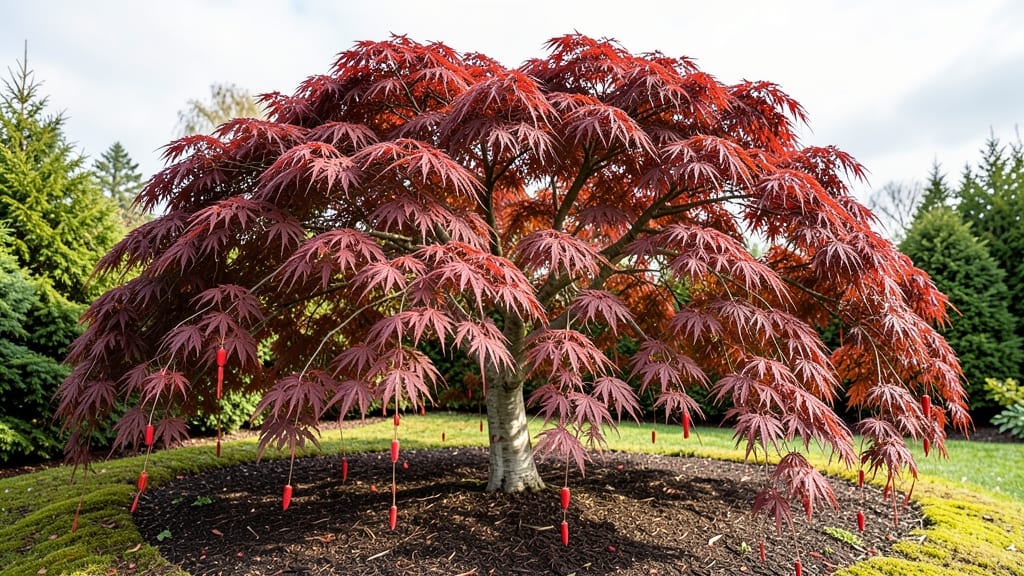
Transforming your yard into a year-round focal point starts with a laceleaf weeping Japanese red maple tree—its delicate, arching branches and fiery foliage create drama no other tree can match. 🌿 I’ve pruned these stunners for years, and the secret to their graceful shape isn’t complicated: it’s about timing, precision cuts, and understanding how this tree naturally grows.
Unlike bold, upright maples, this cultivar thrives on gentle shaping to maintain its weeping habit, which means less aggressive pruning and more artful trimming.
The best time to prune is late winter or early spring, just as buds begin to swell but before new growth starts.
You’ll need sharp bypass pruners, a sturdy ladder (for higher branches), and a clear vision for your tree’s natural form—think of it like sculpting a living work of art.
Start by removing any dead or crossing branches first, then thin out the canopy to let light filter through those stunning laceleaf fronds. The goal isn’t to chop indiscriminately; it’s to encourage that elegant, cascading silhouette that makes this tree so special.
What you’ll end up with is a tree that looks stunning in every season—vibrant reds in fall, delicate pinkish-reds in spring, and even subtle winter interest when the branches are bare.
The laceleaf foliage adds texture that no other maple can match, and with the right pruning, your tree will stay compact yet full, with branches that gracefully sweep toward the ground.
This isn’t just about keeping it neat; it’s about enhancing its natural beauty so it becomes the showstopper of your landscape.
For home gardeners with intermediate experience, this tree is surprisingly forgiving—just avoid heavy pruning in late summer or fall, as it can stimulate tender new growth that won’t survive winter.
And if you’re planting a new one, give it a spot with morning sun and afternoon shade, well-drained soil, and protection from harsh winds. The payoff? A tree that rewards your care with breathtaking color and structure for decades.
📚 In This Guide
- What you need
- Instructions
- Tips and common mistakes
- Wrapping up and next steps
What you need
- ● Pruning shears: Bypass pruners (sharp, high-quality, for cuts up to ½ inch in diameter). Example: Felco F-2 or Corona Classic.
- ● Loppers: Bypass loppers (for cuts between ½ to 1½ inches). Example: Felco F-22 or Fiskars PowerGear.
- ● Pruning saw: Curved-tooth pruning saw (for larger branches, 2+ inches). Example: Fiskars X27 or Bahco Laplander.
- ● Gloves: Heavy-duty, cut-resistant gloves (to protect hands from thorns and sharp tools). Example: Dr. McGill’s or Southfork.
- ● Disinfectant: 70% isopropyl alcohol or pruning sealant (to sterilize tools and prevent disease spread).
- ● Extension pole: Adjustable pruning saw or loppers (for high branches, 6–10 feet tall). Example: Fiskars Telescopic Lopper.
- ● Bucket or bag: Heavy-duty trash bag or bucket (for collecting debris).
- ● Ladder: Sturdy, non-slip ladder (if branches exceed 8 feet; ensure it’s rated for your weight + tools).
- ○ Pruning paint or sealant: Optional but recommended (for sealing large cuts to prevent disease; Example: Tree Seal Tape or pruning wax).
- ● Hand pruners: For small, delicate trims (e.g., Felco F-1).
- ● Safety glasses: Protect your eyes from debris.
- ● Work boots: With ankle support for stability.
- ● Pruning rope: For lowering heavy branches safely.
- ● Notebook & pen: To sketch your pruning plan or notes.
- ● Weather check: Plan for a dry, calm day (avoid pruning when wet or windy).
Step-by-step pruning guide for your laceleaf weeping Japanese red maple
Here’s how to keep your tree’s signature weeping form while maintaining vibrant foliage and structural integrity.
✂️ Step 1: Prune at the Right Time for Healthy Growth
Schedule your first pruning in late winter or early spring—just before new growth begins. This timing ensures you’re not removing next season’s buds. For minor shaping, you can also prune in summer after flowering, but avoid heavy cuts then. I like to mark the calendar in February so I don’t miss the window.
If you must prune in fall, do it at least 6 weeks before frost to allow wounds to heal. Never prune during dormancy (deep winter) because the tree can’t seal cuts properly, leaving it vulnerable to disease. Watch for swollen buds—they signal it’s time to start pruning.
✂️ Step 2: Remove Dead, Diseased, or Crossing Branches First
Start by inspecting the tree for dead branches (they’re brittle and snap easily) or diseased wood (discolored, oozing sap, or fungal growth). Use clean, sharp pruning shears to make 45-degree cuts just outside the branch collar—the swollen area where the branch meets the trunk. This prevents unsightly stubs and promotes faster healing.
Next, look for branches rubbing against each other or growing inward. These “crossing branches” compete for sunlight and can damage each other over time. Remove the smaller of the two branches at its base. I always work from the bottom up to avoid standing on ladders unnecessarily.
✂️ Step 3: Shape the Weeping Form Gently
This tree’s beauty lies in its natural weeping habit, so avoid heavy pruning to maintain its graceful silhouette. Focus on light thinning—removing no more than 25% of the canopy in one season. Use hand pruners for small branches and loppers for thicker stems up to 1.5 inches in diameter (never exceed that size).
To encourage a fuller canopy, prune the outermost branches slightly shorter than the inner ones. This creates a layered effect while preserving the tree’s elegant drooping shape. Step back often to check your progress—you’ll see the natural form emerge as you work.
✂️ Step 4: Clean and Seal Cuts for Long-Term Health
After pruning, wipe your shears with rubbing alcohol to prevent spreading disease. For cuts larger than ½ inch, apply pruning sealant (like a tree wound dressing) to protect the exposed wood. This step is especially important for large cuts where the tree’s natural defenses are most vulnerable. I keep a small bottle of sealant in my toolbox for quick touch-ups.
Remove all pruned branches from the area—leaving them on the ground can harbor pests or fungi. Dispose of them in yard waste or chip them for mulch (but never use them near the tree itself). A clean workspace reduces the risk of reinfection.
⏰ Step 5: Monitor and Adjust Pruning Over Time
Check your tree monthly during the growing season for new growth that needs direction. Young trees benefit from annual pruning to establish their shape, while mature trees may only need light maintenance every 2-3 years. If you notice water sprouts (fast-growing vertical shoots), prune them back immediately—they drain the tree’s energy.
By early summer, you should see new growth filling in any gaps from pruning. If branches grow too vigorously in one direction, prune them back by ⅓ of their length to encourage bushier growth. Over time, your laceleaf weeping maple will reward you with a lush, year-round canopy that’s the envy of the neighborhood.
Tips & tricks for pruning your laceleaf weeping Japanese red maple
These simple strategies will help you maintain your tree’s stunning weeping form while keeping it healthy for years to come.
Timing is Everything: The late winter/early spring window (just before swollen buds appear) is critical because you want to avoid cutting off next season’s growth. If you must prune in summer, do it immediately after flowering to give the tree time to recover before winter. I’ve seen trees stressed by late-season pruning—don’t make that mistake! The 6-week buffer before frost in fall gives wounds time to heal before cold sets in.
Tool Technique: Always use clean, sharp tools—dull shears tear wood instead of making clean cuts. For branches up to 1.5 inches thick, loppers give you the leverage you need without straining. I keep a small spray bottle of rubbing alcohol handy to wipe tools between cuts—this prevents spreading any potential diseases between branches. The 45-degree angle cut just outside the branch collar is non-negotiable for proper healing.
Shape with Purpose: When shaping, remember this tree’s beauty comes from its natural weeping habit. Never remove more than 25% of the canopy in one season—this rule prevents stressing the tree. For that layered look, trim the outermost branches slightly shorter than the inner ones. Think of it like sculpting: you’re refining, not hacking. Step back every few minutes to check your progress—you’ll notice the graceful silhouette emerge as you work.
Post-Pruning Care: After finishing, collect all pruned branches immediately—leaving them under the tree creates a pest and disease magnet. For cuts larger than ½ inch, that pruning sealant isn’t just optional—it’s essential for protecting the tree’s vulnerable wood. I’ve seen large cuts develop fungal infections when left unsealed, so don’t skip this step, especially on mature trees.
Pro Tips for Laceleaf Weeping Japanese Red Maple Tree
- These simple strategies will help you maintain your tree’s stunning weeping form while keeping it healthy for years to come.
- Timing is Everything: The late winter/early spring window (just before swollen buds appear) is critical because you want to avoid cutting off next season’s growth.
- Tool Technique: Always use clean, sharp tools—dull shears tear wood instead of making clean cuts.
Frequently asked questions
about the laceleaf weeping Japanese red maple—because even the most stunning trees need a little extra care! Here are answers to the questions we hear most often.How often should I prune my laceleaf weeping Japanese red maple?
Prune your laceleaf weeping Japanese red maple once a year, ideally in late winter or early spring (before new growth begins). This timing helps maintain its graceful shape while avoiding stress during dormancy. Light trimming can also be done in summer to shape growth, but avoid heavy pruning then.
When is the best time to plant this tree?
Plant your laceleaf weeping Japanese red maple in early spring or fall for the best results. These seasons provide mild temperatures and adequate moisture, giving the tree time to establish roots before extreme weather. Avoid planting in summer heat or winter frost, which can stress young trees.
Can I prune it in winter? What about summer?
While you can do light pruning in winter (to remove dead or broken branches), avoid heavy cuts—it can stress the tree. Summer pruning is possible, but limit it to shaping and thinning to prevent excessive sap flow. Never prune during drought or extreme heat.
What if my tree isn’t growing as expected? Troubleshooting tips?
If your laceleaf weeping Japanese red maple grows slowly or looks unhealthy, check these common issues:
- Poor soil drainage → Amend soil with compost or plant in a well-draining spot.
- Over-pruning → Reduce aggressive cuts and focus on natural shape.
- Pests/diseases → Inspect for aphids, scale, or fungal spots; treat with neem oil or fungicide if needed.
- Insufficient sunlight → Ensure it gets 4–6 hours of sun daily for vibrant foliage.
Are there dwarf alternatives to this tree?
If space is limited, consider these stunning dwarf maple varieties:
- Acer palmatum ‘Bloodgood’ – Compact with deep red leaves.
- Acer palmatum ‘Emperor I’ – Slow-growing with lace-like foliage.
- Acer palmatum ‘Shishigashira’ – Small, rounded, and cold-hardy.
These retain the beauty of laceleaf maples while fitting smaller landscapes!
Wrapping up and next steps
The laceleaf weeping Japanese red maple is a stunning addition to any landscape, offering year-round beauty with its delicate foliage and vibrant colors.
By mastering the art of pruning—whether for shaping, rejuvenation, or seasonal care—you’ll keep this tree thriving and breathtaking. Now’s your chance to step into your green thumb role!
Ready to transform your outdoor space? Grab your tools, review your notes, and schedule that first pruning session—your laceleaf maple will thank you with lush, graceful branches for years to come! 🌿✨