
Planting
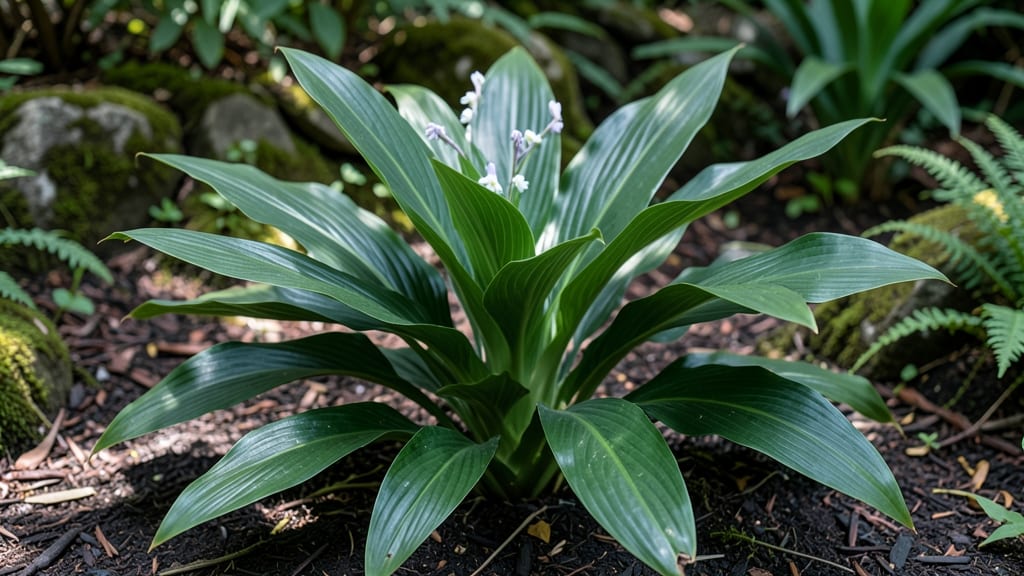
Growing the laksa leaf plant means unlocking a fragrant, kitchen-essential herb that transforms soups into bold, aromatic masterpieces. 🌿 This fast-growing perennial thrives in warm climates but can also flourish as an annual in containers if you live in cooler zones.
The key? Mimicking its tropical rainforest home with consistent moisture and indirect light.
The plant demands rich, well-draining soil—think equal parts compost, peat moss, and perlite—to prevent root rot while encouraging rapid growth. Start from cuttings (rooted stems) for faster results, or sow seeds in spring after the last frost, keeping them warm (70-75°F) until germination.
Within 6-8 weeks, you’ll have lush, glossy leaves ready for harvest.
Harvest young leaves for the most intense flavor, snipping just above a leaf node to encourage bushier growth. The aromatic leaves release their signature citrusy, lemongrass-like scent when crushed—perfect for soups, curries, or even infused oils.
Just watch for spider mites in dry conditions and overwatering, which can cause yellowing leaves.
Whether you’re growing it in a sunny backyard or a bright kitchen window, laksa leaf rewards patience with a harvest that lasts for months. The first time you taste your homegrown version in a steaming bowl of laksa, you’ll never buy store-bought again.
📚 In This Guide
- What you need
- Instructions
- Tips and common mistakes
- Wrapping up and next steps
What you need
- ● Laksa leaf seeds or cuttings: 3–5 seeds or 1–2 healthy cuttings (ensure they’re fresh or sourced from a reputable supplier).
- ● Well-draining potting mix: 1 bag (10–15 liters) of a blend like cactus/succulent mix with perlite or coconut coir (50/50 ratio).
- ● Pot or container: 1–2 medium-sized pots (10–12 inches in diameter) with drainage holes, or a raised garden bed (if planting outdoors).
- ● Watering can or spray bottle: For gentle hydration (avoid soggy soil!).
- ○ Organic fertilizer (optional but recommended): 1 small bottle of balanced liquid fertilizer (e.g., 10-10-10 NPK) or compost tea.
- ○ Gloves (optional): To protect hands from soil or sap.
- ● Pruning shears: For trimming cuttings or shaping the plant.
- ● Humidity dome or plastic wrap: To create a greenhouse effect for seedlings (remove once sprouted).
- ● Sunlight access: A spot with bright, indirect light (6+ hours daily). Direct sun may scorch leaves.
- ● Patience! 🌿 Laksa leaf grows slowly—be ready for a 6–12 month wait before harvesting.
Step-by-step guide to growing laksa leaf (vietnamese coriander) at home
Here's how I cultivate this aromatic herb—key for authentic laksa—with minimal fuss and maximum flavor.
🌱 Step 1: Select and Prepare Your Growing Containers
Laksa leaf thrives in 6-inch diameter pots with drainage holes. I use terracotta because it breathes and prevents root rot. Fill each pot with 2-3 inches of well-draining potting mix—never garden soil, which compacts and suffocates roots. Tap the pot gently to settle the mix without compacting it.
Moisten the soil until it feels like a damp sponge when squeezed. Too much water now will drown seeds before they germinate. Place pots in a warm spot (70-75°F) where they'll stay consistently humid—think kitchen windowsill or under a grow light.
🌱 Step 2: Sow Seeds at the Right Depth and Spacing
Sprinkle 3-4 seeds per pot on the soil surface, as laksa leaf seeds need light to germinate. Press them gently into the top ¼ inch of soil—any deeper and they won't break through. Cover lightly with a thin layer of vermiculite to retain moisture without burying the seeds.
Mist the surface with a spray bottle until evenly damp. A heavy watering will wash seeds away. Place a clear plastic dome or wrap a plastic bag loosely over the pot to trap humidity. Check daily for condensation—if water beads appear, remove the cover for 30 minutes to prevent fungal growth.
☀️ Step 3: Provide Bright, Indirect Light for Germination
Seeds typically sprout in 7-14 days, but they need warmth (75-80°F) and bright light to germinate. Place pots under a grow light or in the brightest window you have (south-facing is ideal). Avoid direct midday sun, which can overheat seedlings.
Once sprouts appear, remove the plastic cover immediately. You'll see tiny, round cotyledons first—these aren't true leaves, so don't harvest yet. When first true leaves (lance-shaped) appear, move plants to a spot with 4-6 hours of indirect light daily. Too little light causes leggy, weak stems that flop over.
💧 Step 4: Water and Fertilize for Lush Growth
Water when the top ½ inch of soil feels dry. Stick your finger in—if it comes out clean, it's time. Overwatering is the #1 killer of laksa leaf. I use room-temperature water to avoid shocking the roots. After watering, tilt the pot to let excess drain completely—no soggy bottoms allowed.
Feed every 4-6 weeks with a balanced liquid fertilizer (10-10-10) diluted to half strength. You'll notice new growth within a week—that's your signal everything is working. Pinch back the tips when plants reach 6 inches tall to encourage bushier growth. This prevents them from becoming tall and spindly.
✂️ Step 5: Harvest and Maintain for Continuous Yield
Harvest leaves when they're 3-4 inches tall by snipping the outer stems with clean scissors. This encourages new growth from the base. Never take more than ⅓ of the plant at once—you want to leave enough foliage for photosynthesis. Rinse leaves gently in cool water and pat dry before using.
With proper care, laksa leaf produces continuous harvests for 6-8 months. If plants flower, snip the buds immediately—they signal the end of the plant's life cycle. Divide mature plants every 6 months to refresh growth. Store harvested leaves in the fridge for 5-7 days or freeze in ice cube trays for soups.
Tips & tricks for perfect laksa leaf cultivation
Aromatic and essential for authentic laksa, growing this tropical herb at home is simpler than you'd think—once you know these key strategies.
Container Selection: Terracotta pots aren't just my preference—they're essential for laksa leaf's health. The porous material wicks away excess moisture, preventing the root rot that can silently kill your plants. If you must use plastic, ensure it has drainage holes and elevate the pot to allow airflow underneath. The 6-inch diameter is ideal because it gives roots enough space without overwhelming the plant's growth cycle.
Lighting Strategy: Those 4-6 hours of indirect light in Step 3 are non-negotiable for healthy growth. I've learned the hard way that direct midday sun scorches delicate seedlings—think of it as a sunburn for plants. For indoor growers, a south-facing window works best, but if you notice stems stretching toward the light (a sign of etiolation), rotate your pots daily and supplement with a grow light for 12 hours to balance the spectrum.
Germination Guard: The 30-minute ventilation break when condensation appears is your first line of defense against fungal infections. I've seen entire seed batches fail because growers ignored this simple step. Use a small fan on low setting near the pots to improve air circulation without disturbing the seeds. This mimics the natural airflow tropical plants thrive in while preventing that clammy environment where mold loves to grow.
Harvesting Technique: When harvesting those 3-4 inch leaves, always use clean scissors—not your kitchen shears. The oils from your hands can transfer to the leaves, accelerating spoilage. I store harvested leaves in a single layer on paper towels in the fridge to maintain crispness. For freezing, I blanch them first—dipping in boiling water for 5 seconds then ice water—to preserve their vibrant green color and fresh flavor for up to 6 months.
Pro Tips for Laksa Leaf Plant
- Aromatic and essential for authentic laksa, growing this tropical herb at home is simpler than you'd think—once you know these key strategies.
- Container Selection: Terracotta pots aren't just my preference—they're essential for laksa leaf's health.
- Lighting Strategy: Those 4-6 hours of indirect light in Step 3 are non-negotiable for healthy growth.
Frequently asked questions
How long does it take for laksa leaf plants to mature and produce usable leaves?
With patience and the right care, laksa leaf plants typically reach maturity in 6–12 months. You’ll start seeing tender leaves ready for harvesting around 3–4 months, but the flavor intensifies as the plant ages. Prune regularly to encourage bushier growth and more abundant leaves!
Can I grow laksa leaf in containers, or does it need a garden?
Laksa leaf thrives in large containers (at least 12–18 inches deep) with well-draining soil. Ensure the pot has drainage holes and place it in a spot with bright, indirect light (like a sunny patio or kitchen windowsill). Just keep an eye on watering—containers dry out faster than garden beds.
What can I substitute for laksa leaf if I can’t find it?
While nothing replicates its unique, slightly bitter, citrusy kick, try these swaps:
- Kaffir lime leaves (for a citrusy depth, though milder)
- Curry leaves (earthy and aromatic, but less floral)
- Bay leaves (for a subtle herbal note—remove after cooking!)
- A pinch of turmeric + lemongrass (for a DIY flavor approximation)
For authenticity, grow your own—it’s easier than you think!
Why are my laksa leaf plants turning yellow or dropping leaves?
Yellowing leaves or leaf drop usually signal overwatering, poor drainage, or nutrient deficiency. Check these fixes:
- Water only when the top 1–2 inches of soil are dry—laksa leaf hates soggy roots!
- Ensure the pot has drainage holes and use a mix of potting soil + perlite.
- Fertilize lightly with a balanced liquid fertilizer every 4–6 weeks during growing season.
- Freeze dried leaves in ice cube trays with water, then transfer to a bag (add a cube or two to soups later).
- Dry them in a dehydrator or low oven (170°F/77°C for 2–3 hours), then crush and store in jars for up to 6 months.
Too much direct sun? Move to a spot with filtered light if leaves look scorched.
Give it time to recover—healthy plants bounce back quickly!
How do I store harvested laksa leaves for later use?
Freshness is key! Store leaves in an airtight container in the fridge for up to 5 days. For longer storage:
Pro tip: Add a bay leaf to your storage container to preserve aroma!
Wrapping up and next steps
Growing your own laksa leaf plant is a rewarding journey that brings a burst of tropical flavor right to your kitchen! 🌿 Whether you're a seasoned gardener or just starting out, this aromatic herb is a fantastic addition to your culinary adventures.
With the right care, you’ll soon be harvesting fresh leaves to elevate soups, curries, and more.
Ready to take the next step? Start small—try a few plants in pots or a dedicated garden bed—and experiment with recipes! Share your progress or favorite dishes with fellow plant lovers—your green thumb and bold flavors will inspire others. Happy growing! 🌱✨