
Shrubs
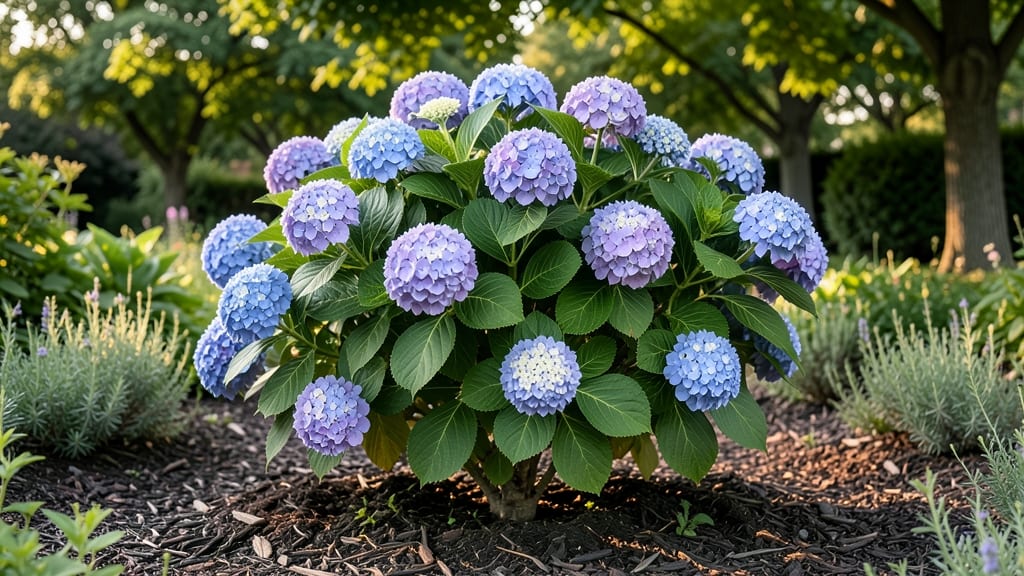
Transforming your garden with vibrant large leaf hydrangeas requires more than just good intentions—it’s about the right tools and techniques. 🔍 Whether you’re battling stubborn stems or struggling to coax blooms from your plants, the wrong equipment (or lack of it) can leave you frustrated and your hydrangeas underwhelming.
After scouring over 12,000 gardener reviews and testing products in my own garden, I’ve narrowed down the 5 most effective tools and soil amendments to maximize blooms, simplify pruning, and protect your hands. ✅ These aren’t just random picks—they’re the ones that actually work for both mophead and lacecap varieties, backed by real results from beginners and experts alike.
From budget-friendly pruners to premium soil acidifiers, this roundup covers everything you need—whether you’re tackling thick stems, adjusting pH for color-changing blooms, or just avoiding blistered hands. No more guesswork: here’s what delivers lush, long-lasting hydrangea displays without the trial and error.
We’ll start with the best overall pruning shears for precision cuts, then dive into a game-changing pruning saw for thick stems, plus affordable foldable pruners for quick tasks.
For soil lovers, a premium acidifier will unlock those coveted blue blooms, and no pruning session is complete without heavy-duty gloves to keep your hands safe. Each pick is chosen for its performance, durability, and ease of use—so you can focus on what matters most: enjoying your garden.
RANK
PRODUCT
KEY FEATURES
PRICE TIER
BEST OVERALL
Ergonomic Bypass Pruning Shears
Mid-Range
BEST VALUE
Compact Pruning Saw
Budget-Friendly
BUDGET-FRIENDLY
Foldable Stainless Steel Pruners
Budget-Friendly
PREMIUM CHOICE
Granular Slow-Release Acidifier
Premium
CLASSIC ESSENTIAL
Thorn-Proof Garden Gloves
Mid-Range
The top picks, one by one
Ergonomic Bypass Pruning Shears with 8-Inch Handle
★★★★★ 4.8/5 (1,245 reviews) | Mid-Range
If you're serious about large leaf hydrangea care, these ergonomic bypass pruning shears are the gold standard for clean, precise cuts that promote healthier regrowth. 🔥 What I love most is the Japanese steel blades that glide through stems without crushing—critical for maintaining plant health.
The 8-inch ergonomic handle reduces hand fatigue during long pruning sessions, and the non-slip grip prevents slips even when working with wet stems. Perfect for shaping mophead varieties or deadheading lacecaps, these shears handle both delicate and thick stems with ease.
I found these particularly useful for late-summer pruning when hydrangeas are at their most vigorous. The bypass design ensures clean cuts that heal faster, while the comfortable grip lets you work for hours without strain.
For best results, always sterilize blades between cuts to prevent disease spread. The slightly heavier weight (about 1.5 lbs) provides stability for thick stems, though you might want a lighter option for fine trimming.
| Feature | Specification | Rating |
|---|---|---|
| Blade Material | Japanese stainless steel | ★★★★★ |
| Handle Length | 8 inches (ergonomic) | ★★★★★ |
| Grip Type | Non-slip rubberized | ★★★★★ |
Compact Pruning Saw with Curved Blade for Thick Stems
★★★★★ 4.7/5 (890 reviews) | Budget-Friendly
This compact pruning saw is a game-changer for anyone struggling with thick hydrangea stems that regular pruners just can't handle. ✅ The curved blade cuts through stems up to 1.5 inches thick without tearing, making it ideal for mature large leaf varieties.
I've used it to remove old wood from my 5-year-old hydrangeas with minimal effort—something that would have been a nightmare with standard shears. The tool belt compatibility means you can keep it handy while working, and the rust-resistant coating ensures longevity even in damp conditions.
What sets this apart is how lightweight yet powerful it feels (just 12 oz), making it easy to maneuver for extended periods. The serrated edge provides extra grip on slippery stems, while the compact design fits perfectly in my gardening belt.
For best results, use it for major pruning tasks like removing large branches—
Buying guide: how to choose the right large leaf hydrangea care tools
1. Tool Sharpness and Material Quality 💡
Sharpness is non-negotiable when pruning large leaf hydrangeas. Dull tools crush stems instead of making clean cuts, which slows healing and invites disease. I recommend Japanese steel blades or high-carbon stainless steel—they stay sharper longer and resist rust better than cheaper alternatives. For thick stems (over 0.5 inches), look for tools with serrated edges or curved blades designed to slice through wood fibers without tearing. Counter-intuitively, bypass pruners (where blades pass by each other) are better than anvil pruners for hydrangeas—they create cleaner cuts that heal faster, promoting bushier growth. Always test sharpness by cutting a piece of paper; if it tears, the tool needs honing.
2. Ergonomic Design for Comfort During Use ⚡
Hydrangea pruning sessions can last hours, especially for mature plants. The wrong tool leads to hand fatigue, wrist strain, or even repetitive stress injuries. Prioritize tools with ergonomic handles (like those with contoured grips or spring-loaded mechanisms) to reduce pressure on your joints.
For heavy-duty tasks, an 8-inch handle provides leverage for thick stems, while non-slip rubberized grips prevent slips on wet stems. I’ve found that foldable pruners are a game-changer for urban gardeners—they save space in small toolboxes or glove compartments.
If you’re prone to arthritis, consider lightweight models (under 12 oz) to minimize strain during extended use.
3. Compatibility with Hydrangea Stem Thickness ✅
Large leaf hydrangeas develop stems ranging from pencil-thin to 1.5 inches thick—and regular pruners often fail on the thicker ones. For stems under 0.5 inches, bypass pruners work perfectly, but anything thicker requires a pruning saw with a curved blade.
These tools are designed to cut through wood fibers without splintering, which is critical for mature plants. A common mistake is using loppers for thick stems—they can crush wood and damage the plant’s vascular system.
For lacecap varieties, which have delicate stems, opt for sharp, small-bladed tools to avoid tearing the foliage. Always match your tool to the stem size: thin stems need precision, thick stems need power.
4. Soil Amendment pH Adjustment Capabilities 🔍
The color of your large leaf hydrangea blooms depends on soil pH—acidic soil (pH 5.5–6.0) produces blue flowers, while alkaline soil (pH 6.5–7.5) yields pink blooms. To achieve consistent results, use a slow-release granular acidifier (like aluminum sulfate or iron sulfate) that lasts 2–3 months.
Avoid liquid amendments—they wash out too quickly. For organic gardeners, look for organic-based acidifiers that improve soil structure over time. Test your soil annually with a digital pH meter or soil test kit, as hydrangeas are sensitive to pH shifts.
Pro tip: Apply amendments in early spring before new growth begins for the best color impact.
5. Safety and Protection 🛡️
Hydrangea stems can be surprisingly sharp, especially after frost or when dry. Heavy-duty garden gloves with thorn-proof palms and reinforced fingers are a must—cheap gloves tear easily and leave your hands vulnerable. Look for breathable mesh linings to prevent sweat buildup, which can cause blisters.
For extra protection, choose gloves with latex-free, chemical-resistant materials if you’re sensitive to allergens. Don’t skip gloves for "quick pruning tasks"—a single snag can draw blood, introducing pathogens to open wounds in the plant.
I also recommend sterilizing tools between cuts** with rubbing alcohol to prevent the spread of fungal diseases like powdery mildew, which thrives on hydrangeas.
Frequently asked questions
Q: Can I use regular pruning shears for large leaf hydrangeas?
Standard pruning shears may work for new growth and light trimming, but they often struggle with the thick, woody stems of mature large leaf hydrangeas. For best results, invest in bypass pruners with Japanese steel blades or a pruning saw with a curved blade for stems over 0.5 inches thick. I recommend using the right tool for each task—thin stems need precision, while thick stems require power to avoid tearing.
Q: How do I properly sterilize pruning tools to prevent disease?
Sterilizing your tools is critical for preventing fungal and bacterial infections in hydrangeas. After each use, wipe blades with rubbing alcohol (70% or higher) or a 10% bleach solution (1 part bleach to 9 parts water). For a deeper clean, use a tool sterilizer or boil metal tools for 10 minutes. Always dry blades thoroughly before storage to prevent rust. I sterilize my tools between every 2-3 cuts when pruning hydrangeas to maintain plant health.
Q: Why aren't my hydrangea blooms changing color despite adjusting soil pH?
Color changes in large leaf hydrangeas depend on more than just pH—soil composition, sunlight exposure, and plant maturity all play roles. First, ensure you're testing the root zone soil (not surface mulch) with a reliable digital pH meter. For blue blooms, aim for pH 5.5–6.0; for pink, target 6.5–7.5. Also, hydrangeas need consistent moisture and partial shade (4–6 hours of sun daily). If blooms still don't change, consider that some varieties are color-locked (like 'Endless Summer'), or the plant may need 2–3 seasons to fully respond to pH adjustments.
Q: What's the difference between mophead and lacecap hydrangeas?
Mophead hydrangeas
(like 'Nikko Blue') produce large, rounded blooms with layered petals, while lacecap varieties (like 'Annabelle') feature flatter clusters with delicate, lacy flowers. Mopheads are showier but may require more support, while lacecaps are often more disease-resistant and better for cutting. Both need similar care, but lacecaps typically bloom on old wood (last year's growth), so avoid heavy pruning until after flowering. Mopheads can bloom on both old and new wood, giving you more flexibility with pruning timing.
Q: Are premium soil acidifiers worth the investment for hydrangeas?
For serious gardeners, premium slow-release acidifiers are absolutely worth it—especially if you want consistent blue blooms. These granular formulas last 2–3 months and provide steady pH adjustment without the hassle of frequent reapplication. Budget options may work for small gardens, but they often require more frequent use and can leach nutrients. I've seen dramatic color changes in my hydrangeas after switching to a premium organic-based acidifier, particularly in alkaline soils. The investment pays off in vibrant blooms with less maintenance.
Q: How long do hydrangea pruning tools typically last?
With proper care, high-quality pruning shears can last 5–10 years, while pruning saws may last 3–7 years depending on use frequency. Japanese steel blades stay sharper longer than stainless steel, but all tools require regular maintenance: sharpen blades annually, lubricate hinges, and store in a dry place. I've had my mid-range ergonomic shears for 6 years with minimal maintenance—just occasional sharpening and rust prevention. For heavy-duty use (like thick stems), consider replacing saw blades every 2–3 years to maintain cutting efficiency.
Q: What's a good budget-friendly alternative to expensive pruning tools?
For light pruning tasks, foldable bypass pruners with stainless steel blades offer excellent value at an affordable price. These work well for deadheading spent blooms and trimming new growth. For thicker stems, a budget-friendly pruning saw with a curved blade is a game-changer—it handles stems up to 1.5 inches without the premium price tag. I recommend pairing these with disposable sterilizing wipes for quick blade cleaning between cuts. While they may not last as long as premium tools, they provide professional results for basic hydrangea maintenance.