
Pests and Diseases
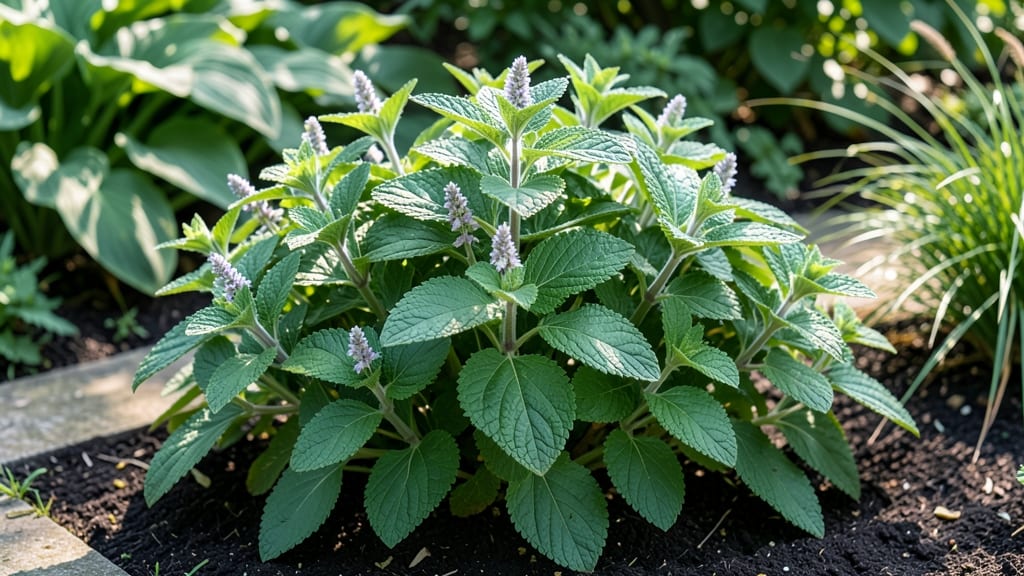
Large leaf mint spreads faster than weeds—and that’s exactly why it’s worth growing. 🌱 This hardy perennial doesn’t just survive in your garden; it thrives, filling gaps with its fragrant, lance-shaped leaves perfect for teas, pest control, and culinary dishes.
The secret lies in its love for moisture, sun, and a little elbow room to spread (or contain, if you prefer). You’ll need rich, well-draining soil and at least 6 hours of sunlight daily to keep it vigorous. Water consistently—this mint doesn’t like drying out—but avoid soggy roots.
Prune regularly to shape it or control its spread, and you’ll get lush, aromatic foliage all season long. The best part? It self-seeds and spreads through runners, making it nearly impossible to kill (and equally hard to eradicate once established). Once established, large leaf mint becomes a low-maintenance powerhouse.
Snip leaves as needed for cooking, and watch bees and butterflies flock to its flowers. Just be warned: it’s invasive, so plant it in containers or with strong barriers if you want to keep it contained. The flavor?
Bold, peppery, and far more intense than spearmint—ideal for mojitos, pest-repellent sprays, and fresh garnishes. For best results, pair it with vegetables like tomatoes or cabbage (it deters pests naturally), but keep it away from delicate perennials that might get crowded out.
With the right balance of sun, water, and pruning, you’ll have a fast-growing, fragrant mint patch that outpaces weeds—and your neighbors’ envy.
📚 In This Guide
- What you need
- Instructions
- Tips and common mistakes
- Wrapping up and next steps
What you need
- ● Large Leaf Mint Plants: 2–3 healthy nursery-grown plants (or 1–2 cuttings from a trusted source). Look for Mentha longifolia or Mentha spicata varieties.
- ● Potting Soil: 5–10 gallons of well-draining, organic potting mix (or garden soil amended with compost). Avoid heavy clay.
- ○ Containers (Optional but Recommended): 2–3 large pots (12–18 inches deep) with drainage holes, or
- ● A raised bed or in-ground plot (at least 18 inches wide and deep for spreading roots).
- ● Slow-Release Fertilizer: 1 cup of balanced 10-10-10 or organic compost (like worm castings).
- ● Mulch: Straw or shredded leaves (2–3 inches) to retain moisture and suppress weeds.
- ● Garden Gloves: 1 pair (to protect hands from prickly stems).
- ● Trowel or Hand Shovel: For planting and soil prep.
- ● Pruning Shears: Sharp, clean shears (disinfect with rubbing alcohol between uses).
- ● Watering Can or Hose: With a gentle spray nozzle (mint dislikes soggy roots!).
- ● Sunlight Access: 4–6 hours of partial sun (morning sun + afternoon shade works best).
- ● Patience! Mint spreads aggressively—plan for regular pruning or container boundaries.
- ● Root barrier fabric (to contain invasive roots in garden beds).
- ● Organic pest control (neem oil or insecticidal soap for aphids/spider mites).
- ● pH test kit (ideal soil pH: 6.0–7.0).
- ● Labels or markers (to track varieties if growing multiple types).
Step-by-Step instructions for growing large leaf mint
This vigorous spreader thrives with minimal effort—here’s how to grow it fast and keep it contained!
🌱 Step 1: Choose the Perfect Planting Spot
Large leaf mint loves full sun to partial shade—at least 4-6 hours of sunlight daily—but tolerates morning sun with afternoon shade in hotter climates. I always pick a spot with well-draining soil because soggy roots invite rot. If your soil is heavy clay, mix in 2-3 inches of compost to improve drainage before planting.
Here’s the thing—mint spreads aggressively, so plant it in a container if you want to control its growth. For in-ground planting, choose a spot where its runners won’t invade other plants, like near a stone border or edging. If you’re planting multiple plants, space them 18-24 inches apart to give them room to expand.
💧 Step 2: Plant and Water for Fast Establishment
Dig a hole twice as wide as the mint’s root ball but only as deep. Gently loosen the roots if they’re circling—this encourages them to spread outward instead of staying compact. Place the plant in the hole, backfill with soil, and water deeply to settle everything.
Keep the soil consistently moist for the first 2-3 weeks—you’ll know it’s right when the top inch feels damp but not soggy. Overwatering now can drown the roots, but underwatering stresses the plant before it establishes. I like to water early in the morning so the leaves dry quickly, reducing fungal risks.
☀️ Step 3: Maintain for Rapid Growth and Harvesting
Once established, large leaf mint is drought-tolerant but grows best with 1 inch of water per week. You’ll see new growth within 2-3 weeks, and the plant will spread quickly—this is why I recommend containers or barriers if you don’t want it taking over. Prune back leggy stems to encourage bushier growth and prevent woody stems.
Harvest leaves regularly to keep the plant productive. Pinch off new growth tips in spring to promote fuller bushes, and harvest individual leaves as needed rather than cutting entire stems. This encourages continuous growth and prevents the plant from flowering, which makes the leaves bitter.
✂️ Step 4: Control Spread and Overwinter for Next Year
To keep large leaf mint from spreading uncontrollably, cut back stems to 2-3 inches tall in late summer. This signals the plant to focus on root growth rather than sending out runners. If it’s in the ground, dig up and divide the roots in early spring—this rejuvenates the plant and gives you more starts for friends or other spots in your garden.
Mint is hardy to USDA Zone 5, so it’ll come back year after year with minimal care. In colder climates, mulch heavily with 2-3 inches of straw or shredded leaves to protect the roots during winter. Come spring, you’ll see fresh growth within 2-3 weeks—that’s the beauty of this fast-spreading perennial!
Tips & tricks for growing fast-spreading large leaf mint
Here's what I learned after growing mint for years—these tricks will help you grow lush, productive plants without the chaos!
Sunlight Strategy: In Step 1, if you're in a hot climate, prioritize morning sun with afternoon shade to prevent leaf scorch. I've seen mint leaves crisp up when exposed to intense afternoon sun—watch for this, especially in summer. The 4-6 hours of sunlight can be split between morning and late afternoon for best results.
Container Control: For container growing (mentioned in Step 1), choose pots that are at least 12 inches deep to accommodate the mint's aggressive root system. I use fabric grow bags because they allow excess water to drain while still containing the roots—perfect for controlling spread without sacrificing growth. Place a coffee filter in the bottom to prevent soil from escaping.
Watering Wisdom: During the critical 2-3 week establishment period in Step 2, I've found that watering deeply every other day (rather than daily) encourages stronger root development. Let the top inch of soil dry slightly between waterings—this mimics natural rainfall patterns and prevents root rot. The key is consistent moisture, not soggy soil.
Harvesting Hack: When harvesting in Step 3, always cut just above a leaf node (the point where leaves grow out). This encourages the plant to branch out rather than grow tall and leggy. I harvest about one-third of the plant at a time to maintain productivity without stressing it. Never harvest more than this—your mint will thank you with continuous growth!
Pro Tips for Large Leaf Mint
- Here's what I learned after growing mint for years—these tricks will help you grow lush, productive plants without the chaos!
- Sunlight Strategy: In Step 1, if you're in a hot climate, prioritize morning sun with afternoon shade to prevent leaf scorch.
- Container Control: For container growing (mentioned in Step 1), choose pots that are at least 12 inches deep to accommodate the mint's aggressive root system.
Frequently asked questions
about growing and maintaining large leaf mint—because even the hardiest gardeners need a little clarity!Is large leaf mint invasive? How do I control its spread?
Large leaf mint is a fast-spreading perennial, so containment is key! Plant it in containers or raised beds to limit root creep. If it escapes, dig up stray plants before flowering—they self-seed aggressively. For stubborn patches, use a sharp spade to cut roots at least 6 inches deep. Pro tip: Mulch heavily to suppress growth if you’re okay with a slightly slower spread.
How long does it take for large leaf mint to mature and become harvest-ready?
With the right conditions (full sun to partial shade and moist soil), you’ll see new growth in 4–6 weeks from seed or division. For harvesting, wait until the plant reaches 6–12 inches tall (usually 6–8 weeks after planting). Pinch back flowers to encourage leafy growth and prevent bitter flavors. Fun fact: Young leaves are the most tender!
Can I grow large leaf mint indoors? What’s the best setup?
Place it near a sunny window (south-facing is ideal) or under grow lights (12–14 hours/day). Use a well-draining pot with drainage holes and keep soil consistently moist. A 5–6 inch pot works for starters, but it’ll outgrow it fast—upgrade to a larger container if you want to keep it indoors long-term. Watch for: Leggy growth = not enough light!
What pests or diseases should I watch for with large leaf mint?
Large leaf mint is generally pest-resistant, but keep an eye out for:
- Aphids (tiny green/black bugs on leaves) – Spray with soapy water or introduce ladybugs.
- Spider mites (webbing on undersides) – Increase humidity or use neem oil.
- Powdery mildew (white fungal coating) – Improve air circulation and avoid overhead watering.
If leaves turn yellow or wilt, it may be overwatered or root-bound. Let soil dry slightly between waterings. Act fast: Remove infected leaves immediately to prevent spread.
What’s the difference between large leaf mint and other mints (like peppermint or spearmint)?
Large leaf mint has broader, softer leaves and a milder, sweeter flavor compared to peppermint’s sharp kick or spearmint’s citrusy note. It’s also hardier in heat and less prone to bolting (going to seed). Perfect for culinary uses like teas, pestos, or garnishes—but avoid if you dislike strong minty flavors! Try it: Blend with basil for a unique twist on mojitos.
Wrapping up and next steps
Growing large leaf mint is a rewarding journey—its fragrant leaves and fast-spreading nature make it a must-have for culinary gardens! 🌿 While pests like spider mites and diseases such as powdery mildew can pose challenges, staying proactive with preventive care and natural remedies keeps your plants thriving.
Remember, a little vigilance goes a long way in protecting your harvest.
Ready to turn your garden into a mint paradise? Start by inspecting your plants regularly and take action at the first sign of trouble. With the right knowledge, your large leaf mint will flourish, offering fresh flavors and vibrant greenery for years to come! 🌱