
Pests and Diseases
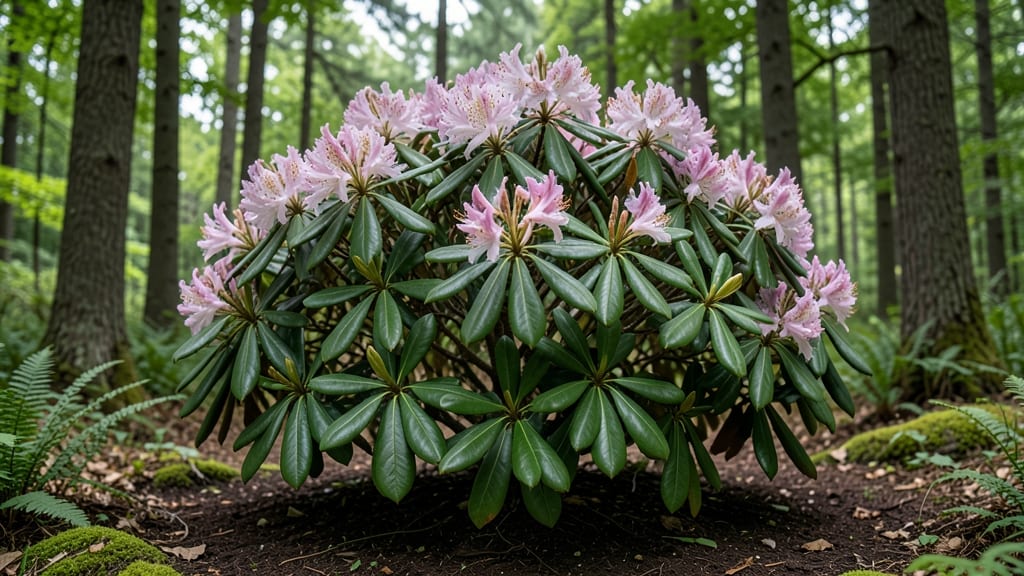
Revitalizing crispy edges on large leaf rhododendrons starts with understanding why they happen—and how copper spray can bring them back to life. 🌿 These stunning shrubs thrive in shade gardens, but their leathery leaves often develop brown, brittle edges when stressed by drought, poor soil, or fungal infections.
The key lies in a simple yet effective copper treatment that stops the damage in its tracks while restoring that deep, glossy green vitality.
Large leaf rhododendrons (Rhododendron maximum) love acidic, well-draining soil and partial shade, but even the hardiest varieties need protection when conditions turn against them. Copper fungicide isn't just for prevention—it's a game-changer for shrubs already showing signs of distress.
Applied at the right time (early spring or late fall), it creates a protective barrier that prevents fungal spores from taking hold, while also boosting the plant's natural defenses. Think of it as armor for your rhododendron's leaves.
Within 2-4 weeks of treatment, you'll notice the crispy edges softening and new growth emerging with a rich, vibrant green hue. The spray works best when combined with proper watering (deep but infrequent) and a layer of mulch to retain moisture.
For maximum impact, apply it on a calm, dry day when rain isn't forecasted—this ensures the copper stays active where it needs to be. The results? Shrubs that look healthier, more lush, and ready to dominate your landscape with their dramatic foliage and seasonal blooms.
This technique works for both established shrubs and younger plants struggling to establish themselves. Whether you're dealing with a single affected branch or an entire shrub, the copper spray method is foolproof—no fancy equipment or horticultural degree required.
Just follow the instructions, stay consistent, and watch your rhododendrons bounce back with the resilience they're known for. The best part? Once you've mastered this, you'll be equipped to tackle other fungal issues in your garden with confidence.
📚 In This Guide
- What you need
- Instructions
- Tips and common mistakes
- Wrapping up and next steps
What you need
- ● Copper-based fungicide spray: 1–2 gallons (or 3.8–7.6 liters) of ready-to-use liquid copper fungicide (e.g., Copper Sulfate 50% WDG or Copper Hydroxide). Look for a label approved for ornamental plants.
- ● OR 2–3 lbs (0.9–1.4 kg) of copper sulfate crystals (if mixing your own solution—see instructions below).
- ● Spray equipment: Hose-end sprayer OR a handheld pump sprayer (3–5 gallon capacity).
- ● Nozzles: 2–3 cone or flat-fan nozzles (adjustable to medium-coarse spray for even coverage).
- ● Protective gear: Long-sleeved shirt and gloves (nitrile or rubber).
- ● Safety goggles (to avoid eye irritation).
- ● Water source: Access to a hose with adjustable pressure (for rinsing tools afterward).
- ● Mixing container: 5-gallon plastic bucket (if diluting copper sulfate from crystals).
- ● Stirring tool: Wooden or plastic paddle (avoid metal to prevent reactions).
- ● Pruners: Sterilized bypass pruners (to trim severely damaged leaves post-treatment).
- ● Weather check: Forecast app (to pick a calm, dry day for spraying—avoid wind or rain within 24 hours).
Step-by-Step instructions for revitalizing large leaf rhododendron
Here's the copper spray method I trust to restore crispy-edged rhododendrons to vibrant health.
🌿 Step 1: Assess and Prepare the Plant
Examine each leaf carefully—crispy edges indicate fungal issues like leaf spot or edge burn. Focus on leaves with brown, papery margins rather than healthy green areas. Use clean, sharp pruning shears to remove any severely damaged leaves at the base, reducing disease pressure immediately.
Water the plant deeply the day before treatment to ensure the soil is moist but not soggy. This helps the copper solution absorb more effectively through the leaves. Avoid wetting the foliage directly beforehand, as damp leaves can dilute the spray's potency.
💧 Step 2: Mix the Copper Solution
Combine 1 tablespoon of copper fungicide (like copper sulfate or copper hydroxide) with 1 gallon of water in a clean spray bottle or pump sprayer. Stir gently to avoid creating foam—copper particles need to stay suspended evenly. Test the solution on a small, inconspicuous leaf first to check for irritation.
Wear gloves and protective eyewear during mixing and application. Copper can be harsh on skin and eyes, especially in concentrated forms. If your rhododendron has new growth or flowers, hold off on spraying until they’ve fully developed to avoid damaging tender tissues.
✂️ Step 3: Apply the Spray Evenly
Begin spraying in the early morning or late afternoon when temperatures are below 85°F to prevent leaf burn. Hold the sprayer 12-18 inches away from the foliage and apply until the undersides and tops of leaves are glistening wet. Focus on the crispy edges first, as these are the most susceptible to fungal spread.
Reapply the spray every 7-10 days for at least 3-4 weeks, depending on rainfall. If it rains within 24 hours of application, repeat the treatment. You’ll notice new growth emerging with softer, greener edges within 2-3 weeks if the fungal pressure is controlled.
☀️ Step 4: Support Recovery with Proper Care
After treatment, ensure your rhododendron receives morning sun and afternoon shade to reduce stress. Mulch the base with 2-3 inches of organic mulch to retain moisture and regulate soil temperature. Avoid overwatering—keep the soil consistently moist but never waterlogged.
Fertilize lightly with an acid-loving plant formula in early spring to boost recovery. Look for signs of new leaf growth from the center of the plant—this indicates the treatment is working. If crispy edges persist after four weeks, consider a second round of copper spray or consult a local nursery for additional fungal treatments.
Tips & tricks for revitalizing large leaf rhododendron crispy edges
Real talk: I’ve watched rhododendrons go from crispy-edged disasters to lush, vibrant plants using this method—here’s what nobody tells you.
Targeted Pruning Strategy: In Step 1, when removing severely damaged leaves, focus on cutting at the base where the leaf meets the stem. This prevents fungal spores from lingering in the leaf litter below. I also recommend sterilizing your pruning shears with rubbing alcohol between cuts to avoid cross-contamination—this simple step can make the difference between success and failure.
Solution Consistency Check: The copper solution in Step 2 needs to be uniform—if it separates, stir again before applying. I’ve seen gardeners skip this and end up with uneven coverage. For best results, shake the spray bottle gently before each use to redistribute any settled copper particles. A fine mist is ideal; thick droplets can clog the leaf pores and reduce effectiveness.
Timing Secret: The 24-hour pre-watering in Step 1 is non-negotiable. I learned this the hard way after treating dry plants—copper absorbs poorly through dehydrated leaves. Also, the 7-10 day reapplication window is critical: if you wait longer than 10 days, fungal spores can regain a foothold. Mark your calendar or set a phone reminder to avoid gaps in treatment.
Environmental Rescue: If you’re treating during hot weather (above 85°F), shift to early morning applications only. I’ve seen leaf burn occur when temperatures crept into the 90s—even with proper dilution. For extra protection, apply a light shade cloth over the plant for 24 hours post-treatment if your forecast predicts heatwaves.
Pro Tips for Large Leaf Rhododendron
- Real talk: I’ve watched rhododendrons go from crispy-edged disasters to lush, vibrant plants using this method—here’s what nobody tells you.
- Targeted Pruning Strategy: In Step 1, when removing severely damaged leaves, focus on cutting at the base where the leaf meets the stem.
- Solution Consistency Check: The copper solution in Step 2 needs to be uniform—if it separates, stir again before applying.
Frequently asked questions
Got questions about keeping your large leaf rhododendron thriving and crispy-edge-free? Here are some of the most common concerns—and their easy fixes!
Why do my rhododendron leaves turn crispy or brown at the edges?
Crispy edges (or "scorch") are usually caused by underwatering, over-sun exposure, or dry air. Large leaf rhododendrons love consistent moisture and partial shade. Mulch the root zone to retain humidity, and water deeply when the top 1–2 inches of soil feel dry. If your plant is in full sun, consider moving it to a shadier spot.
When is the best time to apply copper spray for fungal issues?
Apply copper spray early in the season (late winter or early spring) as a preventive measure, or at the first sign of fungal issues (like leaf spots or powdery mildew). Avoid spraying when rain is forecasted—wait for dry conditions. For severe cases, repeat every 7–10 days until the problem clears. Pro tip: Test a small area first to ensure your rhododendron tolerates the copper!
Can I use copper spray if it’s raining or about to rain?
Nope! Copper spray works best when applied to dry foliage. If rain is in the forecast, wait 24–48 hours after the last shower. Wet conditions can wash the spray off or dilute its effectiveness. For immediate protection, opt for a waterproof fungicide labeled for rhododendrons, but copper remains the gold standard for organic disease control.
What are some alternatives to copper spray for treating rhododendron diseases?
If copper isn’t your go-to, try these organic or chemical alternatives:
- Neem oil: Effective against fungal spores and pests; mix with water and a drop of dish soap for better adhesion.
- Baking soda spray: Mix 1 tbsp baking soda + 1 tsp oil + 1 gallon water for mild fungal issues.
- Potassium bicarbonate: A gentler fungicide that won’t harm beneficial insects.
- Systemic fungicides (like Myclobutanil): Fast-acting but use sparingly—follow label instructions!
For prevention, improve airflow around your plant and avoid overhead watering.
My rhododendron leaves are curling—could it be a pest problem?
Curling leaves often signal lace bugs, spider mites, or scale insects, which are common on large leaf rhododendrons. Check the undersides of leaves for tiny pests or sticky residue (honeydew). Treat with a horticultural oil or insecticidal soap for mild infestations. Severe cases may need a systemic insecticide like Imidacloprid. Prevent pests by keeping your plant healthy with proper watering and fertilization!
Wrapping up and next steps
Revitalizing your large leaf rhododendron with the copper spray technique is a game-changer for combating crispy edges and fungal woes! 🌿 With the right tools, timing, and a little patience, you can restore your plant’s health and vibrancy.
Remember, consistency is key—monitor your rhododendron closely and repeat treatments as needed to keep those pesky diseases at bay.
Ready to give your plant the TLC it deserves? Grab your copper spray and start treating those leaves today! For extra peace of mind, consider testing your soil pH or exploring organic alternatives—your rhododendron will thank you! 🌟