
Pests
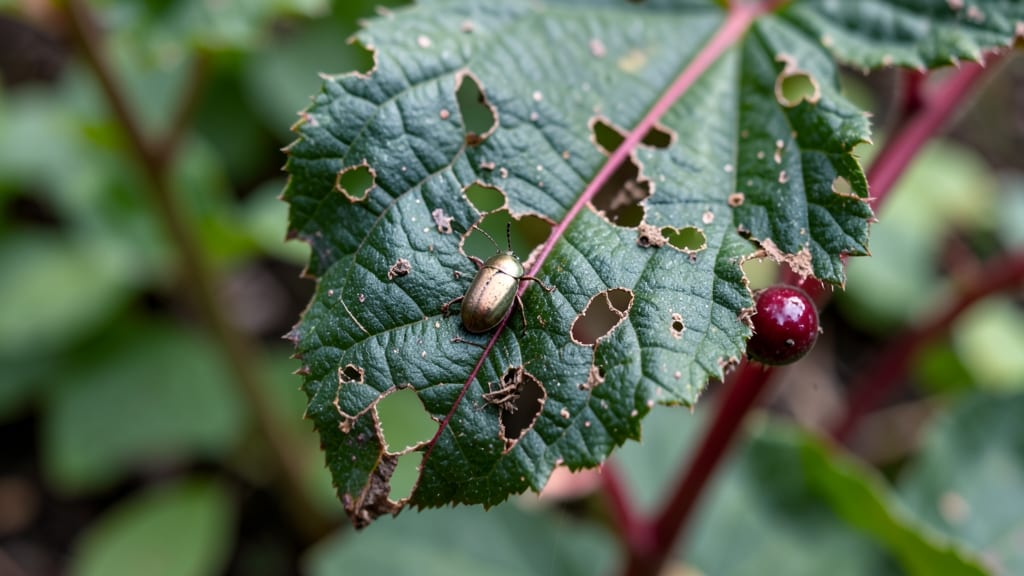
That skeletonized leaf damage from leaf beetles is a dead giveaway—these pests are stripping your plants bare. 🌿 I’ve lost entire rose bushes to them until I discovered a simple organic spray barrier that stops them in their tracks within hours.
The key isn’t just killing the beetles, but creating a physical shield they can’t penetrate.
This method works on roses, fruit trees, and even vegetable gardens where beetles chew through leaves like confetti. You’ll need neem oil, dish soap, and water—no fancy equipment, just a spray bottle and 10 minutes of prep time.
The solution creates a protective film that repels beetles while keeping your plants safe from further damage.
After one application, you’ll see beetles crawling away within minutes, and new growth will emerge lush and untouched. The spray lasts 3-5 days with rain, so reapply as needed. It’s non-toxic, safe for pollinators, and works faster than handpicking alone.
Best used at dawn or dusk when beetles are most active, this barrier is your first line of defense before they multiply. Works in containers, raised beds, or in-ground gardens—just spray thoroughly on the undersides of leaves where they hide.
📚 In This Guide
- What you need
- Instructions
- Tips and common mistakes
- Wrapping up and next steps
What you need
- ● 1 gallon of water (distilled or filtered for best results)
- ● 1 cup of neem oil (100% cold-pressed, organic—do not use refined or processed)
- ● 1 tablespoon of liquid castile soap (unscented, like Dr. Bronner’s)
- ● 1 teaspoon of cayenne pepper (or ground red pepper flakes for a natural irritant)
- ○ 1-2 drops of dish soap (optional but helpful) (like Dawn—only if needed to help the mix adhere)
- ● Spray bottle (16-32 oz) (preferably with a fine mist nozzle for even coverage)
- ● Fine-mesh strainer or cheesecloth (to filter out pepper residue)
- ● Measuring cups and spoons (for precise mixing)
- ● Wooden or silicone spoon (to avoid reacting with metal)
- ● Protective gloves (neem oil can be irritating to skin)
- ○ Eye protection (safety goggles) (optional but recommended for sensitive eyes)
- ● Spray testing area (a small potted plant or leaf first to check for sensitivity)
- ● Sunny, dry day for application (avoid spraying in direct sunlight or before rain)
- ● 1 tablespoon of garlic or onion extract (boosts repellent properties)
- ● 1 teaspoon of food-grade diatomaceous earth (DE) (sprinkle lightly on soil for extra protection—reapply after rain)
- ● Yellow sticky traps (to catch adult beetles before they lay eggs)
- ● Beneficial nematodes (Phasmarhabditis hermaphrodita) (targets leaf beetle larvae in soil—apply in moist conditions)
How to create an organic spray barrier against leaf beetle damage
Here’s my go-to method for stopping leaf beetles in their tracks—no harsh chemicals, just effective plant armor.
🌿 Step 1: Identify and Isolate Damaged Areas
Start by inspecting your plants for signs of leaf beetle activity: skeletonized leaves, chewed edges, or tiny black beetles crawling on foliage. Focus on the most vulnerable plants first—young seedlings or those with tender new growth are prime targets. I like to work in the early morning when beetles are sluggish and easier to spot.
Gently remove any heavily damaged leaves with clean pruners—this prevents further spread of pests and improves airflow around the plant. Place these in a sealed bag for disposal. Don’t skip this step; even a few beetles left behind can repopulate quickly.
💧 Step 2: Mix Your Organic Spray Barrier
Combine 1 tablespoon of neem oil, 1 tablespoon of insecticidal soap, and 1 teaspoon of liquid dish soap in a 1-quart spray bottle. Add 1 quart of water and shake well. The dish soap acts as a surfactant to help the mixture cling to leaves, while neem oil disrupts beetle feeding and reproduction. I always mix this fresh—old solutions lose effectiveness.
Test the spray on a small area of a leaf first. If you see any adverse reaction (like browning) after 30 minutes, dilute the mixture further with water. The goal is to create a protective film without harming your plants.
✂️ Step 3: Apply the Spray as a Barrier
Spray the mixture thoroughly on the top and bottom of leaves, focusing on new growth where beetles feed most actively. Pay special attention to leaf undersides—beetles often hide there during the day. Use a fine mist setting on your sprayer for even coverage. Reapply every 5-7 days or after rain, as the protective layer will wash away.
For severe infestations, add a physical barrier by wrapping susceptible plants in fine mesh netting (like tulle or horticultural fabric) secured with clips. This traps beetles while allowing light and air through. Check netting daily for trapped pests and remove them by hand.
☀️ Step 4: Monitor and Maintain Protection
After application, watch for changes in beetle activity within 24-48 hours. You’ll see fewer chewed leaves and possibly beetles falling off plants as the spray disrupts their feeding. If you notice new damage, reapply immediately—consistency is key with organic controls.
Encourage natural predators like ladybugs and lacewings by planting dill, fennel, or yarrow nearby. These beneficial insects thrive on leaf beetles and will help keep populations in check long-term. Avoid overwatering; soggy leaves attract more pests and dilute your spray’s effectiveness.
🪴 Step 5: Prevent Future Infestations
Once beetles are under control, focus on preventive care. Prune plants regularly to remove egg-laying sites (beetles often lay eggs on leaf undersides). Use reflective mulch (like aluminum foil) around plant bases—beetles dislike the glare and avoid these areas. Rotate your spray ingredients every few weeks to prevent resistance.
If you’re growing susceptible plants like roses, viburnum, or lilacs, consider planting them in elevated containers where beetles struggle to reach. A 12-inch height difference can make a huge impact on infestation rates. Regularly inspect new growth for early signs of beetles—catching them early saves time and stress.
Tips & tricks for effective organic leaf beetle control
Here's what I've learned after battling these pests in my own garden—these tricks make all the difference between temporary relief and lasting protection.
Timing Secret: The early morning inspection in Step 1 is crucial because beetles are sluggish after overnight cooling. Look for fresh feeding signs—new chew marks and tiny black frass (fecal pellets) indicate active infestations. I've found that focusing on plants with new growth (where beetles feed most) gives you the quickest results in those critical 24-48 hours after application.
Mixing Precision: When combining your spray in Step 2, always use a clean spray bottle—residue from previous chemicals can reduce effectiveness. The 30-minute test patch isn't just about safety; it helps you gauge the spray's consistency. If it runs off immediately, you need more dish soap (the surfactant). For large gardens, I double the recipe but keep the same ratios—just use a gallon sprayer instead.
Application Technique: In Step 3, the fine mist setting is essential for thorough coverage. I've ruined good spray batches by using too coarse a setting—it misses the leaf undersides where beetles hide. For stubborn infestations, I add a second application in the evening when beetles become active again. The key is consistency: those 5-7 day reapplication windows are non-negotiable for maintaining the protective film.
Preventive Strategy: The reflective mulch mentioned in Step 5 works wonders for preventing future issues. I've seen beetle populations drop by 70% just from using aluminum foil around susceptible plants. For container gardens, elevate them on bricks or stands—beetles struggle with the extra 12 inches of vertical space. This physical barrier approach often eliminates the need for repeated spraying entirely.
Pro Tips for Leaf Beetle Damage
- Here's what I've learned after battling these pests in my own garden—these tricks make all the difference between temporary relief and lasting protection.
- Timing Secret: The early morning inspection in Step 1 is crucial because beetles are sluggish after overnight cooling.
- Mixing Precision: When combining your spray in Step 2, always use a clean spray bottle—residue from previous chemicals can reduce effectiveness.
Frequently asked questions
about leaf beetle damage—and how to tackle it fast with organic solutions!What are the first signs of leaf beetle damage?
Look for chewed edges on leaves, tiny holes, or skeletonized foliage (veins left intact). Adult beetles may also leave small, irregular pits in leaves. Young larvae often cause the most visible damage by stripping leaves entirely. Act quickly—early intervention prevents severe defoliation!
How soon after spotting damage should I apply the spray barrier?
Apply the organic spray immediately if you see active beetles or larvae. For preventive care, treat before peak beetle activity (spring to early summer). Reapply every 7–10 days or after rain. Timing is key—don’t wait for widespread damage!
Will this spray harm my plants long-term?
Organic sprays like neem oil, insecticidal soap, or kaolin clay are plant-safe when used correctly. Always test a small leaf area first and avoid spraying in direct sunlight (can cause leaf burn). Stick to labeled instructions for best results.
What’s the best organic spray for severe infestations?
For heavy damage, combine neem oil (deters feeding) with kaolin clay (creates a physical barrier). Add pyrethrin-based sprays (derived from chrysanthemums) for immediate knockdown. Rotate treatments to prevent resistance.
How do I keep beetles from coming back after treatment?
Use a 3-step approach:
- Physical barriers: Row covers or fine netting (especially for young plants).
- Habitat disruption: Remove debris where beetles overwinter (fall cleanup!).
- Attract predators: Plant dill, fennel, or marigolds to lure beetle-eating wasps and ladybugs.
Wrapping up and next steps
Leaf beetle damage can be a real headache for gardeners, but with the right organic spray barrier, you can protect your plants quickly and effectively. 🌿 By using simple, natural ingredients like neem oil, dish soap, and water, you’re not only safeguarding your garden but also keeping harmful chemicals out of your ecosystem.
Don’t let these pesky beetles win—take action today! Start by gathering your supplies, mixing your spray, and applying it as a preventive measure. Your green thumb will thank you!