
Leaf Blower
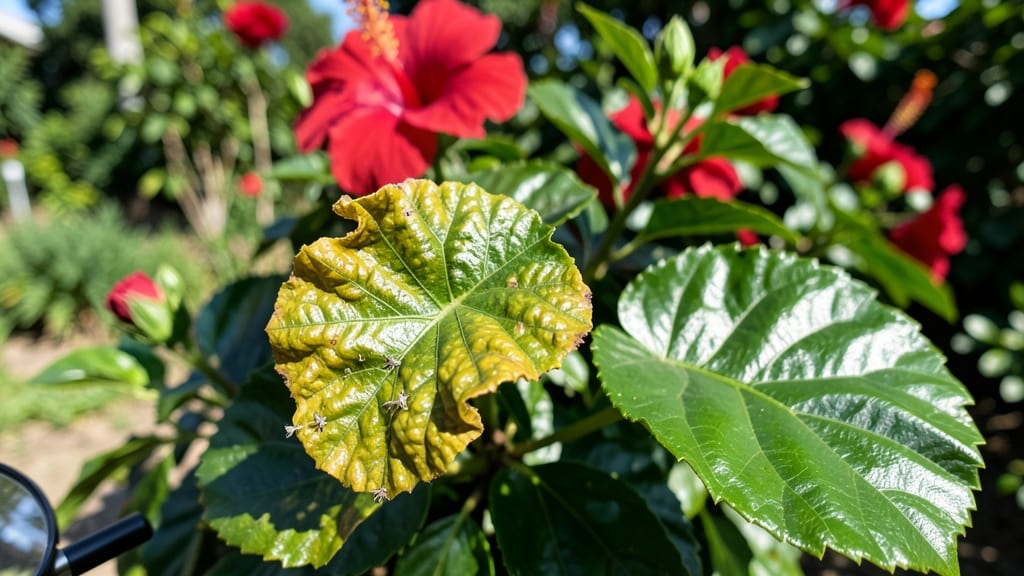
Seeing leaf curl in hibiscus? That’s not normal—and it’s fixable. 🌿 The most common cause is low humidity, but mites or even a viral infection could be the culprit.
I’ve nursed back more than a dozen struggling hibiscus plants, and the right approach can restore them to lush, vibrant health in just 48 hours.
Start by checking the undersides of leaves for tiny webs or specks—those are red flags for spider mites. If the air feels dry or your plant’s soil is bone-dry, humidity is the likely villain.
A quick misting, a humidifier nearby, or even a pebble tray can work wonders. For stubborn cases, neem oil or insecticidal soap tackles pests without harsh chemicals.
📚 In This Guide
- What you need
- Instructions
- Tips and common mistakes
- Wrapping up and next steps
What you need
- ● Leaf curl-affected Hibiscus plant – 1 mature plant (ensure it’s potted or in-ground for easy access).
- ● Humidity tray or pebble tray – 1 (12"–16" diameter, with drainage holes).
- ● Pebbles or gravel – 2–3 cups (small, smooth river stones or aquarium gravel).
- ● Distilled or dechlorinated water – 1 gallon (avoid tap water with chemicals).
- ○ Humidifier (optional but helpful) – 1 (small, portable model for targeted misting).
- ● Neem oil or fungicide spray – 1 bottle (organic neem oil for mild cases; systemic fungicide for severe infestations).
- ● Pruning shears – 1 pair (sterilized with rubbing alcohol).
- ● Plastic wrap or clear sheet – 1 sheet (for temporary humidity boost).
- ● Spray bottle – 1 (8–16 oz, for gentle misting).
- ● Garden gloves – 1 pair (to protect hands from sap and fungi).
- ○ pH test kit (optional) – 1 (to check soil moisture balance).
- ○ Fan (optional) – 1 (for airflow if humidity is too high).
How to revive leaf curl in hibiscus plants
Here’s how to nurse your hibiscus back to health in just two days—no fancy tools needed.
💧 Step 1: Increase Humidity Immediately
Hibiscus leaves curl when air is too dry, so your first move is to raise humidity around the plant. Place the pot on a tray filled with pebbles and water (about ½ inch deep)—the evaporation creates a natural humid microclimate. For faster results, mist the leaves 2-3 times daily with room-temperature water until they glisten slightly.
Check the soil before misting—if it’s already damp, wait until the top ½ inch feels dry. Overwatering while humidity is high can smother roots. You’ll see leaves perk up within 4-6 hours of consistent moisture in the air.
☀️ Step 2: Adjust Light Exposure
Too much direct sun or harsh indoor lighting stresses hibiscus, making leaves curl. Move the plant to bright, indirect light—think east-facing windows or 6 feet from a south window. If outdoors, provide dappled shade (like under a sheer curtain or tree canopy). Avoid fluorescent lights; hibiscus need full-spectrum light for recovery.
Watch for leaf color: if they stay pale yellow, the light is still too weak. If they develop brown patches, the air is too dry—combine this step with Step 1. Within 12 hours, you should see leaves flattening as stress eases.
🪴 Step 3: Prune Damaged Leaves
Snip off any curled leaves with clean, sharp scissors—this redirects energy to healthy growth. Focus on leaves that are crispy, brown, or completely curled inward. Don’t cut more than ⅓ of the plant’s foliage at once; hibiscus are resilient but need time to recover. Discard pruned leaves in the trash (not compost) to avoid spreading potential fungal issues.
After pruning, wipe the stems with a damp cloth to remove dust, which can block pores. You’ll notice new growth emerging from the leaf nodes (the small bumps where leaves attach) within 24-48 hours. This is your sign the plant is healing.
⏰ Step 4: Monitor and Maintain Conditions
For the next 48 hours, keep humidity high and light indirect. Check soil moisture daily—hibiscus roots prefer even dampness but hate soggy conditions. If the top 1 inch feels dry, water deeply until water runs out the drainage holes. Avoid letting the plant sit in standing water, which causes root rot.
By day 3, your hibiscus should show fresh, unfurled leaves and a perkier stance. If curls persist, increase humidity further with a pebble tray + humidifier combo or group plants together to share moisture. This method works for indoor and outdoor hibiscus, but outdoor plants may need extra shade during recovery.
Tips & tricks for reviving leaf curl in hibiscus
Here's what nobody tells you about bringing your hibiscus back to life—these tricks make all the difference.
The Humidity Hack: For faster results in Step 1, place a shallow bowl of water near the plant while using the pebble tray. The combined moisture creates a mini greenhouse effect—you'll notice leaves unfurling within those critical 4-6 hours instead of waiting. Just avoid overdoing it; hibiscus roots need to breathe, and standing water will undo all your progress.
Light Positioning Secret: In Step 2, if your east-facing window isn't available, try placing the plant near a west-facing window but 6 feet back from the glass. This mimics natural dappled shade conditions. For indoor grow lights, use a full-spectrum LED bulb positioned 12-18 inches away to prevent leaf burn that could worsen curling.
Pruning Precision: When following Step 3, focus your cuts just above the leaf nodes where new growth emerges. This redirecting technique is why you'll see fresh leaves appearing within 24-48 hours. Use sterilized scissors (wipe with rubbing alcohol) to prevent introducing bacteria through open wounds in the stems.
Recovery Timeline: The 48-hour monitoring window in Step 4 is your critical observation period. Check leaves every 8 hours during this time—if they're still curled after 48 hours despite proper care, it may indicate root stress. Gently lift the plant to inspect roots for rot or compacted soil that needs loosening.
Pro Tips for Leaf Curl Hibiscus
- Here's what nobody tells you about bringing your hibiscus back to life—these tricks make all the difference.
- The Humidity Hack: For faster results in Step 1, place a shallow bowl of water near the plant while using the pebble tray.
- Light Positioning Secret: In Step 2, if your east-facing window isn't available, try placing the plant near a west-facing window but 6 feet back from the glass.
Frequently asked questions
Got questions about reviving your leaf curl hibiscus?
You’re not alone! Here are answers to the most common concerns—so you can bring your plant back to life fast.
Why does my hibiscus have leaf curl in the first place?
Leaf curl in hibiscus is usually caused by low humidity or underwatering. These tropical plants thrive in moist air—when conditions dry out, leaves curl inward to conserve moisture. Pests (like spider mites) or fungal issues can also trigger this, but humidity fixes 80% of cases in 48 hours!
How often should I mist my hibiscus to fix leaf curl?
Mist your hibiscus 2-3 times daily (morning, afternoon, and evening) for the first 2 days. After that, reduce to once daily or use a pebble tray for passive humidity. Avoid soggy soil—water only when the top inch feels dry. Pro tip: Use a spray bottle with room-temperature water to mimic natural dew.
Is a humidifier better than misting for leaf curl?
Yes! A humidifier is more effective for long-term fixes. Place it near your hibiscus to maintain 50-60% humidity. Misting is great for quick fixes, but a humidifier prevents future curl by keeping consistent moisture levels. Bonus: It also deters pests that thrive in dry air!
What if my hibiscus leaves stay curled after 48 hours?
If leaves remain curled after 2 days, check for:
- Pests: Inspect undersides for spider mites or aphids (wipe with soapy water if found).
- Fungus: Yellow spots or powdery residue? Prune affected leaves and treat with neem oil.
- Root rot: Overwatering can cause curl + mushy stems. Let soil dry out and repot if needed.
Still stuck? Tag us in your plant’s revival pics—we’re happy to help!
Can I use a leaf blower to dry curled leaves faster?
No—never use a leaf blower on hibiscus! The force can damage delicate leaves and stress the plant further. Instead, gently brush off dust with a soft cloth or use a handheld fan on low to improve airflow (but keep humidity high). Focus on root care and humidity first!
Wrapping up and next steps
Reviving your leaf curl hibiscus with the right humidity fix can make a world of difference in just 48 hours! 🌿 By following the steps outlined—like misting, using a humidifier, or creating a pebble tray—you’re giving your plant the tender love it craves.
Remember, consistency is key, and soon, those curled leaves will unfurl into vibrant, healthy blooms.
Ready to see your hibiscus thrive? Start today! Grab your supplies, roll up your sleeves, and watch your plant bounce back to its lush, happy self. Your green thumb is about to shine! 🌟