
Pests and Diseases
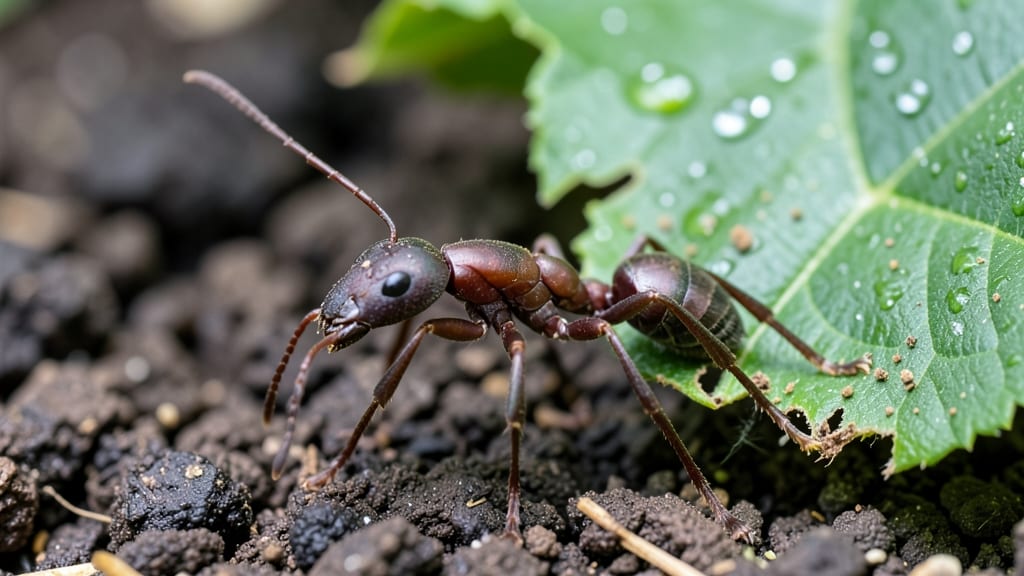
Leaf cutter bugs are the silent saboteurs stealing your garden’s future. 🌿 These tiny, saw-toothed invaders slice leaves into perfect rectangles—leaving behind a trail of damage that looks like a craft project gone wrong.
I’ve watched them turn lush basil and tomato plants into lacework overnight, and I’m here to stop them before they ruin another season.
The problem starts when these brown, winged pests (about ½-inch long) target tender new growth, especially on herbs, citrus, and flowering plants. They don’t just chew—they cut leaves to carry back to their underground nests, where their larvae feed on fungi.
By the time you notice the damage, they’ve already been at it for weeks, and your plants are struggling to recover.
Here’s the good news: with three targeted steps—trapping adults, removing nests, and protecting young plants—you can reclaim your garden in just a few weeks. No more wilting herbs or skeletonized leaves. Your plants will bounce back stronger, and you’ll spot these pests before they become a full-blown crisis.
This works for any garden size, from container herbs to full-size vegetable beds. The key is acting fast—once you know what to look for, these bugs become easy to outsmart. Let’s get your garden back in fighting shape.
The Hidden Triggers Behind Leaf Cutting
Those tiny, relentless garden invaders known as leaf cutter ants (or leaf cutter bugs, depending on the region) don’t just appear out of nowhere—they’re drawn by a mix of environmental cues, plant chemistry, and even human habits.
Understanding why they target your garden is the first step to outsmarting them. Let’s break down the science behind their behavior and what makes your yard look like an all-you-can-cut buffet. 🌿🐜
Leaf cutter ants aren’t picky—they’re strategic. These pests are drawn to plants with:
- High moisture content: Succulent, water-rich leaves (like those of hibiscus, roses, or citrus) are their top choice because they’re easier to transport back to their colonies. Drought-stressed plants? Not their vibe.
- Soft, thin leaves: Plants with delicate foliage (e.g., ferns, impatiens, or young vegetable shoots) are prime targets because the ants can cut them with minimal effort. Think of it like choosing a slice of cake over a brick.
- Volatile organic compounds (VOCs): Some plants emit chemical signals that ants interpret as “fresh and fertile.” For example, compost piles or rotting wood near your garden can act like a neon sign, luring scouts to investigate—and then recruit reinforcements.
Pro tip: 💡 If your garden has a mix of tough, leathery leaves (like rosemary or lavender) and soft, lush plants, the ants will zero in on the latter. Swap out vulnerable plants for ant-repellent alternatives like lemongrass, mint, or marigolds.
You might not realize it, but everyday gardening practices can accidentally make your yard a leaf cutter ant paradise. Here’s how:
- Overwatering: While ants need moisture, soggy soil creates the perfect highway for them to travel and nest. A consistently damp garden (especially near mulch or wood chips) signals to ants: “Move in here!”
- Mulch mountains: Thick layers of organic mulch (like bark or straw) provide shelter and nesting material. Ants will tunnel through it, using it to build their fungus gardens. 🌡️ Keep mulch <3 inches deep and avoid piling it against tree trunks.
- Composting mistakes: A hot compost pile (not too wet, not too dry) can deter ants, but a cool, damp pile is an open invitation. Ants use compost as a shortcut to food and nesting sites.
- Ignoring chewed leaves: Once ants start cutting, they leave behind telltale notches along leaf edges. If you don’t remove these (or nearby infested plants), the colony gets a green light to expand.
Leaf cutter ants are opportunistic, but their activity ramps up under specific conditions:
- Warm, humid weather: These ants thrive in 70–90°F (21–32°C) with 60%+ humidity. Drought? They’ll wait. Consistent rain or irrigation keeps their tunnels moist and their fungus gardens thriving.
- Established colonies nearby: A single queen can found a colony, but worker scouts spread out to find food. If your neighbor’s yard is already infested, their scouts will inevitably find your garden. 🗣️ A friendly heads-up can save everyone’s plants.
- Seasonal timing:
- Spring/Summer: Peak activity as colonies grow and scouts search for food.
- Fall: Ants prepare for winter by stockpiling leaves and expanding tunnels.
- Winter: They retreat deeper into the soil but remain active if temperatures stay mild.
Key takeaway: 🔥 If your area has warm, wet summers, leaf cutter ants see your garden as a 24/7 salad bar. Stay one step ahead with early detection.
Here’s the real reason leaf cutter ants are so destructive: they’re fungus farmers. Their entire colony revolves around cultivating a specific type of fungus (Leucocoprinus gongylophorus) in underground chambers. To feed this fungus, they:
- Cut leaves and carry them back to the nest to fertilize the fungus with nutrients.
- Prune their fungus garden, removing contaminated or overgrown sections to keep it healthy.
- Defend their crop fiercely: If you disturb their nest, they’ll swarm to protect their fungus—hence the “aggressive” reputation.
Why it matters: 🌡️ Disrupting their fungus garden (with borax, diatomaceous earth, or nematodes) forces them to abandon the nest. It’s like cutting off their entire food supply chain.
Quick Fixes for Garden Pests
If you’ve spotted tiny, marching insects carrying leaf fragments across your yard, you’re likely dealing with leaf cutter bugs (or their close relatives). These pests can quickly turn lush greenery into a skeletonized mess, but the good news?
You can stop them in their tracks with targeted, practical solutions. Below, we break down the most effective fixes based on the root cause—whether it’s an infestation, damage control, or long-term prevention.
If you’ve already noticed chewed leaves, trails of debris, or visible nests, act fast to minimize damage.
🔥 Remove and Destroy Nests
Leaf cutter bugs often build nests in soil or mulch, where they store their leaf clippings. Spot and destroy these nests to cut off their food supply and breeding grounds. - How to do it: Use a trowel or stick to carefully dig up nests (they look like small, muddy mounds with leaf fragments).
Drop them into a bucket of soapy water to kill the bugs and larvae. - Pro tip: Check under plants, near sidewalks, and in mulch beds—these are hotspots for nests. 💡 Wear gloves to avoid skin irritation from formic acid (a defense mechanism of some species).
🍳 Handpick and Trap Adults
For smaller infestations, manual removal can be surprisingly effective. - Handpicking: Early morning is the best time to find sluggish adults.
Drop them into a jar of soapy water or crush them (if you’re feeling bold). - DIY traps: Place a shallow dish filled with soapy water near infested areas. The bugs will fall in and drown. ✨ Add a little beer or sugar water to attract them faster.
Even after eliminating the pests, your plants may need a little TLC to bounce back.
👨🍳 Prune and Protect Damaged Foliage
Severely chewed leaves won’t recover, but you can help your plants focus energy on new growth. - Prune affected leaves: Snip off heavily damaged foliage with clean pruners.
This encourages the plant to produce fresh, healthy leaves. - Apply mulch: A 2–3 inch layer of organic mulch (like wood chips or straw) around the base of plants can deter future pests and retain moisture. 🌡️ Just keep it away from the stem to prevent rot.
🥗 Boost Plant Health with Fertilizer
Stressed or nutrient-deficient plants attract more pests.
Give your garden a boost with: - Balanced fertilizer: Use a slow-release, organic fertilizer (like compost or worm castings) to strengthen roots and foliage. - Neem oil spray: This natural fungicide and insect repellent can also deter future leaf cutters.
Mix 1 tbsp neem oil with 1 quart of water and a drop of dish soap, then spray on leaves. ⏰ Reapply every 7–10 days for best results.
Once you’ve handled the current infestation, take steps to keep these pests from returning.
🔪 Eliminate Favorable Conditions
Leaf cutter bugs thrive in moist, shaded areas with plenty of leaf litter. Make your garden less inviting with these tweaks: - Reduce mulch thickness: While mulch is great for soil health, thick layers can harbor pests.
Stick to 1–2 inches. - Improve drainage: These bugs love damp soil. Ensure your garden has proper drainage to discourage them. - Remove leaf debris: Regularly rake up fallen leaves and plant clippings. 🎯 Pile them in a sealed trash bin—don’t compost them on-site.
🌟 Introduce Natural Predators
Encourage beneficial insects and animals that prey on leaf cutters:
- Birds: Install birdhouses or feeders to attract insect-eating birds like wrens, sparrows, and chickadees.
- Ground beetles and spiders: These predators love leaf cutter bugs.
Avoid pesticides that harm them. - Ducks or chickens: If you have space, these birds will happily snack on leaf cutters (and other pests) in your garden.
🚫 Use Barrier Methods
For high-risk plants (like citrus, roses, or ornamentals), create physical barriers: - Row covers: Lightweight fabric covers can block adult bugs from reaching plants.
Secure edges tightly to prevent entry. - Copper tape: Wrap copper tape around pot rims or low garden beds. The slight electric charge repels insects.
Keep this handy to stay ahead of future infestations:
- [ ] Monthly inspections: Check plants and soil for nests or early signs of damage.
- [ ] Clean up regularly: Remove leaf litter and debris every 2–3 weeks.
- [ ] Healthy soil: Test soil pH and amend with compost to keep plants strong.
- [ ] Monitor moisture: Avoid overwatering—leaf cutters love damp conditions.
By combining immediate action with long-term prevention, you’ll reclaim your garden from these tiny troublemakers. Stay vigilant, and your plants will thank you with vibrant, pest-free growth!
Frequently asked questions
Are leaf cutter bugs the same as leaf cutter ants?
Not exactly! While both cut leaves, leaf cutter ants (like Atta species) are tropical and build massive underground colonies with fungus farms. Leaf cutter bugs (often in the family Attelabidae) are smaller, common in temperate regions, and their larvae eat the leaf edges directly—not fungus. Think of ants as the "farmers" and bugs as the "grazers."
Why do they cut leaves into perfect rectangles?
Leaf cutter bugs use their strong mandibles to cut leaves precisely because it's efficient! The rectangular pieces are easier to carry back to their nests (or for larvae to eat). Unlike ants that transport leaves to grow fungus, these bugs often feed the cuttings directly to their young. It's like nature's version of a lunchbox!
Will my plants recover after an infestation?
Yes, but it depends on the damage. Young plants may need pruning to remove chewed leaves and extra care with fertilizer. Mature plants usually bounce back, especially if you remove the pests and improve soil health. Focus on new growth—those leaves will be stronger and more resistant!
Are there chemical pesticides that work?
Yes, but natural methods are often better. Insecticidal soap or sprays with pyrethrin can kill adults on contact. For nests, borax or diatomaceous earth work well when applied directly. Always test sprays on a small area first—some plants are sensitive!
How do I know if they're back next season?
Watch for these signs: tiny notches along leaf edges, muddy trails in soil, or piles of leaf fragments. Set up simple traps (like soapy water dishes) in early spring to catch scouts before they establish nests. A quick monthly check keeps your garden safe!