
Pests and Diseases
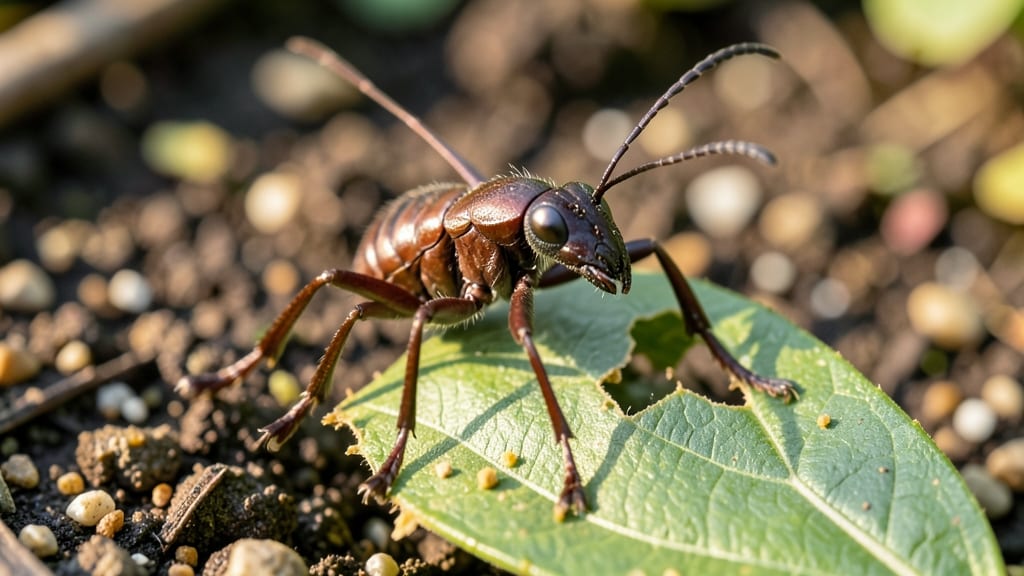
Leaf cutter insects are the silent garden wreckers you’ll spot too late—tiny but terrifying, they strip plants bare overnight. 🌿 I’ve watched them turn my citrus trees into skeleton branches in less than 24 hours, and once they’re in your yard, they’re not easy to evict.
The good news? You can outsmart them with a few targeted moves before they become a full-blown infestation.
These pests don’t just nibble—they harvest leaves to feed their fungus farms underground. You’ll know they’re a problem when you see clean-cut edges on foliage (not the jagged damage from other pests) or mud tunnels on stems.
My first clue was the sudden collapse of a basil plant—one minute it was thriving, the next, just stems. The damage escalates fast, so acting within 48 hours makes all the difference.
Natural controls work best: diatomaceous earth around plants, orange oil sprays (they hate citrus scents), and dug-out bait stations with protein (they’ll carry it back to the colony).
For severe cases, pyrethrin-based sprays (organic insecticide) knock them out fast—but the real win is prevention: seal cracks in your foundation, keep mulch away from plant bases, and monitor citrus or veggie plants first (their favorite snacks).
Once you’ve kicked them out, stay vigilant—these ants scout relentlessly. A weekly perimeter check and healthy soil (they target stressed plants) keep them from staging a comeback. Trust me, your garden will thank you when the leaves stay exactly where they belong.
The Hidden Triggers Behind Their Behavior
Leaf cutter ants—often called farming ants—are among nature’s most fascinating yet destructive pests. Their relentless leaf-snipping isn’t random; it’s a precise survival strategy tied to biology, environment, and even human interference.
Understanding these triggers is the first step to stopping them before they turn your garden into a buffet. Here’s why they do what they do:
Leaf cutter ants don’t eat leaves—they farm fungus
🍄. Deep in their nests, they cultivate Leucoagaricus gongylophorus, a specialized fungus that thrives on chewed plant matter. The process is a symbiotic cycle:- Leaf collection: Workers cut leaves, transport them to underground chambers, and chew them into a nutrient-rich pulp.
- Fungal growth: The pulp fertilizes the fungus, which the ants then feed to their larvae and themselves.
- Waste recycling: Ant waste (rich in nitrogen) further fertilizes the fungus, creating a self-sustaining ecosystem.
Without this fungal garden, the colony collapses within weeks. That’s why they’re so aggressive—every leaf counts for their survival.
These ants thrive in warm, humid environments (70–85°F and 70%+ humidity), which explains why they’re rampant in tropical and subtropical regions—and increasingly in greenhouses or shaded garden spots. Key factors:
- Moisture retention: Their nests require constant dampness to prevent fungal dehydration. Look for mud tunnels or soil with high moisture near infestations.
- Temperature sensitivity: Cooler climates slow their activity, but greenhouses or mulched beds mimic their ideal conditions year-round.
- Rainfall triggers: Heavy rains can accelerate colony expansion as they seek drier nesting sites above ground.
Actionable tip: Reduce humidity near plants with gravel mulch or improve drainage to deter them.
Leaf cutter ants don’t just appear—they’re often drawn by human activity
. Common mistakes that invite them:| Cause | Why It Works for Them |
|---|---|
| Overwatering plants | Creates ideal humidity levels for nest expansion. |
| Compost piles or leaf litter | Provides free food and nesting material. |
| Poorly sealed structures | Cracks in foundations or wood allow them to build hidden galleries. |
| Monoculture gardens (e.g., banana or citrus trees) | Easy access to large, soft leaves for cutting. |
Pro tip: 💡 Eliminate standing water, remove leaf debris, and seal entry points with caulk or fine mesh to disrupt their setup.
Leaf cutter ants are highly territorial. When a colony grows too large or resources dwindle, they split into swarms (a process called budding) to colonize new areas. Triggers include:
- Overcrowding: Nests with >1 million workers may send out explorer scouts to find fresh food sources.
- Predator threats: If a colony is attacked by army ants or birds, they’ll relocate aggressively.
- Food scarcity: Drought or deforestation forces them to raid gardens for survival.
Key insight: A single infestation can signal multiple colonies nearby, so act fast to prevent a neighborhood outbreak.
Quick Fixes for Garden Invaders
Dealing with leaf-cutting insects can feel like a losing battle, but with the right strategies, you can reclaim your garden—and fast. Below, we break down the most common causes of these pests and the practical, step-by-step solutions to stop them in their tracks.
Whether you’re dealing with chewed foliage, mud tunnels, or sudden plant decline, these fixes will help you regain control without harsh chemicals.
Cause: Leaf cutters strip leaves to feed their fungus gardens, leaving behind a trail of destruction.
Fix:
- 🔥 Inspect and Identify: Start by confirming the damage is from leaf cutters (look for clean, rectangular cuts and mud tunnels).
- 🍳 Prune Aggressively: Snip off heavily damaged leaves and stems—do not compost them. Place pruned leaves in a sealed bag to prevent the pests from re-infesting.
- 👨🍳 Replace or Revive: For severely affected plants, trim back to healthy growth. If the plant is beyond saving, remove it entirely to prevent further spread.
💡 Pro Tip: Focus on new growth—leaf cutters target tender leaves, so pruning encourages resilient regrowth.
Cause: These insects build underground chambers to cultivate fungus, often near plant roots.
Fix:
- 🔪 Locate the Nests: Look for small, muddy tunnels (about the width of a pencil) near your plants or along sidewalks.
- 🌡️ Drown the Colonies: Pour soapy water or boiling water directly into the tunnels to kill the insects and larvae. Repeat every few days for 2–3 weeks.
- 🎯 Block Entry Points: Sprinkle diatomaceous earth (DE) or crushed eggshells around the tunnels to create a barrier. Avoid overwatering, as moisture attracts them.
✨ Prevention Tip: Keep your lawn mowed short and remove leaf litter—these pests thrive in dense, damp environments.
Cause: Leaf cutters cultivate fungus in their nests, which can spread to nearby plants.
Fix:
- 🍳 Remove Fungal Gardens: Dig up the mud tunnels and discard the fungus-infested soil. Wear gloves to avoid contact with the spores.
- 🔥 Solarize the Soil: If nests are widespread, cover the area with clear plastic sheeting for 4–6 weeks to bake out eggs and larvae.
- 🌱 Introduce Beneficial Nematodes: Apply Steinernema carpocapsae nematodes to the soil—they target leaf cutter grubs naturally.
💡 Pro Tip: Plant marigolds or basil nearby; their strong scent repels leaf cutters.
Cause: Leaf cutters return if conditions (moisture, shade, and food sources) remain ideal.
Fix:
- 🌡️ Improve Drainage: Ensure your garden has good airflow and avoid overwatering. Use raised beds if your soil stays soggy.
- 🎯 Mulch Strategically: Use gravel or pine straw instead of thick organic mulch, which attracts moisture-loving pests.
- 🍄 Monitor Regularly: Check plants weekly for early signs of damage. Neem oil sprays (applied to leaves) can deter them before they nest.
✨ Prevention Tip: Rotate crops and avoid planting susceptible species (like citrus or roses) in the same spot yearly.
By combining immediate action with preventive measures, you can eliminate leaf cutters and protect your garden for good. Start with the fixes that match your current problem, then build a long-term plan to keep these pests at bay!
Frequently asked questions
What do leaf cutter insect tunnels look like?
Look for small, pencil-width mud tunnels (about 1/8-inch wide) on stems, sidewalks, or soil. These tunnels connect to underground fungus gardens. The tunnels often have a smooth, shiny surface from constant ant traffic.
Can leaf cutter insects harm my house?
Yes, they can. These ants build nests in wall voids, crawl spaces, or under foundations if conditions are moist. Look for mud trails leading indoors or chewed leaves near windows. Seal cracks with caulk and reduce outdoor moisture to deter them.
How long does it take to eliminate a colony?
With consistent treatment, you can see results in 2-4 weeks. Focus on nest disruption (boiling water/soapy solutions) combined with barriers (diatomaceous earth). Large colonies may require 3-6 months for full eradication due to their underground fungus farms.
Are there plants that repel leaf cutter insects?
Yes! Plant marigolds, basil, lemongrass, or citrus trees near vulnerable plants. Their strong scents mask plant odors that attract these ants. Lavender also works well as a natural deterrent.
Why do they only attack some plants?
Leaf cutter insects prefer soft, tender leaves like citrus, hibiscus, or young vegetables. They avoid plants with thick leaves (aloe) or toxic compounds (mint). Their target selection is based on leaf texture and nutritional value, not random damage.