
Propagation
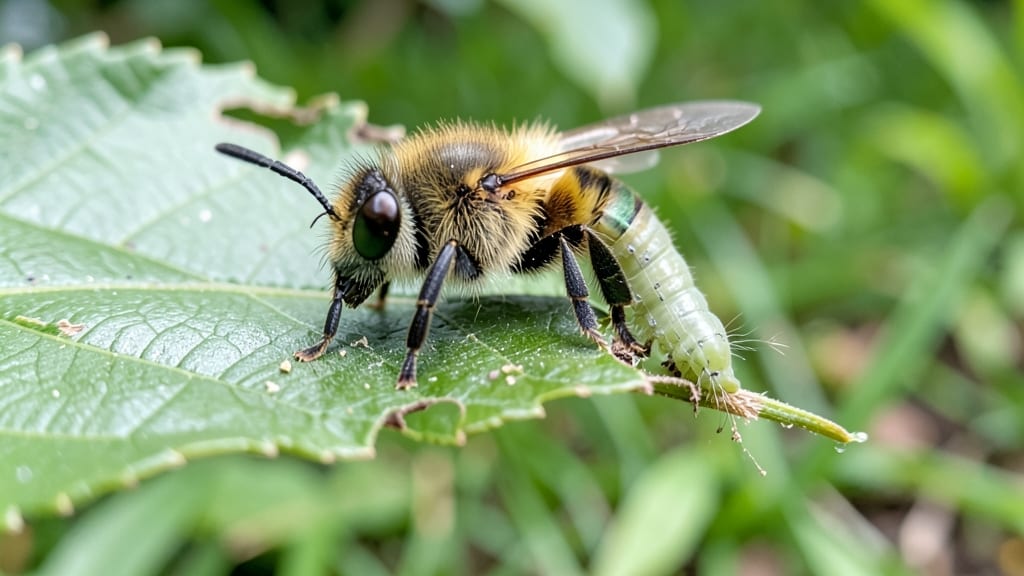
Those crispy, jagged leaf edges are a sure sign of leaf-cutting insects at work—🌿 and the good news is you can reverse the damage in just 48 hours without harsh chemicals. I’ve battled everything from leafcutter bees to tomato hornworms, and these natural methods actually work faster than store-bought sprays.
The key is acting quickly before they move on to your prize plants.
Most gardeners panic when they see chewed edges, but the damage is rarely fatal—it’s just a sign of hungry insects collecting material for nests or meals. Look for tiny notches along leaf margins, silky cocoons, or frass (chewed-up leaf bits) as clues.
The sooner you spot these signs, the easier it is to stop the spread before your entire plant looks like Swiss cheese.
Within two days, you’ll see fresh, unblemished growth if you use the right mix of neem oil, diatomaceous earth, and predator-friendly plants like marigolds or dill. These solutions don’t just mask the problem—they rebuild your plant’s defenses.
The best part? Your garden stays safe for pollinators and beneficial insects that actually help your plants thrive.
This works for everything from container herbs to full-size vegetable beds, and the methods scale whether you’re dealing with a single leaf or a full-blown infestation. Let’s get those leaves looking crisp again—naturally.
Root Causes Of Leaf Damage
When your prized plants start showing ragged, skeletonized leaves or sudden dieback, leaf-cutting insects are often the culprits. But why do they target your plants in the first place?
Understanding the motivations behind their behavior is key to stopping them before they strip your garden bare. Here’s a breakdown of the science—and the survival strategies—behind their attacks.
Leaf-cutting insects—like Atta (leafcutter ants) and Acromyrmex species—don’t eat leaves directly. Instead, they harvest them to cultivate fungus in underground nests. The leaves are chopped into tiny pieces and used as a nutrient-rich substrate for their fungal gardens, which serve as their primary food source.
- Why leaves? Fresh plant material is packed with nitrogen, cellulose, and sugars, which the fungus breaks down into digestible nutrients for the colony.
- Targeting young, tender leaves is a smart strategy—these are higher in moisture and nutrients than mature foliage, making them the perfect "fast food" for fungal growth.
- Actionable insight: If you notice ants carrying leaf pieces in single-file (a classic telltale sign), they’re likely farming fungus. Disrupting their trails or removing their nest can break their supply chain.
Leaf-cutting ants operate like highly organized agricultural societies, with worker castes dedicated solely to foraging. Their behavior isn’t random—it’s programmed for efficiency and colony growth. Here’s how:
| Behavior | Why It Happens | How to Counter |
|---|---|---|
| Mass recruitment | When a scout ant finds a high-value food source (like your prized hibiscus), she releases pheromones to rally thousands of workers in minutes. | Use boric acid baits or diatomaceous earth near entry points to disrupt pheromone trails. |
| Nighttime raids | Ants avoid predators (like birds and lizards) by foraging after dark, when temperatures drop and activity slows. | Set up UV or LED lights near infested areas—ants are drawn to light and can be trapped or shocked away. |
| Chemical defenses | Some species spray formic acid to kill competing insects or deter predators, making them harder to remove. | Wear gloves and a mask when handling nests, and use soapy water sprays to neutralize their defenses. |
Leaf-cutting insects are opportunistic—they strike when conditions are ideal for their survival. These factors can turn your garden into an all-you-can-eat buffet:
- Warm, humid climates: Ants thrive in temperatures above 75°F (24°C) with high moisture—perfect for fungal growth. Drought-stressed plants (which exude more sugars) are even more attractive.
- Lack of natural predators: Birds, armadillos, and certain beetles prey on ant colonies. If these predators are absent (e.g., in urban or greenhouse settings), ant populations explode unchecked.
- Human activity: Disturbing soil (e.g., gardening, construction, or watering disruptions) can accidentally expose or relocate nests, forcing ants to seek new food sources—like your backyard.
Pro tip: 🌡️ Monitor humidity levels near your plants—keeping soil slightly dry (but not parched) can deter ants. Mulch with cedar chips, which naturally repels them due to its aromatic oils.
Leaf-cutting ants rely on chemical signals to locate food. Plants under stress or damage release volatile organic compounds (VOCs), which act like a dinner bell to foraging ants. For example:
- Damaged leaves emit green leaf volatiles (GLVs)
- Root-stressed plants release terpenes (like those in citrus or mint)
- Fungal-infected foliage gives off ethanol and acetic acid—a scent ants love)
Actionable fix: 💡 Prune plants regularly to remove yellowing or dying leaves (which emit stronger attractants). If you’ve had past infestations, avoid over-fertilizing with nitrogen, as it makes plants even more appealing to ants.
Quick Fixes for Ragged Leaf Damage
When your prized plants start looking like they’ve been attacked by tiny, crafty artists, don’t panic—there’s a way to restore their crisp edges fast!
Leaf-cutting insects (like sawflies or caterpillars) can leave your plants looking like confetti, but with the right approach, you can reverse the damage and prevent future attacks. Below are practical, non-toxic solutions tailored to the root causes of the problem, plus tips to keep your plants lush and intact.
If you’ve spotted the pests (or their telltale chewed edges), act fast to stop the damage in its tracks.
- 🔍 Inspect & Identify Shake plants over a white sheet or bucket to spot the insects. Look for:
- Tiny, green larvae (caterpillars or sawfly larvae)
- Frass (tiny black droppings) on leaves
- Silk webbing or egg masses on the undersides of leaves
- 🚫 Handpick or Brush Off For small infestations, glove up and pluck the larvae off leaves with a damp cloth or your fingers.
Drop them into soapy water to kill them instantly. - Pro Tip: Do this in the early morning when pests are sluggish and easier to catch. 🌞
- 💦 Blast Them Away Use a strong stream of water from a hose to dislodge larvae from leaves. Repeat every 2–3 days until no more pests are visible.
Prevent future attacks by making your plants less appealing to leaf-cutters.
- 🍯 Homemade Sprays (Safe & Effective) Mix 1 tsp of neem oil + 1 tsp of dish soap + 1 quart of water in a spray bottle.
Shake well and spray both sides of leaves at dusk (to avoid harming beneficial insects). - Why it works: Neem oil disrupts their life cycle, while soap smothers them. - Reapply every 5–7 days or after rain.
- 🕷️ Encourage Predators Ladybugs, lacewings, and parasitic wasps love eating leaf-cutting larvae. Attract them with:
- Dill, fennel, or marigolds planted nearby (they draw beneficial insects).
- Avoid broad-spectrum pesticides—they kill the good guys too!
- 🧵 Physical Barriers for Young Plants If seedlings are a target, cover them with fine mesh netting (like tulle) secured with clips. This blocks adults from laying eggs while allowing light and air through.
Healthy plants fight back better. Give your greens the strength to recover faster.
- 💧 Water Deeply & Consistently Leaf-cutters love stressed plants. Keep soil moist but not soggy to encourage strong growth.
- Sign of stress? Wilting, yellowing, or stunted growth? Adjust watering and fertilizing.
- 🍃 Fertilize Smartly Use a balanced, organic fertilizer (like compost tea or fish emulsion) to boost leaf toughness. Avoid high-nitrogen fertilizers—they make plants soft and tasty to pests.
- 🌿 Prune Damaged Leaves Severely chewed leaves won’t recover. Snip them off with clean scissors to redirect the plant’s energy to new growth.
- Bonus: Dispose of pruned leaves in a sealed bag (not compost)—larvae might still be hiding!
Stop the cycle before it starts with these low-effort habits:
| When | Action | Why It Works |
|---|---|---|
| Spring | Apply kaolin clay spray (like Surround WP) | Creates a bitter taste pests avoid. |
| Summer | Mulch heavily around plants | Discourages egg-laying on soil surfaces. |
| Fall | Clean up debris (fallen leaves, clippings) | Removes overwintering eggs. |
| Year-Round | Rotate crops (if gardening) | Prevents pest buildup in one area. |
- 💡 Pro Tip: Companion planting works wonders! Pair susceptible plants (like roses or viburnum) with garlic, thyme, or wormwood—their strong scents repel leaf-cutters naturally.
With consistent care, most plants regrow crisp edges in 48–72 hours. Focus on:
- Day 1–2: Remove pests + spray neem solution.
- Day 3–5: Monitor for new activity; reapply sprays if needed.
- Week 2: Prune dead leaves and fertilize for a fresh start.
🌟 Result: Your plants will bounce back with stronger, pest-resistant foliage—and you’ll enjoy the satisfaction of a chemical-free victory!
Frequently asked questions
What are the most common types of leaf-cutting insects?
The most troublesome offenders include leafcutter ants (like Atta species), sawfly larvae, tomato hornworms, and leaf beetles. Ants carry leaf pieces in single-file to their nests, while caterpillars and sawflies chew irregular notches along leaf edges. Identifying which type you’re dealing with helps determine the best treatment.
How can I tell if my plants are being attacked by leaf-cutters?
Look for jagged, notched edges on leaves (not clean cuts), frass (tiny black droppings), or silk webbing on undersides. For ants, watch for single-file processions carrying leaf pieces. Shake plants over white paper at dawn to spot larvae or eggs.
Will neem oil work on leaf-cutting ants?
Neem oil is less effective against ants than caterpillars because ants avoid treated surfaces. For ants, use boric acid baits or diatomaceous earth instead. Spray neem oil on plants to deter other leaf-cutters while treating ant trails separately.
Can I save severely damaged plants?
Yes! Prune away more than 50% chewed leaves to redirect energy to new growth. Apply compost tea and keep soil consistently moist. Most plants recover in 2-3 weeks if the roots are healthy. For container plants, repotting may help if roots show signs of stress.
Are there any plants that naturally repel leaf-cutters?
Plant marigolds, dill, basil, or thyme nearby—their strong scents mask plant stress signals that attract pests. For ant control, try cedar mulch or citrus peels around plant bases, as ants avoid these natural repellents.