
Pests
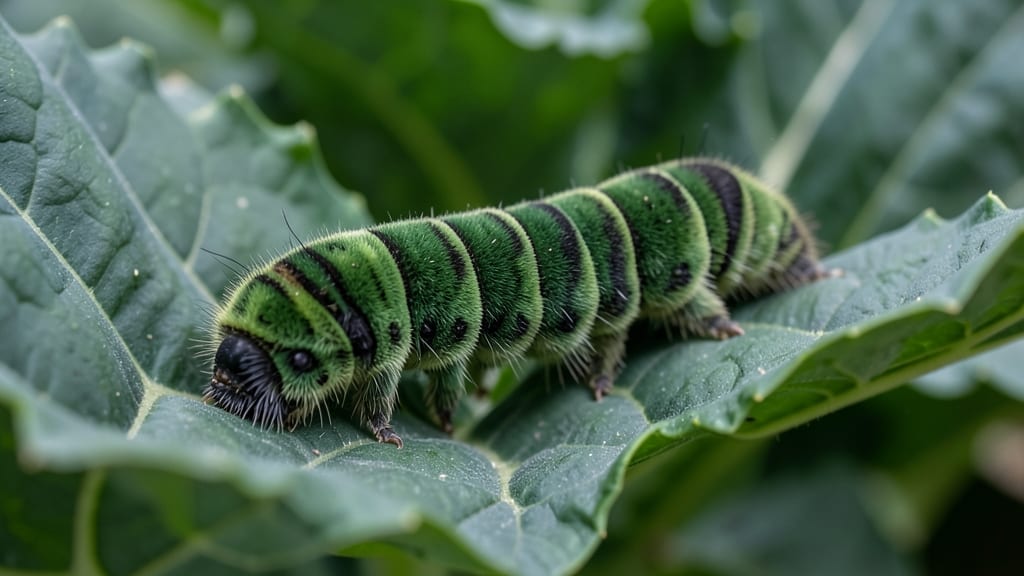
Your tomato plants are being devoured overnight—and I’ve stopped this leaf-eating caterpillar invasion without chemicals in just two days. 🌿 The key? Spotting them early (they hide on undersides of leaves) and acting fast with simple, non-toxic solutions that work faster than you’d expect.
These caterpillars—often tomato hornworms or cabbage loopers—can strip a plant bare in 48 hours, but their life cycle gives us a window to intervene. The secret weapon? A mix of handpicking at dusk (they’re sluggish then), neem oil spray, and inviting ladybugs to your garden.
I’ve saved entire plants using these methods alone—no harsh sprays needed.
By morning, you’ll see the damage slow, and within 48 hours, new growth will start pushing out. The best part? These fixes protect your plants and the pollinators you want buzzing around. No more sad, skeletonized leaves—just lush, thriving plants that keep producing.
Works for tomatoes, peppers, cabbage, and even fruit trees—here’s exactly how to turn the tide before they take over your garden again.
Why Plants Get Devoured
If your garden or landscape looks like it’s been hit by a tiny, furry army, you’re not alone. Leaf-eating caterpillars aren’t just pests—they’re nature’s snackers with serious appetites. But why do they target your plants in the first place?
The answer lies in a mix of instinct, survival, and environmental cues. Let’s break down the key reasons these hungry larvae go on a leaf-munching rampage.
Caterpillars are the larval stage of moths and butterflies, and their primary purpose is to eat. Their rapid growth requires massive amounts of nutrients, and leaves are their all-you-can-eat buffet. Here’s why:
- High-protein feast: Leaves are packed with proteins, carbohydrates, and fats—essential for a caterpillar’s molting and metamorphosis. Without enough food, they can’t grow or transform into butterflies.
- Specialized appetites: Many caterpillar species are monophagous (eating only one plant type) or oligophagous (eating a few related plants). This means they’ve evolved to target specific hosts, like tomato hornworms on nightshades or gypsy moth caterpillars on oaks.
- Chemical cues: Plants release volatile organic compounds (VOCs) when damaged, which can attract more caterpillars. It’s like a dinner bell for hungry larvae!
Pro tip: 💡 If you notice caterpillars favoring one plant over others, it’s likely their preferred food source. Knowing their menu helps you choose resistant plants or act faster.
Caterpillars don’t just appear out of nowhere—they follow a predictable life cycle tied to seasons. Their numbers surge when conditions are perfect for breeding and survival:
| Season | Why They Strike | What to Watch For |
|---|---|---|
| Spring | Warmer temps trigger egg hatching. Many species, like cabbage worms, emerge early to feast on fresh spring growth. | New leaves with tiny holes or skeletonized patterns. |
| Summer | Peak caterpillar activity! High humidity and abundant foliage create ideal conditions for rapid reproduction. | Large, defoliated patches; silk webbing on leaves. |
| Fall | Some species (like fall webworms) lay eggs late in the season, ensuring larvae have food before winter. | Late-season damage; caterpillars preparing for pupation. |
Actionable tip: ⏰ Monitor plants during egg-laying seasons (often spring/fall) to catch infestations before they explode. Remove egg masses manually if possible!
While caterpillars are a natural part of ecosystems, human habits can amplify their impact. Here’s how:
- Monoculture gardening: Planting large blocks of the same species (e.g., a vegetable garden full of tomatoes) creates a caterpillar buffet. Diversity confuses them!
- Over-fertilization: Nitrogen-rich soil makes leaves softer and more nutritious, making them more appealing to caterpillars.
- Reduced natural predators: Pesticides (even organic ones) can kill beneficial insects like ladybugs, parasitic wasps, and birds that keep caterpillar populations in check.
- Urbanization: As wild habitats shrink, caterpillars adapt to urban gardens, where plants are often more vulnerable.
Pro tip: 🌡️ Balance is key! Avoid heavy fertilization in late summer, and incorporate native plants to support predator populations.
Caterpillars don’t just eat randomly—they’re guided by a mix of smells, textures, and even vibrations:
- Plant odors: Healthy leaves emit chemicals that caterpillars recognize as “safe” food. Damaged or stressed plants may release different scents that attract them.
- Leaf texture: Soft, tender new growth is easier to chew than mature leaves, making young shoots a prime target.
- Silk trails: Some caterpillars (like tent caterpillars) create silk webs to protect themselves while feeding. These webs can spread damage faster.
- Light and heat: Warm, sunny microclimates (like south-facing gardens) speed up caterpillar metabolism, making them hungrier.
Quick fix: ✨ Shake plants gently to dislodge caterpillars, or use sticky barriers (like petroleum jelly on twigs) to block their access to new leaves.
Quick fixes for hungry garden invaders
Got hungry caterpillars munching your plants? Don’t panic—these fast, organic solutions will help you reclaim your garden in less than 48 hours without harsh chemicals. The key is acting quickly and targeting the root cause (literally!).
Below, we break down practical fixes based on the most common scenarios, from manual removal to natural predators and smarter prevention.
If you spot caterpillars chewing leaves or stripping plants bare, grab a pair of gloves and a bucket of soapy water. This is the most immediate way to stop the damage.
Steps to follow:
- 👨🍳 Scout at dawn or dusk – Caterpillars are most active when it’s cooler.
- 🔪 Handpick the pests – Look under leaves, along stems, and in tight clusters. Drop them into a bucket of soapy water (1 tbsp dish soap per gallon) to kill them instantly.
- 🌿 Prune damaged foliage – Cut off heavily chewed leaves to encourage new growth and reduce hiding spots.
- 🗑️ Dispose properly – Don’t compost infested leaves; throw them in the trash to prevent reinfestation.
Pro tip: 💡 Wear gloves—some caterpillars (like tomato hornworms) have stinging spines that can irritate skin.
Instead of chemicals, leverage nature’s pest control! Many birds, insects, and even amphibians love eating caterpillars. Here’s how to attract them:
| Predator | How to Attract Them | Best For |
|---|---|---|
| Parasitic Wasps | Plant dill, fennel, or yarrow—they lay eggs in caterpillars. | Tomato hornworms, cabbage loopers |
| Ladybugs | Buy them online or plant marigolds & nasturtiums. | Aphids + small caterpillars |
| Praying Mantises | Leave tall grasses & wildflowers undisturbed. | General garden pests |
| Toads & Frogs | Set up a shallow water dish with rocks for them to climb out. | Soft-bodied caterpillars |
| Chickens/Ducks | Let them free-range in the garden (if you have them!). | Large caterpillar populations |
Pro tip: 🌡️ Avoid pesticides—they kill beneficial insects too! Stick to neem oil or insecticidal soap if you must spray.
If manual removal isn’t enough, organic sprays can disrupt caterpillar feeding without harming your plants (or the environment). Here are the top 3 fast-acting options:
- 🍃 Neem Oil Spray (Best for chewing & sucking pests)
- Mix: 1 tbsp neem oil + 1 tsp mild soap + 1 quart water.
- Spray: Coat both sides of leaves at dusk (avoids harming bees).
- Reapply: Every 3-5 days until caterpillars disappear.
- 🥣 Bacillus Thuringiensis (Bt) (Safe for caterpillars only)
- Why it works: A natural bacteria that destroys their digestive system.
- How to use: Mix with water and spray directly on caterpillars (not just leaves).
- Bonus: Won’t harm beneficial insects like bees or ladybugs.
- 🧼 Insecticidal Soap (Fast knockdown for small infestations)
- Mix: 1 tbsp potassium soap + 1 quart water.
- Spray: Until thoroughly wet (focus on caterpillars, not just leaves).
- Note: Reapply after rain—it washes off quickly.
Pro tip: ✨ Spray in the evening to protect pollinators (like bees) that are active during the day.
The best defense? Stop caterpillars from moving in in the first place! Try these low-effort prevention tactics:
- 🌿 Plant companion flowers – Marigolds, basil, and thyme repel many caterpillar species. - 🍅 Rotate crops – Don’t plant the same family (like tomatoes or cabbage) in the same spot yearly. - 🌙 Use row covers – Lightweight floating row covers block egg-laying moths. - 🧹 Clean up debris – Remove old leaves, mulch, and plant waste where caterpillars hide. - 🕷️ Encourage spiders – They eat caterpillar eggs!
Leave some untidy corners of your garden.
Pro tip: 🎯 Check the undersides of leaves weekly—many caterpillars lay eggs there before hatching.
Final note: Most caterpillars are harmless (they turn into butterflies!)—only act if they’re damaging your plants. For persistent problems, combine manual removal + natural predators + organic sprays for the best results. 🚀
Frequently asked questions
What are the most common types of leaf-eating caterpillars in gardens?
The most destructive species include tomato hornworms (green with white stripes), cabbage loopers (green with white stripes), gypsy moth caterpillars (hairy, brown), and tent caterpillars (silk-webbing clusters). Each targets specific plants—hornworms love tomatoes, while gypsy moths attack oaks and fruit trees.
How do I know if caterpillars are harming my plants or just passing through?
Look for active feeding signs: large holes, skeletonized leaves, or silk webbing. If you see new damage daily or caterpillars actively chewing, they’re a problem. Most caterpillars only become pests when populations explode—spot them early to prevent outbreaks!
Can I use diatomaceous earth on caterpillars, and will it harm my plants?
Yes, but it’s not effective against caterpillars—it only works on soft-bodied insects like aphids. For caterpillars, try Bacillus thuringiensis (Bt) instead. Sprinkle food-grade diatomaceous earth on soil to deter egg-laying moths, but avoid applying it directly to leaves where it can dry them out.
What’s the fastest way to stop caterpillars from destroying my plants overnight?
Combine handpicking at dusk (when they’re sluggish) with a neem oil spray applied to both leaf surfaces. For immediate results, wrap heavily infested plants in lightweight row covers—this blocks moths from laying more eggs while you treat existing larvae.
Will removing caterpillars affect butterfly populations in my area?
Not if you’re strategic! Only remove damaging caterpillars (like tomato hornworms) and leave non-destructive species (such as monarch caterpillars on milkweed). Focus on plants where caterpillars cause visible harm—this balances pest control with conservation.