
Pests
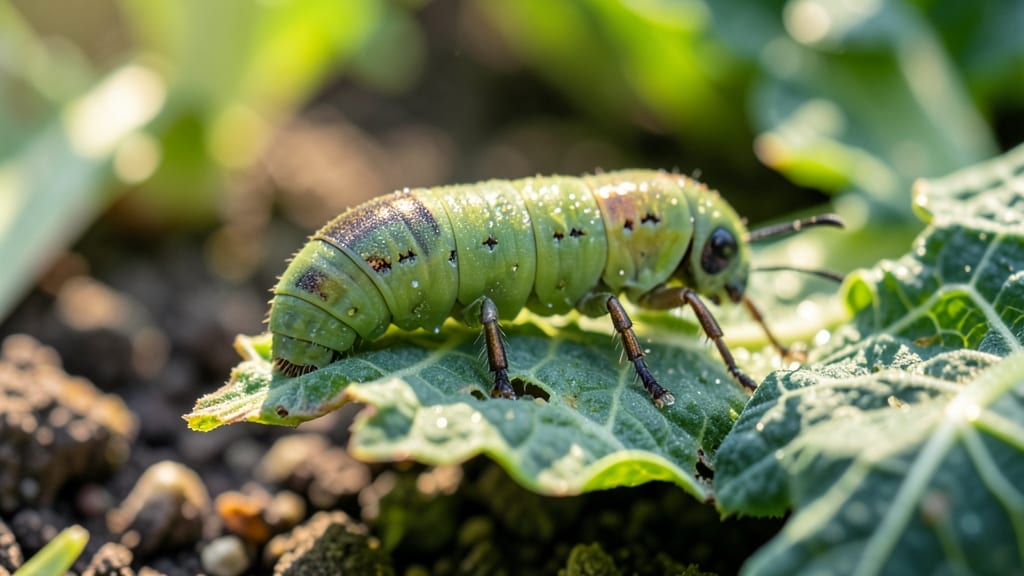
Your prized roses or veggies getting skeletonized by leaf-eating insects is the gardener's worst nightmare. 🌿 These hungry pests don't just nibble—they devour entire plants in days, leaving you staring at bare stems where lush foliage once stood.
The key to saving your garden lies in identifying the culprit early and acting fast, before the damage becomes irreversible.
Most leaf-eating insects—like voracious caterpillars, ravenous beetles, or slimy slugs—leave behind unmistakable clues. Caterpillars chew irregular holes, beetles create neat notches, and slugs leave behind silvery trails and ragged edges.
The sooner you spot these signs, the easier it is to stop the spread with targeted solutions that actually work, from natural predators to organic sprays.
You’ll learn how to transform your garden from a buffet into a fortress, using simple but effective strategies that protect plants without harsh chemicals. Within a week, you’ll see fewer holes in leaves, more robust growth, and a garden that thrives instead of struggles.
The best part? These methods work for vegetables, flowers, and shrubs alike.
Whether you're dealing with a sudden outbreak or just want to prevent future attacks, this guide gives you the tools to act fast. No more helplessly watching your plants disappear—just practical steps to reclaim your garden. Let’s get started!
The Hidden Triggers Behind Plant Devastation
When your garden’s lush foliage starts looking like Swiss cheese, leaf-eating insects are often the culprits—but why do they target your plants in the first place? Understanding their motivations can help you outsmart them before they cause serious damage.
Here’s a breakdown of the key reasons these tiny troublemakers go after your greenery.
Most leaf-munching insects, like caterpillars, beetles, and aphids, are herbivores by nature. Their survival depends on consuming plant material, which provides essential nutrients like:
- Carbohydrates – Found in leaf sugars, these fuel their energy needs.
- Proteins – Young, tender leaves and stems offer high protein content, crucial for growth and reproduction.
- Water – Sap-sucking pests (e.g., aphids) rely on plant juices to stay hydrated.
Actionable insight: If your plants are fast-growing or nutrient-rich (like young seedlings or newly fertilized foliage), they’re more likely to attract these pests. Hardier, mature plants with tougher leaves (e.g., rosemary, lavender) are often less appealing.
Leaf-eating insects thrive under specific conditions, and their activity spikes when:
- Warm temperatures – Most pests are cold-blooded and become more active in 60–85°F (15–30°C) ranges.
- High humidity – Moist environments help eggs hatch faster and keep adults hydrated.
- Drought stress – Stressed plants emit different chemical signals that can attract pests looking for easy meals.
💡 Pro Tip: Monitor your garden’s microclimates—shady, damp areas may become pest hotspots. Use mulch to regulate soil moisture and reduce stress on plants.
When plants are injured—whether by mechanical damage, disease, or even other pests—they release volatile organic compounds (VOCs). These chemicals act like a distress signal, luring more insects to the feast.
- Example: Aphids feeding on a rose bush trigger the plant to release green leaf volatiles (GLVs), which attract parasitic wasps—but also more aphids if the initial infestation isn’t controlled.
- Secondary invaders: After caterpillars skeletonize leaves, fungi or bacteria may set in, creating a perfect storm for further pest attraction.
🔥 Prevention Tip: Remove damaged leaves immediately and isolate affected plants to break the chemical chain reaction.
Sometimes, we accidentally invite the party. Common gardening habits that boost pest populations include:
| Practice | How It Attracts Pests |
|---|---|
| Over-fertilizing with nitrogen | Leads to soft, tender growth that’s easier to chew. |
| Using synthetic pesticides | Kills natural predators (like ladybugs), leaving pests unchecked. |
| Planting monocultures | Pests find it easier to locate and spread in large patches of the same plant. |
| Ignoring weeds | Weeds often host pest eggs or alternate hosts (e.g., milkweed for monarch caterpillars). |
✨ Smart Gardening Fix: Rotate crops, interplant flowers with herbs (e.g., basil with tomatoes), and use companion planting to disrupt pest life cycles.
By recognizing these triggers, you can disrupt the cycle before leaf-eating insects throw a full-blown party in your garden. Stay tuned for early detection signs and organic control methods to keep your plants safe!
Quick Fixes for Chewed-Up Plants
Now that you understand why leaf-eating pests target your garden, it’s time to take action! The key is to act fast—before the damage spreads. Below, we’ve mapped out practical solutions based on the most common causes of leaf destruction, from overcrowded gardens to weak plants.
Each fix is designed to be easy to implement, whether you’re a seasoned gardener or just starting out.
When plants are too close together or struggling, they become easy prey. Pests like caterpillars and beetles zero in on stressed foliage because it’s easier to consume.
How to Fix It:
- 🔥 Prune for Better Airflow – Trim back dense branches or overgrown plants to improve circulation. This reduces humidity near leaves, making them less appealing to pests.
- 🍳 Space Plants Properly – Follow planting guidelines for spacing (check seed packets or plant tags). Aim for at least 12–18 inches between most plants to discourage infestations.
- 👨🍳 Strengthen Plants with Fertilizer – Use a balanced, slow-release fertilizer (like 10-10-10) to boost plant health. Healthy plants naturally repel pests better.
Prevention Tip: 💡 Rotate crops annually to prevent soil-borne pests and diseases from building up in one spot.
Plants lacking essential nutrients (like nitrogen or potassium) produce tender, tasty leaves that attract hungry insects.
How to Fix It:
- 🥗 Test Your Soil – Use a simple soil test kit (available at garden centers) to check pH and nutrient levels. Adjust with compost or organic amendments if needed.
- 🍎 Feed with Compost Tea – Brew a batch of compost tea (steep compost in water for 24–48 hours, then strain) and spray it on leaves for a nutrient boost.
- 🌡️ Avoid Overwatering – soggy soil invites fungal issues and weakens roots. Water deeply but infrequently, ensuring the top 1–2 inches of soil dry out between waterings.
Prevention Tip: ✨ Mulch around plants with straw or wood chips to retain moisture and nutrients while deterring pests from crawling up stems.
When ladybugs, birds, and other beneficial insects aren’t around, leaf-eating pests thrive unchecked.
How to Fix It:
- 🔪 Introduce Beneficial Insects – Purchase or attract predators like ladybugs, lacewings, or praying mantises. Release them in the evening when they’re most active.
- 🎯 Plant Companion Flowers – Add nectar-rich flowers (e.g., marigolds, dill, or cosmos) to your garden to lure natural pest controllers.
- 🐦 Install Birdhouses & Feeders – Birds like chickadees and sparrows love snacking on caterpillars and beetles. A simple feeder or birdhouse can make your garden a pest-free zone.
Prevention Tip: 🌿 Avoid pesticides that kill beneficial insects—opt for targeted sprays (like neem oil) instead.
Catching pests early (like tiny holes or chewed edges) prevents full-blown infestations.
How to Fix It:
- ⏰ Inspect Plants Weekly – Spend 10 minutes every week checking leaves, stems, and soil for signs of damage or pests. Early action saves your plants!
- 🔍 Handpick Visible Pests – For larger insects (like slugs or beetles), pick them off by hand and drop them in soapy water.
- 🛡️ Use Physical Barriers – Cover young or vulnerable plants with row covers or fine mesh netting to block pests before they arrive.
Prevention Tip: 💡 Start with resistant plant varieties—some plants (like basil or nasturtiums) naturally deter common leaf-eaters.
Final Note: The best defense is a mix of prevention (healthy plants, spacing, and companions) and quick action (handpicking, barriers, and predators). With these strategies, your garden can stay lush—and pest-free! 🌿🚫🐜
Frequently asked questions
What are the most common types of leaf-eating insects?
The most destructive leaf-munchers include caterpillars (like tomato hornworms), beetles (Japanese beetles, flea beetles), slugs, grasshoppers, and leafhoppers. Each leaves distinct damage patterns—caterpillars create irregular holes, beetles make neat notches, while slugs leave behind silvery trails and ragged edges.
How do I tell if my plants are being eaten by insects vs. animals?
Insect damage typically shows small, precise holes or chewed edges, while larger animals (like rabbits or deer) create larger tears or completely stripped branches. Look for frass (insect droppings) on leaves or slime trails (slugs/snails) to confirm.
Are there any plants that naturally repel leaf-eating insects?
Yes! Basil, marigolds, nasturtiums, and lavender are excellent natural deterrents. Basil confuses pests with its strong scent, while marigolds release compounds that repel beetles and aphids. Plant these near vulnerable crops like tomatoes or lettuce for extra protection.
How long does it take for organic treatments to work?
Most organic solutions like neem oil or soapy water sprays show results within 24-48 hours, but severe infestations may take 1-2 weeks to fully resolve. For best results, apply treatments in the evening when pests are most active and reapply after rain.
Can I use coffee grounds to stop leaf-eating insects?
Yes! Sprinkle used coffee grounds around plants as a natural deterrent—the strong smell repels slugs, snails, and some beetles. For extra protection, mix with crushed eggshells to create a physical barrier. Just avoid overapplying, as too much can alter soil acidity.