
Pests
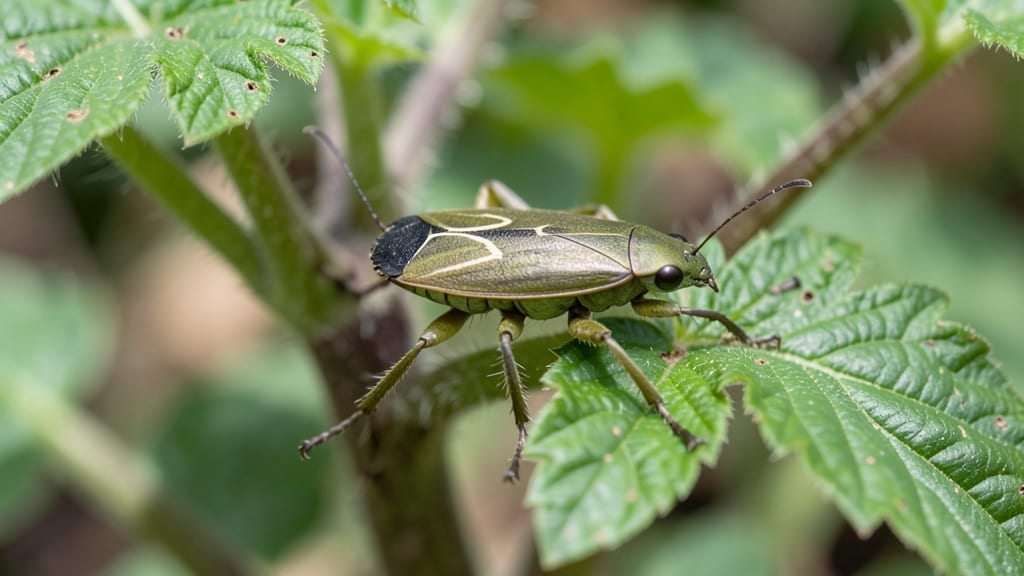
Leaf-footed bugs on tomato plants turn your harvest into a battleground. 🌱 I’ve watched these sneaky pests chew through leaves and scar fruit in just days—until I learned these organic tricks that actually work. The key? Spotting them early, acting fast, and using nature’s tools instead of harsh chemicals.
These bugs hide under leaves during the day, making them easy to miss until you see the damage: jagged leaf edges and tiny white scars on tomatoes. They thrive in warm climates but can strike anywhere tomatoes grow.
The good news? A mix of neem oil sprays, row covers, and handpicking (yes, really) keeps them in check without harming your plants.
By the time your tomatoes are ripening, you’ll see fewer chewed leaves and smoother fruit. The secret is consistency—check plants weekly, especially after rain, and disrupt their hiding spots with mulch or reflective barriers. It’s not instant, but it works.
Works for backyard gardens, containers, or raised beds—just adapt the timing to your local pest season. Here’s how to make them disappear for good.
Natural Attractions for Leaf-Footed Bugs
Leaf-footed bugs—those sneaky, shield-shaped pests with their distinctive red or orange "feet"—don’t just appear out of nowhere on your tomato plants. Their presence is usually a sign that your garden is offering them exactly what they crave: food, shelter, and easy access.
Understanding these triggers is the first step to outsmarting them. Let’s break down the key reasons why these bugs target your tomatoes—and how you can disrupt their plans.
Leaf-footed bugs are polyphagous, meaning they’ll dine on a wide range of plants, but tomatoes are a top choice. Why? Because ripe tomatoes are packed with sugars, water, and nutrients that these bugs love. Their piercing-sucking mouthparts let them tap into the plant’s sap and juices, causing:
- Stunted growth: Bugs inject enzymes that disrupt plant hormones, leading to deformed or smaller fruits.
- Scarring and discoloration: Their feeding leaves behind white or yellowish marks on tomatoes, making them unmarketable.
- Early ripening or dropping: Stress from their attacks forces tomatoes to ripen prematurely or fall off the vine.
Pro tip: 💡 If you notice bugs clustering near green tomatoes, they’re likely drawn to the high sugar content as the fruit matures. Harvesting early or using row covers can deter them before they get started.
Leaf-footed bugs thrive in messy, dense vegetation because it provides:
- Hiding spots: Tall weeds, leaf litter, and unpruned plants offer shelter from predators (like birds or lacewings) and harsh weather.
- Alternative food sources: Bugs may munch on nearby plants like peppers, beans, or even weeds before zeroing in on tomatoes.
- Moisture retention: Overly damp soil or mulch creates ideal breeding grounds for their eggs and nymphs.
Actionable fix: 🔥 Regularly prune tomato plants to improve airflow, remove weeds within a 3-foot radius, and clear debris from the base of the plant. This makes your garden less inviting—and easier to monitor for early signs of infestation.
These bugs are most active during hot, dry spells, especially in late summer when tomatoes are ripening. Here’s why:
- Faster reproduction: Heat speeds up their life cycle, allowing females to lay hundreds of eggs in clusters on leaves or stems.
- Stressed plants: Drought conditions weaken tomato plants, making them more susceptible to sap-sucking damage.
- Less natural predation: Many beneficial insects (like ladybugs) become less active in extreme heat, giving leaf-footed bugs free rein.
Climate hack: 🌡️ If your area is prone to heatwaves, mulch around tomato plants with straw or grass clippings to retain moisture. Drip irrigation (rather than overhead watering) also keeps foliage dry, reducing bug activity.
In a balanced ecosystem, leaf-footed bugs have plenty of enemies—birds, parasitic wasps, spiders, and ground beetles all help keep their numbers in check. But if your garden lacks:
- Diverse plantings: Monoculture (e.g., rows of only tomatoes) offers no habitat for predators.
- Water sources: Birds and insects need shallow dishes of water to thrive alongside your crops.
- Safe hiding spots: Over-tidiness (like removing all "weeds") eliminates shelter for beneficial bugs.
Ecosystem boost: ✨ Plant companion flowers like marigolds, alyssum, or dill near tomatoes to attract predatory insects. Avoid pesticides (even organic ones) that might harm these helpers!
By addressing these root causes—food availability, shelter, weather, and predator balance—you’ll make your tomato plants far less appealing to leaf-footed bugs. The next step? Organic removal strategies to kick them off your plants for good!
Quick Fixes for Tomato Pests
Leaf-footed bugs may seem like a tiny but mighty foe, but with the right strategies, you can reclaim your tomato plants without resorting to harsh chemicals. Below, we’ve mapped out targeted solutions based on the root causes of infestations—from early detection to long-term prevention.
These methods are practical, eco-friendly, and designed to protect both your plants and the local ecosystem.
Catching leaf-footed bugs early is your first line of defense. These pests are sneaky but visible—especially when they’re feeding. Here’s how to spot and remove them before they multiply:
- 👀 Inspect leaves and stems daily: Look for small, brownish bugs (about ½ inch long) with distinctive "leaf-like" hind feet. Check the undersides of leaves, flower clusters, and fruit.
- 🧤 Handpick adults and nymphs: Use a pair of tweezers or gloves to pluck bugs off plants and drop them into soapy water. This works best in the early morning when they’re sluggish.
- 🌿 Shake plants over a bucket: Gently shake tomato plants over a bucket of soapy water to dislodge bugs. Repeat every few days during outbreaks.
Pro tip: 💡 Timing matters! Perform manual removal in the cool hours of the day (early morning or late evening) to avoid stressing the plants.
If the infestation is spreading, organic sprays can disrupt their feeding habits and deter future visitors. These recipes are simple, non-toxic, and effective:
🌿 Neem Oil Spray (Best for All Stages)
Neem oil disrupts the bugs’ life cycle and repels them with its bitter taste. Mix:
- 1 tbsp neem oil
- 1 tsp mild liquid soap (as an emulsifier)
- 1 quart water
Spray thoroughly on both the tops and undersides of leaves, focusing on new growth and fruit. Reapply every 5–7 days or after rain.
🔥 Hot Pepper Spray (Quick Knockdown)
Capsaicin in hot peppers acts as a natural irritant. Blend:
- 1–2 habanero or jalapeño peppers (seeds removed)
- 1 quart water
- 1 tsp dish soap
Strain, spray on bugs and plants, and reapply every 3–4 days. Avoid spraying on hot days (it can scorch leaves).
🌡️ Garlic & Chili Spray (Double-Threat Repellent)
Garlic’s sulfur compounds and chili’s heat create a potent bug-repelling cocktail. Mix:
- 4 cloves garlic (minced)
- 1 tbsp cayenne pepper
- 1 quart water
- 1 tsp soap
Let it steep overnight, strain, and spray on plants. Use in the evening to avoid leaf burn.
Pro tip: ✨ Rotate sprays! Bugs can build resistance, so alternate between neem, pepper, and garlic sprays weekly for best results.Sometimes, keeping bugs out is easier than killing them. These low-effort tactics create an unwelcoming environment for leaf-footed bugs:
🛡️ Row Covers & Netting
Use fine mesh row covers (1mm or smaller) to shield young tomato plants. Secure edges with soil or stakes to prevent bugs from crawling underneath. Remove covers when flowers appear to allow pollination.
🕷️ Yellow Sticky Traps
Leaf-footed bugs are attracted to yellow. Place yellow sticky traps near tomato plants to catch adults before they lay eggs. Replace traps every 5–7 days.
🌱 Companion Planting
Interplant tomatoes with basil, marigolds, or onions. These plants mask tomato scents and repel bugs naturally. Bonus: They improve flavor and deter other pests too!
Break the cycle with these proactive steps to keep leaf-footed bugs from returning:
- 🌱 Clean up debris: Remove fallen leaves, fruit, and plant residue after harvest. Bugs hide in these spots to lay eggs.
- 🌿 Rotate crops: Avoid planting tomatoes (or nightshades like peppers/eggplants) in the same spot yearly. Bugs overwinter in soil.
- 💦 Water wisely: Leaf-footed bugs love dry conditions. Water plants at the base in the morning to keep foliage damp (they dislike humidity).
- 🌱 Encourage predators: Attract beneficial insects like assassin bugs, lacewings, and parasitic wasps by planting dill, fennel, or alyssum nearby.
- 🌱 Use reflective mulch: Lay aluminum foil or reflective mulch around plants to disorient bugs with erratic light reflections.
Pro tip: 🎯 Monitor soil health! Healthy plants are resilient. Amend soil with compost and use balanced organic fertilizers to boost tomato vigor—strong plants fend off pests better.
If your tomato plants are under severe attack (e.g., fruit is already damaged, or bugs are everywhere), consider these escalations:
- Beneficial nematodes: Apply Steinernema carpocapsae to soil to target larvae. Best used in early spring or fall.
- Kaolin clay: Spray on plants to create a protective film that bugs avoid. Reapply after rain.
- Professional pest control: For large-scale gardens, consult an organic-certified pest manager for targeted solutions.
With consistency and these organic tools, you’ll send leaf-footed bugs packing—and keep your tomatoes thriving! 🍅🌟
Frequently asked questions
What do leaf-footed bugs look like on tomato plants?
These pests are small (about ½ inch long) with a shield-shaped body and distinctive leaf-like hind feet that give them their name. Adults are brownish with red or orange markings, while nymphs (baby bugs) are lighter green. Check the undersides of leaves, flower clusters, and fruit stems where they hide during the day.
How can I tell if tomato damage is from leaf-footed bugs?
Look for jagged holes in leaves and tiny white or yellow scars on tomatoes—these are classic signs of their feeding. You might also see stunted growth or fruit that ripens prematurely. Unlike aphids, their damage is more scattered and less sticky (no honeydew residue).
Will handpicking leaf-footed bugs actually work?
Yes! Handpicking is one of the most effective methods, especially for small infestations. Use tweezers or wear gloves to pluck bugs off plants and drop them into soapy water. Focus on early morning when they're sluggish, and repeat every few days. This works best for adults and larger nymphs.
Can I use neem oil on ripe tomatoes?
Neem oil is safe for ripe tomatoes when used correctly. Always apply it in the evening to avoid sunburn on leaves, and rinse tomatoes thoroughly before eating if sprayed directly. The oil's bitter taste deters bugs without harming your harvest when used as directed (1 tbsp per quart of water).
What's the best time of year to prevent leaf-footed bugs?
Start prevention in early spring before planting by removing garden debris where bugs overwinter. During the growing season, focus on late summer when tomatoes ripen and bugs are most active. Use row covers for young plants and monitor weekly for early signs of infestation.