
Pests and Diseases
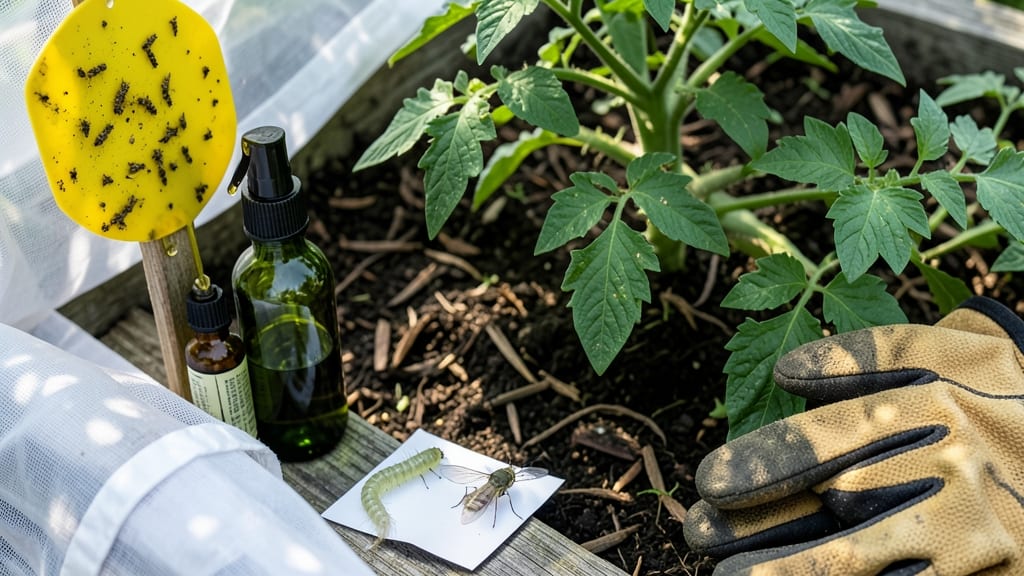
Leaf miner control starts with a single, unsettling sight: those squiggly trails of white or brown snaking through your leaves. 🌿 I’ve watched these pests turn vibrant foliage into skeletonized messes—until I learned the organic sprays and early-action tricks that saved my tomato plants and roses.
The key isn’t just reacting; it’s stopping the damage before it starts.
Most gardeners panic when they spot the first mines, but the real secret is prevention. Healthy plants resist infestations better, and a few simple habits—like removing damaged leaves immediately or introducing beneficial wasps—cut down on future outbreaks.
I’ve even used neem oil sprays as both a deterrent and a cure, with noticeable improvements within a week.
For tomatoes, I’ve had the best luck with insecticidal soap applied at dusk, while roses respond well to a homemade garlic spray. The goal isn’t perfection—it’s minimizing the damage so your plants keep thriving. Early intervention means you’ll see full, green leaves again in just a few weeks, not months.
Works for almost any plant, from citrus to herbs, and adapts to your garden’s size. The tools you need are already in your toolkit—let’s get those leaves looking spotless again.
Root Causes Of Leaf Miner Damage
Leaf miners aren’t just random pests—they thrive due to specific conditions that make your plants irresistible buffets. Understanding these triggers is the first step to stopping them before they strike. Here’s why these tiny, destructive insects target your foliage:
Leaf miners zero in on plants that are already struggling. When plants are stressed—whether from poor nutrition, drought, or overcrowding—their defenses weaken, making them prime targets. Here’s how it breaks down:
- Nutrient Deficiencies: Plants lacking nitrogen, phosphorus, or potassium struggle to produce strong, resilient leaves. Leaf miners detect these weaknesses and lay eggs on the soft, vulnerable tissue.
- Water Stress: Drought or overwatering disrupts a plant’s ability to heal quickly. Wilting or overly saturated leaves are easier for larvae to penetrate.
- Root Issues: Compromised root systems (from pests like grubs or fungal infections) reduce a plant’s ability to transport nutrients and water efficiently, leaving foliage more susceptible to mining.
💡 Pro Tip: Regularly fertilize with balanced organic nutrients (like compost tea or fish emulsion) and maintain consistent moisture levels to keep plants robust.
Leaf miners don’t appear out of nowhere—they follow a predictable life cycle that aligns with seasonal changes. Their damage peaks when:
- Adult Flies Emerge: In spring and early summer, adult leaf miner flies (often from the Agromyzidae family) seek out fresh, tender leaves to lay eggs. They prefer young, rapidly growing foliage because it’s softer and easier to penetrate.
- Egg Hatching: Eggs hatch within 3–7 days, and larvae burrow into leaves, creating the telltale serpentine tunnels. Warm temperatures (70–85°F) accelerate this process, leading to faster infestations.
- Pupation: Larvae eventually drop to the soil to pupate, emerging as adults 4–6 weeks later—ready to repeat the cycle.
⏰ Timing Matters: Monitoring your garden in late spring to early summer is critical, as this is when larvae are most active.
Not all plants are equally appealing to leaf miners. These pests have favorite hosts, often targeting:
| Common Host Plants | Why They’re Vulnerable |
|---|---|
| Tomatoes | Thin, hairless leaves are easy for larvae to enter. |
| Peppers | High moisture content makes them attractive. |
| Basil, Parsley, Dill | Herbaceous leaves are soft and nutrient-rich. |
| Beets & Spinach | Broad leaves provide ample space for tunneling. |
| Citrus Trees | Evergreen foliage offers year-round feeding. |
🌡️ Heat-Loving Pests: Leaf miners thrive in warm, humid climates, which is why tropical and subtropical plants are often hit hardest.
A cluttered or neglected garden creates the perfect leaf miner paradise. Here’s how:
- Debris & Mulch: Fallen leaves, dead plants, and thick mulch layers provide hiding spots for pupating larvae and adult flies. Overwintering pests emerge stronger and more numerous the next season. - Weeds: Many weeds (like lamb’s quarters or pigweed) are alternate hosts for leaf miners.
Allowing them to grow nearby increases the risk of infestation. - Overhead Watering: Wet foliage attracts adult flies, which are drawn to moisture-rich surfaces for egg-laying.
🔥 Cleanup Is Key: Remove garden debris in fall and spring to disrupt the leaf miner life cycle.
Leaf miners are opportunistic, and certain environmental conditions make them more aggressive:
- Dry Heat: While they love humidity, dry, hot spells can stress plants, making them more vulnerable to attack.
- Greenhouses & Containers: Enclosed spaces trap heat and moisture, accelerating larval development.
- Urban Heat Islands: Cities with higher temperatures can extend the leaf miner season, leading to longer infestations.
🎯 Mitigation Tip: Use shade cloth in hot climates and ensure proper airflow in greenhouses to reduce ideal conditions for leaf miners.
Sometimes, leaf miners hitch a ride with other pests or take advantage of disrupted ecosystems.
For example: - Aphids or Spider Mites: These pests weaken plants by sucking sap, making them easier targets for leaf miners. - Overuse of Broad-Spectrum Pesticides: Killing beneficial insects (like parasitic wasps) removes natural predators of leaf miners, leading to unchecked populations.
✨ Balance Matters: Focus on integrated pest management (IPM) to maintain a healthy garden ecosystem.
Quick fixes for leaf miner damage
Leaf miners can turn your once-lush plants into sad, skeleton-like shadows—but don’t despair! With the right approach, you can revive your foliage and keep these pests at bay.
Below, we break down practical, organic solutions tailored to the root causes of infestations, from early detection to long-term prevention. No harsh chemicals required—just smart, eco-friendly fixes.
The key to controlling leaf miners is acting before they multiply. Here’s how to catch them early and contain the damage:
👀 Scrutinize Your Plants Weekly
- Check the undersides of leaves (a magnifying glass helps spot tiny white larvae or serpentine trails).
- Look for "windows" or blisters—these are telltale signs of active feeding.
- Isolate infested plants immediately to prevent larvae from crawling to healthy leaves.
🌿 Prune and Dispose of Damaged Leaves
- Snip off heavily infested leaves with clean pruners (sterilize with rubbing alcohol).
- Drop them in a sealed bag (not the compost bin—larvae can survive and reinfest).
- Focus on new growth—miners often target tender leaves first.
Once you’ve identified the problem, organic sprays can disrupt the leaf miner’s life cycle without harming your plants or the environment. Here are the top 3 DIY solutions:
🔪 Neem Oil Spray: The Larvae’s Nemesis
Neem oil smothers larvae and disrupts their feeding and reproduction. It’s safe for most plants and works best when applied early in the morning or late evening (to avoid harming beneficial insects).
How to Make It:
- Mix 1 tbsp neem oil + 1 tsp mild liquid soap (like Castile) per 1 quart of water.
- Shake well before spraying (neem oil separates).
- Apply thoroughly to both sides of leaves, focusing on new growth.
- Reapply every 5–7 days until no new damage appears.
> 💡 Pro Tip: Test neem oil on a small leaf first—some sensitive plants (like citrus) may react.
👨🍳 Kaolin Clay Spray: A Physical Barrier
Kaolin clay (food-grade) creates a protective film that starves larvae and deters adult flies from laying eggs. It’s especially effective for vegetables, fruits, and ornamentals.
How to Make It:
- Mix 1 tbsp kaolin clay + 1 tsp horticultural oil (optional) per 1 gallon of water.
- Stir until dissolved, then strain if needed.
- Spray evenly on leaves, avoiding direct sunlight (it can cause leaf burn).
- Reapply every 7–10 days or after rain.
> ✨ Bonus: This spray also repels aphids and whiteflies—double duty!
🥘 Beneficial Nematodes: Underground Allies
For severe infestations, especially in soil-dwelling larvae, beneficial nematodes (Steinernema feltiae) are a game-changer. These microscopic worms seek out and kill leaf miner pupae in the soil.
How to Use Them:
- Purchase nematodes (available online or at garden centers).
- Apply in the evening (they die in direct sunlight).
- Mix with water (follow package instructions) and water the soil around the base of plants.
- Reapply every 4–6 weeks during peak miner season.
> 🌡️ Temperature Tip: Nematodes work best in soil temps between 50–85°F. Avoid applying in extreme heat or cold.
The best defense is a strong offense. Implement these preventive measures to make your garden less inviting to leaf miners:
🌱 Strengthen Plant Health
- Water deeply but less often—leaf miners love stressed, overwatered plants.
Aim for 1 inch of water per week. - Fertilize regularly with balanced organic fertilizer (like compost or fish emulsion) to boost plant resilience. - Choose resistant varieties—some plants (like collard greens, kale, and Swiss chard) are less appealing to miners.
🕷️ Encourage Natural Predators
- Ladybugs, lacewings, and parasitic wasps eat leaf miner larvae. Attract them with:
- Dill, fennel, or yarrow (plant these nearby as "trap crops").
- Avoid broad-spectrum pesticides—they kill beneficial insects too!
🧹 Maintain a Clean Garden
- Remove garden debris (old leaves, mulch) where larvae pupate.
- Rotate crops annually to disrupt miner life cycles.
- Use row covers (fine mesh) on young plants to block adult flies from laying eggs.
Leaf miners are most active in spring and summer. Here’s a month-by-month plan to stay ahead:
| Month | Action Plan |
|---|---|
| Early Spring | Inspect plants weekly; apply neem oil as a preventive spray. |
| Late Spring | Introduce beneficial nematodes if pupae are found in soil. |
| Summer | Reapply kaolin clay or neem oil every 1–2 weeks; prune damaged leaves. |
| Fall | Clean up debris; plant trap crops (like radishes) to lure miners away. |
If your plants are heavily damaged (e.g., 50%+ leaf loss), consider:
- Removing the entire plant (if it’s a non-essential ornamental).
- Switching to miner-resistant varieties for next season.
- Consulting a local extension office for region-specific advice.
Remember: Patience and consistency are key. Leaf miners may be a nuisance, but with organic sprays, prevention, and a little elbow grease, your plants will bounce back stronger than ever—and your garden will stay spotless and thriving! 🌿💚
Frequently asked questions
Can I use regular dish soap to control leaf miners?
Yes, but with caution! Mix 1 tablespoon mild liquid soap (like Castile) with 1 quart of water and spray it on infested leaves. This suffocates larvae, but avoid using it on edible plants right before harvest. Reapply every 3-5 days until new damage stops appearing. Always test on a small leaf first—some plants may react.
How do I know if my plants have leaf miners vs. spider mites?
Leaf miners create serpentine trails inside leaves (visible through translucent areas), while spider mites cause stippling or webbing on leaf surfaces. Check undersides of leaves—leaf miner larvae are white, worm-like and move slowly, while spider mites are tiny red/yellow dots that scurry quickly. Magnifying glass helps!
Will beneficial nematodes work in containers or raised beds?
Nematodes work in containers as long as the soil is moist and well-draining. Apply them to the top 2-3 inches of soil around plant roots in the evening. For containers, use 1-2 million nematodes per gallon of soil. Water thoroughly after application to help them move through the soil. They'll target pupating larvae in both garden beds and pots.
Can I save a heavily infested plant?
It depends on the damage. If more than 50% of leaves show mining activity, the plant may not recover. For less severe cases, prune all damaged leaves immediately, apply neem oil or kaolin clay daily for 7-10 days, and monitor closely. Consider replacing ornamental plants if they're beyond saving. For edibles, focus on new growth and use row covers next season.
Why do leaf miners keep coming back even after treatment?
This usually means pupating larvae in the soil or adult flies reinfesting from nearby plants. Double-check these common causes:
- Larvae may still be in mulch/debris—remove all plant debris;
- Adult flies could be coming from weeds—pull them;
- Beneficial predators may be missing—plant dill or yarrow;
- Your spray may not have reached both leaf sides. Try beneficial nematodes for soil-dwelling stages and reapply sprays more frequently.