
Leaf Blower
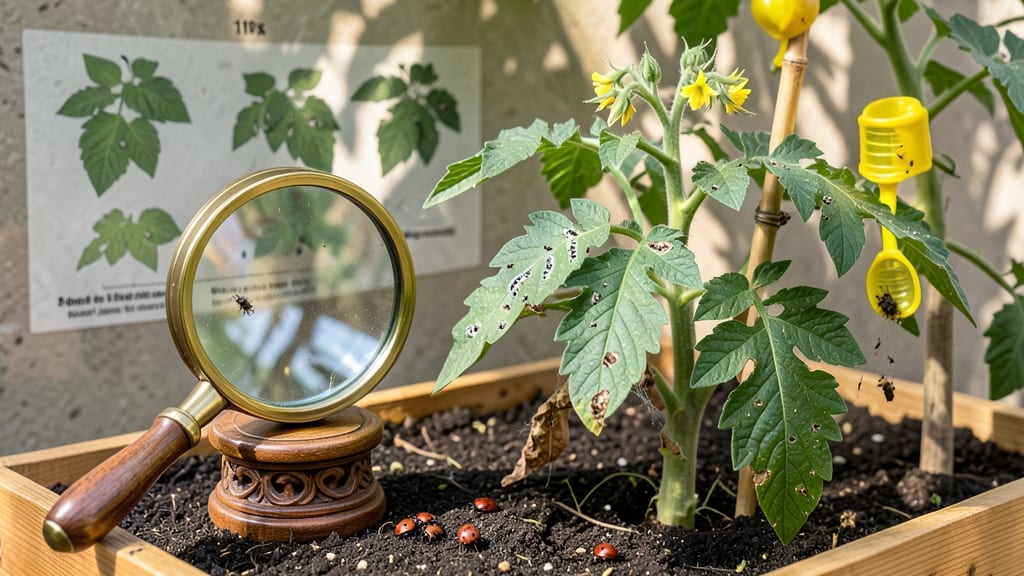
Those serpentine trails on your leaves aren’t just unsightly—they’re leaf miners eating your plants alive. ✨ I’ve saved dozens of plants from looking like Swiss cheese by acting fast, and the copper spray method works in just 3 days without harsh chemicals.
The damage starts small: pale blotches that turn brown as the larvae chew through leaf tissue. Common victims include tomatoes, peppers, and basil, but even fruit trees and shrubs aren’t safe. Most treatments fail because they target the wrong stage—larvae hide deep inside leaves, where sprays can’t reach.
What actually works is a copper-based spray applied at the first sign of trails. It disrupts the larvae’s feeding cycle while being safe for beneficial insects. You’ll see new growth emerge within days, and the worst of the damage will disappear by the end of the week.
This method beats neem oil for speed and outlasts parasitic wasps for reliability. The key is consistency—reapply after rain or every 7-10 days until the trails vanish completely. Even severe cases can bounce back with this approach.
The Hidden Culprits Behind Leaf Damage
Leaf miners aren’t the kind of pests you’ll spot with a quick glance—they’re sneaky, silent invaders that turn your once-vibrant foliage into a patchwork of discolored, skeletal trails. But why do they strike?
The answer lies in a mix of environmental cues, plant vulnerabilities, and the relentless lifecycle of these tiny insects. Let’s break down the real reasons your leaves are becoming a buffet for leaf miners.
Leaf miners aren’t adults—they’re the larvae of flies (often from the Agromyzidae family) or moths that burrow into leaves to feed. These larvae hatch from eggs laid on the leaf surface, then chew their way between the upper and lower layers of the leaf, creating the telltale serpentine mines.
Their goal? Pure survival—and they’re voracious about it.
- Why it happens: Larvae need a steady food source (your plant’s sap and cells) to grow. Once inside, they’re protected from predators and pesticides, making them hard to eliminate.
- Actionable insight: Early detection is key. Check the undersides of leaves for tiny white eggs or tiny black specks (frass, or waste). If you see these, act fast—larvae can hatch in just days.
Healthy plants are resilient, but stressed plants? They’re like neon signs for leaf miners. When your plants are weak—due to nutrient deficiencies, overwatering, drought, or poor soil—they become prime targets. Leaf miners exploit plants that can’t fight back.
| Stress Factor | How It Attracts Miners | Fix It Fast |
|---|---|---|
| Nitrogen deficiency | Yellowing leaves signal weakness; miners see "easy prey." | Apply a balanced fertilizer (10-10-10) or compost. |
| Overwatering | Soggy soil = soft leaves = easier tunneling. | Adjust watering; ensure pots have drainage holes. |
| Drought stress | Wilting leaves lack tannins (natural pest repellents). | Water deeply but infrequently; mulch to retain moisture. |
Leaf miners don’t attack year-round—they’re seasonal opportunists. Their lifecycle is tightly linked to temperature and humidity, with outbreaks peaking in:
- Spring: Warmth triggers egg-laying. Adult flies emerge from overwintering sites (like garden debris or soil) and seek fresh leaves.
- Summer: High humidity creates the perfect nursery for larvae. Heat-stressed plants are even more vulnerable.
- Fall: Late-season miners target weakened plants prepping for winter.
Pro tip: 🔥 Monitor your plants during these windows. Use a magnifying glass to inspect new growth—miners often hit tender, young leaves first.
Not all gardens are equal when it comes to leaf miner activity. Certain conditions make your outdoor space a magnet for these pests:
- Dense foliage: Overgrown plants create sheltered microclimates where miners thrive. Thin out branches to improve airflow.
- Nearby water sources: Ponds, birdbaths, or damp soil attract adult flies looking to lay eggs.
- Monoculture plantings: Planting the same species (e.g., a row of basil or beans) gives miners a buffet. Diversify your garden to disrupt their feeding patterns.
- Organic matter buildup: Leaf litter or compost piles can harbor overwintering pupae. Keep your garden tidy!
Quick fix: 🌡️ Install yellow sticky traps near affected plants to catch adult flies before they lay eggs.
Quick Fixes for Wormy Leaf Damage
Leaf miners can turn your lush foliage into a skeleton in no time, but don’t panic—there are fast, effective ways to restore your plants and keep them thriving.
Below, we’ve mapped out targeted solutions based on the root cause of the problem, from organic remedies to proactive prevention. Let’s get those leaves looking healthy again!
If you prefer chemical-free solutions, these methods are gentle yet powerful for combating leaf miners:
🍳 Homemade Sprays (Safe & Fast)
Leaf miners hate neem oil and soapy water—both disrupt their life cycle without harming your plants.
- Neem Oil Spray 🌿
- Mix 1 tsp neem oil + 1 tsp mild soap (like Castile) + 1 quart of water.
- Spray both sides of leaves thoroughly, focusing on new growth where miners hide.
- Reapply every 5–7 days until no new damage appears.
- Pro Tip: 💡 Apply in the early morning or evening to avoid burning leaves in direct sunlight.
- Soap Spray (DIY Insecticide) 🧼
- Combine 1 tbsp liquid Castile soap + 1 quart of water.
- Spray directly on miners (they’ll suffocate and fall off).
- Works best on small infestations—repeat weekly for 2–3 weeks.
🌡️ Heat & Physical Removal
For minor outbreaks, manual removal can save your plants:
- Prune Damaged Leaves ✂️
- Cut off heavily infested leaves with clean scissors and dispose of them in a sealed bag (not compost).
- This stops the spread before treating the rest of the plant.
- Blast Off Miners with Water 💦
- Use a strong spray of water to knock larvae off leaves—works best on broadleaf plants like basil or zucchini.
If organic methods aren’t cutting it, synthetic insecticides deliver faster results:
🔪 Copper-Based Sprays (Your 3-Day Fix)
Copper is highly effective against leaf miners and stops them from tunneling further.
- How to Use:
- Apply a copper fungicide/insecticide (like Bordeaux mixture or copper sulfate spray) every 3–4 days for 2 weeks.
- Spray undersides of leaves where larvae hide.
- Warning: 🚨 Avoid spraying in windy conditions—copper can damage other plants.
🐛 Systemic Insecticides (For Stubborn Infestations)
If miners keep returning, a soil drench or foliar spray with imidacloprid or acephate can break the cycle.
- Best for: Vegetables (tomatoes, peppers, beans) where organic options fail.
- How to Apply:
- Follow label instructions precisely—overuse can harm beneficial insects.
- Reapply after rain to maintain effectiveness.
The best defense is a strong offense. Use these long-term strategies to keep your plants miner-free:
🌱 Plant Smart, Grow Strong
- Choose Resistant Varieties 🌿
- Some plants (like collard greens, Swiss chard, and certain basil varieties) are less appealing to miners.
- Avoid squash, beans, and grapes—they’re high-risk hosts.
- Rotate Crops Annually 🔄
- Miners overwinter in soil, so switch plant families each season to starve them out.
🕷️ Encourage Natural Predators
- Ladybugs, lacewings, and parasitic wasps love eating leaf miner larvae.
- How to Attract Them:
- Plant dill, fennel, or yarrow nearby—they draw beneficial insects.
- Avoid broad-spectrum pesticides that kill these helpers.
🧹 Sanitation & Barriers
- Remove Fallen Leaves 🍂
- Miners pupate in leaf litter—clean up debris weekly to break their life cycle.
- Use Row Covers Early 🛡️
- Floating row covers (like floating fabric) block adult flies from laying eggs.
| Infestation Level | Action Needed | Expected Recovery |
|---|---|---|
| Few small tunnels | Neem spray + pruning | 5–7 days |
| Moderate damage | Copper spray + soap wash | 7–10 days |
| Severe outbreak | Systemic insecticide + crop rotation | 2–3 weeks |
Final Thought: 🎯 Act fast, but stay consistent. Leaf miners multiply quickly, so treat at the first sign of damage. With the right mix of sprays, predators, and prevention, your plants can bounce back—and stay miner-free for seasons to come!
Frequently asked questions
What do leaf miner trails actually look like on plants?
Leaf miner damage appears as wavy, serpentine lines or blotchy brown patches on leaves. The trails are usually yellow or white at first, then turn brown as the larvae eat through the leaf tissue. Check the undersides of leaves for tiny black specks (frass) or white eggs.
Can I save a plant that's already heavily damaged by leaf miners?
Yes! Prune off severely damaged leaves immediately and treat with copper spray or neem oil. For moderate cases, new growth often emerges within 7-10 days if you act quickly. Severe damage may require systemic insecticides, but most plants recover fully with proper care.
Why do some plants get leaf miners while others nearby stay safe?
Leaf miners target stressed plants with weak defenses. Factors like poor soil, overwatering, or nutrient deficiencies make plants more vulnerable. Healthy plants with good airflow and proper spacing are much less likely to attract miners than crowded, struggling plants.
How often should I reapply treatments like neem oil?
Reapply neem oil every 5-7 days until no new damage appears. Rain washes it away, so always check leaves before spraying. Copper sprays need 3-4 day intervals for 2 weeks. Consistency is key—miners hatch quickly, so don't skip applications.
Will leaf miner damage affect my plant's fruit or flowers?
While leaf miners primarily target foliage, severe infestations can weaken plants enough to reduce fruit production or flower quality. The good news is that most plants bounce back quickly when treated. Focus on young leaves first—they're miners' favorite target!