
Pests and Diseases
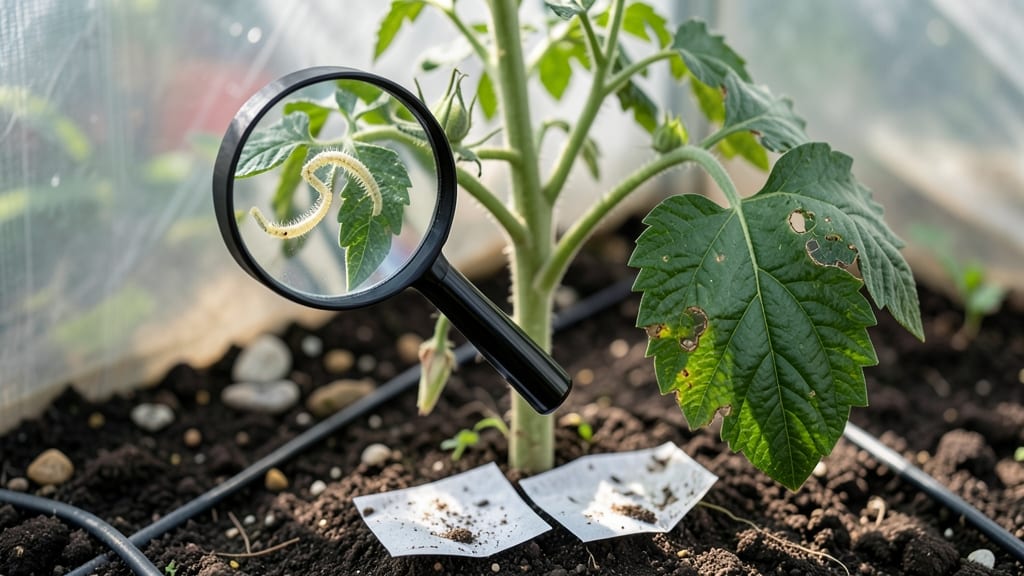
Those winding trails of leaf miners damage on your basil leaves mean one thing: tiny pests have moved in. 🌿 I’ve watched these larvae turn lush, fragrant foliage into skeletonized messes—until I learned the organic tricks that actually work. The good news? You don’t need harsh chemicals to fight back.
Leaf miners start as larvae that tunnel through leaves, leaving behind winding damage that weakens plants like basil, beans, and roses.
The key to stopping them is a three-pronged approach: remove damaged leaves immediately, introduce parasitic wasps (their natural predators), and apply neem oil sprays to disrupt their life cycle. My basil plants now bounce back faster than ever.
With these organic controls, you’ll see new growth within 2-3 weeks—no more wilting, no more brown trails. The secret is acting fast when you spot the first signs, so you can save your plants before the damage spreads. Let’s get those leaves healthy again.
This method works for vegetables, herbs, and ornamentals, and it’s safe for pollinators. The only real mistake? Waiting too long to treat. Once the pupae form, you’ll need to start over. Here’s how to do it right the first time.
📚 In This Guide
- What you need
- Instructions
- Tips and common mistakes
- Wrapping up and next steps
What you need
- ● Garden gloves (1 pair) – Heavy-duty, chemical-resistant for safety.
- ● Pruning shears (1 pair, sharp & sterilized) – For trimming infested leaves.
- ● Neem oil (16 oz bottle) – Organic insecticide; dilute 1 tbsp per 1 quart of water.
- ● Insecticidal soap (16 oz) – Spray directly on larvae; test on a small leaf first.
- ○ Horticultural oil (optional but effective) – Smothers larvae; apply at dusk.
- ● Fine-mesh row covers (1–2 sheets, 30" x 50") – Protects young plants from adult flies.
- ● Yellow sticky traps (5–10 traps) – Catches adult leaf miner flies.
- ● Spray bottle (1–2, 16 oz) – For precise application of treatments.
- ● Garden twine or clips (small pack) – Secures row covers in place.
- ● Potting soil (sterile) (5–10 gallons) – For repotting heavily infested plants.
- ● Beneficial nematodes (Steinernema feltiae) – Targets larvae in soil; apply evening.
- ● Diatomaceous earth (food-grade) – Light dusting on soil; reapply after rain.
- ● Reflective mulch (aluminum foil or reflective fabric) – Confuses adult flies.
- ● Magnifying glass – Helps spot early signs of infestation.
- ● Plant collars (cardboard or metal) – Traps larvae when placed around stems.
How to identify and treat leaf miner damage organically
Leaf miners turn vibrant foliage into a skeleton act—here’s how to spot them early and stop their spread without harsh chemicals.
🌿 Step 1: Spot the Damage and Confirm Leaf Miner Presence
Start by inspecting the undersides of leaves, especially on plants like basil, beans, or zinnia—common leaf miner hosts. Look for winding, serpentine trails that look like tiny tunnels etched into the leaf surface. These trails are the miners’ feeding paths, and they’re your first clue.
Flip the leaf over and check for small, white or yellow larvae (about the size of a grain of rice) moving along the tunnels. If you see frass—tiny black specks of excrement lining the trails—you’ve got leaf miners. The earlier you catch them, the easier they are to control.
💧 Step 2: Remove Infested Leaves and Isolate Affected Plants
Snip off heavily damaged leaves with clean pruning shears, then drop them into a sealed plastic bag. Leaf miners can’t survive without their host, so removing infested foliage breaks their life cycle. For severe cases, prune entire branches back to healthy growth—just avoid over-pruning, or you’ll stress the plant further.
Isolate the affected plant immediately. Place it in a separate area of your garden or move it to a shaded spot away from other plants. Leaf miners spread quickly, and you don’t want them jumping ship to your prized tomatoes or peppers. Check nearby plants daily for new tunnels.
☀️ Step 3: Introduce Natural Predators and Beneficial Insects
Encourage ladybugs, lacewings, and parasitic wasps—they’re leaf miners’ natural enemies. Release them in the early morning or late evening when temperatures are cooler, and they’re less likely to fly away. You can buy these beneficial insects online or attract them by planting companion flowers like dill, fennel, or marigolds nearby.
If you’re growing indoors, place yellow sticky traps near the plants to monitor for adult leaf miners. These traps catch flying adults before they lay eggs, giving your plants a fighting chance. Just rotate the traps every few days to keep them effective.
✂️ Step 4: Apply Organic Sprays for Immediate Control
Mix a solution of 1 tablespoon of insecticidal soap per quart of water in a spray bottle and apply it directly to the undersides of leaves where miners hide. Spray early in the morning or on overcast days to avoid burning the foliage. Reapply every 3-5 days until the infestation clears—consistency is key here.
For a stronger organic option, try neem oil spray (1 teaspoon neem oil + 1 teaspoon mild liquid soap per quart of water). Neem disrupts the miners’ feeding and reproduction, but it works best as a preventive measure. Test spray on a small leaf first to ensure it doesn’t cause damage.
🌱 Step 5: Strengthen Plant Health to Prevent Future Infestations
Healthy plants resist pests better. Water deeply once a week (or when the top 2 inches of soil feel dry) to avoid stressing the roots. Overwatering can weaken plants, making them more susceptible to leaf miners, so always check soil moisture before watering.
Fertilize with a balanced organic fertilizer (like fish emulsion or compost tea) every 4-6 weeks during the growing season. Avoid high-nitrogen fertilizers—they promote soft, tender growth that attracts leaf miners. Prune regularly to improve airflow, and remove any debris or fallen leaves from the garden bed.
Tips & tricks for organic leaf miner control
Here's what nobody tells you about keeping your plants healthy while fighting leaf miners—these tricks make all the difference.
Timing is Everything: In Step 1, when you spot those serpentine trails, act immediately. Leaf miners lay eggs within hours of tunneling, so the sooner you remove infested leaves, the better. I've seen infestations spread from one basil plant to the entire herb garden in just 48 hours if left unchecked. Check your plants every 2-3 days during warm weather to catch new tunnels early.
Isolation Strategy: Don't just move the affected plant—create a quarantine zone. Place it on a tray lined with newspaper to contain any larvae that might drop off. I've had miners jump to nearby plants even after removing the main host. For severe cases, consider using a mesh cage around the plant to prevent adult flies from laying new eggs nearby.
Predator Release Tactics: When introducing ladybugs or lacewings in Step 3, time their release right. Early morning or late evening releases give them time to settle before daytime predators (like birds) become active. I've found that releasing them on a cloudy day increases their survival rate by about 20%. Also, avoid releasing them during windy conditions—they won't stick around to do their job.
Spray Application Secret: For the insecticidal soap solution in Step 4, focus on the undersides of leaves where miners hide. Use a fine mist setting on your spray bottle to ensure good coverage without oversaturating the foliage. I've noticed that applying the spray in the evening gives it time to dry before morning sunlight, which can sometimes cause leaf burn. Always test on a small leaf first, especially with neem oil.
Pro Tips for Leaf Miners Damage
- Here's what nobody tells you about keeping your plants healthy while fighting leaf miners—these tricks make all the difference.
- Timing is Everything: In Step 1, when you spot those serpentine trails, act immediately.
- Isolation Strategy: Don't just move the affected plant—create a quarantine zone.
Frequently asked questions
Got questions about leaf miners?
You’re not alone—these sneaky pests can turn lush foliage into a skeleton in no time! Here are answers to the most common concerns, from identification to organic fixes.
What do leaf miners look like, and how do I know if my plants have them?
Leaf miners are tiny larvae (usually 1/8-inch long) that tunnel between leaf surfaces, creating winding, serpentine trails. Look for:
- Blotchy, yellowish trails on leaves (like a scribbled message).
- Translucent or brown "windows" where larvae have fed.
- Adult flies (tiny, black, or white) near infested plants.
If you spot these signs, act fast—the damage worsens as larvae grow!
When is the best time to treat leaf miners organically?
Timing is key! Treat early spring (before eggs hatch) or late summer (after larvae pupate) for best results. Use kaolin clay or neem oil as a preventive barrier. For active infestations, apply sprays every 5–7 days until new growth appears.
Are there organic sprays that actually work against leaf miners?
Yes! Try these DIY-friendly options:
- Neem oil: Disrupts larvae development (mix 1 tbsp per gallon of water + surfactant).
- Insecticidal soap: Kills young larvae on contact (reapply after rain).
- Kaolin clay: Creates a protective film (use at dusk to avoid harming bees).
- Beneficial nematodes: Target larvae in soil (best for garden beds).
Pro tip: Rotate sprays to avoid resistance!
Can I save a severely damaged plant, or should I remove it?
If 50%+ of leaves are mined, prune affected foliage immediately (bag and discard it!). For less damage, focus on new growth—leaf miners rarely return to healed areas. Severely stressed plants may need extra care (fertilizer, water) to recover.
Will leaf miners come back next year if I treat them this season?
Possibly! Many leaf miners overwinter as pupae in soil or debris. Prevent recurrence by:
- Cleaning up fallen leaves and plant debris in fall/winter.
- Using row covers in early spring to block adult flies.
- Encouraging natural predators like parasitic wasps (they hunt leaf miner larvae!).
Fun fact: Some plants (like dill or parsley) attract predators—plant them nearby!
Wrapping up and next steps
Leaf miners may seem daunting, but with the right knowledge, you can protect your plants naturally and effectively. 🌱 By using organic methods like neem oil, beneficial insects, and proper sanitation, you’re not only safeguarding your garden but also fostering a healthier ecosystem. Start small—identify the early signs of infestation, act quickly, and stay consistent in your prevention efforts.
Now’s the time to take action! Pick one organic strategy from this guide and implement it today. Your plants—and future harvests—will thank you.