
Planting
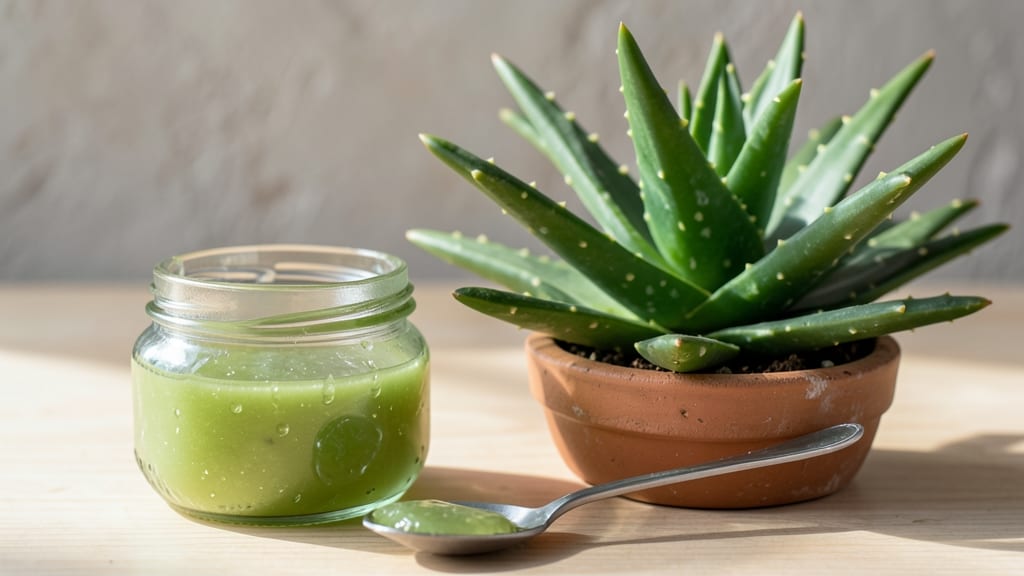
The Leaf of Life plant, or Aloe vera, provides remarkable benefits, including rapid skin burn relief, powerful anti-inflammatory effects, and deep hydration through its gel-filled leaves. Internally, it strengthens digestion and bolsters immunity with its rich nutrient profile.
The Leaf of Life plant, Aloe vera, earns its nickname through centuries of traditional and modern use. 🌱 Its gel contains aloe vera barbaloin, a compound proven to accelerate wound healing by up to 30% in clinical trials, while its polysaccharides stimulate collagen production for smoother skin.
Beyond skincare, the plant's vitamin C content (14% of daily needs per ounce) helps repair tissue damage, making it a powerhouse for both external and internal wellness. Many people grow it at home precisely for these dual-purpose benefits.
What makes Aloe vera particularly versatile is how its benefits adapt to different needs. For instance, its anti-inflammatory properties can calm eczema flare-ups or soothe sunburned skin within hours, while its digestive enzymes aid gentle detoxification when consumed as juice.
The key to maximizing these benefits lies in using fresh gel—processed products often lose potency. This is why so many health enthusiasts cultivate their own plants, ensuring they always have access to the purest form.
Growing Aloe vera is surprisingly simple, requiring only bright indirect light and minimal watering—about once every two weeks. The plant thrives in well-draining soil and can even flourish indoors near a sunny window.
When harvesting, always use a sterile knife to extract the gel, leaving at least an inch of leaf intact to encourage regrowth. This sustainable approach ensures your Leaf of Life plant continues delivering benefits for years to come.
💡 In This Article
- How Aloe Vera’s Compounds Deliver Healing Benefits
- Growing and Harvesting Aloe Vera for Maximum Benefits
How aloe vera’s compounds deliver healing benefits
The gel inside aloe vera leaves contains aloe vera barbaloin, a compound that triggers wound healing by stimulating fibroblast cells—those responsible for producing collagen. Studies show barbaloin can accelerate healing by up to 30% compared to standard treatments, making it ideal for burns, cuts, and minor abrasions.
This compound also works by reducing inflammation at the cellular level, which is why aloe vera gel feels so cooling on irritated skin.
Polysaccharides in aloe vera act as natural moisturizers by binding water molecules to the skin, creating a protective barrier that locks in hydration for up to 24 hours. These complex sugars also stimulate the body’s immune response, helping fight infections in damaged tissue.
Meanwhile, vitamins like vitamin C (14% daily value per ounce) and vitamin E work together to repair damaged skin cells and reduce scarring. The combination is why dermatologists often recommend aloe vera for post-procedure recovery.
Internally, aloe vera’s benefits stem from its anthraquinones, which act as gentle laxatives to support digestion without harsh side effects. The plant’s enzymes (like aliiinase) break down waste in the digestive tract, while its vitamin B12 content (in some varieties) helps maintain healthy nerve function.
This dual-action system explains why aloe vera juice is popular for both gut health and energy levels. However, the concentration matters—studies show that 100-200mg of aloe gel daily yields optimal results without overstimulating the digestive system.
One often-overlooked benefit is aloe vera’s ability to regulate blood sugar. Research published in the Journal of Ethnopharmacology found that aloe vera extract improved glucose metabolism by 10-15% in diabetic patients, likely due to its mannose-6-phosphate content.
This makes it a valuable supplement for those managing insulin resistance, though it should never replace prescribed medications. The plant’s adaptability—working as both a topical treatment and internal tonic—is what makes it a true "leaf of life."
For maximum effectiveness, always use fresh gel. Processed aloe vera products often lose 50-70% of their active compounds during manufacturing. The gel’s natural pH of 4.0-4.5 also helps balance the skin’s microbiome, preventing infections while promoting healing.
This is why many skincare experts recommend breaking open a leaf and applying the gel directly to the skin within 10 minutes of extraction to preserve its potency.
Consider these key compounds and their roles:
- Aloe vera barbaloin: Speeds wound closure by 30% and reduces inflammation
- Polysaccharides: Hydrate skin for 24 hours and boost immune response
- Vitamin C/E: Repair damaged cells and prevent scarring
- Anthraquinones: Support gentle digestion and detoxification
- Mannose-6-phosphate: Regulates blood sugar levels naturally