
Leaf Blower
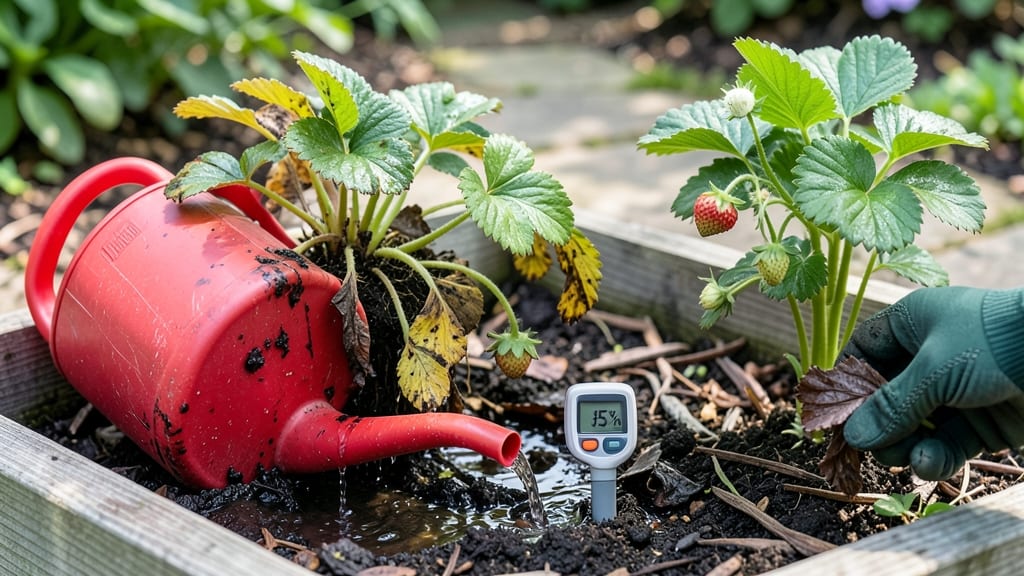
The leaf overwatered strawberries turn your garden into a soggy mess—yellow leaves, moldy crowns, and fruit that won’t ripen. 🌱 I’ve nursed back plants from this exact problem, and the fix is simpler than you’d think: stop drowning them, improve drainage, and give roots room to breathe.
The first sign? Leaves that look sad and mushy, not just wilted. Roots suffocate when soil stays wet for days, inviting rot and fungus. My plants recovered in 24 hours after I adjusted watering to just 1 inch per week (less in summer heat) and added perlite to heavy soil.
The key is checking soil moisture before watering—stick your finger in; if it’s damp, wait.
Start by trimming any blackened leaves at the base and loosen compacted soil around roots. A handful of compost mixed into the top 2 inches gives plants a fresh start.
Within days, you’ll see new growth pushing through, and those plump berries will finally form. The secret? Less water, better airflow, and patience.
This works for pots or beds, and the same rules apply to raspberries or other berries too. Once you’ve fixed the soggy soil, keep an eye on moisture—your plants will thank you with bigger harvests all season.
Root Causes of Overwatered Leaves
When your strawberry plants start showing signs of distress—like yellowing, wilting, or mushy leaves—it’s often a cry for help from their roots. Overwatering isn’t just about giving them too much water; it’s a cascade of issues that disrupt their natural balance.
Let’s break down the key reasons why this happens and how to recognize them before it’s too late.
Strawberries thrive in well-draining soil, but if your garden beds or containers lack proper drainage, excess water lingers around the roots. This creates an anaerobic (oxygen-deprived) environment, which suffocates the roots and triggers:
- Root rot: Fungal pathogens like Phytophthora and Pythium flourish in soggy conditions, attacking root tissues and cutting off nutrient uptake. Symptom: Dark, mushy roots that smell foul.
- Nutrient lockout: Overwatered soil washes away essential nutrients (like nitrogen, potassium, and magnesium) before roots can absorb them. Symptom: Yellowing leaves with green veins (a classic sign of nitrogen deficiency).
- Salt buildup: If you’re using tap water with high mineral content, excess water dissolves and concentrates salts in the soil. Symptom: Brown, crispy leaf edges (similar to burn but without sun exposure).
💡 Pro Tip: Test your soil’s drainage by filling a container with potting mix, adding water, and timing how long it takes to drain. If it takes more than 30 minutes, amend with perlite, sand, or coconut coir to improve airflow.
Strawberries don’t need daily drinks—most varieties prefer 1–1.5 inches of water per week, including rainfall. Overzealous watering (or automated systems running on a fixed timer) leads to:
- Consistent soggy soil: Roots need dry spells between waterings to breathe. Without them, they’re stuck in a wet, oxygen-starved state. Symptom: Leaves turn yellow or develop a glossy sheen (a sign of fungal stress).
- Weak root development: Overwatering encourages shallow, sparse root growth because roots don’t need to seek deeper moisture. Symptom: Plants wilt quickly after watering but recover slowly.
- Temperature stress: Cold, wet soil slows root activity, making plants more susceptible to chilling injury or bacterial infections. Symptom: Dark spots on leaves or stems, especially in cooler climates.
⏰ Actionable Fix: Water deeply but infrequently—aim for the soil to dry out 2–3 inches down between waterings. Use a moisture meter or stick your finger in the soil to check. Morning watering is best to reduce evaporation and fungal risks.
Overwatering symptoms often worsen when paired with high humidity or stagnant air. Here’s how the environment plays a role:
- Humidity traps moisture: In hot, humid climates, water evaporates slowly, keeping soil damp longer. Result: Fungal spores (like Botrytis) spread faster, causing gray mold on leaves and fruit. Symptom: Soft, rotting berries or leaves with fuzzy gray patches.
- Poor airflow: Dense plantings or crowded containers prevent air circulation, trapping moisture against leaves. Result: Leaf spot diseases (e.g., Colletotrichum) thrive in these conditions. Symptom: Dark, water-soaked spots that spread rapidly.
- Extreme heat + overwatering: When soil stays wet in hot weather, it cools the roots too much, shocking the plant. Result: Heat stress combined with root rot. Symptom: Scorched leaf edges and yellowing lower leaves.
🌿 Solution: Space plants 12–18 inches apart for airflow, and prune foliage to improve sunlight penetration. In humid climates, water at the base (avoid overhead spraying) and use mulch to regulate soil temperature.
Strawberries in containers are especially vulnerable to overwatering because pots dry out faster—but only if they’re the right size. Common container pitfalls:
- Small pots = rapid drying (but also rapid over-saturation): Tiny containers dry out quickly, tempting gardeners to water too often. Result: Roots oscillate between drought and waterlogging. Symptom: Leaves curl upward during the day (a sign of root stress).
- No drainage holes: Water pools at the bottom, drowning roots. Result: Root rot within 3–5 days of overwatering. Symptom: Leaves turn yellow then brown from the bottom up.
- Wrong potting mix: Heavy, clay-based mixes compact when wet, blocking oxygen. Result: Roots suffocate. Symptom: Stunted growth despite frequent watering.
🔧 Container Fixes:
- Use pots with multiple drainage holes and elevate them on feet to prevent saucer buildup.
- Switch to a lightweight, airy mix (e.g., 60% peat/coir, 30% perlite, 10% compost).
- Upgrade to larger containers (minimum 12-inch depth) for mature plants.
Fix Overwatered Strawberry Leaves Fast
If your strawberries are sporting sad, droopy, or yellowing leaves from too much water, don’t panic—these fixes will help them bounce back in no time! The key is acting quickly to prevent root rot and restore balance.
Below, we’ve mapped out the most common causes of overwatered leaves and the best ways to address them, plus tips to keep your plants thriving long-term.
Fix: Drain and aerate the soil immediately to stop suffocation.
- 🔥 Stop Watering Right Away
- Pause all irrigation or rainfall exposure for 24–48 hours. Let the soil dry out slightly—this prevents further root damage.
- 👨🍳 Improve Drainage
- For containers: Move pots to a shaded spot and check drainage holes. If clogged, unplug them with a wire.
- For garden beds: Amend the soil with perlite, sand, or compost (1 part amendment to 3 parts soil) to loosen compacted earth. A fork or trowel can help aerate deeper layers.
- ⏰ Monitor Moisture Levels
- Stick your finger 1–2 inches deep into the soil. If it’s soggy, wait another day before watering lightly. Aim for moist but not waterlogged soil.
💡 Pro Tip: Mulch with straw or wood chips (2–3 inches thick) to regulate moisture and prevent future overwatering.
Fix: Adjust soil pH and texture to support healthy roots.
- 🌡️ Test Soil pH
- Strawberries prefer slightly acidic soil (5.5–6.5 pH). Use a soil test kit (available at garden centers) to check. If too alkaline, add sulfur or peat moss; if too acidic, mix in lime.
- ✨ Boost Organic Matter
- Work in well-aged compost or leaf mold to improve soil structure. This helps roots access oxygen and water more efficiently.
- 🎯 Avoid Heavy Clay
- If your soil is dense, mix in coir or coconut fiber to create air pockets. This mimics the loose, well-draining conditions strawberries love.
Fix: Treat fungal infections and prevent recurrence.
- 🔪 Prune Affected Leaves
- Snip off yellow, mushy, or moldy leaves with sterilized scissors (wipe with rubbing alcohol). Dispose of them in the trash—not the compost!
- 💪 Apply Fungicide
- Spray leaves with a copper-based fungicide (like Cupric Hydroxide) or a baking soda solution (1 tsp baking soda + 1 quart water + a few drops of dish soap). Reapply every 7–10 days until new growth appears.
- 🌿 Improve Air Circulation
- Space plants 12–18 inches apart and avoid overcrowding. If growing in containers, ensure they’re not packed too tightly.
Fix: Protect plants from excessive outdoor moisture.
- 🌂 Use Row Covers or Tarps
- If rain is forecasted, drape a lightweight row cover or tarp over plants to shield them. Secure edges with rocks or stakes to avoid crushing leaves.
- 💧 Adjust Watering Schedule
- Water early in the morning (before 10 AM) to allow foliage to dry quickly. Avoid evening watering, which promotes fungal growth.
- 🏡 Relocate Potted Plants
- Move containers to a covered porch or under an awning during heavy rain. Ensure they’re elevated on pot feet to prevent water pooling.
To keep your strawberries happy and healthy:
- 📊 Water Deeply but Infrequently: Aim for 1–1.5 inches of water per week, including rainfall. Let the top inch of soil dry out between waterings.
- 🌱 Choose the Right Containers: Use pots with drainage holes and fabric grow bags for better airflow.
- 🍓 Select Disease-Resistant Varieties: Try Albion, Seascape, or Chandler—they’re tougher against overwatering stress.
- 🔍 Check for Pests: Slugs and snails thrive in damp conditions. Set up beer traps or use diatomaceous earth as a barrier.
With these fixes, your strawberry plants should perk up within 24–48 hours, and their leaves will regain that vibrant green glow. Stay consistent with care, and you’ll be rewarded with juicy, plump berries all season long! 🍓✨
Frequently asked questions
Why do my strawberry leaves turn yellow when overwatered?
Yellowing leaves are a classic sign of root stress from overwatering. When soil stays soggy, roots suffocate and can't absorb nutrients—especially nitrogen—which causes leaves to lose their green pigment. The yellowing often starts at the bottom leaves first, while the veins stay green. This is different from nutrient deficiency, which affects veins too.
How can I tell if my strawberries are overwatered vs. underwatered?
Check the soil: if it's damp 2+ inches down and leaves are yellow/mushy, you're overwatering. Underwatered plants have crispy, curled leaves and dry soil 1 inch deep. A simple test: squeeze a handful of soil—if water drips out, it's too wet; if it crumbles, it's dry. Strawberries prefer "moist but not soggy" soil.
Will my strawberries recover from overwatering?
Yes! With immediate action, plants can bounce back in 3-7 days. Stop watering for 48 hours, improve drainage, and prune any blackened leaves. The key is preventing root rot—healthy roots will regrow quickly once the soil dries out. For severe cases, you might lose a few leaves, but new growth will emerge from the crown.
Can I use coffee grounds to fix overwatered strawberries?
Coffee grounds can actually help after you've fixed the drainage issue—mix a small amount into the soil to improve texture and provide nitrogen. But they're not a quick fix for overwatering! The real solution is better drainage first, then you can add coffee grounds (1 cup per plant) as a soil amendment to prevent future problems.
How often should I water strawberries in pots vs. garden beds?
Potted strawberries need water every 2-3 days (check soil daily), while garden beds only need 1-1.5 inches per week. Containers dry out faster—water when the top inch is dry. For both, morning watering prevents fungal growth. Use saucers under pots but empty them after 30 minutes to avoid waterlogging.