
Pests
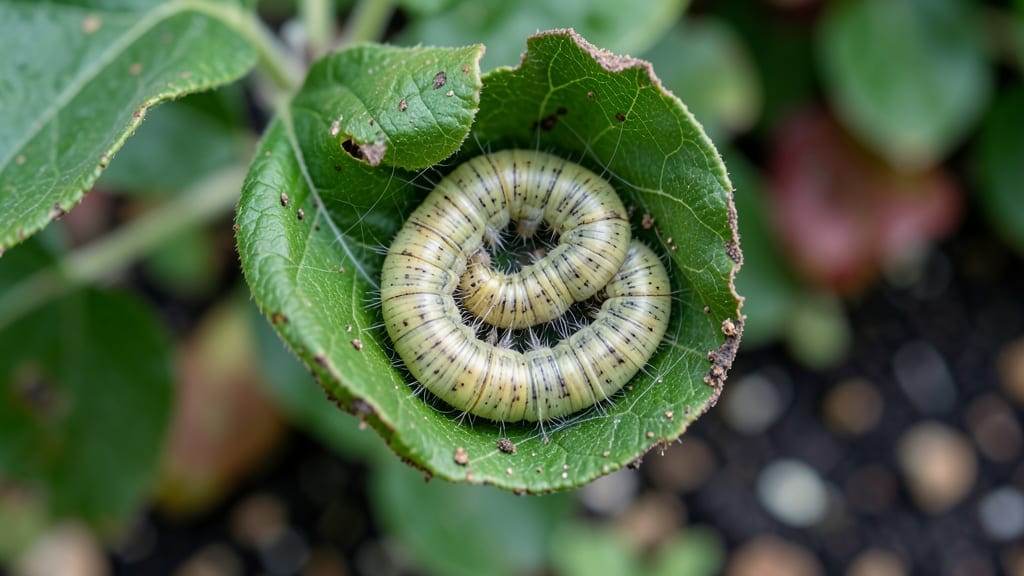
Leaf roller worms turn your fruit trees into skeleton leaves overnight. 🌿 I’ve watched them strip entire peach trees bare in just a few days, and the worst part?
Most sprays kill the good bugs too. But there’s a better way—one that protects your garden’s balance while kicking these pests out for good.
The secret starts with identifying them early: look for rolled-up leaves tied with silk, tiny brown tubes, or black frass (poop) spilling out. These caterpillars hide in plain sight, but their damage is unmistakable—chewed edges, curled foliage, and fruit that’s suddenly pockmarked.
The life cycle is brutal: eggs hatch in spring, larvae feast all summer, and by fall, they’re pupating into moths ready to start over.
You’ll stop them with three simple, effective methods: prune out infested leaves (bag and toss them!), introduce parasitic wasps (nature’s tiny assassins), or use neem oil as a last resort—it works without wiping out bees or ladybugs.
The key is acting fast before they spin their silk cocoons and vanish for winter.
Prevention is easier than you think: clean up fallen leaves in autumn, space plants properly for airflow, and monitor your trees weekly. Even a small infestation can explode if ignored, but with these steps, you’ll keep your garden thriving—and those worms won’t stand a chance.
Root Causes Of Leaf Damage
Leaf roller worms—those sneaky, coiled caterpillars—don’t just appear out of nowhere. Their presence is usually a sign of underlying conditions in your garden or landscape. Understanding why these pests target your plants is the first step to preventing them naturally.
Below, we break down the key factors that turn your lush foliage into a leaf roller worm buffet.
Leaf roller worms have a simple motto: “If it’s weak, I’ll eat it.” When plants are overcrowded, they compete for sunlight, water, and nutrients, leaving them vulnerable. Stress from poor soil, drought, or disease weakens leaves, making them easier for caterpillars to chew through and roll up.
- Why it happens: Stressed plants produce softer, more tender leaves—perfect for leaf roller worm larvae to feed on and shelter in.
- Actionable fix: Thin out dense plantings, mulch to retain moisture, and fertilize with compost to boost plant resilience.
In a healthy ecosystem, birds, parasitic wasps, and predatory beetles keep leaf roller worm populations in check. But if these beneficial bugs are missing—due to pesticide use, habitat loss, or urbanization—roller worms thrive unchecked.
Why it happens: Chemical pesticides often kill both pests and their natural enemies, creating a vacuum that pests like leaf roller worms rush to fill. Without predators, their numbers explode.
Actionable fix: Skip broad-spectrum pesticides and instead encourage predators with native plants, birdhouses, and water sources.
Leaf roller worms love warmth and moisture—ideal conditions for their rapid life cycle. Mild winters and wet springs allow eggs to hatch earlier and caterpillars to multiply faster.
| Condition | Why It Helps Leaf Rollers | How to Disrupt It |
|---|---|---|
| Warm, humid springs | Speeds up egg hatching and larval growth. | Improve airflow with pruning and spacing. |
| Dry, hot summers | Stresses plants, making them more attractive to feeders. | Water deeply but avoid overhead sprinkling (encourages fungal diseases). |
| Late-season heat waves | Tricks caterpillars into delaying pupation, extending feeding. | Use row covers or reflective mulch to deter them. |
Some plants are like all-you-can-eat buffets for leaf roller worms. Fruit trees (especially apples, pears, and cherries), roses, and viburnums are prime targets because their tender, high-nutrient leaves are irresistible.
Why it happens: These plants often lack natural defenses against caterpillars, and their growth patterns (new shoots in spring) coincide with roller worm hatching.
Actionable fix: Plant resistant varieties (e.g., ‘Liberty’ apple trees) or interplant with repellent herbs like tansy or wormwood.
By addressing these root causes—stress, predator loss, weather, and plant selection—you’re not just treating leaf roller worms; you’re making your garden less inviting to them in the first place. The key? Balance. Healthy plants + happy predators = fewer pests, naturally.
Natural Ways to Stop Leaf Rollers
Leaf rollers may be a nuisance, but the good news is you can tackle them effectively without resorting to harsh chemicals that harm beneficial insects. Below are targeted, eco-friendly solutions based on the root causes of infestations—whether it’s poor garden hygiene, vulnerable plants, or an imbalance in your yard’s ecosystem.
If leaf rollers are feasting on stressed or overgrown foliage, revitalizing your plants is the first line of defense.
🔥 H3: Prune & Strengthen Plants
- 🍃 Trim damaged leaves—Remove rolled or chewed leaves immediately to starve larvae and prevent spread.
- 💧 Boost plant health—Water deeply (but avoid soggy soil) and fertilize with compost or organic matter to encourage strong growth.
- ☀️ Ensure proper sunlight—Some plants (like fruit trees) need full sun to resist pests naturally.
💡 Pro Tip: Focus on new growth—leaf rollers target tender shoots, so pruning encourages tougher, pest-resistant foliage.
Leaf rollers hide in rolled leaves, bark crevices, and dense mulch. Breaking their hiding spots makes them vulnerable.
👨🍳 H3: Physical Removal & Barriers
- 🔪 Handpick larvae—Check for rolled leaves (especially on apples, pears, and roses) and drop them in soapy water to kill them.
- 🌡️ Use row covers—Lightweight floating row covers (for young trees/shrubs) block adult moths from laying eggs.
- 🧹 Clear debris—Rake up fallen leaves, old mulch, and weedy areas where pupae overwinter.
✨ Quick Fix: Shake trees gently in early morning—larvae will drop, making them easy to collect.
Instead of killing all insects, support the bugs that eat leaf rollers—like parasitic wasps, birds, and predatory beetles.
🎯 H3: Attract Beneficial Insects
- 🌼 Plant companion flowers—Marigolds, dill, and yarrow attract parasitic wasps (e.g., Trichogramma wasps) that lay eggs inside leaf roller larvae.
- 🐦 Install birdhouses—Birds like robins and chickadees devour leaf roller caterpillars.
- 💧 Add a shallow water dish—Beneficial insects (and birds) need hydration to stay active.
💡 Pro Tip: Avoid broad-spectrum pesticides—they wipe out both pests and their natural predators!
If infestations persist, targeted sprays can help without harming pollinators.
🥘 H3: Safe Spray Solutions
| Method | How to Use | Best For |
|---|---|---|
| Neem oil | Mix 1 tsp neem oil + 1 tsp mild soap per quart of water. Spray evening/early morning to avoid bees. | Young larvae, light infestations |
| Bacillus thuringiensis (Bt) | Sprinkle Bt powder (or spray liquid) on leaves—it’s safe for humans but toxic only to caterpillars. | Organic gardens, fruit trees |
| Kaolin clay | Mix 1 cup clay + 1 gallon water, spray to create a protective film on leaves. | Prevents egg-laying, deters adults |
⏰ Timing Matters: Apply sprays before larvae hatch (check local moth emergence times) for best results.
Stop leaf rollers before they start with these low-effort habits:
- 🌱 Choose resistant varieties—Some plants (like fire blight-resistant apples) are less appealing to leaf rollers.
- 🍂 Mulch strategically—Use wood chips (not thick layers) to allow airflow and deter hiding spots.
- 📅 Monitor regularly—Check plants weekly in spring/summer for early signs (rolled leaves, silk webbing).
- 🌿 Rotate crops—If growing vegetables, move susceptible plants each year to prevent buildup.
Final Thought: Leaf rollers are manageable with patience and prevention—focus on plant health, habitat disruption, and natural allies for a garden that stays lush and pest-free! 🌿🐝
Frequently asked questions about leaf roller worms
How do I know if my plants have leaf roller worms?
Look for rolled or tied leaves with tiny brown tubes inside—these are their silk cocoons. You’ll also spot black frass (poop) spilling out or chewed edges on foliage. Check undersides of leaves and bark crevices where they hide.
Are leaf roller worms the same as tent caterpillars?
No—they’re different pests! Leaf rollers hide inside rolled leaves while tent caterpillars build silk tents across branches. Both are caterpillars, but leaf rollers are more destructive to fruit trees and roses.
Will parasitic wasps really kill leaf roller worms?
Tiny Trichogramma wasps lay eggs inside leaf roller larvae, killing them from within. Release them in spring when moths emerge—just avoid spraying pesticides first, as they’ll harm the wasps too.
Can I use neem oil on fruit trees with leaf rollers?
Yes, but apply it evening/early morning to avoid harming bees. Mix 1 tsp neem oil + 1 tsp mild soap per quart of water and spray directly on larvae. Repeat every 7-10 days for best results.
What’s the fastest way to stop a severe infestation?
Combine physical removal (handpick larvae) with Bacillus thuringiensis (Bt) spray for immediate results. Prune heavily damaged leaves and bag/toss them to prevent spread. For large trees, consider row covers to block adult moths.