
Leaf Blower
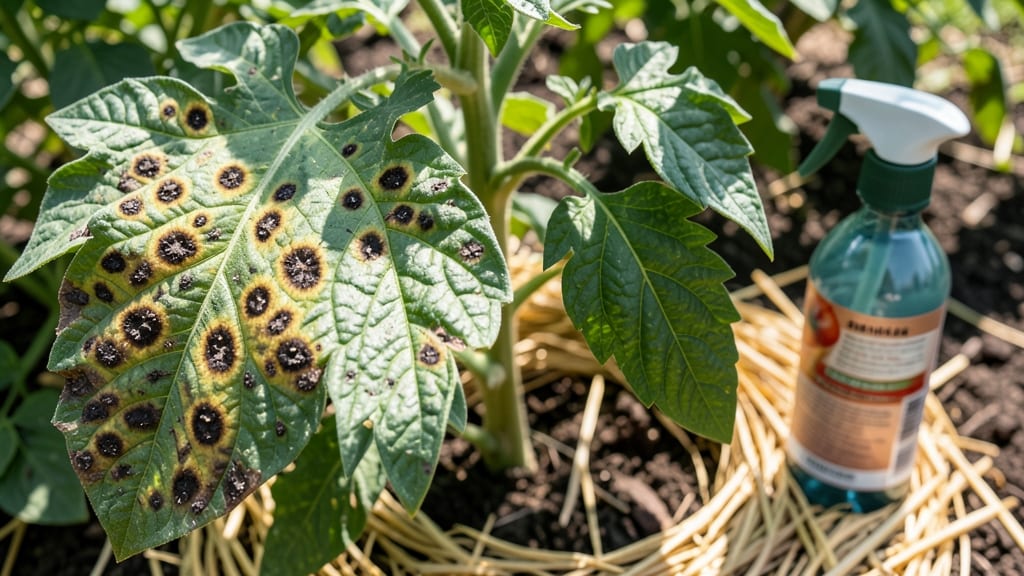
Leaf spot fungus turns vibrant foliage into a sad, spotted mess—until you try this copper spray trick. 🌿 I’ve seen it ruin entire tomato plants in days, but the right spray stops new spots dead in their tracks.
The key is acting fast, using the right mix, and understanding why fungus loves your garden in the first place.
Most gardeners don’t realize leaf spot thrives on wet leaves and crowded plants. That’s why proper spacing and watering at the base (not overhead) cut infection rates by half. Copper spray works because it disrupts fungal cell walls—no chemical resistance here.
You’ll notice fewer spots within 5-7 days of treatment, and healthy new growth will push out faster than you expect.
This method works on tomatoes, peppers, roses, and even lawns—anything with leaf spots. The spray is organic-safe (when used correctly), and you can mix it yourself in 10 minutes with supplies you likely already have. No more watching your prized plants turn into a fungus buffet.
Once you’ve got the spots under control, prevention becomes easy: mulch to reduce splashing, water early in the day, and remove infected leaves immediately. Your garden will stay lush and spot-free—no more panic when you see the first brown speck.
The Hidden Triggers Behind Fungal Spots
Leaf spot fungus isn’t just a random nuisance—it thrives when specific conditions align like a perfect storm. Understanding these triggers helps you prevent outbreaks before they destroy your plants. Here’s why these dark spots appear on leaves, and how to disrupt the cycle.
Fungal spores love damp conditions. When leaves stay wet for prolonged periods—whether from rain, overhead watering, or high humidity—they create the ideal breeding ground. Here’s why:
- Spore Germination: Fungal spores need moisture to activate. Even light dew can trigger them, but 24+ hours of leaf wetness is a red flag. 🌡️ Pro tip: Avoid watering in the evening if your climate is humid.
- Leaf Surface Damage: Water droplets can physically weaken leaf cuticles, making it easier for fungal hyphae (thread-like structures) to invade.
- Poor Airflow: Dense foliage or crowded plants trap moisture. Fungus spreads faster in stagnant, humid microclimates.
Actionable Fix:
- Water at soil level (use drip irrigation or soaker hoses).
- Space plants for 3–5 feet of airflow between rows.
- Use fungicide sprays (like copper-based solutions) after heavy rain.
Fungal spores dormant in cool, dry weather but explode in warm (70–85°F), humid conditions. This is why leaf spots flare up in late spring or summer:
- Faster Sporulation: Heat accelerates fungal growth. Some species (like Cercospora) produce thousands of spores in days under these conditions.
- Weakened Host Defenses: Plants stressed by heat often can’t fight off infections as effectively.
- Nighttime Dew: Temperatures dropping after a hot day can leave leaves damp overnight—double trouble for fungus.
Actionable Fix:
- Monitor humidity levels (aim for <60% during peak heat).
- Choose heat-tolerant plant varieties (e.g., disease-resistant tomatoes or peppers).
- Apply copper fungicide preventatively before heatwaves hit.
A stressed plant is like a buffet for fungus. Weakened leaves lack the defenses to repel spores. Common stressors include:
- Nutrient Deficiencies: Low nitrogen (N) or potassium (K) weakens cell walls, making them easier targets.
- Overcrowding: Competing for sunlight and nutrients leaves plants nutritionally starved and vulnerable.
- Physical Damage: Hail, pests (like aphids), or even rough handling can create entry points for fungus.
- Improper Pruning: Cutting too close to the stem or using dirty tools spreads spores like wildfire.
Actionable Fix:
- Test soil pH and nutrients (ideal range: 6.0–7.0 for most plants).
- Prune only in dry weather and sterilize tools with 70% isopropyl alcohol.
- Fertilize with balanced NPK (e.g., 10-10-10) to bolster plant vigor.
Fungal spores linger on tools, soil, and even plant debris. If you’ve had leaf spot before, the pathogen might still be hibernating in your garden:
- Infected Mulch/Compost: Old plant material can harbor spores for years.
- Reused Pots or Tools: Pruners, gloves, or containers from last season may carry fungus.
- Wind or Water Spread: Spores hitchhike on rain or breeze to nearby healthy plants.
Actionable Fix:
- Solarize soil in black plastic for 4–6 weeks to kill dormant spores. ⏱️
- Disinfect tools with 1 part bleach to 9 parts water (rinse well).
- Remove and destroy (don’t compost) infected leaves/debris.
By addressing these root causes—moisture, heat, stress, and contamination—you can starve out fungus before it starts. The key? Proactive care beats reactive sprays every time. 🚀
Quick Fixes for Fungal Spots
Leaf spot fungus may seem like a stubborn foe, but with the right approach, you can banish those unsightly spots and protect your plants. Below are practical, step-by-step solutions tailored to the most common causes—plus prevention tips to keep your garden thriving.
If you spot dark, irregular patches or yellowing leaves, act fast! Fungal spores spread quickly, so prune affected foliage before they contaminate healthy plants.
How to do it:
- 🍂 Snip or tear off leaves with spots (don’t compost them—toss in the trash).
- ✂️ Sterilize pruners with rubbing alcohol between cuts to prevent cross-contamination.
- 🌬️ Improve airflow by thinning dense plantings—fungus loves humidity!
Pro Tip: 💡 Check the undersides of leaves first—many fungal spots start there!
Copper-based sprays (like copper sulfate or copper fungicide) are highly effective against leaf spot fungus because they disrupt fungal cell walls without harming plants.
How to apply:
- 🔹 Mix according to label instructions (usually 1–2 tbsp per gallon of water).
- 👨🍳 Spray thoroughly on both sides of leaves, stems, and soil around plants.
- 🌧️ Apply in the evening to avoid leaf burn from sunlight.
- ⏰ Repeat every 7–14 days (or after rain) until spots disappear.
Pro Tip: 🌡️ Best applied when temps are below 85°F—heat can reduce effectiveness.
A weak plant is an open invitation for fungus. Strengthen your greens with these preventive care steps:
| Weakness | Fix It With… | Why It Works |
|---|---|---|
| Poor drainage | Amend soil with perlite or compost | Reduces waterlogged roots (fungus loves moisture!) |
| Overcrowding | Thin plants or prune for airflow | Less humidity = fewer spores |
| Nutrient deficiency | Balanced fertilizer (low nitrogen) | Stronger leaves repel fungus better |
| Old mulch | Replace with fresh, dry mulch | Prevents spore buildup |
Pro Tip: ✨ Neem oil or baking soda spray (1 tsp baking soda + 1 tsp oil + 1 quart water) can prevent fungal growth when applied weekly.
Overhead watering is a major fungus magnet—it splashes spores onto leaves. Switch to these smart watering habits:
- 💧 Water at the base (use drip irrigation or soaker hoses).
- 🌅 Water in the morning so leaves dry quickly (fungus thrives in dampness).
- 🚫 Avoid late-night watering—humidity overnight = fungal buffet.
- 🌿 Use a fungicide drench (like hydrogen peroxide at 3%) if soil is infected.
Pro Tip: 🎯 Collect rainwater in a barrel—it’s often cleaner than tap water and won’t contain chlorine that can stress plants.
Once you’ve treated the spots, keep them from returning with these ongoing strategies:
- 🌱 Rotate crops (don’t plant susceptible plants in the same spot yearly).
- 🧹 Clean up debris in fall—burn or bag old leaves to starve fungal spores.
- 🍄 Introduce beneficial microbes (like Trichoderma fungus) to outcompete leaf spot.
- 🌿 Choose resistant varieties (e.g., disease-resistant tomatoes or roses).
Pro Tip: 🔥 Plant garlic or marigolds nearby—they repel fungal spores naturally!
By combining removal, copper treatments, better care, and smart watering, you’ll stop leaf spot fungus in its tracks—and keep your plants lush and disease-free for seasons to come!
Frequently asked questions
What plants are most vulnerable to leaf spot fungus?
Leaf spot fungus commonly targets tomatoes, peppers, roses, beans, and lawn grasses. It also attacks fruit trees like apples and peaches, as well as ornamental plants like hydrangeas. The key risk factor is how long leaves stay wet—plants with dense foliage or poor airflow are especially susceptible.
How can I tell if my plant has leaf spot fungus vs. another issue?
Look for dark brown or black spots with yellow halos on leaves, often with white or gray fuzzy growth on the undersides. Unlike insect damage, fungal spots don’t move and usually appear in clusters. Test by gently scraping a spot—if it leaves a powdery residue, it’s likely fungal.
Is copper spray safe for all plants?
Copper fungicides are generally safe for most edible plants when used correctly, but avoid spraying directly on flowers or fruit (especially before harvest). Some sensitive plants (like citrus or azaleas) may develop leaf burn—always test a small area first. Organic copper options are less harsh than synthetic fungicides.
How long does it take for copper spray to work?
You’ll typically see new spot growth slow within 3-5 days of application, with noticeable improvement in 7-14 days. For severe infections, repeat treatments every 7-10 days until all signs disappear. Warm, humid conditions speed up the process, while dry weather may require more frequent applications.
Can I still harvest fruit from plants with leaf spot?
Yes, but only if the spots aren’t on the fruit itself. Remove all infected leaves first, then wash fruit thoroughly before eating. The fungus rarely spreads to fruit, but always harvest early to prevent cross-contamination. If spots appear on fruit, discard it immediately to avoid spreading spores.