
Diseases
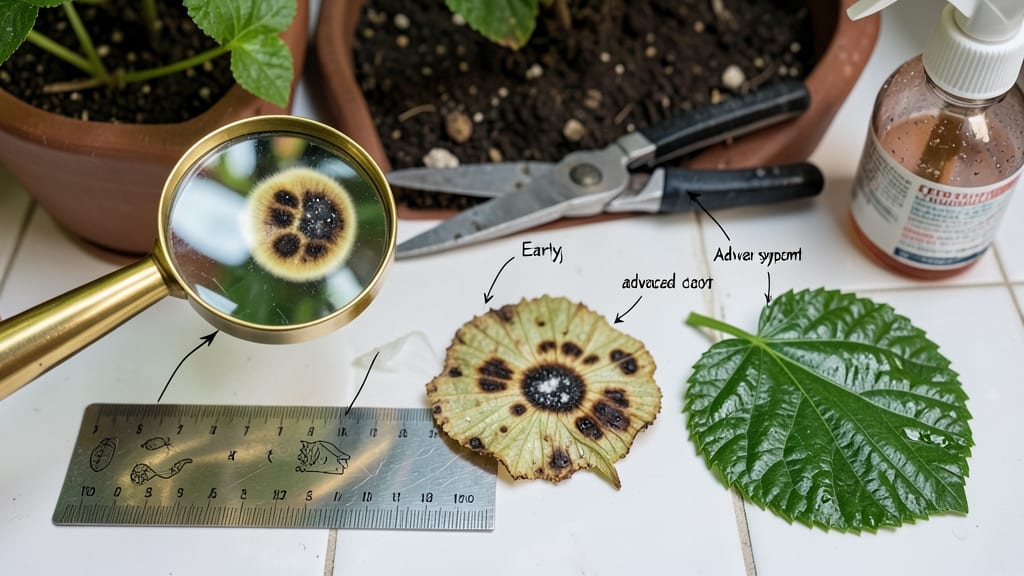
Those dark, spreading spots on your hibiscus leaves are a clear sign of leaf spot hibiscus diseases identification—and they’re more than just an eyesore. 🌿 Leaf spot diseases turn vibrant foliage into a sad, spotted mess, but catching them early means you can save your plant.
I've seen hibiscus go from lush and blooming to nearly bare branches in weeks when leaf spot takes hold, and I'm here to help you spot the problem before it spreads.
Leaf spot diseases usually show up as brown or black spots with yellow halos, often with a white or gray center. Unlike nutrient deficiencies that yellow leaves evenly, leaf spot creates irregular patches that grow larger over time.
The key is acting fast—prune infected leaves immediately and avoid overhead watering, which spreads spores like wildfire.
With the right mix of fungicides, improved airflow, and consistent care, you can bring your hibiscus back to full bloom. I've nursed back plants that looked hopeless by cutting off infected growth and applying a copper-based fungicide every two weeks.
The secret is catching it early and staying consistent—your hibiscus will thank you with fresh leaves and those signature blooms.
This works for both tropical and hardy hibiscus varieties, whether you're growing in containers or garden beds. The same principles apply whether your plant is indoors or out, though outdoor plants need extra vigilance during humid summers. Let's get those leaves healthy again!
Root Causes Of Leaf Spots
Leaf spot diseases in hibiscus aren’t just random bad luck—they’re the result of specific conditions that create the perfect storm for fungal and bacterial invaders. Understanding why these spots appear is the first step to stopping them in their tracks.
Below, we break down the key culprits behind hibiscus leaf spots, from environmental triggers to plant vulnerabilities.
Most leaf spot diseases in hibiscus—like Cercospora or Alternaria—are caused by fungal spores that thrive in moist, humid environments. Here’s how it works:
- Prolonged leaf wetness: Fungal spores germinate when hibiscus leaves stay damp for more than 4–6 hours. This happens after heavy rain, overhead watering, or poor airflow. 💡 Pro tip: Water in the early morning so leaves dry by afternoon.
- High humidity (above 75%): Fungi release spores more aggressively in stagnant, humid air. Greenhouses, dense plantings, or shaded areas trap moisture, accelerating spread.
- Spores from infected debris: Old leaves, mulch, or fallen petals harbor dormant spores. When conditions are right, they reanimate and infect healthy plants.
Actionable fix: Space hibiscus plants 3–4 feet apart for airflow, avoid overhead irrigation, and remove fallen leaves promptly to break the spore cycle.
Hibiscus plants under stress are far more susceptible to leaf spots. Temperature swings and poor growing conditions create openings for pathogens:
- Extreme heat (above 90°F): High temperatures weaken the cuticle (the plant’s protective skin), making it easier for fungi to penetrate. 🌡️ Watch for: Yellowing edges or wilting before spots appear.
- Cool, wet springs/fall: Temperatures between 60–80°F with high humidity are ideal for fungal growth. This is why outbreaks spike in May and September.
- Nutrient deficiencies: Low nitrogen or potassium levels reduce chlorophyll, stressing the plant. 💡 Pro tip: Test soil pH (aim for 6.0–6.5) and fertilize with a balanced 10-10-10 formula.
- Physical damage: Pruning cuts, hail, or pest bites create entry points for spores. Always sterilize tools with 70% isopropyl alcohol to prevent cross-contamination.
Actionable fix: Use mulch (2–3 inches) to regulate soil temp, avoid heavy pruning during rainy seasons, and water deeply but infrequently to reduce stress.
Unlike fungal spots, bacterial leaf spot (caused by Xanthomonas or Pseudomonas) spreads rapidly and can kill hibiscus in weeks. Here’s how bacteria exploit weaknesses:
- Wet foliage + wounds = bacterial highway: Bacteria enter through pruning cuts, insect bites, or rain splatter. Once inside, they multiply in water-filled lesions.
- Contaminated tools or hands: Touching infected plants and then healthy ones transfers bacteria. ✨ Critical step: Wash hands with soap or use rubbing alcohol between plants.
- Poor drainage: Waterlogged roots stress the plant, making it easier for bacteria to colonize leaves. 💡 Pro tip: Hibiscus needs well-draining soil—amend clay soil with perlite or compost.
Actionable fix: Remove infected leaves immediately (don’t compost them—bag and discard), and avoid overhead watering. For severe cases, use copper-based bactericides (like Copper Soap).
By addressing these root causes—moisture, stress, and bacterial entry points—you can dramatically reduce the risk of leaf spot diseases in your hibiscus. The key? Prevention through smart watering, airflow, and plant care.
Fixing Hibiscus Leaf Spot Now
Leaf spot diseases can turn your vibrant hibiscus into a sad, spotted mess—but don’t worry! With the right steps, you can nurse your plant back to health and keep future outbreaks at bay. Below, we’ve mapped out practical fixes for each cause, from quick remedies to long-term prevention.
Causes: Cercospora or Alternaria fungi thriving in wet, humid conditions.
🔥 Immediate Action: Stop the Spread
- 🍳 Prune infected leaves – Use sterilized scissors (wipe with rubbing alcohol) to cut off all spotted or yellowing leaves.
Dispose of them in the trash (not compost). - 👨🍳 Apply fungicide – Spray with a copper-based fungicide (like copper sulfate) or a neem oil solution (1 tbsp neem oil + 1 tsp mild soap per quart of water).
Reapply every 7–10 days until new growth appears. - 🌡️ Improve airflow – Thin out crowded branches and space plants 3–4 feet apart to reduce humidity around leaves.
✨ Long-Term Prevention
- 💡 Water wisely – Water early in the day (before 10 AM) so leaves dry quickly.
Avoid overhead watering; use a drip irrigation system or soaker hose instead. - 🎯 Clean up debris – Remove fallen leaves, mulch, and weeds around the base of the plant to eliminate fungal spores. - 🌱 Strengthen the plant – Ensure hibiscus gets full sun (6+ hours/day) and well-draining soil to boost natural resistance.
Causes: Xanthomonas or Pseudomonas bacteria, often from contaminated water or tools.
🔪 Emergency Treatment
- 🍳 Remove infected parts ASAP – Cut out all spotted leaves (bacterial spots spread fast!). Sterilize tools between cuts.
- 👨🍳 Use copper bactericide – Switch to a copper fungicide labeled for bacteria (like Copper Soap).
Follow label instructions for frequency. - ⏰ Quarantine the plant – Keep it separate from other hibiscus until fully recovered to prevent cross-contamination.
🛡️ Prevention Tips
- 💡 Sterilize everything – Clean pruners, pots, and tools with bleach (1 part bleach to 9 parts water) or rubbing alcohol before and after use.
- 🌡️ Avoid overhead watering – Use a watering can with a narrow spout to direct water at the soil, not the leaves.
- 🌱 Boost plant health – Overwatering stresses hibiscus; let the top 1–2 inches of soil dry between waterings.
Causes: Sunburn, nutrient deficiency, or chemical damage (like fertilizer burn).
🌞 Quick Fixes for Sun/Heat Stress
- 🍳 Move to partial shade – If leaves are bleached or crispy, relocate the plant to morning sun + afternoon shade (especially in hot climates).
- 🌡️ Mulch properly – Apply 2–3 inches of organic mulch (like shredded bark) to keep roots cool and retain moisture.
💪 Nutrient & Chemical Damage Solutions
- 🍳 Flush the soil – If over-fertilized, water the plant heavily for 10 minutes to leach excess salts.
Repeat 2–3 times. - 🌱 Use balanced fertilizer – Switch to a slow-release, organic fertilizer (like 10-10-10) and apply half the recommended dose every 6–8 weeks. - 💡 Test soil pH – Hibiscus prefers slightly acidic soil (6.0–6.5).
Adjust with sulfur (to lower pH) or lime (to raise pH) if needed.
- 🌿 Prune regularly – Remove dead or weak branches in late winter/early spring to improve airflow.
- 💧 Monitor moisture – Hibiscus hates soggy roots; ensure pots have drainage holes and outdoor plants are in well-draining soil.
- 🔄 Rotate plants – If growing in containers, rotate them weekly so all sides get even sun exposure.
Remember: The key to curing leaf spot is acting fast and preventing recurrence. With these steps, your hibiscus can bounce back—and stay stunning! 🌺💚
Frequently asked questions
What’s the difference between fungal and bacterial leaf spot on hibiscus?
Fungal leaf spots (like Cercospora) often have dry, brown centers with yellow halos, while bacterial spots are water-soaked, greasy-looking with irregular edges. Fungal spots spread slower, but bacterial ones can kill leaves in days. Check for ooze on bacterial spots—it’s a dead giveaway!
Can I still save my hibiscus if most leaves have spots?
Yes, but act fast! Prune all infected leaves (don’t compost them), apply copper fungicide, and improve airflow. Severe cases may need 2–3 weeks of consistent care, but hibiscus are resilient. Focus on healthy new growth—it’ll outpace the disease!
Why does my hibiscus get leaf spot even when I water at the base?
Overhead rain or high humidity (above 75%) can still spread spores. Even base watering won’t help if spores land on leaves during storms. Mulch (2–3 inches) and prune for airflow to dry leaves faster. A fan on low can also help in humid climates.
Are store-bought fungicides safe for hibiscus flowers?
Most copper-based fungicides and neem oil are safe for flowers if used as directed. Avoid harsh chemicals like bleach or strong synthetic fungicides—they can damage blooms. Always spray early morning so flowers dry before evening humidity sets in.
How do I know if my hibiscus spots are from disease or just sunburn?
Sunburn spots are dry, crispy, and white/yellow (often on upper leaves), while disease spots are dark, soft, and may ooze. Sunburn happens on one side of leaves, while disease spreads randomly. Move plants to partial shade if sunburn is suspected.