
Pests and Diseases
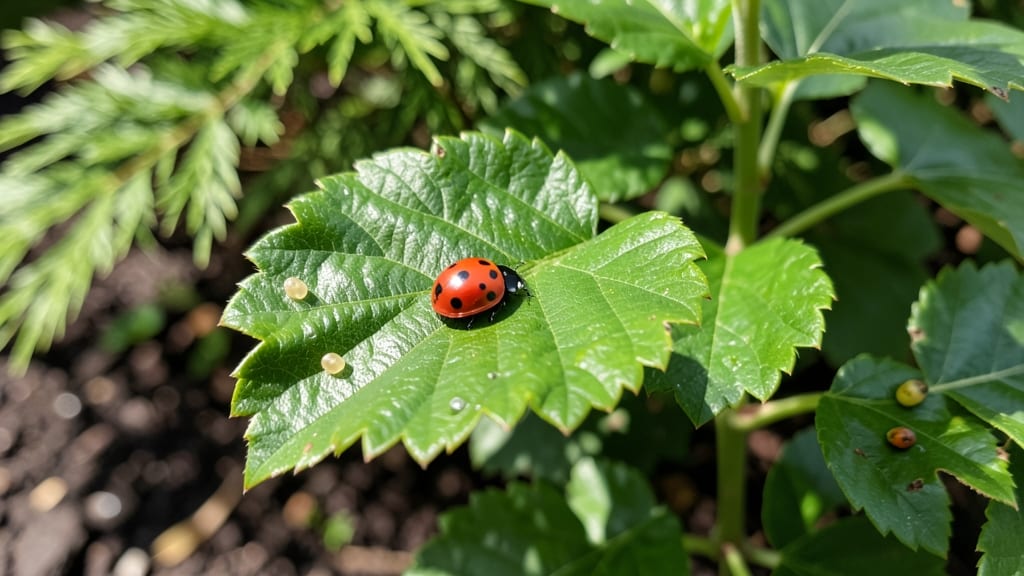
That tiny red speck on your leaf isn’t just a ladybug—it’s your garden’s secret weapon against pests. 🌿 I’ve seen firsthand how a handful of these beneficial beetles can turn an aphid-infested plant into a thriving, spotless specimen in weeks.
The key? Understanding when they’re helping and how to encourage them to stick around.
Ladybugs aren’t just cute—they’re voracious predators that devour aphids, mites, and even young caterpillars. But here’s the catch: a sudden swarm or ladybugs acting strangely (like crawling away when you touch the plant) might signal a problem.
It’s all about balance—too many can mean they’re desperate for food, which usually points to an underlying pest issue you might not see yet.
With just three simple sprays—neem oil, insecticidal soap, and a homemade garlic solution—you can create an environment where ladybugs thrive while keeping harmful pests at bay. The results? Fewer chewed leaves, no sticky residue from sap-sucking insects, and plants that look like they’ve been professionally pampered.
This approach works for vegetables, flowers, and even houseplants, making it the foolproof way to keep your garden spotless without harsh chemicals. Let’s get those ladybugs working for you!
Why it happens
Those tiny, polka-dotted guardians of your garden aren’t just randomly strolling across leaves—they’re following a carefully crafted invitation! Ladybugs, or Coccinellidae, are drawn to leaves for survival, reproduction, and feasting.
Understanding their motivations helps you harness their pest-control superpowers or, if they’re overstaying their welcome, gently encourage them to move along. Let’s break down the science behind their leafy attraction.
Ladybugs are voracious predators, and your leaves might be hosting their favorite snacks. These beneficial insects primarily target:
- Aphids: Soft-bodied, sap-sucking pests that cluster on undersides of leaves. Ladybugs see them as an all-you-can-eat salad bar. 🍽️
- Scale insects: Sticky, armored critters that drain plant sap. Ladybug larvae (not adults) are especially skilled at chomping through these stubborn invaders.
- Whiteflies and mealybugs: Tiny, winged nuisances that thrive on the undersides of leaves. Adult ladybugs will devour hundreds in a single day.
- Mites: Although less common, some ladybug species will snack on spider mites, especially when other prey is scarce.
Why it matters: If your plants are infested with these pests, ladybugs will flock to the feast. Think of it as nature’s pest-control service—just don’t expect them to stick around once the buffet is gone!
Ladybugs are cold-blooded (ectothermic) and rely on environmental cues to thrive. Leaves provide the perfect microclimate:
- Warmth: Leaves absorb and retain heat, creating cozy spots for ladybugs to bask in sunlight. They’ll often cluster on south- or west-facing leaves where temperatures are ideal for digestion and mating.
- Shade: While they love warmth, ladybugs also seek refuge from harsh midday sun or predators (like birds or spiders). Dense foliage offers both hiding spots and ambush points for hunting.
- Humidity: Leaves trap moisture, which is crucial for ladybug eggs and larvae. A damp leaf surface can be the difference between survival and dehydration.
Pro tip: 🌡️ If you’re trying to attract ladybugs, place plants with both sunlit and shaded leaves near pest-prone areas. They’ll use the sun for energy and the shade for safety.
Female ladybugs are strategic parents, and they choose leaves based on three key factors:
| Factor | Why It Matters | What to Look For |
|---|---|---|
| Prey availability | Females scout for leaves already hosting aphids or mites—their larvae need food immediately after hatching. | Sticky residue (honeydew), curled leaves, or visible pest clusters. |
| Leaf texture | Smooth, slightly hairy leaves (like those on roses or beans) provide grip for eggs and protection from wind. | Avoid waxy or overly rough leaves—they’re less attractive for oviposition. |
| Safety from predators | Females avoid leaves where birds, ants, or parasitic wasps might snack on their eggs. | Leaves on mid-height plants (3–5 feet off the ground) are often safer than ground-level or exposed ones. |
Fun fact: A single female can lay up to 1,000 eggs in her lifetime—but she’s picky about where! If you’re seeing tiny yellow-orange eggs in clusters on leaves, congratulations: you’ve got a ladybug nursery on your hands. 🐛💛
Some plants naturally attract ladybugs due to their scent or chemical composition. These botanical magnets include:
- Dill, fennel, and cilantro: Their anise-like aroma mimics the scent of aphid-infested plants, tricking ladybugs into thinking it’s a buffet.
- Marigolds and nasturtiums: These flowers produce compounds that repel pests and attract ladybugs, making them a two-for-one garden powerhouse.
- Herbs like basil and oregano: Their strong fragrances mask plant stress signals that might otherwise deter ladybugs.
Science behind it: Ladybugs use olfactory cues (smell) to navigate. Plants emitting volatile organic compounds (VOCs) like limonene or linalool are like neon signs for them. 🚦
Actionable tip: ✨ Plant these herbs or flowers near your veggies or ornamentals to create a ladybug highway. Bonus: They’ll also repel pests like squash bugs or cabbage worms!
Not all leaf visits are happy accidents. Sometimes ladybugs linger because:
- Food scarcity elsewhere: If neighboring plants lack pests, ladybugs may “camp out” on your leaves, waiting for opportunities.
- Hibernation prep: In fall, ladybugs seek sheltered spots to overwinter. Dense foliage becomes their cozy hideaway—even if it’s not their usual hunting ground.
- Pesticide displacement: If you’ve sprayed chemicals nearby, ladybugs may flee to untreated leaves, only to find no food there. They’ll stay put out of desperation.
What to do: If ladybugs are overstaying their welcome, gently relocate them to pest-heavy areas or release them in the early morning when they’re least active. 🌅
Quick Fixes for Ladybug Infestations
Now that you understand why ladybugs might be showing up on your plants, let’s tackle the solutions—fast, effective, and easy to implement. Whether you’re dealing with an occasional visitor or a full-blown invasion, these methods will help you reclaim your garden without harming beneficial insects (or your sanity).
If you spot a few ladybugs on your leaves, act fast before they multiply. Here’s how:
- 👨🍳 Shake Them Off Gently Hold a leaf over a bucket of soapy water and give it a light shake to dislodge the bugs.
Ladybugs are delicate—avoid crushing them (they release a foul odor when threatened!). - Pro Tip: Use a soft paintbrush to sweep them into a jar or container before releasing them far from your plants.
- 💦 Soapy Water Spray (Safe for Plants) Mix 1 tsp mild dish soap (like Dawn) with 1 quart of water in a spray bottle. Lightly mist the affected leaves—this won’t kill ladybugs outright but will encourage them to leave. Avoid over-spraying, as soap can harm plants in large amounts.
Ladybugs are usually harmless, but if they’re overstaying their welcome, prevent future visits with these strategies:
🌿 Natural Deterrents (Non-Toxic)
Ladybugs dislike certain scents and textures. Try these garden-friendly repellents: - 🌿 Crushed Garlic or Chili Peppers Plant garlic, chives, or hot peppers near your vulnerable plants.
The strong odor masks plant scents that attract ladybugs. - 🌿 Neem Oil Spray (Early Morning Application) Mix 1 tbsp neem oil + 1 tsp mild soap + 1 quart water. Spray only on leaves (avoid flowers to protect pollinators).
Reapply every 3–5 days for prevention. - ⚠️ Warning: Neem oil can harm beneficial insects like bees—use at dusk when they’re less active.
🏡 Physical Barriers (For Severe Cases)
If ladybugs are swarming, create a temporary shield:
- 🕷️ Row Covers or Fine Mesh Netting Drape lightweight garden netting over young plants or seedlings to block ladybugs while allowing sunlight and water through.
- 🪴 Sticky Traps (Last Resort) Place yellow sticky traps near infested plants to catch adult ladybugs. Check traps daily—they’re not selective and may trap other beneficial insects.
Instead of eradicating ladybugs completely, support their predators to maintain garden harmony:
- 🐸 Attract Frogs & Toads Add a small water feature or shady rocks to your garden—these creatures love munching on ladybugs.
- 🐝 Promote Ladybug-Eating Birds Install a bird feeder or birdhouse to invite sparrows, wrens, and robins, which feast on ladybugs.
To avoid future ladybug takeovers, follow this simple routine: ✅ Inspect plants weekly for early signs of clusters. ✅ Remove fallen leaves/debris where ladybugs hide. ✅ Water plants in the morning—damp leaves attract fewer pests. ✅ Rotate crops if growing vegetables to disrupt ladybug life cycles. ✅ Avoid over-fertilizing—lush, nutrient-rich plants attract more pests.
Final Note: Most ladybugs are harmless or even helpful (they eat aphids!). Only intervene if they’re damaging leaves or becoming a nuisance. With these methods, you’ll keep your garden lush, ladybug-free, and thriving—without harsh chemicals. 🌿✨
Frequently asked questions about ladybugs on leaves
Are ladybugs harmful to my plants?
Not usually! Ladybugs are beneficial predators that eat pests like aphids and mites. They rarely damage leaves unless they’re desperate for food (like when your plants have no pests). If you see them chewing, check for hidden infestations first—it might be a sign of an underlying problem.
Why are ladybugs suddenly swarming my garden?
Swarming often means your plants are overrun with pests (like aphids) or they’re preparing to hibernate. If it’s spring/summer, they’re likely hunting. In fall, they seek sheltered spots. Check for sticky residue (honeydew) on leaves—a dead giveaway for aphids!
How can I tell if ladybugs are helping or hurting?
Helping: They’re eating pests (look for empty aphid shells). Hurting: They’re chewing leaves or clustering in large numbers without pests nearby. A few on healthy plants? Great! Hundreds with no aphids? Time to relocate them.
Can I safely remove ladybugs from my plants?
Yes! Use a soft paintbrush or soapy water spray (1 tsp mild soap + 1 quart water) to gently dislodge them. Release them far from your garden or near pest-heavy areas. Avoid crushing them—they release a foul odor when threatened!
What plants attract ladybugs naturally?
Plant dill, fennel, marigolds, or nasturtiums** near your garden to lure them in. These act like "ladybug magnets" by mimicking pest-infested plants. Bonus: They repel other pests too! Just avoid overwatering—damp leaves can deter them.