
Neem Oil
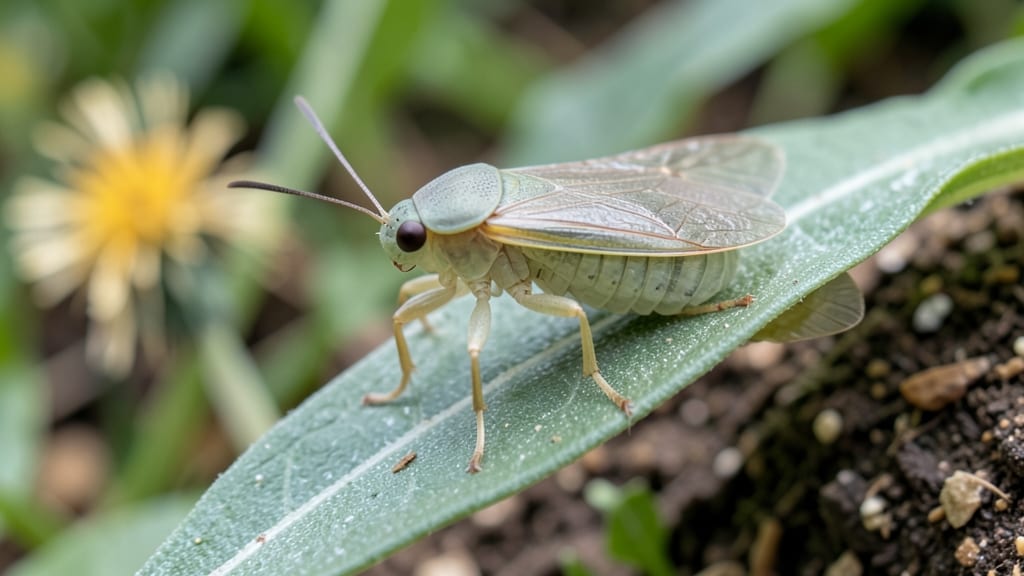
Tiny assassins are saving your garden from leafhoppers—no chemicals needed. 🌿 These leafhopper assassin bug nymphs are nature’s pest control, and once you spot them, you’ll never spray for leafhoppers again. They’re the secret weapon behind gardens that stay lush without toxic sprays.
Here’s the catch: they’re often overlooked because they’re small, fast, and blend into foliage. But these nymphs hunt relentlessly, slashing leafhopper nymphs with their curved jaws—no venom, just precision.
The more you have, the fewer leafhoppers you’ll see. My roses and beans have thrived since I stopped fighting these tiny allies.
You’ll know they’re working when leafhopper populations crash within weeks. The nymphs leave behind hollowed-out leafhopper shells—proof of their efficiency. No need for neem oil or pesticides when these predators do the job better, faster, and without harming your plants.
To attract them, plant dill, fennel, or yarrow—their favorite buffet. Avoid broad-spectrum sprays, and soon, your garden will be their hunting ground. The best part? They’re free, permanent, and get better with time.
The Hidden Drivers Behind Nymph Predation
When leafhopper assassin bug nymphs (or their adult counterparts) become the stars of your pest control strategy, their success isn’t accidental—it’s rooted in biology, behavior, and environmental cues. Understanding why these tiny predators thrive (and how they outsmart traditional chemical solutions) reveals the science behind their effectiveness.
Let’s break down the key factors that turn them into nature’s pest-control powerhouses.
Assassin bug nymphs aren’t just any predators—they’re specialized hunters with instincts finely tuned for efficiency. Their success stems from a combination of:
- Ambush Tactics: Unlike generalist predators (like spiders), assassin bug nymphs lie in wait on plant stems or leaves, using their camouflage to blend in. Their raptorial forelegs—equipped with spines and barbs—strike lightning-fast when prey (like leafhoppers) come within range. This precision hunting minimizes energy waste, making them highly efficient in controlled environments like greenhouses.
- Chemical Cues: These nymphs detect prey through olfactory signals—specifically, the volatile organic compounds (VOCs) emitted by leafhoppers when they feed or move. For example, leafhoppers release β-caryophyllene when stressed, acting like a dinner bell for assassin bugs. Pro tip: 💡 If you’re introducing nymphs to a crop, ensure the target pests are actively feeding to trigger this chemical response.
- Developmental Shift: Younger nymphs (1st–3rd instars) focus on smaller prey (e.g., aphids, mites), while later stages (4th–5th instars) hunt larger pests like leafhoppers. This staged predation ensures they don’t compete with themselves, maximizing their ecological niche.
Assassin bug nymphs don’t thrive in any environment—they require specific conditions to become effective biological control agents. Miss these, and their predation rates plummet:
| Factor | Why It Matters | Actionable Fix |
|---|---|---|
| Humidity & Moisture | Nymphs desiccate quickly in dry conditions (<60% humidity). Leafhoppers, however, prefer moderate humidity—creating a perfect overlap for predation. 🌡️ Low humidity = fewer nymphs, more pests. | Use mist systems or shade cloth in greenhouses to maintain 60–80% humidity, especially during nymph development. |
| Plant Structure | Assassin bugs hunt on textured surfaces (e.g., rough leaves, stems with hairs). Smooth leaves (like those on tomatoes) offer fewer ambush spots, reducing encounter rates with prey. | Introduce nymphs to plants with natural texture (e.g., beans, peppers, or basil) or add artificial shelters (e.g., cardboard strips) to mimic ideal hunting grounds. |
| Prey Density | A single nymph can consume 50–100 leafhoppers in its lifetime—but only if prey is abundant. Below 10–20 leafhoppers per square yard, nymphs may starve or disperse. | Monitor pest populations with sticky traps and release nymphs in phased batches to match prey availability. |
Here’s the hard truth: Traditional pesticides destroy assassin bug nymphs faster than they kill leafhoppers. Their vulnerability stems from:
- Neonicotinoids & Pyrethroids: These chemicals paralyze both pests and predators, but assassin bug nymphs lack the detox enzymes to metabolize residues. A single exposure can kill 80% of nymphs within 48 hours. ⚠️ Even "soft" pesticides like horticultural oils can suffocate them if applied directly.
- Residual Toxicity: Leafhoppers often feed on systemic pesticides (e.g., imidacloprid) stored in plant tissues. When assassin bugs consume these "poisoned" pests, the neurotoxins accumulate in their bodies, leading to delayed mortality.
- Behavioral Disruption: Some pesticides (like spinosad) alter prey movement, making leafhoppers less detectable to ambush predators. This breaks the predator-prey feedback loop.
Actionable fix: 🎯 If you must use chemicals, opt for selective insecticides (e.g., kaolin clay, azadirachtin) or neem oil, which disrupt leafhopper feeding without harming assassin bugs. Timing is critical: Apply treatments after nymphs have established (e.g., 7+ days post-release).
By leveraging these natural drivers—instinct, environment, and chemical compatibility—assassin bug nymphs don’t just control leafhoppers; they outperform synthetic alternatives. The key? Work with biology, not against it.
Effective Ways To Manage These Tiny Predators
Discovering leafhopper assassin bug nymphs in your garden or crops can be alarming, but with the right approach, you can harness their benefits while keeping their populations in check. Below are targeted solutions tailored to common causes—from overpopulation to habitat issues—along with proactive prevention tips to maintain a balanced ecosystem.
If you notice an explosion of nymphs, it’s likely due to an abundant food source (like aphids or soft-bodied insects) or ideal environmental conditions. Instead of eliminating them entirely, focus on regulating their numbers naturally.
🍳 Limit Their Food Supply
- Introduce competing predators: Ladybugs, lacewings, and parasitic wasps also feed on leafhoppers. Encourage their presence by planting neem-based companion plants (like dill, fennel, or marigolds) that attract beneficial insects.
- Reduce aphid outbreaks: Use neem oil sprays (diluted to 1-2%) on affected plants to curb aphid populations, indirectly controlling nymph overgrowth. Apply in the early morning or evening to avoid harming assassin bugs.
👨🍳 Create Alternative Habitats
- Diverse planting: Mix flower beds with native perennials and herbs to provide shelter for both assassin bugs and their prey. Avoid monocultures, which can lead to pest booms.
- Water sources: Place shallow dishes with water and pebbles near plants to support adult assassin bugs, ensuring they don’t over-predate nymphs out of desperation.
⏰ Monitor with Traps (If Necessary)
- Yellow sticky traps: Place them near leafhopper hotspots to catch adults without affecting nymphs. Check traps weekly and replace as needed.
- Pheromone traps: For severe infestations, use leafhopper-specific pheromone traps to lure and reduce adult populations before they lay more eggs.
If nymphs are struggling to thrive, it’s often due to extreme temperatures, drought, or poor shelter. Adjust conditions to support their natural lifecycle while minimizing damage to your plants.
💡 Adjust Watering Practices
- Deep but infrequent watering: Overwatering can drown nymphs, while drought stress weakens their prey. Aim for 1-1.5 inches of water per week, focusing on the root zone.
- Mulch strategically: Use organic mulch (straw or wood chips) to retain moisture and regulate soil temperature, creating a stable microclimate for nymphs.
🌿 Provide Shade and Shelter
- Partial shade: If your region experiences scorching heat, use light shade cloth over vulnerable plants to protect nymphs from heat stress.
- Ground cover: Plant low-growing ground covers (like clover or creeping thyme) to offer hiding spots for nymphs and their prey.
✨ Avoid Chemical Interference
- Skip broad-spectrum pesticides: Neonicotinoids and pyrethroids can kill assassin bug nymphs along with pests. Instead, opt for targeted neem oil treatments or soapy water sprays for soft-bodied insects.
- Test sprays first: Always spot-test any treatment on a small plant area to ensure it doesn’t harm beneficial insects.
Preventing issues before they start is the most sustainable approach. Here’s how to keep assassin bug nymphs working for you, not against you.
📊 Rotate Plantings
- Crop rotation: Avoid planting the same crops year after year, as this can lead to buildups of specific pests (and their predators). Rotate with neem-treated resistant varieties when possible.
💪 Encourage Biodiversity
- Wildflower strips: Dedicate a section of your garden to native wildflowers to attract a variety of pollinators and predators, creating a natural checks-and-balances system.
- Leave some “wild” areas: Avoid tidying up every leaf and twig—these provide shelter for assassin bug nymphs and other beneficial insects.
🍎 Use Neem Proactively
- Foliar sprays: Apply neem oil as a preventive measure every 4-6 weeks during peak growing seasons. It deters pests while being low-toxicity for assassin bugs.
- Seed treatment: Treat seeds with neem cake before planting to reduce early-season pest pressure, giving nymphs a healthier environment to thrive.
By addressing the root causes—whether it’s food availability, environmental stress, or chemical interference—you can ensure that leafhopper assassin bug nymphs remain a powerful tool in your chemical-free pest control arsenal.
With these strategies, your garden will stay balanced, productive, and teeming with natural predators doing the hard work for you! 🌱🐞
Frequently asked questions
How can I tell if assassin bug nymphs are actually helping my garden?
Look for empty leafhopper shells on your plants—these are left behind after nymphs inject their prey with digestive enzymes. You’ll also notice fewer leafhoppers on new growth and less honeydew buildup. A healthy population of nymphs means 10-20% fewer pests within 2-3 weeks of establishment.
Are assassin bug nymphs safe around pets and children?
Yes, they’re completely harmless to humans and pets. While adult assassin bugs can deliver a painful bite if provoked, nymphs are too small to pierce skin. They only attack soft-bodied pests like leafhoppers, aphids, and mites. Never handle them with bare hands, but they won’t seek out people or animals.
What should I do if I accidentally killed some nymphs with a pesticide?
Don’t panic—introduce more! Order additional nymphs from a reputable supplier or create a habitat in your garden with dill, fennel, or yarrow to attract wild populations. Avoid broad-spectrum pesticides for at least 30 days to give survivors time to reproduce. Even a small colony can quickly rebound if food sources remain abundant.
Can I raise assassin bug nymphs from eggs in my garden?
It’s tricky but possible! Collect eggs from wild adults (they look like tiny white beads on plant stems) and place them in a humidity-controlled container with mesh sides. Keep them at 70-80% humidity and feed newly hatched nymphs with aphids until they’re large enough to hunt leafhoppers. Success rates improve with consistent 12-hour light cycles and temperatures between 75-85°F.
Why aren’t my nymphs controlling leafhoppers in my greenhouse?
Greenhouses often have low humidity (<60%) or smooth-surfaced plants that limit ambush opportunities. Install a mist system and add textured plants like beans or peppers. Also check for chemical residues—even old pesticide traces can repel nymphs. Release them near active leafhopper colonies rather than spreading them too thin.