
Pruning
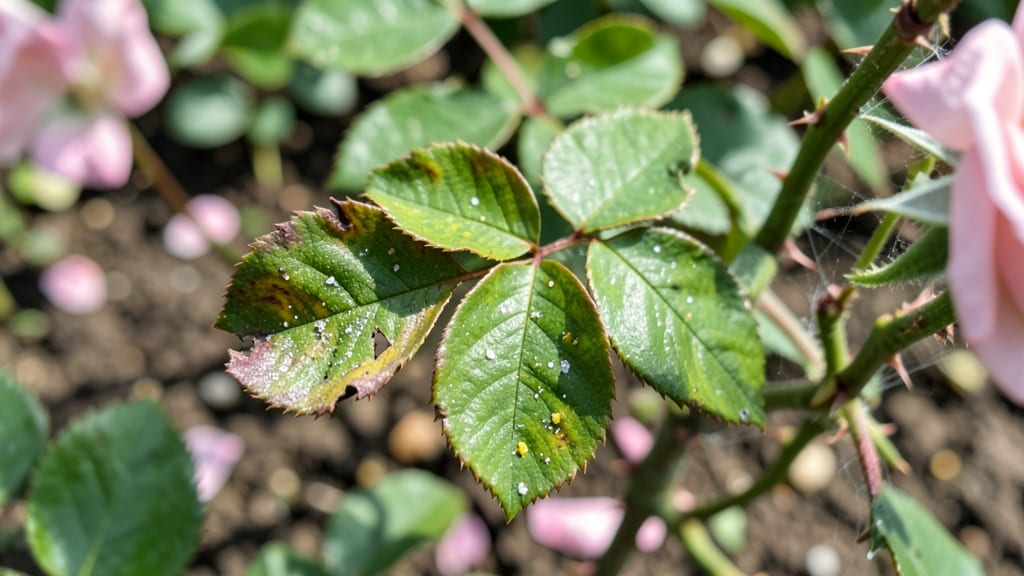
Leafhopper damage on roses turns your lush blooms into skeletons overnight—tiny specks, curled leaves, and sticky residue that feels like a gardening crime scene. 🌿 I’ve seen roses go from showstopper to sad in just a week, and the good news is you can bring them back with three simple steps that actually work.
The culprits are those 1/8-inch hoppers that suck sap, leaving behind honeydew that attracts sooty mold. They thrive in hot, dry weather, so if your roses look like they’ve been hit by a spray of confetti mixed with mold, leafhoppers are likely the culprits.
The damage isn’t just unsightly—it weakens the plant, reducing blooms and stunting growth. Start with a strong blast of water to knock them off, then apply neem oil or insecticidal soap—these disrupt their life cycle without harming bees. Repeat every 5-7 days until you see new, healthy growth.
The key is consistency; one treatment won’t do the trick, but three applications usually send them packing for good. Prevention is easier than cure: mulch heavily, attract ladybugs and lacewings (their natural predators), and avoid over-fertilizing with nitrogen.
If the infestation is severe or persistent, consider calling a local extension service—they’ll help you decide if professional intervention is needed.
Root Causes Of Rose Leafhopper Attacks
Leafhoppers don’t just appear out of nowhere—they’re drawn to roses by a mix of environmental factors, plant health, and even human habits. Understanding these triggers helps you prevent (not just treat) their damage. Here’s why your roses become a leafhopper buffet:
Healthy roses are resilient, but stressed plants are leafhopper magnets. These tiny insects target roses that are:
- Nutrient-deficient: Roses lacking nitrogen, phosphorus, or potassium (NPK) produce weak, sugary sap—leafhoppers’ favorite snack. Think of it like a fast-food joint for bugs.
- Water-stressed: Overwatering or drought weakens cell walls, making sap easier to extract. Leafhoppers thrive in 50–80% humidity, so soggy soil or dry spells create the perfect storm.
- Overpruned or root-bound: Aggressive pruning or crowded roots reduce a rose’s ability to fight off pests. Pro tip: Prune in late winter (🌿) and avoid cutting into old wood—leafhoppers hide in crevices!
Leafhoppers love dense foliage because it shields them from predators (like ladybugs) and makes spotting them harder. Key culprits:
- Thick, unpruned roses: Bushes with tangled canes provide microclimates where humidity and temperature stay ideal for leafhoppers to breed.
- Adjacent weeds or ground covers: Plants like clover or creeping charlie host aphids—leafhoppers’ first meal—before moving to roses. Weed control = fewer leafhoppers!
- Low sunlight exposure: Shady areas slow rose growth, making them easier targets. Leafhoppers prefer partial sun (6+ hours/day) where roses are lush but not overgrown.
Leafhoppers are cold-blooded—they’re most active when temperatures rise. Here’s how weather plays a role:
| Condition | Why It Attracts Leafhoppers | Actionable Fix |
|---|---|---|
| 🌞 Warm springs (60–85°F) | Accelerates their life cycle (egg → nymph → adult in 3–4 weeks). | Monitor roses weekly in spring; use reflective mulch to deter them. |
| 💨 Light winds (5–10 mph) | Blows adults to new rose bushes, spreading damage faster. | Install windbreaks (like tall grasses) to disrupt their flight paths. |
| 🌧️ Sudden rain after drought | Washes away natural predators (e.g., lacewings) and flushes eggs into soil. | Apply neem oil post-rain to create a protective barrier. |
Even well-meaning gardening practices can invite leafhoppers. Avoid these mistakes:
- Over-fertilizing with high nitrogen: Soft, sappy growth is a leafhopper’s dream. Use a balanced 10-10-10 fertilizer instead.
- Ignoring early signs: Tiny white specks (frass) or curled leaves? That’s leafhopper poop and saliva. Act fast—nymphs hide under leaves!
- Skipping seasonal cleanup: Old rose canes or fallen leaves harbor overwintering eggs. Rake and compost in fall to break the cycle.
Now that you know the “why,” the next step is stopping leafhoppers before they strike. (Hint: It starts with a simple spray!)
Quick Fixes for Leafhopper Havoc
Leafhoppers may seem like tiny troublemakers, but with the right approach, you can restore your roses to their former glory—and keep them thriving. The key is to tackle the problem early and preventively.
Below, we’ve mapped out practical, step-by-step solutions tailored to the root causes of leafhopper damage, plus pro tips to stop them in their tracks before they return.
Cause: Early-stage infestation (leafhoppers feeding on sap, injecting toxins). Fix: Isolate and Flush Them Out
- 👨🍳 Inspect & Quarantine
- Examine your roses (and nearby plants!) for tiny, wedge-shaped insects (¼-inch long) or honeydew residue (sticky, black sooty mold).
- Remove heavily infested leaves by hand (drop them in soapy water—never compost them!).
- 💦 Blast Them Away
- Use a strong stream of water from a hose to knock leafhoppers off stems and leaves. Do this early morning when they’re sluggish.
- Repeat every 3–4 days for 2 weeks to break their life cycle.
- 🌿 Boost Plant Resilience
- Fertilize with compost or balanced rose food (high in phosphorus) to strengthen growth and deter pests.
- Prune lightly to improve airflow—leafhoppers love crowded, stressed plants.
Cause: Advanced feeding + honeydew buildup (sooty mold blocks sunlight). Fix: Deep Clean & Disrupt Their Habitat
- 🧼 Scrub Off Sooty Mold
- Mix 1 tbsp mild dish soap + 1 gallon water in a spray bottle.
- Gently wipe leaves with a soft cloth or sponge (avoid harsh scrubbing—roses are delicate!).
- For stubborn mold, spray the solution and rinse after 10 minutes.
- 🕷️ Introduce Natural Predators
- Ladybugs, lacewings, or parasitic wasps (like Anagrus epos) love leafhoppers. Buy them online or attract them with:
- Dill, fennel, or yarrow planted nearby (their favorite snacks).
- A shallow water dish with pebbles (to keep ladybugs hydrated).
- Ladybugs, lacewings, or parasitic wasps (like Anagrus epos) love leafhoppers. Buy them online or attract them with:
- 🔪 Prune Strategically
- Cut back severely damaged branches (1/3 of the plant max) to reduce hiding spots.
- Sterilize pruners with rubbing alcohol to avoid spreading disease.
Cause: Persistent infestation or poor garden hygiene. Fix: Chemical & Cultural Barriers
- 💡 Use Targeted Sprays (When Needed) - Neem oil (organic): Mix 1 tbsp neem oil + 1 tsp mild soap + 1 quart water.
Spray evenly (including undersides of leaves) every 5–7 days for 3 weeks. - Insecticidal soap (for severe cases): Follow label instructions—reapply after rain. - ⚠️ Avoid systemic pesticides (like imidacloprid) unless absolutely necessary—they can harm bees and beneficial insects.
- 🌱 Prevent Reinvasion
- Remove weeds (leafhoppers love them!) from your garden beds.
- Mulch heavily (2–3 inches of wood chips) to disrupt their egg-laying sites.
- Rotate plantings: Avoid planting roses in the same spot year after year—leafhoppers return to familiar territory.
- 💡 Early Morning Patrols: Check roses before 9 AM—leafhoppers are slow then and easier to spot.
- 🌡️ Heat Trap: Place a yellow sticky trap near roses—leafhoppers are attracted to the color.
- 🎯 Companion Planting: Surround roses with garlic, chives, or marigolds—their strong scents repel leafhoppers.
- 🌿 Soil Health: Aerate soil annually—healthy roots = stronger plants that bounce back faster.
Final Note: Patience is key! Leafhoppers can take 4–6 weeks to fully eradicate, but with consistent action, your roses will rebound lush and leafhopper-free. 🌹💪
Frequently asked questions
How do I tell if my roses have leafhopper damage?
Look for tiny white specks (frass) on leaves, curled or yellowing foliage, and sticky honeydew residue that attracts sooty mold. Leafhoppers also leave behind a "stippled" pattern where they've fed on the leaf surface. Check the undersides of leaves—they're prime hiding spots!
Will leafhoppers kill my rose bushes?
While they won't kill healthy roses outright, severe infestations can weaken plants by sapping nutrients and blocking sunlight with sooty mold. Over time, this stress reduces blooms and stunts growth. Act quickly—most damage is reversible with proper treatment within 4-6 weeks.
Can I use homemade sprays instead of store-bought solutions?
Yes! A simple neem oil spray (1 tbsp oil + 1 tsp mild soap + 1 quart water) works well. For immediate relief, try a garlic spray (blend 1 cup garlic + 1 quart water, strain, and add 1 tsp soap). Reapply every 5-7 days until you see improvement.
Why do leafhoppers keep coming back after treatment?
They often return due to untreated nearby plants (weeds host them too!) or new adults migrating in. Break the cycle by removing all infested plants within 50 feet, mulching heavily, and introducing natural predators like ladybugs. Consistency is key—treat every 7-10 days for 3 weeks.
Is it safe to use insecticides on roses in bloom?
Use caution! Systemic pesticides can harm bees, while contact sprays may damage petals. Opt for neem oil or insecticidal soap during bloom, and always apply afternoon sprays when bees are less active. Avoid treating when roses are in full bloom if possible.