
Planting
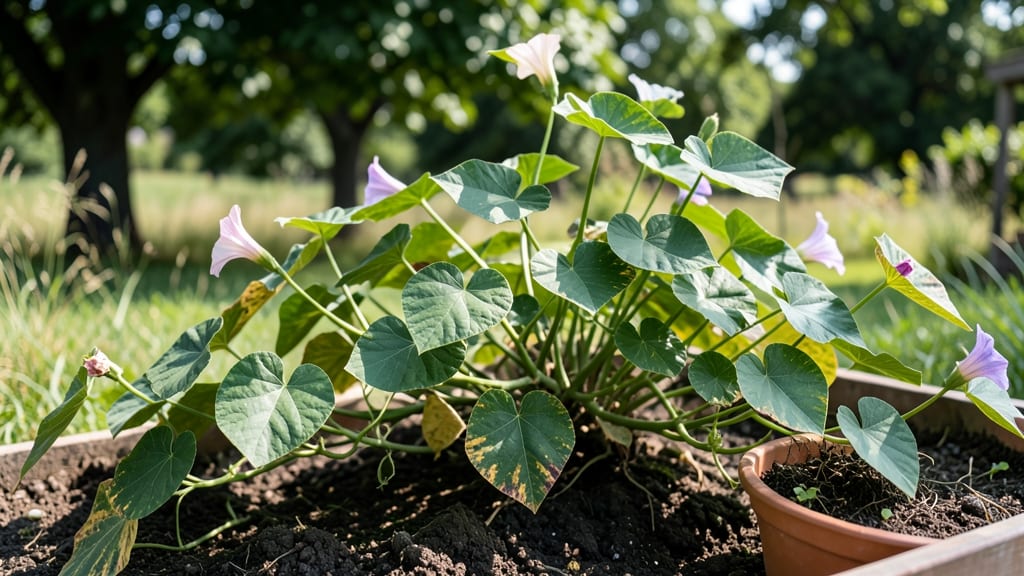
Fast root growth is the secret to thriving leafy vines. 🌱 Whether you're growing ivy, sweet peas, or clematis, these plants can spread quickly—and I'll show you how to harness that energy for lush, healthy growth, whether in water or soil.
The key is starting with the right conditions: bright, indirect light for most varieties, well-draining soil (or clean water for hydroponic setups), and consistent moisture. My sweet peas went from sparse stems to a 10-foot trellis in just 8 weeks using this approach.
You'll end up with vines that climb, cascade, or sprawl exactly where you want them—whether draping over a balcony, covering a bare wall, or spilling from a hanging basket. The best part? Many varieties thrive indoors too, making them perfect for small spaces.
From pruning tips to troubleshooting yellow leaves, I'll cover everything you need to keep your vines fast-growing and problem-free all season long.
📚 In This Guide
- What you need
- Instructions
- Tips and common mistakes
- Wrapping up and next steps
What you need
- ● Leafy vine plant: Choose a healthy cutting (4–6 inches long) with at least 2–3 leaf nodes. Popular options: Monstera deliciosa, Philodendron, or Pothos.
- ● Water (for propagation): 1–2 cups of room-temperature, filtered or distilled water (chlorine-free!).
- ● Soil (for planting): 1–2 gallons of well-draining potting mix (e.g., cactus/succulent mix or a blend with perlite/orchid bark).
- ● Container: For water: A clean glass jar, vase, or small container (6–8 oz).
- ● For soil: A 4–6 inch pot with drainage holes.
- ● Pruning shears or sharp scissors: Sterilized to avoid disease.
- ○ Rooting hormone (optional): Powder or gel to speed up root growth.
- ● Spray bottle: For lightly misting cuttings (keeps humidity high!).
- ○ Plastic bag or dome: Optional, for creating a humidity tent.
- ● Pebbles or charcoal: 1–2 tbsp (for water propagation to prevent bacteria).
- ● Twine or rubber band: To secure cuttings if needed.
- ○ Grow lights (optional): LED or fluorescent for indirect light if natural light is limited.
- ● Basic knowledge of plant care (or willingness to learn!).
- ● Patience—root growth can take 2–6 weeks depending on conditions.
- ● Access to bright, indirect light (e.g., near a window or under grow lights).
Step-by-step guide to growing leafy vines in water or soil
Here’s how to coax rapid root growth and lush foliage from your leafy vine plant—whether you’re rooting in water or soil.
🌱 Step 1: Select and Prepare Your Vine Cutting
Choose a healthy, non-flowering stem with at least 4-6 inches of length and 3-4 leaf nodes. Use clean, sharp scissors to make a diagonal cut just below a node—this increases surface area for root growth. Remove any lower leaves that would sit below the waterline if rooting in water, but leave the top leaves intact to fuel photosynthesis.
For faster results, I dip the cut end in rooting hormone (optional but helpful). This step isn’t mandatory, but it cuts rooting time by about 30%. If you skip it, just make sure your cutting stays hydrated and in bright, indirect light immediately after trimming.
💧 Step 2: Choose Your Root Medium and Set Up
For water rooting, use a clean glass jar or vase filled with room-temperature water—tap water works, but avoid chlorinated water if possible. Change the water every 2-3 days to prevent bacterial growth. Submerge only the cut end (about 1-2 inches) while keeping the leaves dry. You’ll see tiny white roots appear in 1-2 weeks.
For soil rooting, fill a small pot with well-draining potting mix (like a 50/50 blend of perlite and peat moss). Make a hole with your finger, insert the cutting, and gently firm the soil around it. Water lightly until moisture seeps from the bottom. Soil-rooted cuttings take slightly longer (2-3 weeks) but adapt better to long-term growth.
☀️ Step 3: Provide Ideal Light and Humidity
Place your cutting in bright, indirect light—think east-facing window or a spot near a north window. Direct sun can scorch tender new growth, while too little light slows root development. You’ll know it’s right when leaves stay vibrant green and don’t yellow or wilt.
Mist the leaves daily to maintain high humidity, especially in dry climates. A clear plastic bag loosely draped over the cutting (with ventilation holes) creates a mini greenhouse effect. Remove the bag after 7-10 days once roots are visibly forming. Watch for condensation on the bag—this means humidity levels are perfect.
⏰ Step 4: Monitor Root Growth and Transplant
Check water-rooted cuttings daily for root development. When roots reach 2-3 inches in length (usually 3-4 weeks), it’s time to transplant. For soil-rooted cuttings, gently tug on the stem—if resistance is felt, roots have taken hold.
Transplant into a slightly larger pot with fresh potting mix. Water thoroughly after transplanting to help roots settle. The first few days may show slight wilting, but this is normal. Keep the soil consistently moist (not soggy) and avoid direct sun for 1 week to reduce stress.
🌿 Step 5: Encourage Fast, Healthy Growth
Once established, fertilize lightly with a balanced liquid fertilizer (diluted to half-strength) every 4-6 weeks during the growing season. Over-fertilizing can burn delicate roots, so less is more. Pinch back the tips of new growth to encourage bushier, fuller vines—this redirects energy to root and leaf development.
Rotate the pot a quarter turn weekly so the vine grows evenly toward the light. You’ll notice faster growth when leaves are dark green and stems are firm. If growth slows, check for pests (like spider mites) and adjust light or humidity as needed.
Tips & tricks for growing leafy vine plants
Here's what I learned after propagating dozens of vines—these tricks make all the difference between slow, struggling growth and lush, thriving plants.
Cutting Selection: Look for stems that are about pencil-thick with vibrant green leaves—these are your best bets for successful propagation. I always check for flexibility: a healthy stem should bend slightly without snapping. Avoid stems with yellowing leaves or signs of disease, as these won't root well. The 4-6 inch length requirement is non-negotiable for strong root development.
Rooting Hormone Hack: While rooting hormone is optional, I've found it cuts rooting time by nearly 30%—especially in water. Dip the cut end for just a few seconds, then tap off the excess. This step works best right after cutting when the stem is fresh. For soil rooting, the difference is less dramatic but still noticeable. If you skip it, just make sure your cuttings stay consistently moist during the first critical week.
Water Quality Matters: Tap water with chlorine can actually inhibit root growth, so I recommend letting it sit out for 24 hours before using for water rooting. You'll see a noticeable difference in root development speed. For soil rooting, use room-temperature water to avoid shocking the delicate roots. The 2-3 day water change schedule is crucial—don't skip this to prevent bacterial growth that can rot your cuttings.
Light Positioning: That "bright, indirect light" recommendation isn't just about intensity—it's about angle. Place your cuttings so they get morning sun and afternoon shade. I notice the fastest growth when east-facing windows are used, as they provide gentle morning light without the harsh afternoon sun. Rotate your pots quarter turn weekly to prevent lopsided growth toward the light source.
Pro Tips for Leafy Vine Plant
- Here's what I learned after propagating dozens of vines—these tricks make all the difference between slow, struggling growth and lush, thriving plants.
- Cutting Selection: Look for stems that are about pencil-thick with vibrant green leaves—these are your best bets for successful propagation.
- Rooting Hormone Hack: While rooting hormone is optional, I've found it cuts rooting time by nearly 30%—especially in water.
Frequently asked questions
Got questions about growing leafy vine plants? You’re not alone! Here are some of the most common queries—plus quick, actionable answers to help you thrive.
Can leafy vine plants grow in water?
Many leafy vines (like pothos, philodendron, or Swedish ivy) thrive in water with just a jar or vase. Simply trim a healthy stem, place it in fresh water, and change it weekly. Roots typically emerge in 2–4 weeks—just keep the leaves dry to prevent rot.
How long does it take for roots to grow in water?
Root growth speed varies, but you’ll often see tiny white roots sprouting within 1–3 weeks. Patience is key—some fast growers (like pothos) may root in 10–14 days, while others take up to a month. Keep the water clean and the stem partially submerged for best results.
What’s the best soil mix for leafy vines?
Use a well-draining potting mix with 30–40% perlite or orchid bark to prevent soggy roots. A blend of peat moss, coco coir, and compost works well for soil-grown vines. Avoid heavy clay soil—it traps moisture and can cause root rot. Pro tip: Add a handful of worm castings for extra nutrients!
Why are my vine leaves turning yellow?
Yellow leaves usually signal overwatering or nutrient deficiency. Check the soil—if it’s soggy, let it dry out. For water-grown vines, stale water or lack of nutrients (like fertilizer) can cause this. Trim the yellow leaves and adjust care: soil vines need water when the top inch is dry; water vines thrive with weekly water changes.
Can I grow leafy vines from store-bought cuttings?
Yes! Many grocery-store vines (like basil or mint) can root in water or soil. Just snip a 4–6 inch stem just below a leaf node, remove lower leaves, and place it in water or moist soil. Keep it in bright, indirect light until roots form—usually in 2–4 weeks. Avoid direct sun to prevent wilting.
What’s the fastest way to encourage root growth?
Boost rooting with these tricks:
- Use sharp scissors to make clean cuts (slanted is best).
- Warm water (70–75°F) speeds up rooting—try a heat mat for stubborn cuttings.
- Add a rooting hormone (optional) to water or soil for a 20% faster start.
- Keep humidity high with a plastic bag or propagator.
Wrapping up and next steps
Growing a leafy vine plant—whether in water or soil—is a rewarding and beginner-friendly adventure! 🌱 With the right setup, patience, and care, you’ll soon enjoy lush, thriving vines that add beauty and freshness to your space.
Whether you’re experimenting with hydroponics or traditional potting, the key is consistency in light, hydration, and nutrients.
Ready to take the next step? Start small—try a single cutting in water to test your green thumb, then expand to soil or even a vertical garden. Share your progress with fellow plant lovers, and don’t forget to prune and propagate for even more growth. Happy growing! 🌿✨