
Vegetables
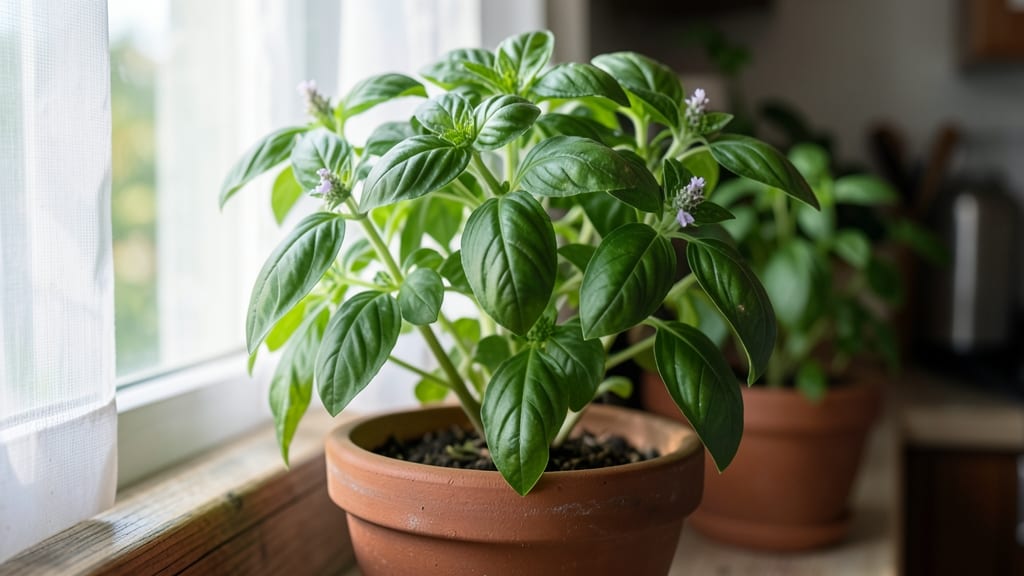
Growing lettuce leaf basil transforms your kitchen into a fragrant herb garden with broad, tender leaves perfect for salads and pesto. 🌿 I’ve grown it for years—it thrives where other basils fail, and its mild, slightly sweet flavor makes it a standout.
The secret? Light, consistent water, and knowing when to pinch those leaves for continuous harvests.
This basil loves bright light—at least 6 hours of sun daily—but tolerates partial shade better than traditional basil. Use well-draining potting mix (or garden soil amended with compost) and keep it moist but never soggy.
Seeds sprout in 7–14 days, while seedlings hit the ground running in 4–6 weeks—ideal for spring or fall planting.
Harvest by snipping the outer leaves when they’re 3–4 inches tall, leaving the center intact. Prune regularly to encourage bushier growth, and watch it rebound faster than you’d expect. The leaves stay tender longer than Genovese basil, making them perfect for fresh eating or drying.
Frost kills it quickly, so move pots indoors or under grow lights in winter. Pair it with tomatoes, peppers, or cucumbers to repel pests naturally—just avoid planting near rue, which stunts its growth. With minimal effort, you’ll have a year-round supply of this versatile, zero-fuss herb.
📚 In This Guide
- What you need
- Instructions
- Tips and common mistakes
- Wrapping up and next steps
What you need
- ● Lettuce leaf basil seeds: 1 packet (about 50-100 seeds) – look for organic, non-GMO seeds for the best results.
- ● Growing containers: Option 1: 6-inch pots (2-3 pots for a small harvest)
- ● Option 2: Window herb garden kit (with individual cells)
- ● Option 3: Hanging baskets (with drainage holes, 8+ inches deep)
- ● High-quality potting mix: 2-3 bags (sterile, well-draining mix—avoid garden soil). Pro tip: Mix in perlite or vermiculite (10% of the total volume) for extra aeration!
- ● Seeding trays or biodegradable pots: (if starting indoors or for transplanting)
- ● Spray bottle (for gentle watering)
- ● Small hand trowel (for transplanting)
- ● Grow lights or sunny windowsill: 6+ hours of bright, indirect light daily (south-facing window or LED grow lights work best).
- ● Fertilizer: Balanced liquid fertilizer (5-5-5 or 10-10-10, diluted to half-strength) or organic options like fish emulsion.
- ● Pruning shears (for harvesting and shaping)
- ● Self-watering planters (to maintain consistent moisture)
- ● Herb companion plants: Try thyme, oregano, or chives in the same pot for pest control!
- ● Drip irrigation kit (for larger setups)
- ● Humidity dome (to retain moisture during germination)
Step-by-step instructions for growing lettuce leaf basil
Here's how I grow this tender, fast-growing basil variety—no fuss, just flavor.
🌱 Step 1: Choose the Right Containers and Soil Mix
Lettuce leaf basil thrives in 6-inch deep containers with drainage holes. I use terracotta pots because they wick away excess moisture—this variety hates soggy roots. Fill each with a lightweight potting mix blended with 20% perlite for extra drainage. The mix should feel like a damp sponge when squeezed.
Don't use garden soil—it compacts and suffocates basil roots. I like to add a handful of compost to each pot for extra nutrients. Press the soil down gently after filling, but don't pack it too tightly. The surface should be level and about 1 inch below the pot's rim—this prevents water from spilling when you water.
🌿 Step 2: Plant Seeds or Transplants Correctly
For seeds, plant 2-3 seeds per pot at a depth of ¼ inch. Sowing too deep delays germination. Cover lightly with a sprinkle of additional mix. If using transplants, dig a hole the same depth as the root ball and place the plant gently, then fill around it with soil.
I always thin seedlings to the strongest plant after germination. Watch for the first true leaves—those are the little oval leaves that appear after the initial seed leaves. Once you see them, snip the weaker stems at the base with clean scissors. This prevents crowding and gives your basil room to grow.
☀️ Step 3: Provide Consistent Light and Water
Lettuce leaf basil needs 6-8 hours of sunlight daily. A south-facing window works, but I supplement with a grow light in winter. Keep the light 4-6 inches above the plants and raise it as they grow. Without enough light, stems grow leggy and pale—you'll see them stretching toward the window like they're searching for more sun.
Water when the top inch of soil feels dry. Stick your finger in the soil to check—it should feel moist but not wet. I water at the base rather than from above to prevent fungal diseases. Let excess water drain completely; basil roots rot easily if they sit in water.
✂️ Step 4: Prune for Continuous Harvest
The secret to year-round harvest is regular pruning. Once your plant reaches 6 inches tall, pinch off the top set of leaves with your fingers. This encourages bushier growth. I harvest the outer leaves first—never take more than ⅓ of the plant at once. This keeps production going while the plant recovers.
Watch for flowers—if you see buds forming, snip them immediately. Flowering signals the end of the plant's productive life. Pruning also prevents the plant from getting leggy. You'll see new growth sprout from the sides within 1-2 weeks of pruning, and the plant will stay compact and productive.
🪴 Step 5: Maintain Through Seasons
In summer, basil thrives outdoors but needs afternoon shade in hot climates. Bring pots inside before temperatures drop below 50°F—cold snaps kill lettuce leaf basil. I keep mine on a sunny windowsill or under grow lights during winter.
Fertilize lightly every 4-6 weeks with a balanced liquid fertilizer. Too much nitrogen makes leaves grow fast but reduces flavor. I use half-strength fertilizer to avoid burning the roots. With consistent care, your basil will keep producing tender leaves for months—no replanting needed!
Tips & tricks for perfect lettuce leaf basil growth
These simple strategies will help you avoid common pitfalls and maximize your basil's flavor and productivity.
Container Selection: While terracotta pots are ideal, any container with drainage holes works—just ensure it's at least 6 inches deep. I've successfully grown lettuce leaf basil in plastic nursery pots and even repurposed yogurt containers with drainage holes drilled in the bottom. The key is preventing waterlogged soil, which causes root rot. If using fabric pots, make sure they're made specifically for herbs—they dry out faster but need more frequent watering.
Lighting Hacks: The 6-8 hours of sunlight requirement can be tricky in apartments. I place my basil on a kitchen counter near the window during the day, then move it under a simple LED grow light at night. For winter growing, a basic 12-inch fluorescent bulb on a timer works perfectly—just keep it 4-6 inches above the plants and run it for 12 hours daily. You'll notice the leaves stay vibrant green instead of turning yellow and leggy when light is insufficient.
Watering Wisdom: The finger-check method for watering is foolproof, but here's a pro trick: I use a spray bottle to mist the leaves lightly in the morning. This mimics natural dew and helps prevent fungal diseases like powdery mildew. Just avoid getting water on the leaves in the evening—wet foliage overnight invites problems. Also, always water at the base rather than overhead to keep the leaves dry and healthy.
Pro Tips for Lettuce Leaf Basil
- These simple strategies will help you avoid common pitfalls and maximize your basil's flavor and productivity.
- Container Selection: While terracotta pots are ideal, any container with drainage holes works—just ensure it's at least 6 inches deep.
- Lighting Hacks: The 6-8 hours of sunlight requirement can be tricky in apartments.
Frequently asked questions
How long does it take for lettuce leaf basil to grow?
Lettuce leaf basil is a speedy grower! You’ll see tender leaves in 4–6 weeks from seed, depending on conditions. If starting with seedlings, expect harvestable leaves in 2–3 weeks. Pinch off flowers to keep the plant producing lush, flavorful leaves longer.
Can lettuce leaf basil survive winter?
This basil thrives in cooler temps (down to 25–30°F), making it perfect for year-round harvests in mild climates. For colder regions, grow it in containers and move indoors near a sunny window or under grow lights. Mulch heavily to protect roots from frost.
What if my lettuce leaf basil turns yellow?
Yellowing leaves often signal overwatering or nutrient deficiency. Let soil dry slightly between waterings, and fertilize lightly with a balanced liquid fertilizer (like 10-10-10) every 4–6 weeks. Check for pests like aphids—spray with soapy water if needed.
How is lettuce leaf basil different from regular basil?
Lettuce leaf basil has broad, tender leaves (like romaine) and a milder, sweeter flavor than classic Genovese or Thai basil. It’s perfect for salads, pesto, or garnishes—no bitterness! It also stays compact, making it ideal for small spaces or container gardening.
Can I grow lettuce leaf basil indoors?
Place it near a south-facing window (6+ hours of sunlight daily) or use a grow light 12–14 hours/day. Use well-draining pots with holes, and rotate the plant weekly for even growth. Mist leaves occasionally to boost humidity—this basil loves it!
What can I do if my lettuce leaf basil bolts?
Bolting (sending up flower stalks) happens when it gets too hot or stressed. Harvest leaves aggressively to delay flowering, or replant seeds every 2–3 weeks for a continuous supply. If it bolts, snip the flowers to redirect energy back to the leaves—you’ll still get flavor!
Wrapping up and next steps
Growing lettuce leaf basil is a rewarding journey—packed with flavor, minimal fuss, and year-round harvests! Whether you’re a seasoned gardener or just starting out, its adaptability and fast growth make it a perfect addition to your kitchen or balcony. 🌱
Ready to dive in? Start by gathering your supplies, pick the perfect spot, and follow the simple steps to nurture your plants. With a little patience and care, you’ll soon be enjoying fresh, vibrant basil in your favorite dishes and home remedies. Happy growing!