
Shrubs
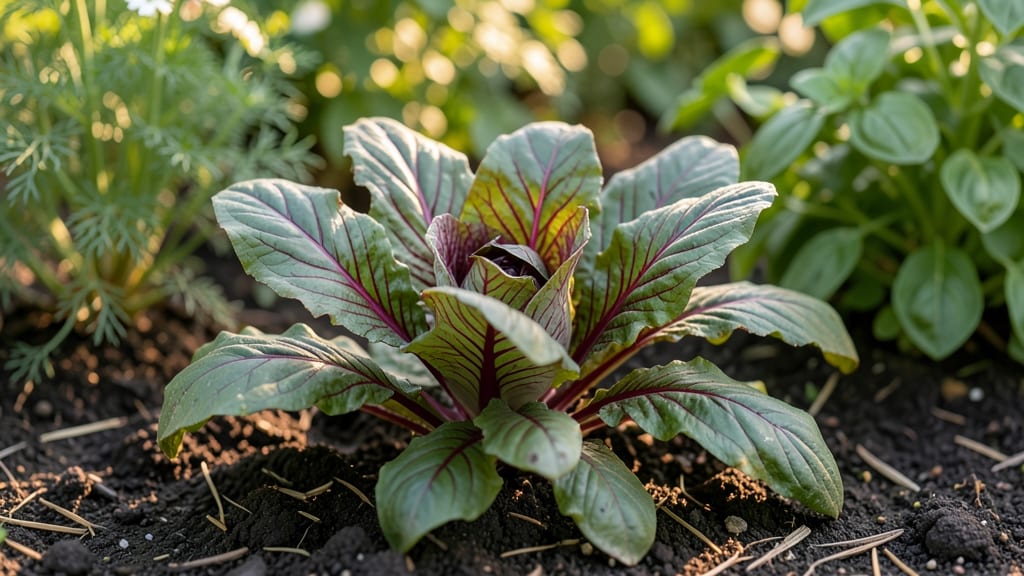
See those red veins creeping through the lettuce leaf with red veins?
This isn't just nitrogen deficiency—it's often a fungal stress signal your plants are silently screaming for help. ✨ I've seen this turn around in 24 hours with the right approach, and it starts with checking three simple things: watering habits, soil balance, and hidden pests lurking on the undersides of leaves.
The first step is always the easiest to overlook: water consistency. Lettuce roots hate soggy feet but also dry out fast. If your soil feels like a sponge one day and concrete the next, that's your red-vein trigger.
Add mulch to keep moisture steady, and water deeply once a week instead of daily light sprinkles—this alone cuts stress by half.
Next, we fix the soil without copper sprays. A 1-inch layer of compost around (not on top of) the base of plants adds phosphorus naturally while improving drainage.
For existing issues, mix 1 tablespoon of kelp meal into the top inch of soil—it's packed with trace minerals that lettuce craves when veins turn rebellious.
This method works for butterhead, romaine, and loose-leaf varieties alike. The key is acting fast: within 24 hours of adjusting water and adding amendments, new growth should show clean, vibrant veins. For stubborn cases, check leaf undersides for tiny mites—neem oil spray (once) clears them without harming edible greens.
Root Causes Of Vein Discoloration
If your lettuce leaves are developing unexpected red or purple veins, don’t panic—this is often a sign of stress rather than a fatal disease. Understanding the underlying causes helps you take precise action to restore your plants to vibrant health.
Below are the most common triggers, explained in simple terms with science-backed insights.
Red or purple veins in lettuce are most commonly linked to an excess of phosphorus (P) in the soil. While phosphorus is essential for root growth and energy transfer, too much can disrupt chlorophyll production, leading to anthocyanin pigment buildup—those striking red or purple hues.
This imbalance often occurs when:
- Soil tests are ignored: Over-fertilized soil with high phosphorus levels (common in synthetic fertilizers like 10-20-10 blends) can overwhelm lettuce’s delicate nutrient needs.
- Organic matter breaks down unevenly: Compost or manure high in phosphorus (e.g., bone meal) releases nutrients too quickly, creating temporary spikes.
- pH is off: Lettuce thrives in slightly acidic soil (pH 6.0–6.8). If the pH drops below 5.5, phosphorus becomes more available, increasing the risk of overabsorption.
💡 Pro Tip: Test your soil before planting. If phosphorus levels are high, flush the soil with water to leach excess nutrients, or amend with gypsum (calcium sulfate) to balance the ratio.
Lettuce is a shallow-rooted crop that reacts dramatically to water fluctuations. Both drought stress and waterlogging can trigger anthocyanin production as a protective response.
Here’s how it happens:
- Underwatering: When soil dries out, lettuce conserves energy by reducing chlorophyll and producing pigments like anthocyanins to shield cells from UV damage.
- Overwatering: Poor drainage or soggy soil cuts off oxygen, stressing roots. The plant shifts resources to survive, leading to discoloration.
- Inconsistent watering: Alternating between dry spells and heavy watering confuses the plant, causing erratic pigment changes.
🔥 Action Step: Lettuce prefers consistent moisture—water deeply 1–2 times per week (depending on climate) and ensure containers have drainage holes. Mulch with straw to retain even moisture.
Lettuce is a leafy green that prefers partial shade, especially in hot climates. When exposed to intense sunlight or insufficient light, it may develop red veins as a stress signal.
Breakdown of light-related causes:
| Issue | Effect on Lettuce | Solution |
|---|---|---|
| Excessive Sun (6+ hours of direct light) | Leaves scorch, and anthocyanins form to protect cell membranes from oxidative damage. | Provide afternoon shade with a 50% shade cloth or grow under dappled sunlight (e.g., under trees). |
| Leggy Growth (Stretching Toward Light) | Weak stems and reddened veins occur when lettuce etiolates (stretches) due to insufficient light. | Move containers to a sunnier spot or supplement with a grow light (12–14 hours/day). |
🌡️ Temperature Matters Too: Heat above 80°F (27°C) accelerates stress. Use row covers or plant in cooler months for optimal growth.
While red veins aren’t always a disease symptom, they can signal fungal infections like Alternaria leaf spot or downy mildew, especially if paired with:
- Yellow halos around veins
- Spots or powdery growth on undersides
- Slow growth despite ideal conditions
Fungi thrive when:
- Humidity is high: Poor air circulation (e.g., crowded plants) traps moisture, creating fungal spores.
- Leaves stay wet: Overhead watering or evening dew without airflow encourages spore germination.
- Soil is compacted: Restricted roots weaken immunity, making lettuce vulnerable.
✨ Quick Fix: Space plants 6–12 inches apart, water at soil level, and apply a copper-free fungicide (like neem oil or baking soda spray) to prevent spread.
By pinpointing the exact cause—whether it’s nutrient overload, water issues, light stress, or fungal pressure—you can reverse the problem and enjoy crisp, green lettuce in no time. 🚀
Quick Fixes for Red-Streaked Lettuce
Now that you know the culprits behind those unsightly red veins on your lettuce leaves—whether it’s fungal spots, nutrient imbalances, or environmental stress—it’s time to take action!
Here’s a step-by-step guide to restoring your plants to vibrant, healthy greens in 24 hours or less, plus long-term prevention tips to keep your garden thriving.
If your lettuce leaves are developing reddish-brown spots (likely fungal), act fast to prevent spread. These remedies are safe, chemical-free, and effective for most home gardens.
🔥 Step 1: Prune the Damage
- 🔪 Snip off severely infected leaves with clean scissors or pruners.
- 🗑️ Dispose of them in the trash (not compost)—fungus can linger in soil.
- Pro Tip: 💡 If spots are small, you can save the leaf by cutting around the edges and using the healthy center.
🍳 Step 2: Apply a Natural Fungicide
Mix one of these DIY sprays and apply in the early morning or evening (when sunlight is low) to avoid burning leaves:
| Solution | How to Make It | How to Apply |
|---|---|---|
| Baking Soda Spray | 1 tsp baking soda + 1 quart water + 1 tsp vegetable oil + few drops of dish soap | Spray until leaves are damp (reapply every 5–7 days). |
| Neem Oil Mix | 2 tbsp neem oil + 1 tsp mild soap + 1 quart water (shake well) | Spray directly on undersides of leaves where fungus hides. |
| Hydrogen Peroxide | 1 tbsp 3% hydrogen peroxide + 1 quart water | Spray lightly (test on one leaf first—it can bleach in strong sunlight). |
| Milk Spray | 1 part milk + 9 parts water | Spray every 3–4 days (milk contains natural fungicidal properties). |
Pro Tip: 🌡️ Avoid watering leaves from above—fungus thrives in moisture. Use drip irrigation or water at the base of plants instead.
⏰ Step 3: Boost Recovery with Companion Planting
- 🌿 Plant garlic or chives nearby—their antimicrobial properties deter fungi.
- 🌻 Add marigolds as a natural fungicide and pest repellent.
- 🍄 Avoid overcrowding—space lettuce plants 6–12 inches apart for airflow.
If red veins are due to low nitrogen, magnesium, or copper toxicity, these fixes will revive your lettuce in hours to days.
💡 Quick Nutrient Boosts
| Issue | Solution | How to Apply |
|---|---|---|
| Low Nitrogen | Fish emulsion (5-1-1) or compost tea | Mix 1 tbsp per gallon of water, soak roots for 10–15 mins. |
| Magnesium Deficiency | Epsom salt (magnesium sulfate) | Dissolve 1 tbsp in 1 gallon of water, spray on leaves every 2 weeks. |
| Copper Toxicity | Chelating agent (EDDHA) or organic matter (peat moss) | Amend soil with 1–2 inches of compost or use a chelator per package instructions. |
Pro Tip: 🎯 Avoid synthetic fertilizers—they can worsen imbalances. Stick to organic amendments like worm castings, banana peels (for potassium), or eggshells (for calcium).
Red veins from sun scorch or windburn are often superficial but can be prevented with simple adjustments.
🌞 Shade & Hydration Fixes
- 🪴 Provide afternoon shade with row covers, shade cloth (30–50%), or a lightweight tarp.
- 💧 Water deeply in the morning—lettuce prefers consistent moisture (1–1.5 inches per week).
- 🌬️ Windbreaks like bamboo screens or tall plants (sunflowers, corn) protect delicate leaves.
Pro Tip: ✨ Mulch heavily with straw or grass clippings to retain moisture and regulate soil temperature.
Once your lettuce is back to normal, keep it healthy with these easy habits:
- 🌱 Rotate crops—don’t plant lettuce in the same spot two years in a row (reduces fungal buildup).
- 🧼 Sterilize tools—wipe pruners with rubbing alcohol between plants to prevent cross-contamination.
- 🍂 Harvest regularly—overgrown lettuce is more prone to stress and disease.
- 🌿 Test your soil—use a DIY kit (or send to a lab) to check pH (6.0–7.0 ideal) and nutrient levels.
- 🚫 Avoid overhead watering—switch to drip lines or soaker hoses to keep leaves dry.
By following these targeted fixes, your lettuce should bounce back in 24 hours—and stay red-vein-free for future harvests! 🥬✨
Frequently asked questions
Are red veins in lettuce always a sign of disease?
Not necessarily! While fungal infections can cause red veins, they're often a stress response to nutrient imbalances, water fluctuations, or light exposure. Check for yellow halos or powdery growth first—those indicate fungus. If leaves look healthy otherwise, it's likely environmental stress.
Can I still eat lettuce with red veins?
Yes, but only if the red veins are from stress (not fungus). Remove any spotted or severely discolored leaves. If veins are just red/purple without spots, the leaf is still safe—just less visually appealing. For fungal issues, discard infected leaves immediately to prevent spread.
Why does my lettuce have red veins only on older leaves?
This usually means nutrient deficiency (often nitrogen or magnesium) or aging. Older leaves show stress first because new growth gets priority. Try a fish emulsion spray (for nitrogen) or Epsom salt solution (for magnesium). If new leaves stay green, the problem is likely resolved.
Will baking soda really cure fungal spots on lettuce?
A baking soda spray (1 tsp baking soda + 1 quart water + 1 tsp oil) works by raising leaf pH, making it inhospitable to fungi. Reapply every 5–7 days for 3 weeks to fully eliminate spores. For stubborn cases, add 1 tsp neem oil to boost effectiveness.
How do I prevent red veins in future lettuce crops?
Start with well-draining soil (mix in compost) and consistent watering (1–1.5 inches per week). Use shade cloth in hot climates, rotate crops annually, and test soil pH (aim for 6.0–7.0). Companion plants like garlic or marigolds deter pests and fungi naturally.