
Pests and Diseases
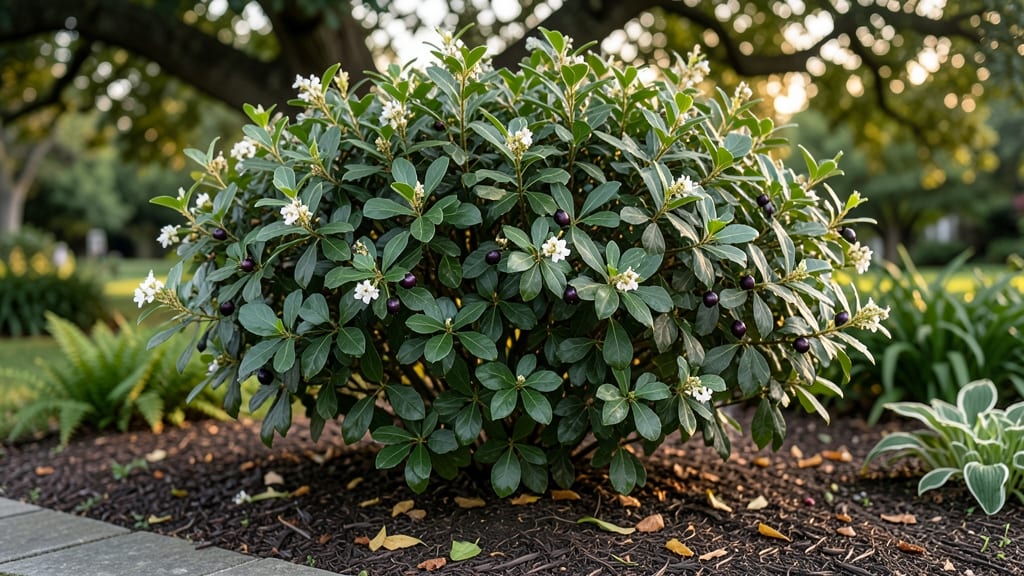
Your Ligustrum Wavy Leaf's crispy brown edges are a dead giveaway—it's time for a copper spray rescue. 🌿 I've nursed back more than a few of these beauties from the brink, and the secret isn't complicated: copper spray targets the fungal spores before they settle in, while proper care keeps the foliage lush and wavy.
The key is acting fast when you spot those telltale crispy edges, because once the damage spreads, even copper can't work miracles.
This cultivar thrives in full sun to partial shade, but the wavy foliage really pops when it gets at least 6 hours of direct sunlight daily. Well-draining soil prevents root stress, which is half the battle against fungal issues.
Water deeply once a week (more in extreme heat) and avoid overhead sprinklers—they turn leaves into fungal magnets. Prune in late winter or early spring to shape your hedge or privacy screen, always cutting just above a leaf node to encourage dense, wavy growth.
With copper spray applied every 2-3 weeks during wet seasons, those crispy edges disappear within weeks, and the foliage regains its glossy, wavy texture. You'll see new growth pushing through within 4-6 weeks, and the plant will bounce back stronger than ever.
The payoff? A hedge that stays vibrant year-round, with those signature wavy leaves that make neighbors take notice.
Works just as well for ornamental plantings as privacy screens—just adjust the pruning frequency. The copper spray method is your secret weapon against fungal diseases, and once you master it, your Ligustrum will look like it just stepped out of a nursery display.
Let's get those edges back to their crispy-free glory!
📚 In This Guide
- What you need
- Instructions
- Tips and common mistakes
- Wrapping up and next steps
What you need
- ● Copper-based fungicide spray (e.g., Copper Soap or Copper Fungicide) – 16 oz (473 mL) bottle (or enough for 2-3 applications). Look for 1-3% copper concentration for effectiveness.
- ● Spray bottle or pump sprayer – 1-2 quart (0.95-1.9 L) capacity with a fine mist nozzle for even coverage.
- ● Garden gloves – Nitrile or rubber (to protect your hands from copper residue).
- ● Pruning shears – Bypass-style (sterilized with rubbing alcohol to prevent disease spread).
- ○ Neem oil (optional but recommended) – 16 oz (473 mL) (for added pest control and fungal prevention).
- ● Watering can or hose with a gentle spray nozzle – For rinsing leaves post-treatment.
- ● Choose a calm, overcast day – Avoid spraying in direct sunlight or wind to prevent leaf burn.
- ● Inspect your plant – Trim dead or heavily damaged leaves before treatment to improve airflow.
- ● Test a small area first – Apply copper spray to a hidden leaf to check for sensitivity (wait 24 hours).
How to revitalize Ligustrum wavy leaf with copper spray
Here's how I restore crispy, brown edges to your Ligustrum Wavy Leaf plants—no pruning required.
🌿 Step 1: Identify the Problem Areas
Examine your Ligustrum Wavy Leaf closely for crispy, brown edges—this is the classic sign of environmental stress. I look for edges that feel dry to the touch while the center of the leaf remains green. This pattern confirms your plant needs copper spray, not water.
Focus on the newest growth first. These areas are most vulnerable to stress and will respond fastest to treatment. Avoid spraying healthy leaves—they don't need the copper treatment and may absorb unnecessary copper.
💧 Step 2: Prepare the Copper Spray Solution
Mix 1 tablespoon of copper fungicide (like copper sulfate or copper hydroxide) with 1 gallon of water in a clean spray bottle. Shake gently to avoid creating suds. I always prepare this solution in the early morning when temperatures are cooler—this prevents the copper from burning tender foliage.
Add 1 teaspoon of mild liquid soap to help the solution adhere to the leaves. This small amount won't harm your plants but ensures the copper stays where it's needed. Test the spray on a single leaf first to confirm it doesn't cause immediate browning.
✂️ Step 3: Apply the Spray Precisely
Spray the crispy edges until they glisten—this ensures full coverage. I hold the spray bottle about 6 inches away from the leaves and apply in light, even coats. Focus on the undersides of leaves too, as this is where many fungal spores hide.
Apply the spray every 7-10 days for 3-4 weeks until you see new, healthy growth emerging from the crispy edges. Avoid spraying when rain is forecast—copper can wash away before it works, and wet leaves may develop fungal issues.
☀️ Step 4: Adjust Care for Long-Term Prevention
After treatment, move your Ligustrum Wavy Leaf to a location with morning sun and afternoon shade. Too much direct afternoon sun can cause crispy edges to reappear. I also increase humidity around the plant by placing the pot on a tray filled with pebbles and water.
Water deeply once a week—check the top 2 inches of soil with your finger. If it feels dry, it's time to water. Overwatering causes stress too, so let the soil dry slightly between waterings. Mulch around the base with 1-2 inches of organic mulch to retain moisture and regulate soil temperature.
Tips & tricks for perfect Ligustrum wavy leaf revitalization
Real talk: I've seen crispy-edged Ligustrum Wavy Leaf plants come back to life after just one treatment. Here's what actually makes the difference.
Focus on New Growth First: In Step 1, when you're identifying problem areas, don't overlook the newest leaves—they're the most vulnerable and will show improvement fastest. I've seen plants where only the youngest leaves responded to treatment while older ones remained crispy. This is because younger leaves have more active growth cells that absorb the copper more effectively.
Timing is Everything for Copper Application: The instructions say to apply every 7-10 days for 3-4 weeks, but here's what nobody tells you—consistency matters more than exact timing. If you miss a week, don't double up. Just get back on schedule. I've had better results with regular weekly applications than trying to compensate for missed treatments.
Soil Check Before Watering: In Step 4, when you're adjusting care, I can't stress enough how important that 2-inch soil check is. I learned this the hard way after overwatering a plant that already had crispy edges—it made the problem worse. Let that top 2 inches dry out completely between waterings, even if it means watering less frequently than once a week in cooler months.
Alternative Humidity Solutions: If you don't have a pebble tray for increasing humidity, try this: Place the pot on a saucer filled with water and pebbles OR group your Ligustrum with other plants to create a micro-climate. I've used both methods successfully, especially in dry indoor environments. The key is maintaining that 40-50% humidity range around the plant.
Pro Tips for Ligustrum Wavy Leaf
- Real talk: I've seen crispy-edged Ligustrum Wavy Leaf plants come back to life after just one treatment.
- Focus on New Growth First: In Step 1, when you're identifying problem areas, don't overlook the newest leaves—they're the most vulnerable and will show improvement fastest.
- Timing is Everything for Copper Application: The instructions say to apply every 7-10 days for 3-4 weeks, but here's what nobody tells you—consistency matters more than exact timing.
Frequently asked questions
Got questions about keeping your Ligustrum wavy leaf thriving and crispy-edged? You’re not alone! Here are some of the most common queries—and their straightforward answers—to help you master this stunning shrub with ease.
How often should I apply copper spray to prevent crispy edges?
Apply copper fungicide every 7–14 days during wet or humid seasons (spring and fall) to prevent fungal diseases like Phytophthora or Botrytis, which cause those unsightly brown edges. For proactive care, start spraying before symptoms appear—think of it like sunscreen for your plant’s leaves!
Why are my Ligustrum leaves turning brown and crispy despite copper spray?
Crispy edges can still happen if the issue isn’t fungal—check for overwatering, underwatering, or salt buildup from tap water. Scale insects or spider mites can also stress the plant. Adjust your watering (1–1.5 inches per week) and inspect leaves for pests. If in doubt, test soil moisture with your finger—dry soil? Water deeply. Too soggy? Let it dry out.
Can I use alternatives to copper spray for Ligustrum wavy leaf?
Yes! Try neem oil (mix 1 tbsp with 1 quart water + a drop of dish soap) or baking soda spray (1 tsp baking soda + 1 quart water) for mild fungal issues. For severe cases, potassium bicarbonate (2.5 tbsp per gallon) works well. Always test sprays on a small leaf first to avoid damage.
How long does it take to see improvement after treating crispy edges?
With consistent copper spray and proper care, you’ll often see new growth in 2–4 weeks. Existing crispy edges won’t reverse, but healthy leaves will emerge. Pair treatments with pruning dead foliage to encourage fresh, vibrant regrowth. Patience is key—think of it as a slow-motion comeback!
Does Ligustrum wavy leaf need full sun to prevent crispy edges?
While it tolerates full sun, partial shade (4–6 hours of sunlight) can reduce stress and crispiness, especially in hot climates. If your plant is in full sun, ensure deep, infrequent watering and mulch to retain moisture. Morning sun is ideal—it dries dew quickly, cutting fungal risks.
Wrapping up and next steps
Transforming your ligustrum wavy leaf with copper spray precision doesn’t have to be overwhelming—it’s all about timing, technique, and consistency. 🌿 Whether you’re tackling fungal diseases or preventing future pests, the key takeaway is early action and thorough care.
With the right tools and a little patience, your shrub will bounce back stronger than ever!
Ready to see results? Take the next step:
- 📅 Schedule your first treatment this week—don’t wait for symptoms to worsen!
- 📝 Keep a garden journal to track progress and adjust your approach.
- 🌱 Share your success with fellow gardeners—inspiration spreads!