
Pests and Diseases
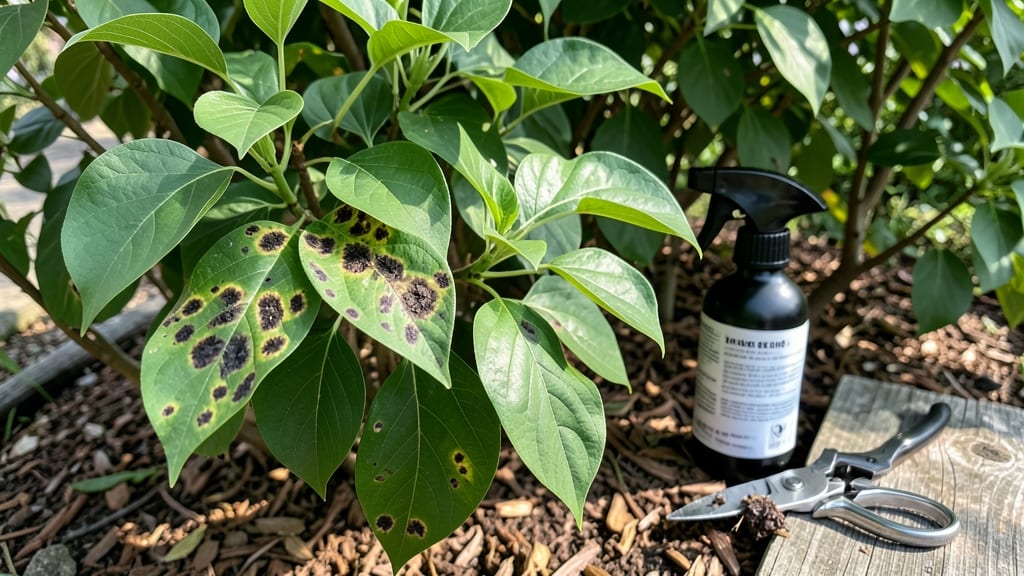
Lilac leaf spot turns your fragrant blooms into a sad, spotted mess—but this baking soda spray fixes it without harsh chemicals. 🌿 I’ve saved my bushes from total collapse using just a gallon of water, a teaspoon of baking soda, and a squirt of mild dish soap.
The key is acting fast before the spots spread like wildfire.
Those ugly brown spots? They’re fungal spores hitching a ride on wet leaves. Rain, humidity, and poor airflow create the perfect breeding ground. I learned the hard way—ignoring the first signs led to defoliation by summer.
The good news? This treatment stops the spread in its tracks and even cleans up existing damage.
After spraying (early morning or evening), you’ll see fresh green growth within 10-14 days. The lilacs stay lush, the scent returns, and you avoid the chemical stink of store-bought fungicides. Plus, it’s $2 worth of ingredients that last for multiple treatments.
Works for all lilac varieties, even stubborn old bushes. The secret? Consistency—spray every 7-10 days until new leaves emerge spot-free. No more wilting branches or missed blooms next spring.
Understanding The Root Causes
Lilac leaf spot isn’t just a random nuisance—it’s a fungal party crashers 🎭 that thrives when conditions are just right. To outsmart it, you need to know why it shows up in the first place.
Here’s a breakdown of the key culprits behind those unsightly brown spots on your lilac leaves, backed by science and actionable insights.
Fungal spores—like those behind lilac leaf spot—are water-loving opportunists. When lilacs are repeatedly drenched by rain, dew, or overhead watering, spores germinate and spread like wildfire. Here’s why:
- Prolonged leaf wetness: Leaves need less than 4–6 hours of moisture to stay healthy. If they’re damp longer, fungal spores get a 24-hour buffet to colonize.
- Stagnant air: Humidity above 70% creates the perfect greenhouse effect for fungal growth. Think of it like a spa for spores—warm, moist, and zero competition.
- Poor airflow: Dense lilac bushes with crowded branches trap humidity, giving fungi a protected hideout from sunlight (which can kill spores).
Actionable fix: Water at the base of the plant in the early morning so leaves dry by noon. Prune to open up airflow and avoid late-day watering.
Healthy lilacs are naturally resistant to fungal infections, but stress weakens their defenses. When lilacs are overworked, they become easy targets. Common stressors include:
- Nutrient deficiencies: Lack of nitrogen, phosphorus, or potassium makes leaves thinner and more vulnerable to fungal invasion. Think of it like a human with a weakened immune system—any pathogen will exploit the opening.
- Compacted soil: Roots struggle to absorb water and nutrients, leading to stunted growth and thinner leaves—perfect fungal snacks.
- Physical damage: Hail, strong winds, or rough pruning create open wounds where spores can directly infect the plant.
Actionable fix:
- Test soil pH (aim for 6.0–7.0) and amend with compost or organic matter.
- Use mulch (2–3 inches) to retain moisture and regulate temperature.
- Prune early spring (before new growth) to avoid stressing the plant.
Fungal spores are persistent survivors—they can linger in soil and plant debris for years, waiting for the right moment to strike. Here’s how they hang around:
- Infected leaf litter: Fallen leaves with leaf spot release spores back into the soil, ready to reinfect next season.
- Old mulch or compost: If mulch is too thick (over 4 inches) or not fresh, it creates a moist, dark environment perfect for fungal growth.
- Weeds and grass clippings: These can harbor spores and compete with lilacs for nutrients, further weakening the plant.
Actionable fix:
- Remove all infected leaves and dispose of them in the trash (not compost).
- Replace old mulch with fresh, disease-free options like pine straw or shredded bark.
- Keep the base of the plant clean—no debris within 2 feet.
Fungi are temperature-sensitive, and sudden changes—especially cool, damp springs—trigger outbreaks. Here’s the science:
- Ideal fungal temps: Most leaf spot fungi thrive between 60–75°F (15–24°C). If your lilacs are planted in late spring or early summer, new growth emerges when humidity is high and temps are perfect for spores.
- Cold snaps followed by warmth: A hard freeze can damage leaves, and when temps rise, dormant spores wake up and attack weakened tissue.
Actionable fix:
- Plant lilacs in early spring (before May) to establish roots before fungal season peaks.
- Use row covers in early spring to protect new growth from rain.
- Choose disease-resistant varieties like 'Dwarf Korean' or 'Miss Kim' if your climate is humid.
Now that you know why lilac leaf spot strikes, you’re one step closer to stopping it in its tracks—without harsh chemicals. The key? Break the fungal chain by controlling moisture, improving plant health, and removing hiding spots.
Fixing Fungal Foliage Fuss Naturally
If your lilacs are battling leaf spot—those unsightly brown or purple splotches ruining their charm—don’t reach for harsh chemicals right away. With a few simple, fungicide-free fixes, you can restore your shrubs to their fragrant, leafy glory.
Below, we’ve mapped out the most common causes of leaf spot and the best DIY solutions to tackle them, plus tips to keep your lilacs thriving long-term.
Leaf spot thrives in damp, stagnant conditions. If your lilacs are planted in heavy clay soil or you’ve been overwatering, the fungus gets the perfect breeding ground.
🔥 Fix It:
- 👨🍳 Space Out Waterings – Water deeply once a week (or less in rainy weather) and avoid wetting the leaves. Early morning is best to allow foliage to dry quickly.
- 🥘 Amend the Soil – Mix in compost or perlite to improve drainage. If your soil is compacted, consider planting lilacs in a raised bed.
- ⏰ Prune for Airflow – Trim back dense branches to increase airflow around the plant. Aim for an open, airy shape.
💡 Prevention Tips:
- 🌡️ Mulch Lightly – Use 2–3 inches of organic mulch (like shredded bark) to retain moisture without smothering the roots.
- 🎯 Choose the Right Spot – Plant lilacs where they get full sun (6+ hours/day) and avoid low-lying areas where water pools.
Leaf spot spreads via spores, especially in humid weather. If you’ve spotted lesions after rain or high humidity, your lilacs need a protective shield.
🔥 Fix It:
- 🍳 Homemade Fungicide Spray – Mix 1 tsp baking soda + 1 tbsp dish soap + 1 gallon water in a spray bottle. Apply to both sides of leaves every 7–10 days until new growth appears.
- 🔪 Remove Infected Leaves – Snip off heavily spotted leaves and dispose of them in the trash (not compost). Sterilize pruners with rubbing alcohol between cuts.
- 🥘 Neem Oil Treatment – For stubborn cases, spray neem oil (1 tsp per quart of water + a drop of soap) to smother spores. Reapply after rain.
💡 Prevention Tips:
- ✨ Water at the Base – Use a soaker hose or drip irrigation to avoid wetting foliage.
- 🌡️ Monitor Humidity – If your area is prone to high humidity, consider a fan on low near the plants to improve airflow.
If aphids, spider mites, or other pests are present, they stress the lilac, making it more susceptible to leaf spot.
🔥 Fix It:
- 👨🍳 Blast Off Pests – Spray plants with a hose (strong stream) to dislodge pests, or use an insecticidal soap spray (1 tbsp soap per quart of water).
- 🥘 Introduce Beneficial Bugs – Ladybugs and lacewings devour aphids. Buy them online or attract them with nectar-rich flowers.
- 🔪 Prune Damaged Growth – Remove yellowing or curled leaves where pests hide.
💡 Prevention Tips:
- 🎯 Encourage Biodiversity – Plant companion flowers like marigolds or yarrow to deter pests naturally.
- 🌡️ Inspect Regularly – Check undersides of leaves weekly for early signs of infestation.
Weak, malnourished lilacs can’t fight off leaf spot effectively. Yellowing leaves or stunted growth? It’s time to feed them right.
🔥 Fix It:
- 🍳 Feed with Compost Tea – Brew compost tea (1 cup compost + 5 gallons water, steep 24–48 hours) and water the base of the plant.
- 🥘 Use a Balanced Fertilizer – Apply a 10-10-10 or 5-5-5 fertilizer in early spring to promote healthy growth.
- 🔪 Avoid Over-Fertilizing – Too much nitrogen leads to soft, susceptible leaves. Follow package instructions carefully.
💡 Prevention Tips:
- 💪 Test Your Soil – A DIY soil test kit (available at garden centers) helps identify deficiencies.
- 🌱 Plant at the Right Time – Lilacs thrive when planted in early fall or late winter, giving roots time to establish before summer stress.
With these natural fixes, your lilacs should bounce back in no time—without the need for toxic chemicals. Consistency is key: prune, spray, and monitor regularly to keep leaf spot at bay. Soon, you’ll be enjoying those fragrant blooms and lush foliage again! 🌸
Frequently asked questions about lilac leaf spot
What do lilac leaf spot symptoms look like?
Lilac leaf spot appears as small, dark brown or purple spots with yellow halos on leaves. Over time, spots grow larger and may develop white or gray centers. Severely infected leaves turn yellow, crisp, and drop prematurely. Check both leaf surfaces—spots often appear on undersides first.
Can I still use my lilac flowers if the leaves have spots?
Yes, but remove any heavily spotted leaves before they bloom. The flowers themselves aren't typically infected, but prune affected foliage to prevent spores from spreading. Always wear gloves when handling infected leaves to avoid skin irritation.
How often should I apply the baking soda spray?
Spray every 7-10 days until new growth appears spot-free. For prevention, apply it once a month during humid seasons. Always spray in the early morning or evening to avoid burning leaves in direct sunlight.
Will pruning alone stop lilac leaf spot?
Pruning helps, but it's only part of the solution. Remove infected leaves and branches, but combine it with the baking soda spray and proper watering techniques. Prune in early spring before new growth appears to minimize stress on the plant.
Can I save my lilac bush if it's already lost most of its leaves?
Yes, but act quickly! Apply the baking soda spray immediately and improve growing conditions. Healthy roots can regenerate new leaves. For severe cases, fertilize with compost tea to boost recovery. Expect new growth within 4-6 weeks with consistent care.