
Leaf Blower
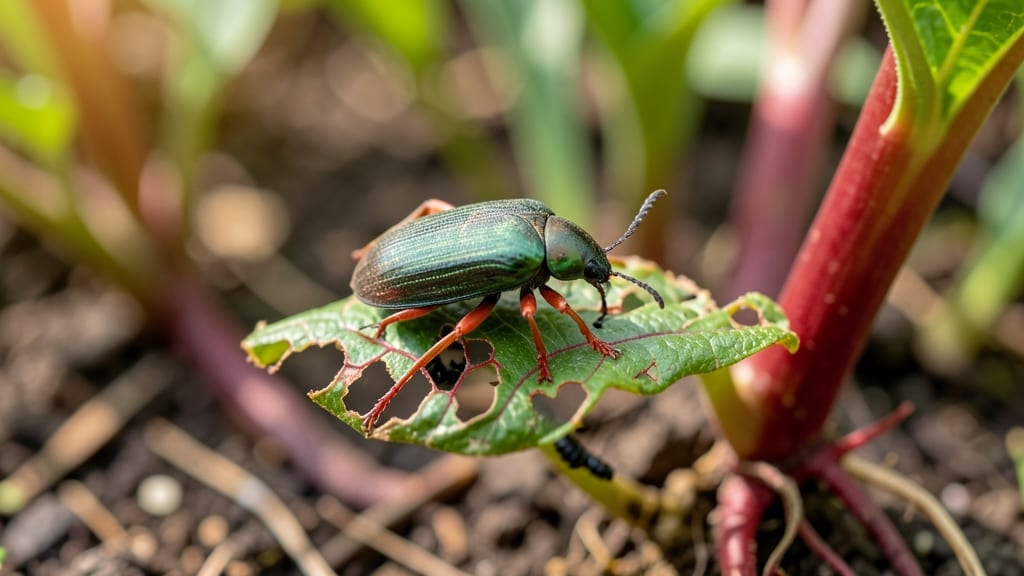
Your lilies are being devoured by those shiny, black beetles—lily leaf beetle damage turns vibrant blooms into skeleton leaves overnight. 🌱 Honestly, I’ve watched entire beds stripped bare in a week, but copper spray saved my plants every time. The key is acting fast before the beetles multiply.
These pests chew through leaves, stems, and buds, leaving behind black, skeletonized foliage and orange eggs clustered on the undersides. Adult beetles appear in late spring, and if you miss them, your lilies will look like they’ve been hit by a leaf blower.
The good news? Copper spray disrupts their feeding habits within days, giving your plants a fighting chance.
By day 3, you’ll see new growth pushing through, and in a week, your lilies can bounce back—spotless and revived—if you apply the spray correctly. The secret is consistency: reapply every 5–7 days until the beetles disappear, and always check the undersides of leaves for eggs.
This method works year after year, but early monitoring is everything. Once the beetles are gone, your lilies will reward you with those iconic trumpet-shaped blooms—just like they did before the invasion.
Root Causes Of Beetle Attacks
Lily leaf beetles (Lilioceris lilii) don’t just appear out of nowhere—they’re drawn to your lilies by a mix of environmental cues, plant chemistry, and even human activity.
Understanding these triggers helps you disrupt their lifecycle before they turn your garden into a skeleton of chewed foliage. Here’s what’s really luring them in:
Lily leaf beetles are specialized feeders, meaning they’ve evolved to target specific plants—primarily lilies (Lilium spp.) and fritillaries (Fritillaria spp.). Their larvae and adults thrive on these plants because:
- High nitrogen content: Lilies store nitrogen-rich compounds in their leaves, which beetles crave for protein. Think of it like a buffet for them—all-you-can-eat leafy goodness. 🍽️
- Soft, tender leaves: Unlike tough grasses, lily foliage is easy to chew, making it a low-effort meal. Adults prefer mature leaves, while larvae go for younger, more succulent growth.
- Volatile organic compounds (VOCs): Lilies emit scent signals that beetles detect from up to 100 feet away. These chemical cues act like a dinner bell, guiding them straight to your garden.
Actionable tip: If you’re growing lilies, isolate them from other plants to reduce beetle traffic. Planting non-host species like lavender or rosemary nearby can create a natural barrier—beetles avoid these strong-scented alternatives. 🌿
Lily leaf beetles are cold-hardy invaders, but they’re most active when conditions are just right. Their lifecycle is tightly linked to temperature and humidity:
| Stage | Optimal Conditions | Why It Matters |
|---|---|---|
| Egg Laying (Spring) | 50–70°F (10–21°C), damp soil | Females seek out moist, shaded areas to deposit eggs in clusters. Rainy springs = more eggs. ☔ |
| Larval Hatch (Late Spring) | 60–80°F (15–27°C), high humidity | Larvae thrive in warm, humid conditions. They’ll strip leaves faster if nights stay muggy. |
| Adult Emergence (Summer) | 75–90°F (24–32°C), dry heat | Adults seek out water sources (like dew or sprinklers) to hydrate. Overwatering can attract them! 💦 |
| Overwintering (Fall) | Below 40°F (4°C), leaf litter | Adults hide in mulch or soil cracks to survive winter. Disturbing leaf debris can wake them up early. |
Actionable tip: Monitor your local degree-day accumulation (a tool gardeners use to track pest cycles). When temps hit 400–500 degree-days (base 50°F), larvae will likely hatch—that’s your cue to act. Use row covers or neem oil preemptively. ⏳
Lily leaf beetles aren’t native to North America—they hitchhiked here from Europe, and now they’re spreading thanks to:
- Unintended transport: Beetles or eggs stow away on potted lilies, nursery stock, or even firewood. If you buy lilies online or from garden centers, inspect them for black, skeletonized leaves or orange larvae.
- Gardening practices:
- Overwatering creates ideal humidity for egg survival.
- Leaving leaf litter or mulch piles gives overwintering adults a cozy hideout.
- Planting lilies in containers without drainage traps moisture, signaling beetles that “food is here!”
- Lack of natural predators: In their native Europe, birds and parasitic wasps keep beetle populations in check. Here? No such luck—they’ve found a garden buffet with no competition.
Actionable tip: Quarantine new plants for 2 weeks before introducing them to your garden. Check under leaves, stems, and in soil. If you spot beetles, treat immediately with copper spray or insecticidal soap to prevent spread. 🚫🐞
By cutting off these triggers—whether it’s their favorite food, perfect weather, or easy access—you can starve out their invasion before they become a full-blown problem. Next up: how to disrupt their lifecycle in 7 days with copper spray. Stay tuned! 🛡️
Quick Fixes for Beetle-Battered Blooms
When lily leaf beetles turn your prized plants into skeletonized skewers, panic isn’t the answer—action is! These vibrant red invaders can strip a garden bare in days, but with the right strategies, you can reclaim your lilies in a week or less.
Below, we’ve mapped out practical, step-by-step solutions tailored to the root causes of damage, from physical barriers to chemical defenses. Plus, we’ll share prevention tips to keep your garden beetle-free next season.
If you’ve spotted chewed leaves or bright red beetles, physical exclusion is your first line of defense. These methods work best for early infestations or as a preventive measure.
🛡️ Row Covers and Netting
- How to do it: Drape fine mesh netting (1mm or smaller) over your lilies before beetles emerge in spring. Secure it tightly with clips or stakes to prevent beetles from crawling underneath.
- Best for: Small gardens, raised beds, or container-grown lilies.
- Pro tip: 💡 Use floating row covers (like those for cabbage worms) to avoid smothering plants. Leave them on until after blooming to ensure no beetles slip through.
🧹 Handpicking and Drowning
- How to do it: 👨🍳 On warm, sunny days, shake lilies over a bucket of soapy water (1 tbsp dish soap per gallon). Beetles will fall in—no need to touch them!
- Best for: Small infestations (under 10 beetles per plant).
- Pro tip: 🌡️ Do this in the early morning when beetles are sluggish. Avoid midday heat, which can stress your plants.
🧴 Sticky Traps and Beer Traps
- How to do it: Place yellow sticky traps near lilies (beetles are attracted to yellow) or set up a beer trap (bury a shallow dish filled with beer—beetles drown in it).
- Best for: Monitoring populations or supplementing other methods.
- Pro tip: ✨ Replace beer traps every 3–4 days to keep them effective.
If beetles are already feasting, organic sprays can disrupt their life cycle without harming pollinators or pets. These are safest for edible gardens and children’s play areas.
💦 Neem Oil Spray (Disrupts Feeding & Eggs)
- How to do it: Mix 2 tbsp neem oil + 1 tsp mild soap + 1 quart water. Spray thoroughly (top and bottom of leaves) at dusk to avoid harming bees.
- When to apply: Every 5–7 days until beetles disappear.
- Pro tip: 🔥 Add a drop of garlic oil to repel beetles further.
🌿 Copper Spray (Kills Larvae & Adults)
- How to do it: Use a ready-made copper fungicide/bactericide (like Bonide Copper Fungicide) and spray evenly on leaves and soil.
- Why it works: Copper disrupts the beetles’ exoskeleton, causing dehydration.
- Pro tip: 🎯 Apply after rain so it sticks better to leaves.
🥣 Horticultural Oil (Smothers Eggs & Larvae)
- How to do it: Spray dormant oil (like JMS Stylet Oil) on buds and stems in early spring before eggs hatch.
- Best for: Preventing next year’s infestation.
- Pro tip: ⏰ Apply when temps are below 80°F to avoid burning plants.
If organic methods fail and beetles are devastating your garden, chemical pesticides can provide fast knockdown. Use these sparingly and follow label instructions carefully.
💊 Pyrethrin-Based Sprays (Fast-Kill)
- How to do it: Spray pyrethrin (like PyGanic) directly on beetles and larvae. Reapply after rain.
- Best for: Severe outbreaks where lilies are already heavily damaged.
- Warning: 🚨 Avoid spraying when bees are active (early morning or late evening).
🧪 Imidacloprid Systemic (Prevents Future Infestations)
- How to do it: Apply imidacloprid granules (like Merit) to the soil before planting lilies or in early spring.
- Why it works: The chemical is absorbed by the plant, making it toxic to beetles when they feed.
- Pro tip: 💡 Water thoroughly after application to activate it.
Once your lilies are beetle-free, lock in those gains with these long-term strategies to avoid future damage.
- 🌿 Plant Repellent Companions: Interplant lilies with garlic, chives, or marigolds—their strong scents deter beetles.
- 🕰️ Early Detection: Inspect lilies weekly in spring for eggs (tiny yellow clusters on undersides of leaves).
- 🗑️ Clean Up Debris: Remove and destroy (don’t compost!) chewed leaves and beetle carcasses to break their life cycle.
- 🌍 Beneficial Nematodes: Apply Steinernema carpocapsae nematodes to the soil in late summer to target larvae.
- 🌱 Rotate Plantings:** Avoid planting lilies in the same spot yearly—beetles return to familiar areas.
With these targeted solutions, your lilies can bounce back in 7 days or less. Start with physical barriers and organic sprays, then escalate to chemicals only if necessary. And remember: A little prevention now saves a lot of heartache later! 🌸
Frequently asked questions
What do lily leaf beetle eggs look like?
Lily leaf beetle eggs are tiny, bright yellow-orange clusters (about 10-20 eggs per cluster) found on the undersides of lily leaves. They resemble tiny grains of rice and are usually laid in groups near leaf veins. Check the bottoms of leaves weekly in spring—they hatch in 5-7 days into voracious larvae.
How long does it take for copper spray to work?
Copper spray starts showing results within 24-48 hours by disrupting the beetles' feeding process, but you’ll see significant improvement in 3-5 days with consistent application. For best results, reapply every 5-7 days until all beetles disappear. The key is coverage—focus on both leaf surfaces and stems.
Can I use vinegar to kill lily leaf beetles?
While vinegar can kill adult beetles on contact, it’s not an effective long-term solution. A 1:1 vinegar-water mix sprayed directly on beetles will dehydrate them, but it won’t reach eggs or larvae hiding on leaf undersides. Plus, vinegar can harm your plants over time. For better results, use neem oil or copper spray instead.
Will my lilies recover from severe damage?
Yes! Lilies are surprisingly resilient. If you remove all beetles and treat the plants with copper spray or neem oil, new growth will emerge within 7-10 days. Severely damaged stems may need pruning, but the plant’s root system will regenerate. Just keep monitoring for eggs—one missed cluster can restart the cycle.
Are there any natural predators that control lily leaf beetles?
Unfortunately, lily leaf beetles have few natural enemies in North America. However, birds, parasitic wasps, and ground beetles may eat some larvae. To encourage predators, plant diverse native plants and avoid broad-spectrum pesticides. Introducing beneficial nematodes can also help target larvae in the soil.