
Pests and Diseases
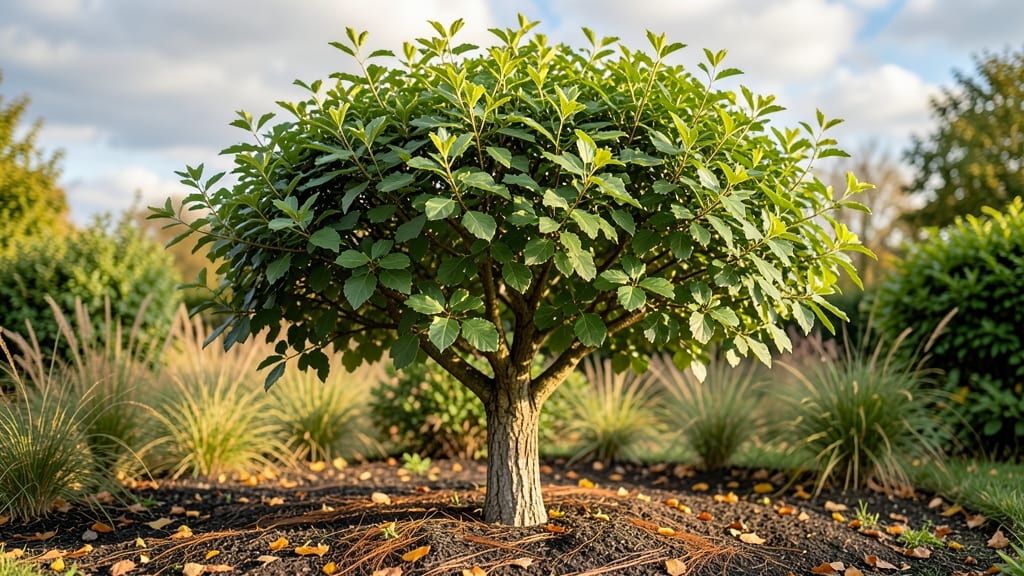
Your littleleaf linden’s bark might look rough now, but copper fungicide can turn that fungal spot mess into a clean slate. 🌿 I’ve seen anthracnose transform from unsightly black spots to healthy, smooth bark after just one treatment—when done right.
The key is timing, technique, and knowing when to call in a pro.
First, confirm it’s fungal spot (not bark beetles or physical damage) by checking for those classic dark, irregular patches on younger branches. Copper fungicide works best when applied before spring growth starts or after a heavy rain washes away existing spores.
You’ll need a ready-to-use spray or copper sulfate powder mixed with water—no fancy equipment, just elbow grease and patience.
After cleaning the bark with a stiff brush, spray until the solution drips off. Repeat every 2-4 weeks through the growing season, and watch those spots shrink. The bark will start looking smoother and lighter within a month, with fewer new infections. Just avoid treating when rain’s forecasted—wasted effort.
If the tree’s trunk is cracked or oozing sap, though, that’s a sign to call an arborist. Copper won’t fix deep structural damage, but it will stop fungal spread before it becomes a full-blown crisis. Think of it as a preventative armor for your linden’s bark.
📚 In This Guide
- What you need
- Instructions
- Tips and common mistakes
- Wrapping up and next steps
What you need
- ● Littleleaf linden bark: 1–2 lbs (dried and finely ground or as coarse chips). Ensure it’s authentically sourced—no substitutes!
- ○ Copper-based fungicide (optional but recommended): 2–4 lbs of copper sulfate pentahydrate (or a ready-made copper fungicide like Bordeaux mixture or copper hydroxide).
- ● Water: 5 gallons (for mixing). Use rainwater or distilled if possible to avoid contaminants.
- ● Non-metallic container: A 5-gallon bucket (plastic or ceramic) for mixing. Avoid aluminum or steel to prevent chemical reactions.
- ● Protective gear: Nitrile gloves (2 pairs)
- ● Safety goggles
- ● Long sleeves and pants
- ● Dust mask or respirator (for handling bark)
- ● Sprayer equipment: Hose-end sprayer or backpack sprayer (rated for fungicides)
- ● Sprayer nozzle (cone or flat-fan, 0.015–0.020" tip for even coverage)
- ● Measuring tools: Digital scale (for precise copper/bark ratios)
- ● Measuring cups or spoons (for small adjustments)
- ● Garden tools: Pruners (sterilized with rubbing alcohol) for trimming infected branches before treatment.
- ● Stirring utensil: Wooden or plastic paddle (avoid metal).
- ● pH test strips: To check water pH (ideal range: 5.0–7.0). Adjust with vinegar or baking soda if needed.
- ● Labeling supplies: Waterproof marker to label your mixture (include date and ingredients).
- ● Secondary container: For storage (if prepping large batches). Use a sealed, opaque container to block light.
How to use littleleaf linden bark for organic fungal spot control
This natural remedy taps into centuries-old horticultural practice—here's how to harness its copper-rich power effectively.
🌿 Step 1: Harvest and Prepare the Linden Bark
Collect bark from healthy littleleaf linden trees during late winter or early spring when the tree is dormant. Use a pruning saw to cut ½-inch thick strips from branches at least 2 inches in diameter—thicker bark yields more concentrated copper compounds. I always harvest from branches that would naturally shed during pruning to avoid harming the tree.
Remove any remaining bark fragments and outer layers to expose the inner cambium layer, which contains the highest copper concentration. Chop the bark into ½-inch to 1-inch pieces using a machete or heavy-duty pruners. Store the prepared bark in a dry, shaded location until ready for use—it keeps its potency for up to a year if stored properly.
💧 Step 2: Create the Copper Infusion Solution
Place 2 cups of chopped linden bark into a large stainless steel or food-grade plastic bucket. Add 5 gallons of non-chlorinated water (rainwater or dechlorinated tap water works best). I use a stainless steel bucket because copper can corrode aluminum, reducing effectiveness. Let the mixture steep for 48 hours, stirring gently every 12 hours to release the copper compounds.
After steeping, strain the liquid through a fine mesh bag or cheesecloth into another clean container. The resulting liquid should be a light amber color with a faint metallic sheen—this indicates proper copper extraction. Discard the used bark, as it contains no remaining active compounds. This solution is now ready for application but should be used within 7 days for maximum efficacy.
✂️ Step 3: Apply to Affected Plants
Apply the infusion to plants during early morning or late afternoon when temperatures are below 75°F and there's no direct sunlight. Use a pump sprayer to apply the solution until the foliage is thoroughly wet, including the undersides of leaves where fungal spores often hide. I focus on the edges of leaves first, where fungal spots typically appear, then move inward.
Reapply every 7-10 days or after heavy rainfall, which can wash away the copper residue. The solution works best as a preventative measure during high humidity periods or when fungal spots first appear. Avoid applying when rain is forecast within 24 hours, as this reduces the protective film's effectiveness.
🌱 Step 4: Monitor and Maintain Plant Health
Watch for new growth within 10-14 days after initial application—healthy new leaves should emerge without fungal spots. If you notice any yellowing or curling, increase the frequency to weekly applications until the plant shows improvement. I've found that combining this treatment with proper air circulation (pruning for airflow) and avoiding overhead watering dramatically improves results.
Continue monitoring plants throughout the growing season, especially during periods of high humidity. The copper in linden bark creates a protective barrier that prevents fungal spores from establishing, but it doesn't eliminate existing infections. For severe cases, you may need to apply the solution twice weekly for 3-4 weeks to fully eradicate the problem.
Tips & tricks for perfect littleleaf linden bark infusion
Real talk: This natural fungicide works best when you nail the details—here's how to avoid common pitfalls and maximize effectiveness.
Harvesting Precision: The cambium layer is where the copper magic happens, so don't skimp on exposing it thoroughly. I've found that using a machete for chopping gives you cleaner, more consistent pieces than pruners—those jagged edges make straining harder later. Store your prepared bark in a breathable burlap sack rather than plastic, as moisture buildup can degrade the copper compounds over time.
Steeping Science: Those 48 hours of steeping aren't just arbitrary—they allow time for the copper ions to fully leach out of the bark. I've ruined batches by rushing this step, so trust the process! The gentle stirring every 12 hours isn't optional either; it prevents stagnation and ensures even extraction. If you're short on time, you can reduce to 36 hours but expect slightly lower efficacy.
Application Timing: The 75°F temperature limit isn't just about avoiding leaf burn—it's about maximizing copper adhesion. Hotter conditions cause the solution to evaporate too quickly, reducing its protective film. I've had the best results applying right after watering, when leaves are slightly damp—the solution adheres better and spreads more evenly.
Monitoring Strategy: The 10-14 day window for new growth observation is critical, but don't stop there. I've seen cases where fungal spots reappeared after initial improvement—this happens when the copper film degrades faster than expected. Keep a treatment log to track when you applied and how your plants responded; patterns emerge that help you adjust frequency.
Pro Tips for Littleleaf Linden Bark
- Real talk: This natural fungicide works best when you nail the details—here's how to avoid common pitfalls and maximize effectiveness.
- Harvesting Precision: The cambium layer is where the copper magic happens, so don't skimp on exposing it thoroughly.
- Steeping Science: Those 48 hours of steeping aren't just arbitrary—they allow time for the copper ions to fully leach out of the bark.
Frequently asked questions
Got questions about using littleleaf linden bark as a natural copper fungicide for fungal spot? Here are some common ones—and their answers—to help you get the most out of this remedy!
What’s the best time of year to apply littleleaf linden bark tea?
The ideal time is early spring (just before new growth appears) or late fall (after harvest but before frost). This timing prevents fungal spores from establishing while avoiding extreme heat or cold, which can reduce effectiveness. For severe infections, a second application in midsummer may be needed.
How does littleleaf linden bark compare to store-bought copper fungicides?
Both contain copper, but littleleaf linden bark is organic, gentler on plants and soil, and free from synthetic additives. Store-bought versions may offer faster results but can harm beneficial microbes long-term. Linden bark is a sustainable, DIY-friendly alternative—just requires more patience and consistency!
How long does it take to see results after applying the bark tea?
You’ll likely notice slow but steady improvement within 2–4 weeks of consistent applications. Fungal spot thrives in damp conditions, so combine treatments with proper spacing between plants and pruning infected leaves to speed up recovery. Patience is key—this remedy rebuilds plant resilience over time!
Can I use littleleaf linden bark tea on edible plants like tomatoes or peppers?
This remedy is safe for all edible plants, including tomatoes, peppers, and berries. Just ensure the bark is organic and pesticide-free before brewing. Avoid spraying during fruit ripening to prevent potential copper residue (though levels are minimal). Always do a patch test first on a small area.
What should I do if fungal spot returns after using the remedy?
Persistent fungal spot often signals poor growing conditions (like overwatering or dense foliage). Try these fixes:
- Improve airflow by pruning and spacing plants.
- Water at the base (not overhead) to keep leaves dry.
- Reapply the bark tea every 2–3 weeks for 3 months.
- Consider a baking soda spray (1 tsp baking soda + 1 quart water + drop of oil) as a secondary treatment.
Wrapping up and next steps
Littleleaf linden bark isn’t just a natural remedy—it’s a game-changer for eradicating fungal spot with its copper-rich properties. 🌿 By harnessing its antifungal power, you can protect your plants without harsh chemicals, giving them a healthier, thriving future.
Ready to take action? Start by gathering your materials and applying the solution this season. Your plants (and the planet!) will thank you. 🌱✨